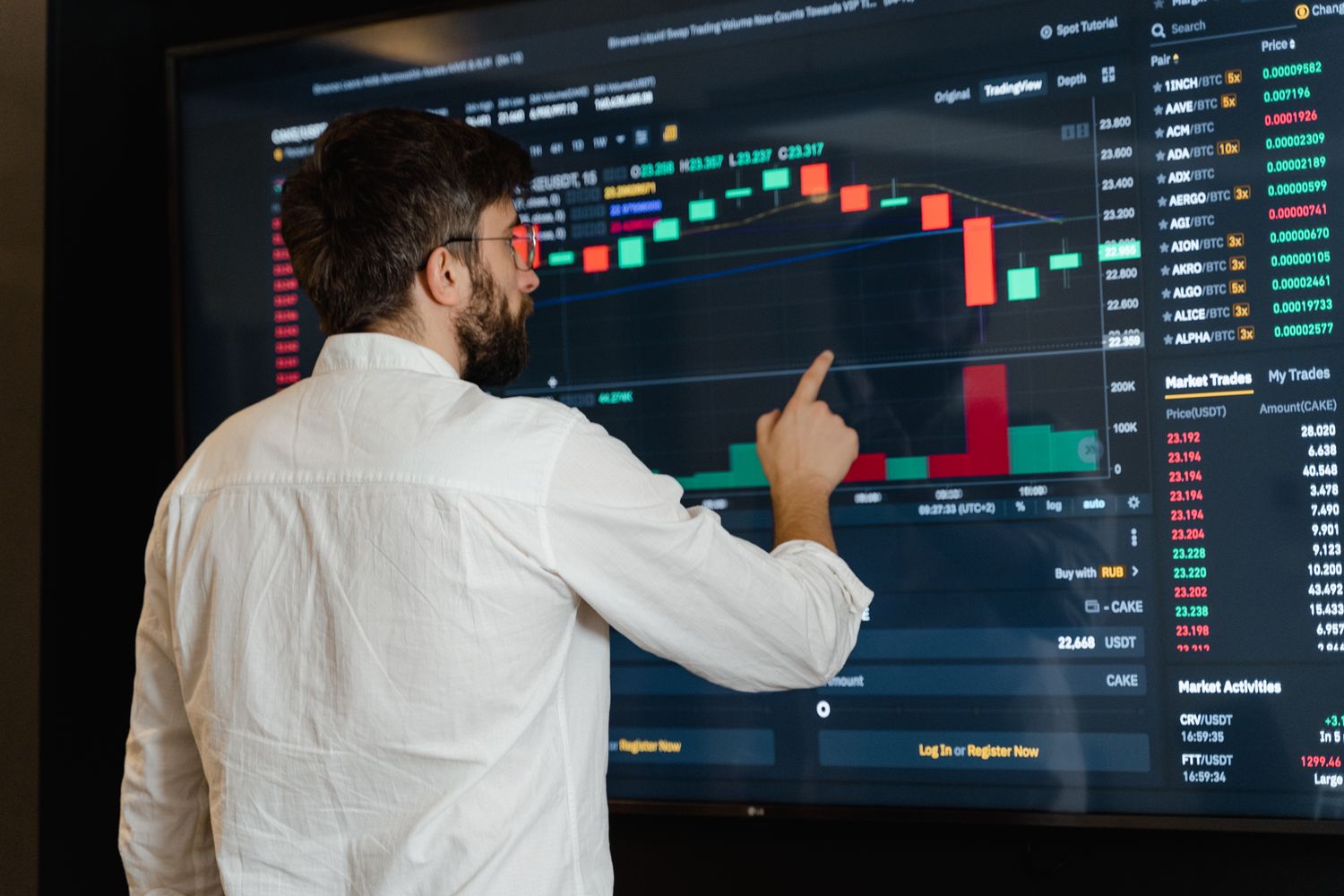
For years, the initial public offering had a rhythm every investor knew by heart. A company would set its price late Wednesday night, the shares would start trading Thursday morning, and by the closing bell the stock would be up 40, 60, sometimes more than 100 percent. The bankers would smile for the cameras on the exchange floor. The executives would ring the bell. And somewhere across the country, a regular investor who’d wanted in would watch the whole thing from the sidelines, priced out before the opening trade ever happened.
That pop — the glorious, chaotic, headline-making first-day surge — was the whole point of the IPO spectacle. It told the world this company mattered. And this summer, it also told the world something had gone wrong with the machinery. After Figma, Circle, and Bullish each debuted with enormous first-day jumps, the companies lined up behind them took a long, hard look at the playbook and decided to rewrite it. According to WSJ capital markets reporter Corrie Driebusch, reporting in the Journal’s What’s News on Saturday, September 12, companies debuting this week are handing retail investors meaningfully bigger share allotments — deliberately engineering their offerings against the pop.
It’s not enough to just price a stock and watch the fireworks. The new thinking says: we must listen to who actually wants to own this company, learn what the old model was really doing, and contribute something fairer to the people showing up with their savings.
Let me explain what changed, because it matters more than it might seem.
Why the pop became a problem
A first-day pop looks like success, but it’s really a quiet transfer of wealth. When a company prices its shares at $30 and they close at $48, that $18 gap is money the company left on the table — value that flowed straight from the company’s coffers to the institutional investors who got the coveted allocations in the offering. The pop was never retail investors winning. It was a small circle of favored clients winning, while everyone else paid the markup.
For decades, companies tolerated it. A big pop generated buzz, made the CEO a hero on financial television, and greased relationships with the investment banks running the deal. But the math has a way of catching up with a narrative. When Figma, Circle, and Bullish all spiked dramatically on their debuts this summer, the spectacle crossed a line from marketing to waste. The companies that watched those debuts realized the obvious: if you’re going to give away that much value on day one, you might as well give some of it to the people who actually want to hold your stock for years — the everyday investors who buy into the story, not the flip.
So the mechanics are shifting. Bigger allotments for retail investors mean the shares are landing in more hands, at the offering price, rather than being concentrated with institutions positioned to sell into the first-day frenzy. It’s a structural answer to a structural problem: spread the ownership wider, dampen the speculative spike, and let the stock find its footing with a broader base of owners.
The other side of the world is watching
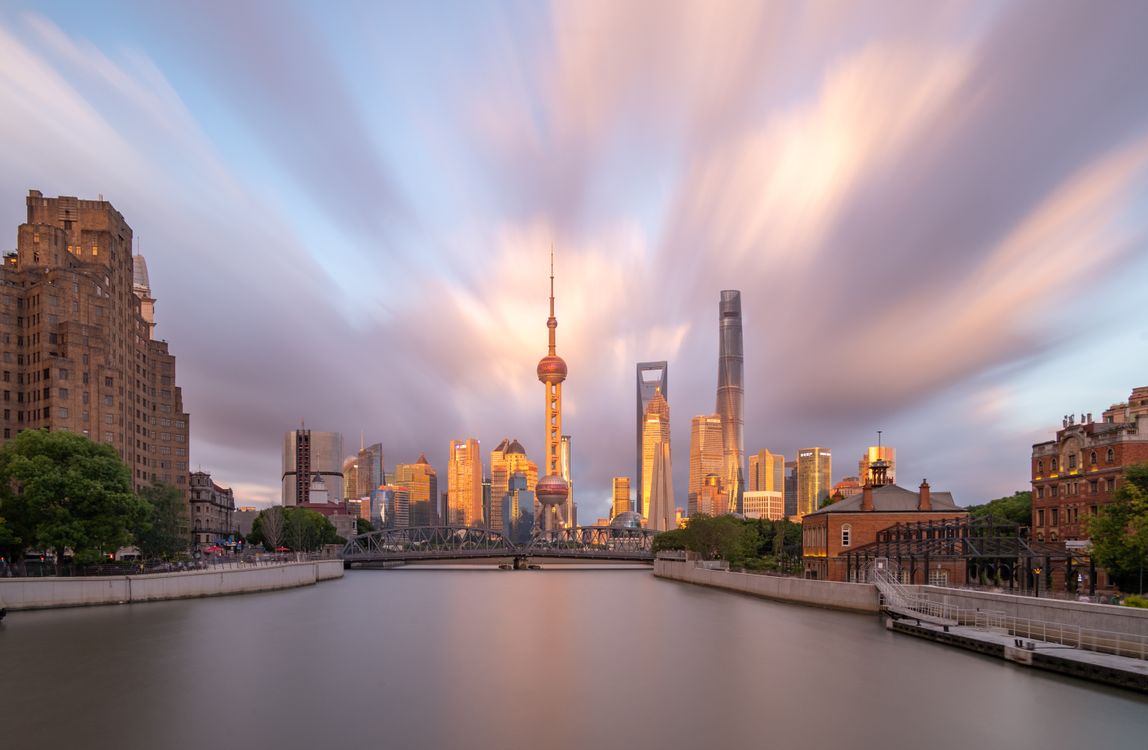
Here’s the part that should widen your lens. While American companies are working to tame the pop, China has turned the pop into an industrial strategy — and the numbers are staggering.
In a weekend preview edition published September 12, Finimize laid out the state of China’s IPO machine: regulators have told bankers to keep IPO prices low and to bar “low-quality” companies from listing at all. The result? The median first-day gain on Chinese listings in 2026 is 173 percent. Chipmaker CXMT and humanoid-robotics firm Unitree both surged more than 400 percent on their debuts. More than 100 companies have listed this year, raising over $28 billion — roughly 50 percent more than all of 2025.
Read that again: the median debut doubles and then some. In the United States, a 173 percent first-day gain would be a scandal — evidence of a badly mispriced deal. In China, it’s the plan.
The logic is different. Cheap pricing guarantees a spectacle, and the spectacle draws the public into the equity markets Beijing wants them to join. A 400 percent pop on a chipmaker or a robotics company tells every saver in the country that the stock market is where the future is being built — and where their savings should go. It’s nation-building by first-day gain.
But there’s a shadow in the data, and Finimize names it: Unitree, the humanoid-robotics darling that surged more than 400 percent on debut, has since lost almost half its value from its first-day peak. The pop giveth, and the market taketh away. A debut that doubles or triples isn’t a verdict on the company — it’s a verdict on the pricing. And when the dust settles, regular investors who bought the excitement are the ones holding the bag.
This is the caution that connects the two stories. America’s old playbook manufactured pops by accident and let institutions harvest them. China’s new playbook manufactures pops on purpose and lets the public chase them. In both cases, the person at the end of the chain — the saver, the family investing for a child’s education, the retiree looking for growth — is the one absorbing the volatility that the pop creates.
What it means for you
If you’ve ever wanted to buy into an IPO, the shifting American playbook is genuinely good news. Bigger retail allotments mean a fairer shot at the offering price — the price the company itself chose, before the opening-bell frenzy. It’s not a guarantee of returns; plenty of IPOs still stumble. But it’s a more honest starting line.
The deeper lesson is about what a debut is supposed to be. A public listing is a company inviting the public in — inviting teachers and nurses and small-business owners to become part-owners of its future. The pop turned that invitation into a velvet rope: the insiders got in at the real price, and the public paid the cover charge. Companies engineering against the pop are, in their own way, saying the invitation should mean what it says.
There’s a generosity in that idea worth sitting with. A market works best when it’s a community — when the people who believe in a company’s future can actually participate in it, not just applaud from the sidewalk. The pop was a party most investors watched through a window. The new playbook is trying, imperfectly, to open the door.
Watch the debuts in the coming weeks. If the first-day gains are smaller — calmer, less cinematic — that isn’t a sign of weakness. It’s a sign that the offering did what offerings are supposed to do: match a company with its owners at a price both sides can stand behind. And if you’re one of the retail investors getting a bigger allotment this time around, remember the lesson from Unitree’s round trip: the pop is theater. The company is the investment. Buy the one you can hold, not the one that makes the best headline.
Facts in this article are drawn from WSJ’s What’s News (P.M. edition, Sept 12, 2026) and Finimize’s weekend preview edition (Sept 12, 2026). Interpretations are the author’s own.