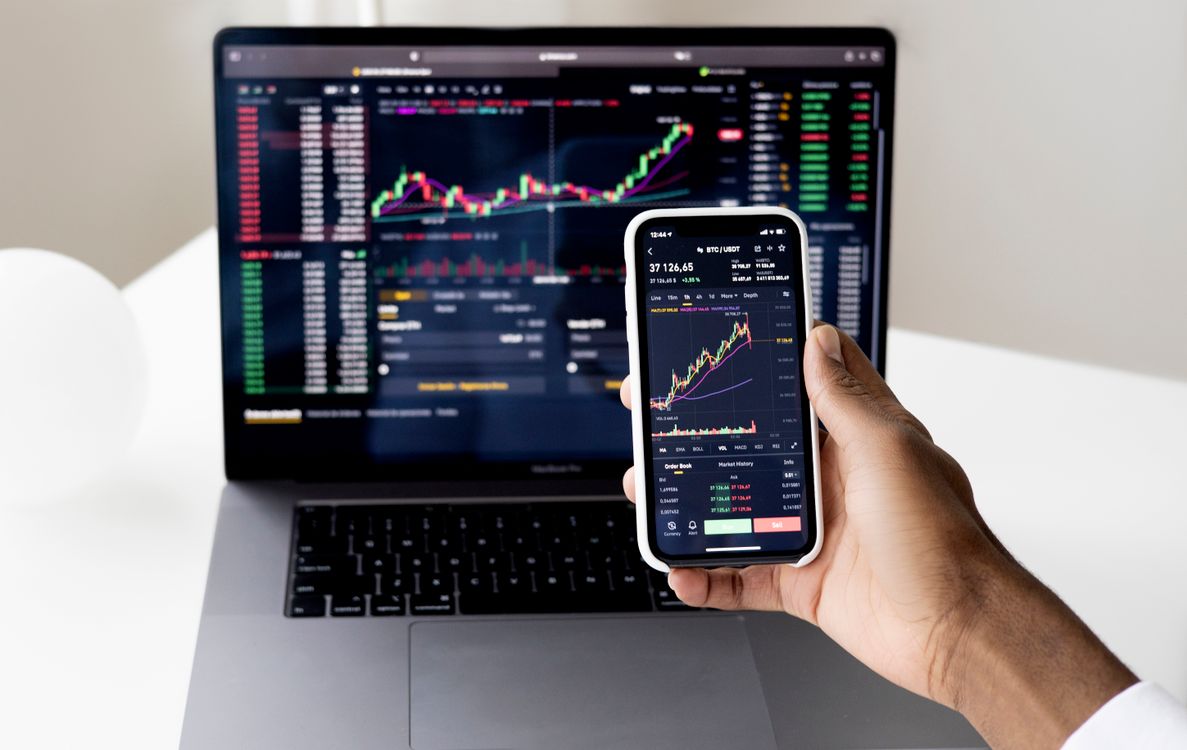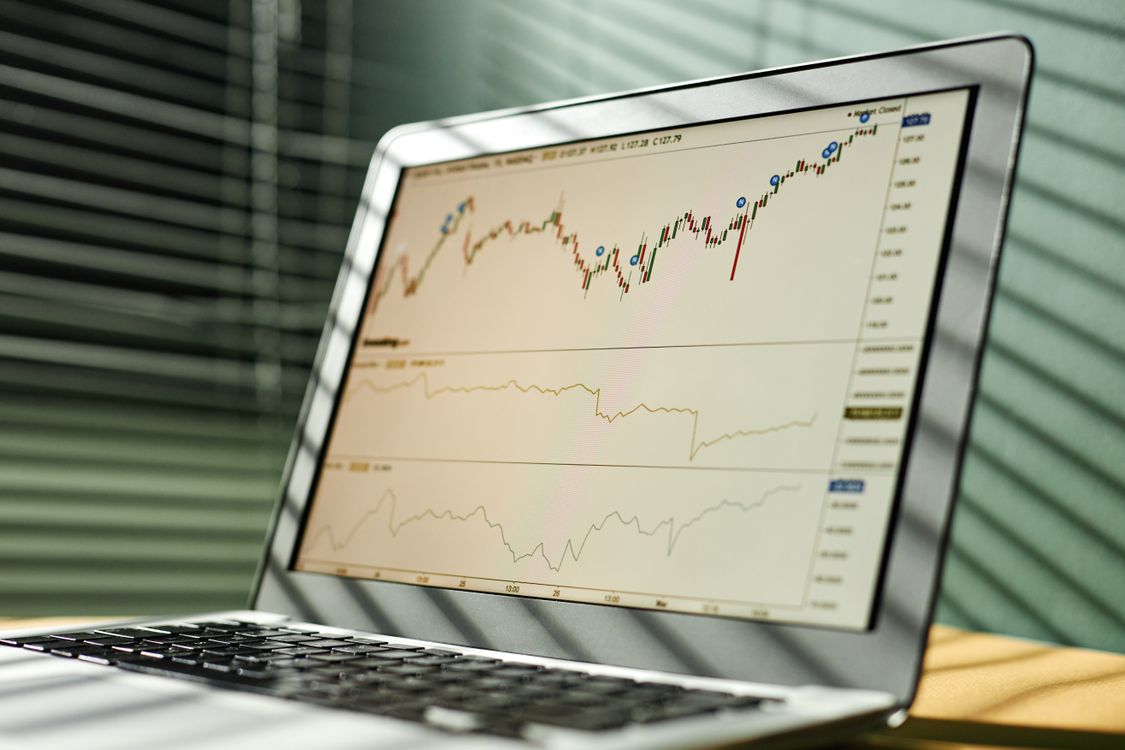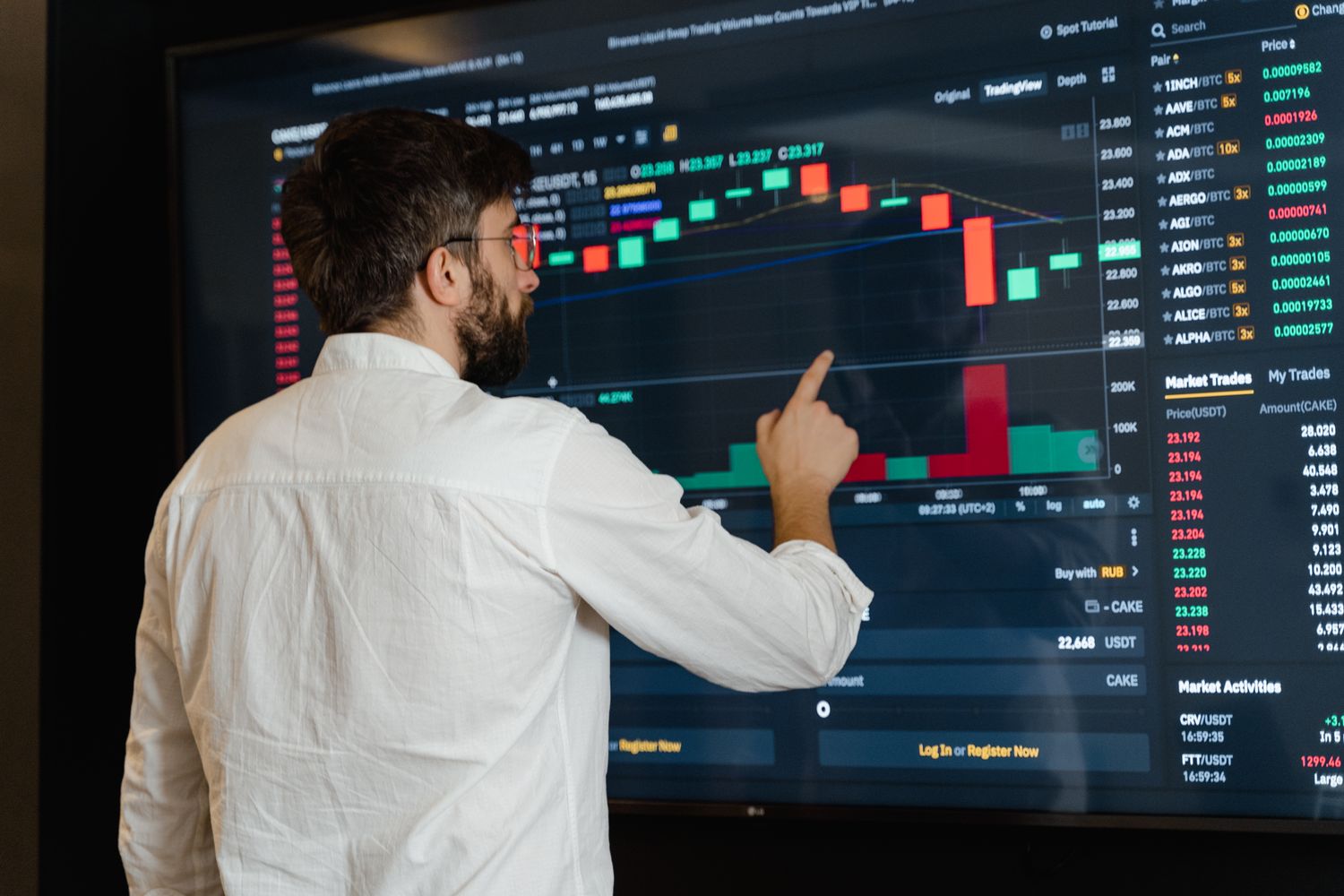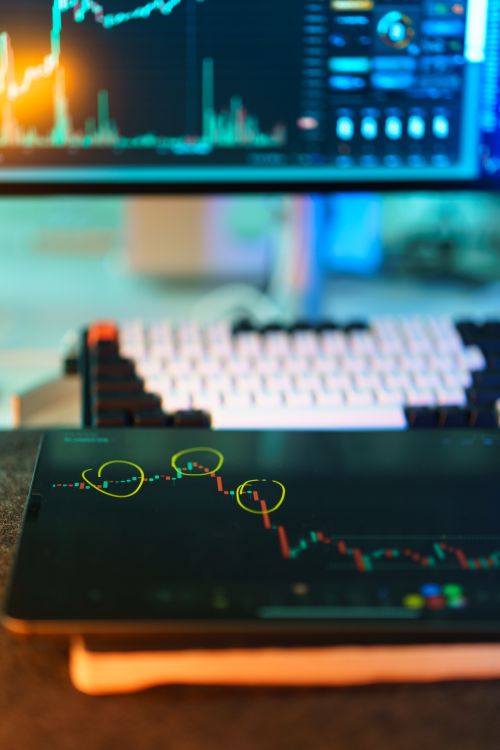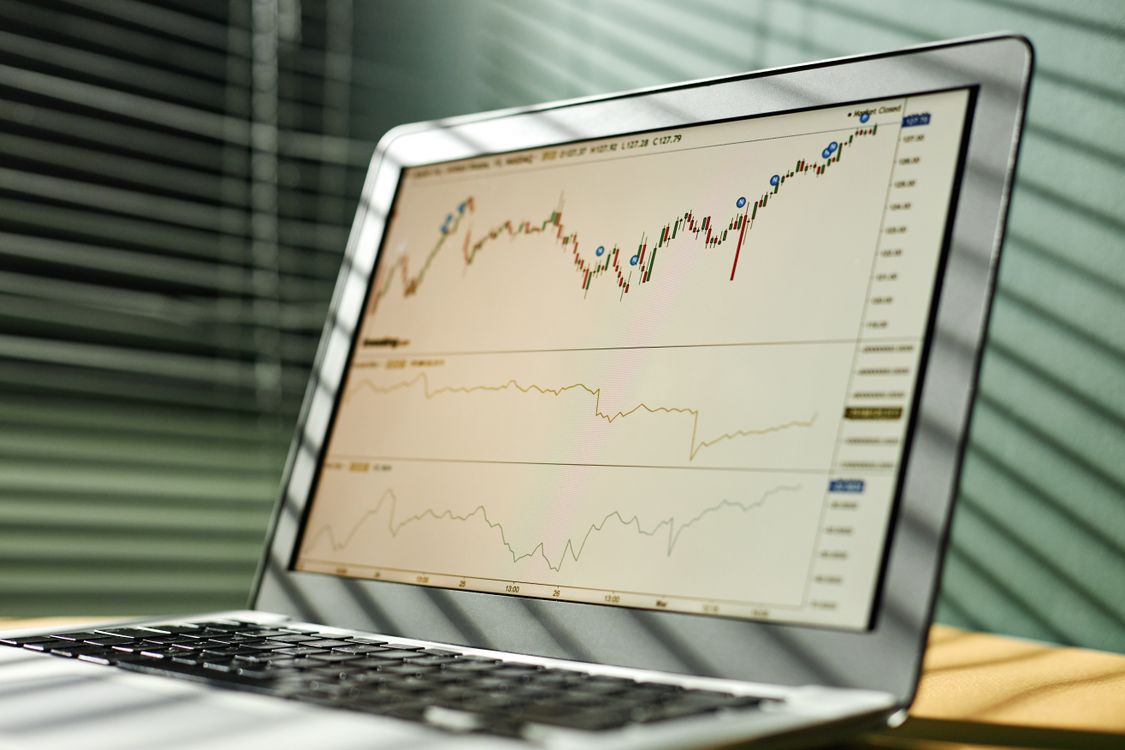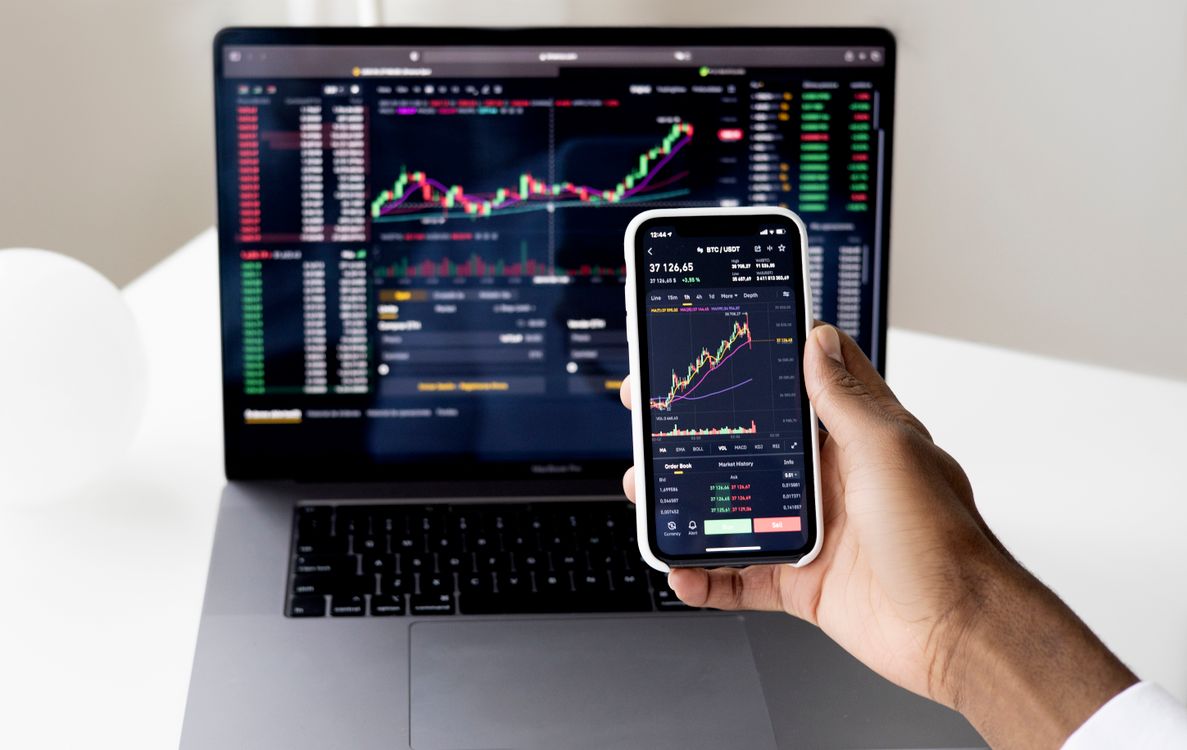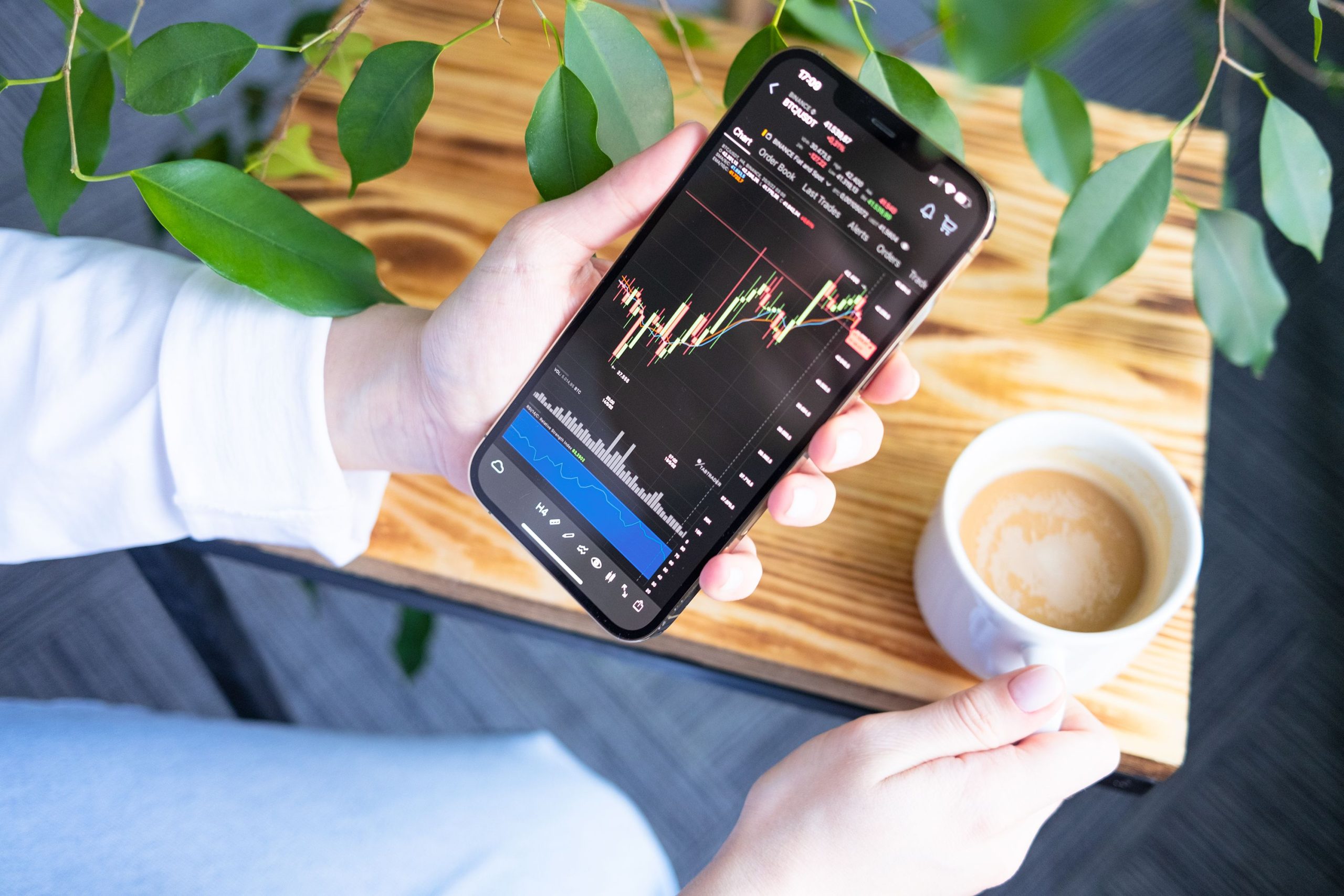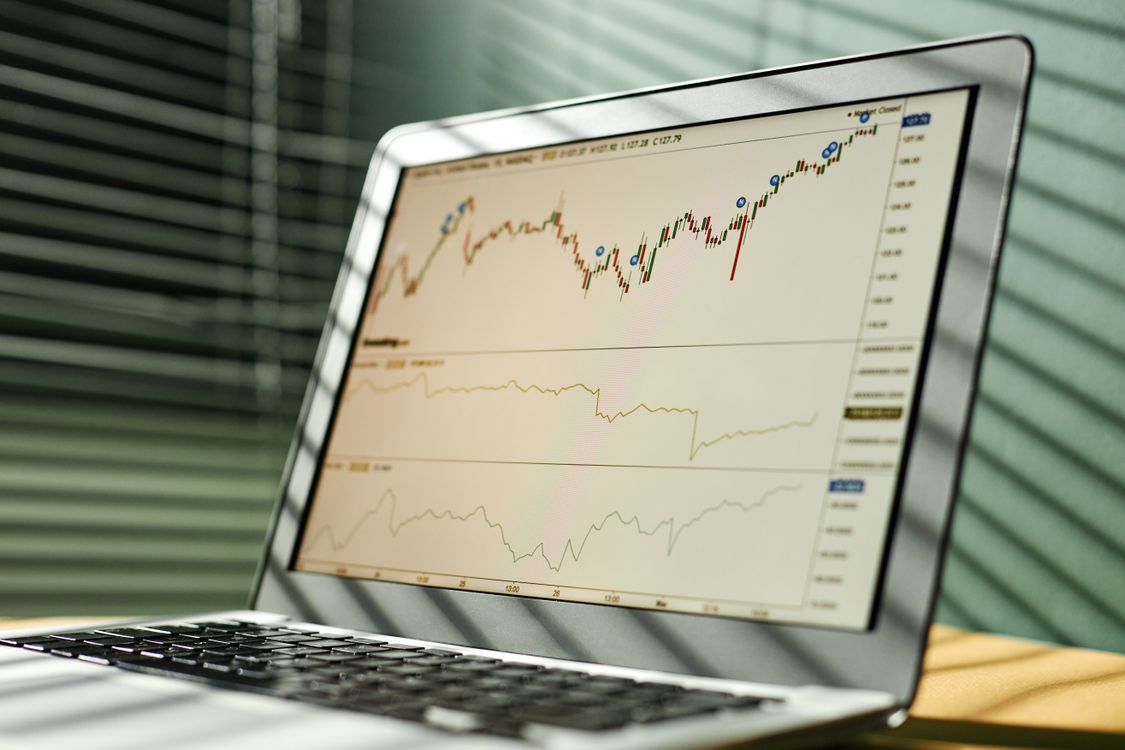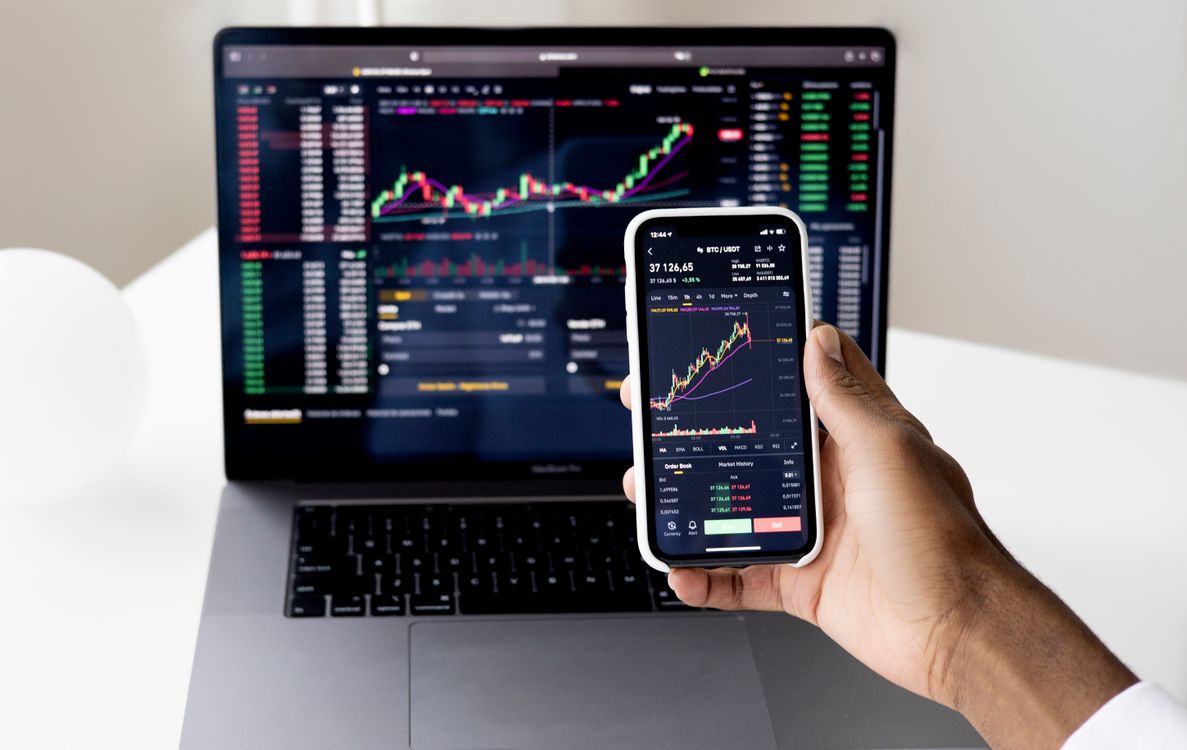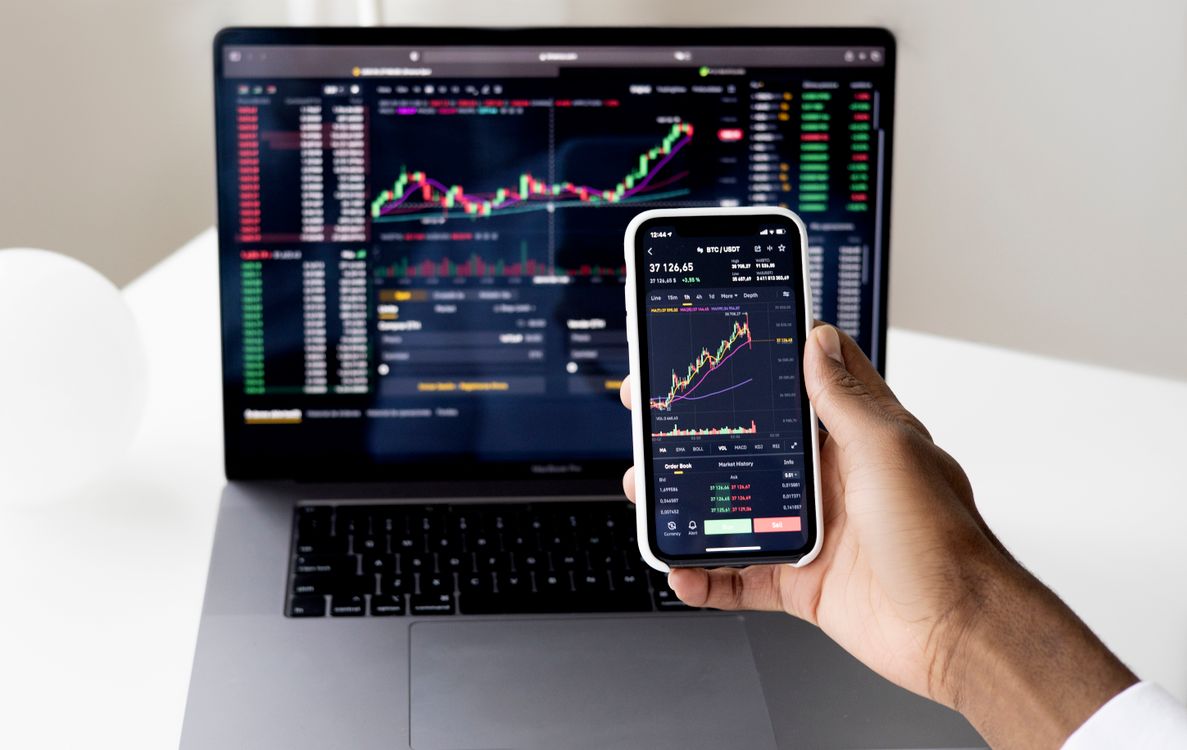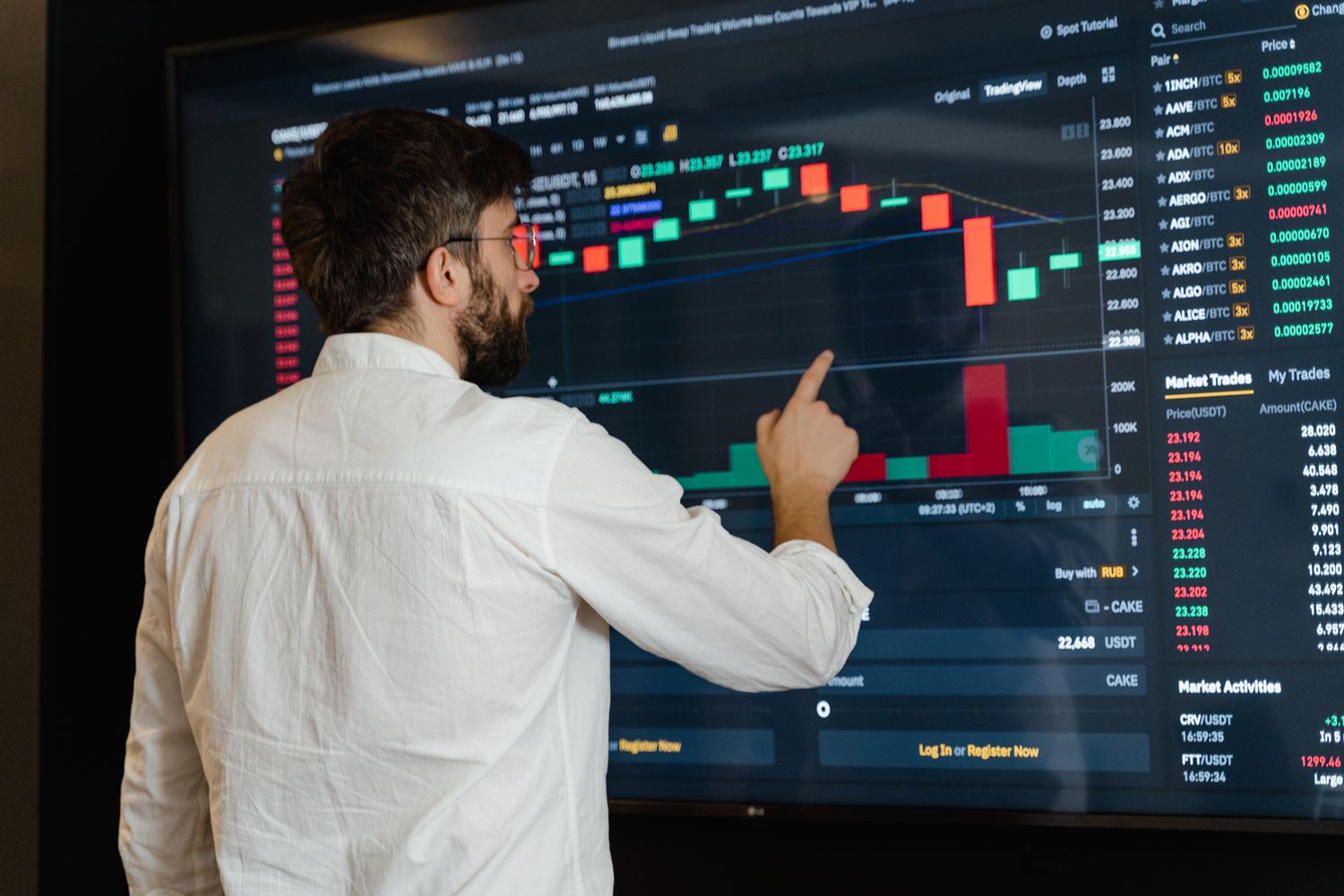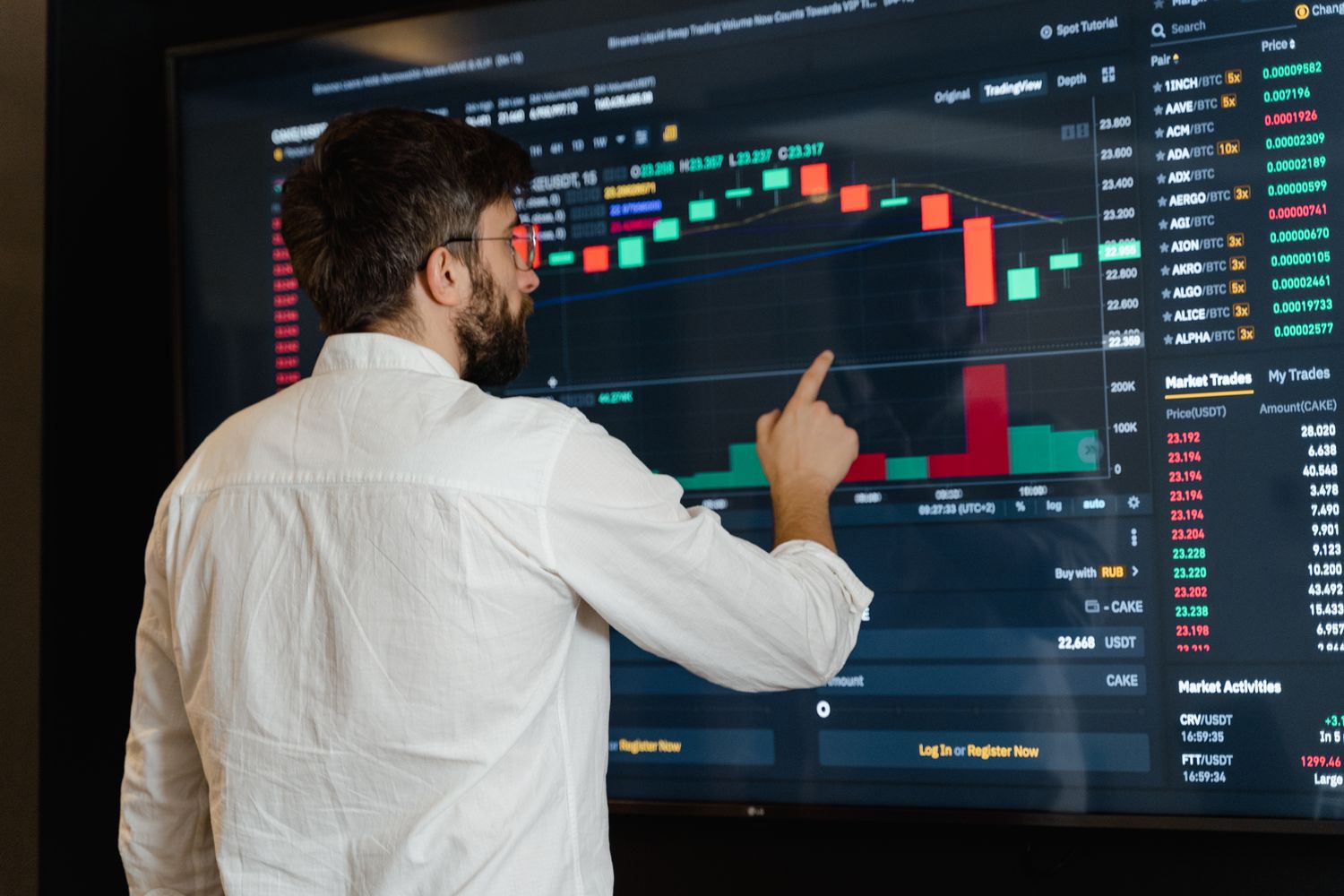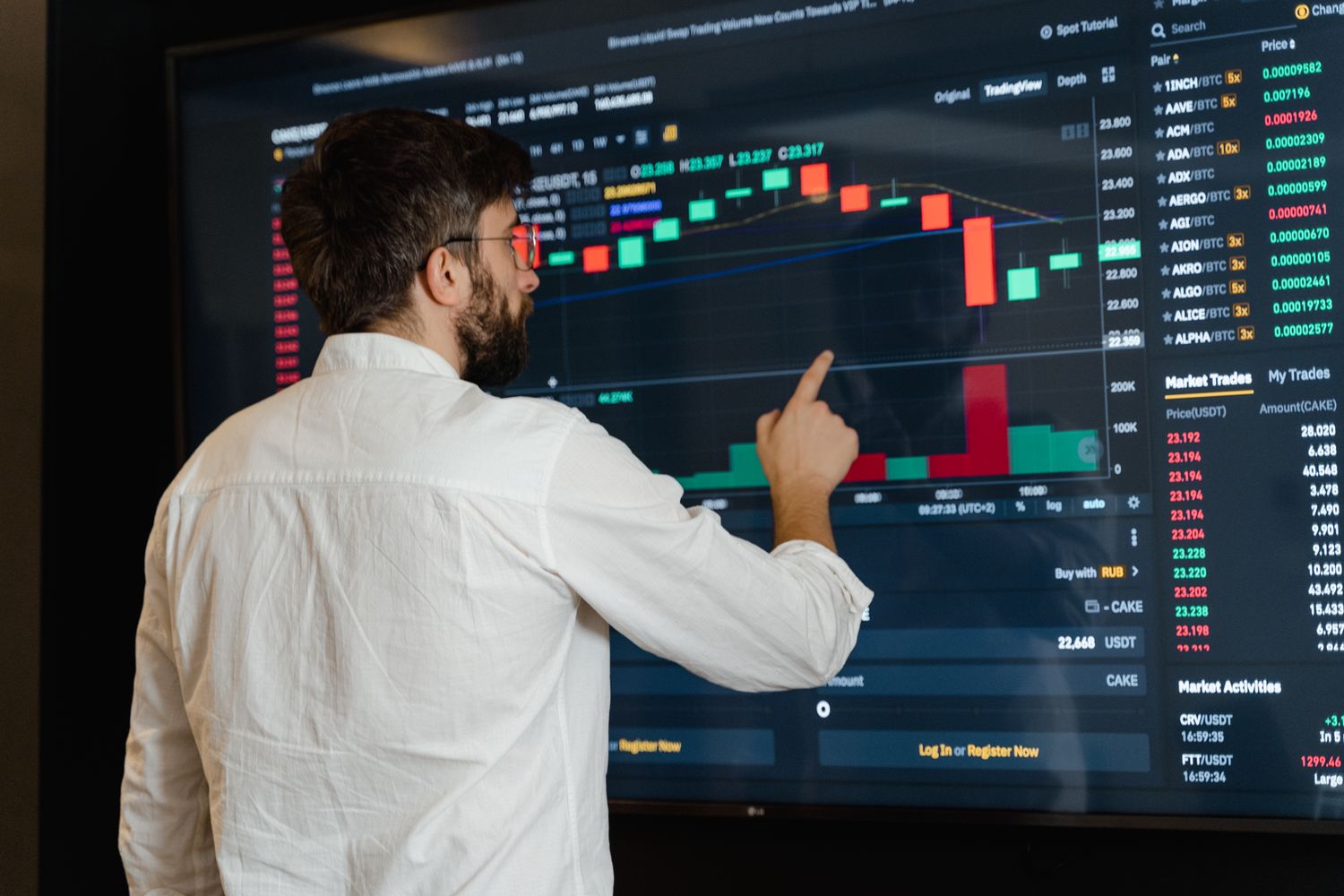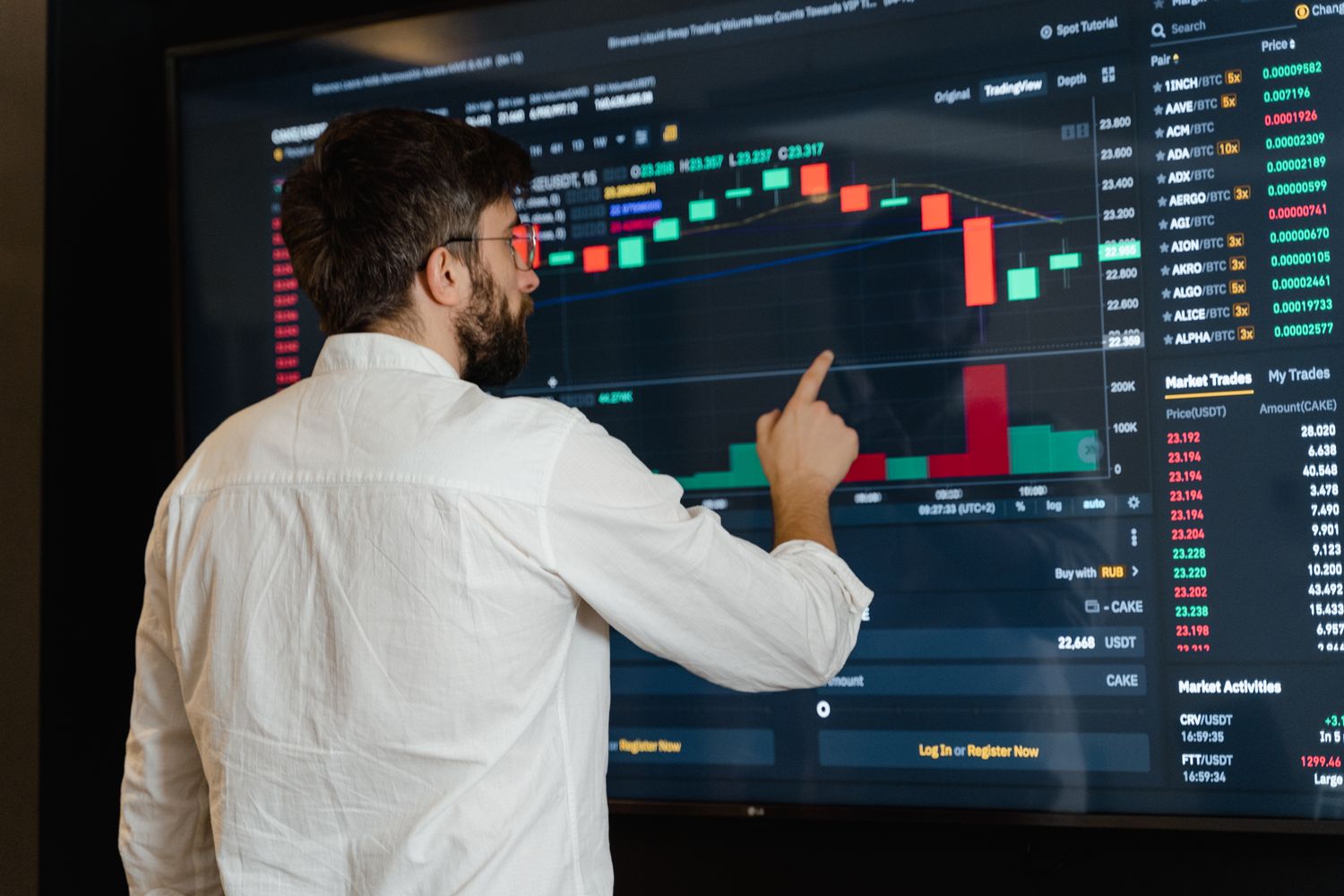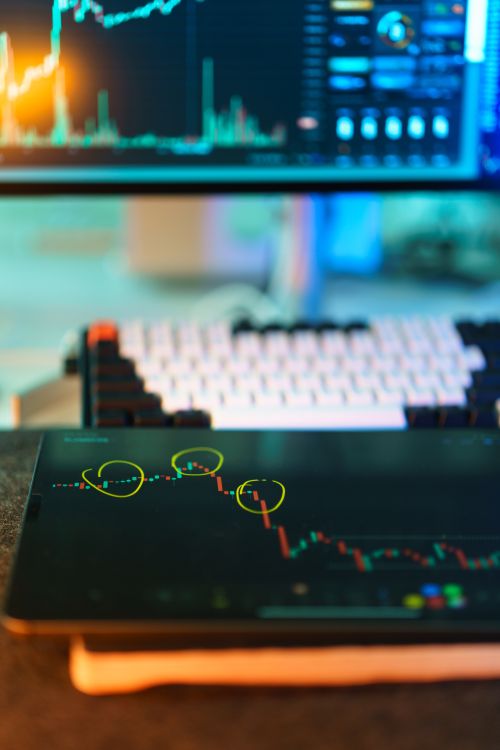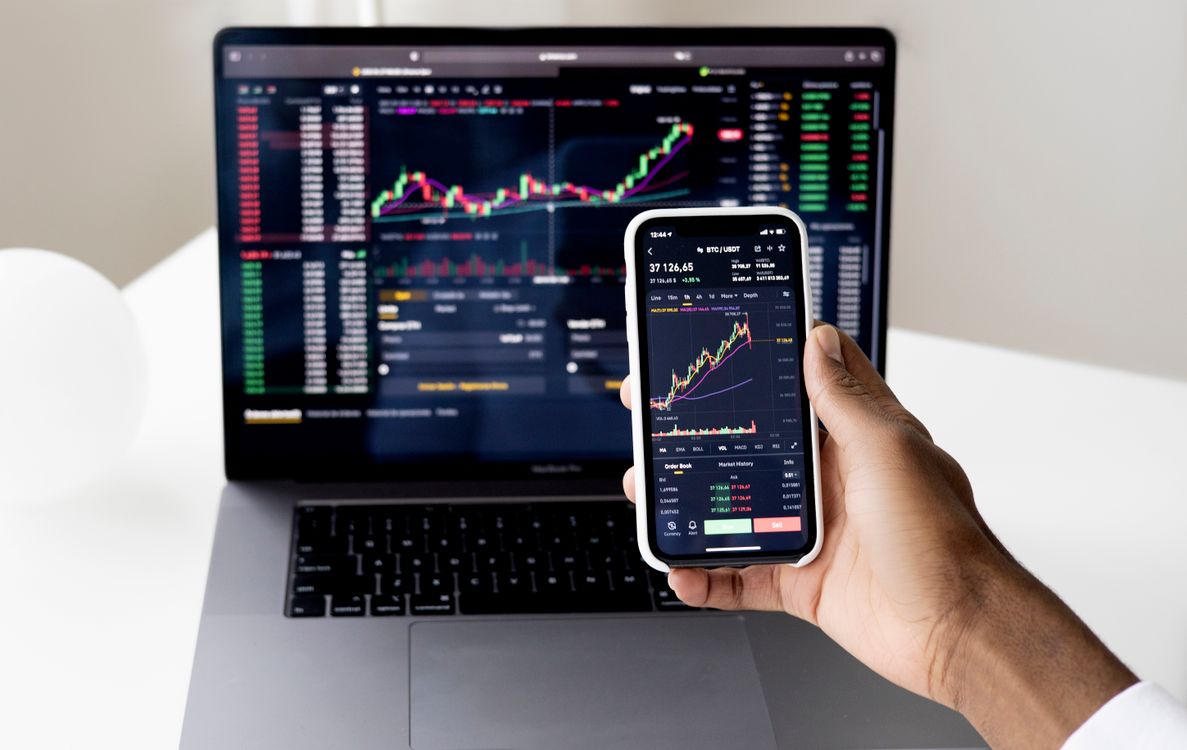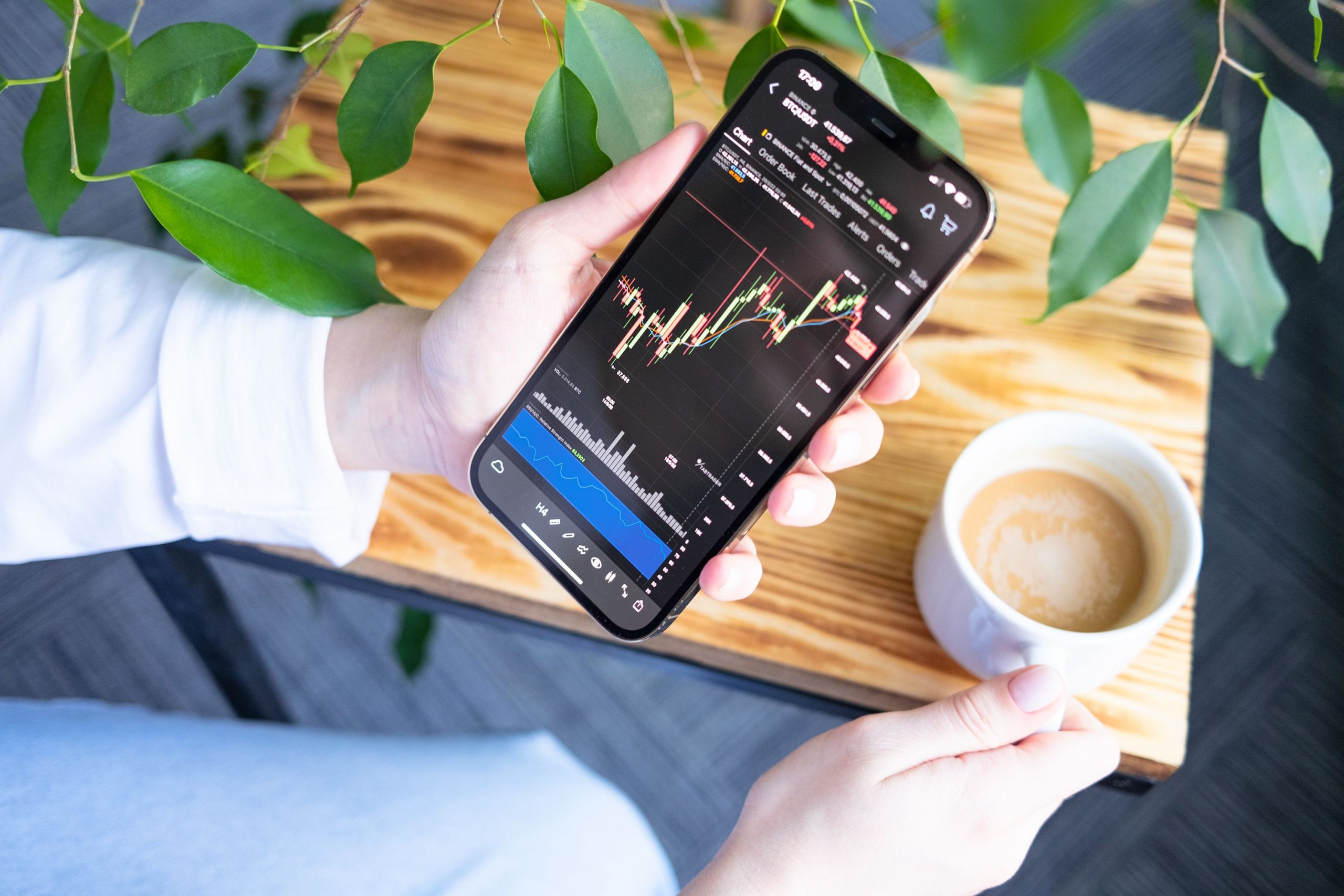
Monday was the kind of day that reminds you how much of the modern stock market is a single bet wearing a diversified costume. The S&P 500 slipped 0.3 percent — a modest decline on its face — but underneath, the damage was concentrated exactly where the market’s faith lives. The semiconductor index plunged 5.1 percent on fears of an AI slowdown. When the chips fall that hard, it is never just about chips.
The immediate trigger was a collision of anxieties. Dario Amodei’s weekend essay warning about runaway AI agents put regulation risk on the table. Rising bond yields — the 10-year Treasury touching 5.0286 percent, its highest since 2007 — raised the discount rate on every future profit the AI trade is built on. And Reuters reported fresh pressure on the hyperscalers themselves: Alphabet, Microsoft, and Nvidia all felt the weight as investors asked, with growing insistence, when the hundreds of billions in AI capital spending turn into actual returns.
That last question is the one that matters, and it is getting harder to wave away. S&P Global has warned that Big Tech’s hyperscaler credit ratings are at risk from surging AI-related debt — and crucially, the agency is counting not just bonds but leases and power-purchase agreements in its adjusted debt calculations. Read that again: the data-center leases and the electricity contracts are now big enough to threaten the credit ratings of the most cash-rich companies on earth. Oracle, which jumped on revenue from its AI-hyperscaler unit, is rated BBB- by S&P — one notch above junk. The market is learning that “AI infrastructure” is, in financial terms, a massive fixed-cost bet.
Stanley Druckenmiller added a sobering macro frame: borrowing costs actually look “a little low” to him, because governments are now competing directly with AI companies for the world’s capital. Think about the strangeness of that sentence. The U.S. Treasury and the AI labs are bidding against each other for lenders’ money. Every data center financed at 5 percent-plus yields is a project that must clear a much higher bar than the same project financed at 3 percent. The AI buildout is not just competing for chips and power — it is competing for capital itself, and capital just got more expensive.
There is also what Axios Markets called the “echo boom” on Wall Street: a wave of new debt issuance from Alphabet, Nvidia, and even SpaceX. The banks are feasting on the financing, whatever the long-term outcome. That is worth remembering whenever Wall Street cheers the AI buildout — the underwriters get paid whether the data centers earn out or not. The risk sits with the shareholders and bondholders, not the bankers.
And yet — perspective matters. The Nasdaq is still up 13.3 percent this year. The S&P 500 is up 11.85 percent. Strategist Edward Yardeni puts 80 percent odds on the AI rally running into the early 2030s, with the S&P eventually reaching 10,000. Apple just hit an all-time high, up 20 percent in three months — the best performer among the megacaps. One red Monday does not a bear market make. Markets wobble; that is their job.
I keep thinking about a young investor I know — a man in his early thirties who opened his first brokerage account in 2021 and has known nothing but the AI ascent. His portfolio is, without him quite realizing it, a concentrated bet on a handful of companies building a future nobody can fully price. Monday’s 5.1 percent semiconductor plunge was probably his first real glimpse of what the other side of concentration feels like. It is a useful education, if he lets it be.
But it’s not enough to just watch the AI trade wobble and either panic or shrug. It’s not enough to treat the market’s most important bet as someone else’s problem. We must listen to what the credit markets are telling us about the true cost of the buildout, learn how much of our own savings are riding on a single thesis, and contribute our discipline to the moment — because the investors who survive technological revolutions are rarely the ones who bet the most; they are the ones who sized their bets to survive being wrong.
My take: the AI trade is entering its show-me phase, and that is healthy. Phase one was about possibility — what if this changes everything? Phase two, which Monday’s action suggests has begun, is about proof — show me the returns on invested capital, show me the debt service coverage, show me the power contracts penciled out. Companies that clear that bar will be fine; the market will separate them from those that cannot. For index investors, the practical move is not to abandon the trade but to right-size it: know your actual exposure, rebalance on strength rather than weakness, and keep some dry powder. The revolution may well be real. Revolutions are simply terrible at respecting timetables — or valuations.