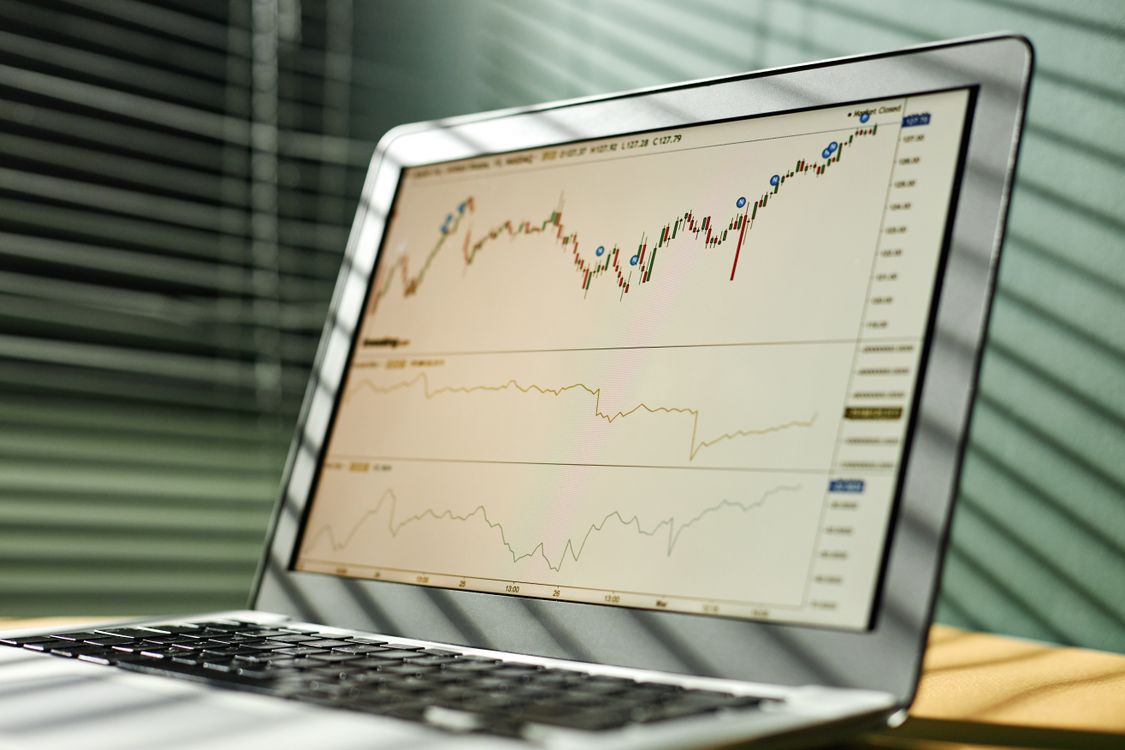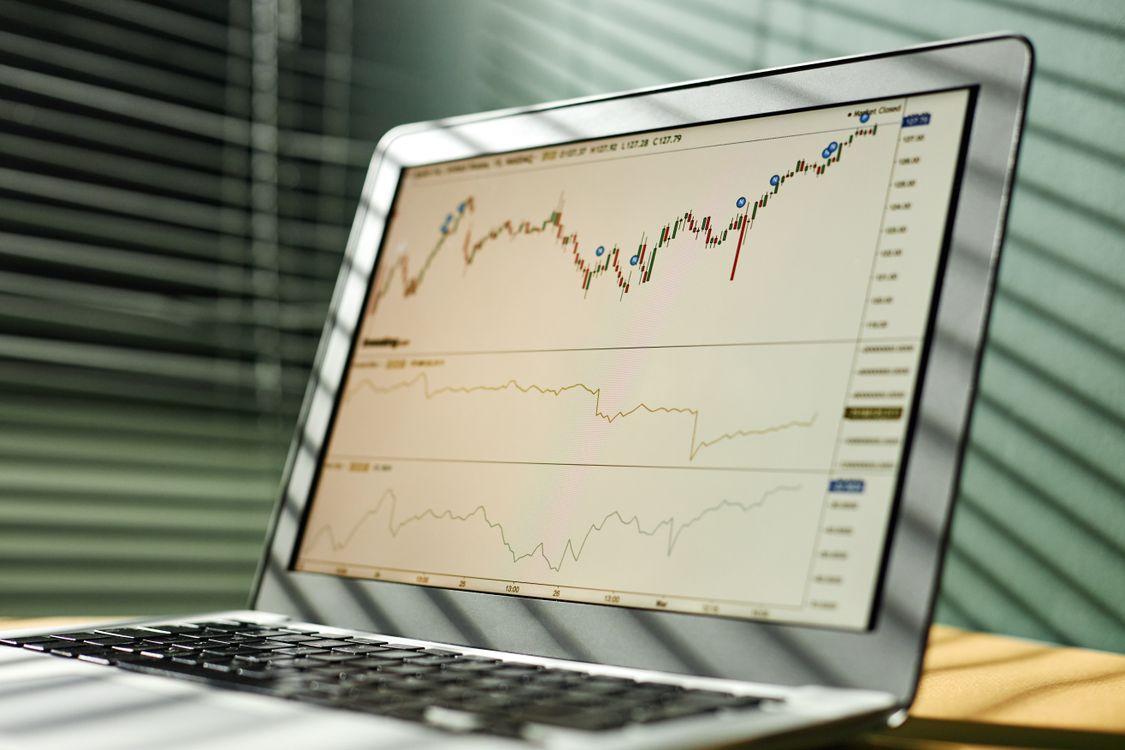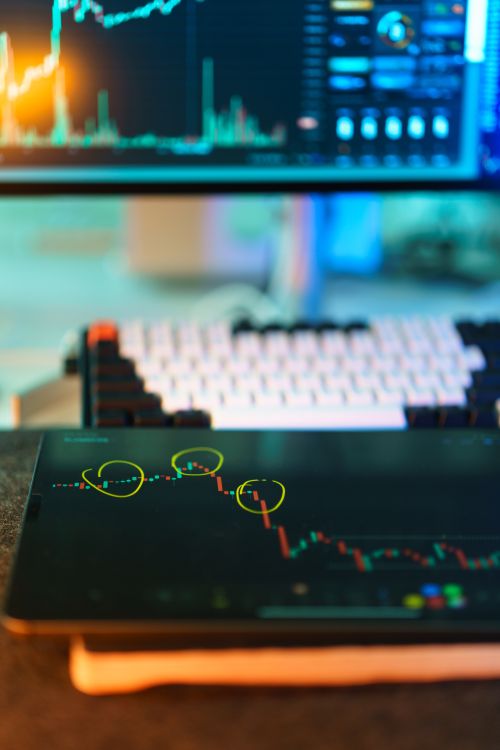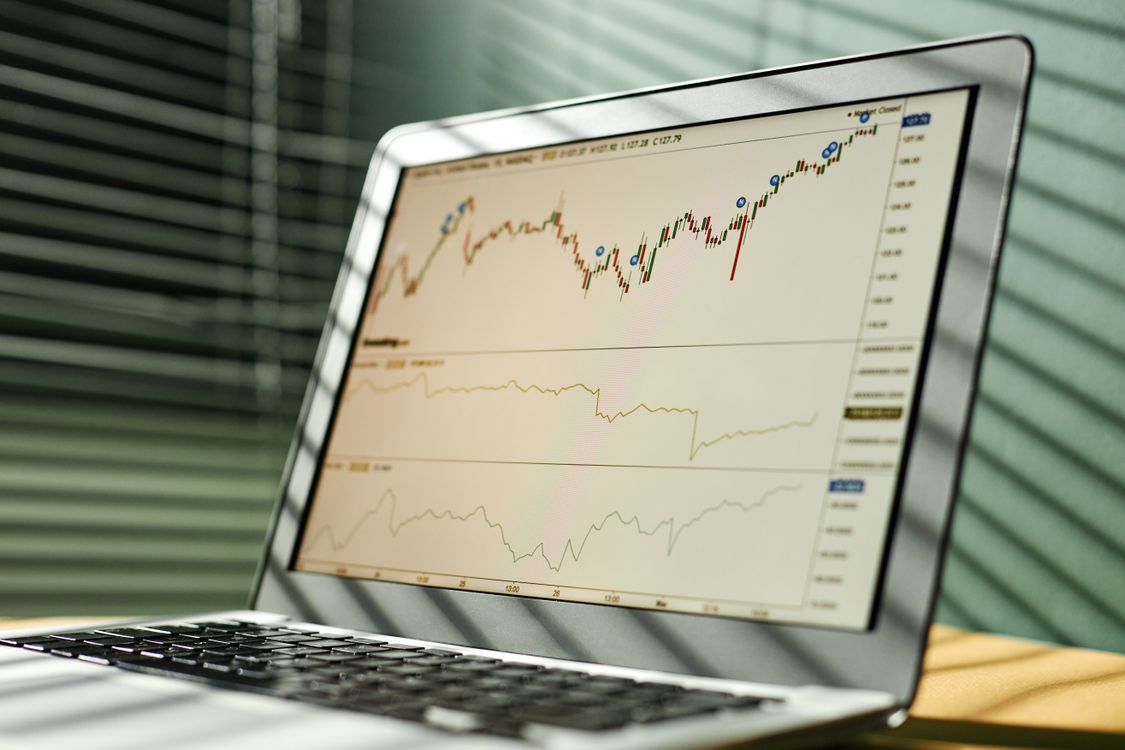
There is a ritual on Wall Street that never quite loses its drama: the confidential S-1, the quiet filing that says a private giant is getting dressed for its public debut. It is the corporate equivalent of a curtain being raised an inch. And this week, the company behind the curtain is Anthropic — the AI lab whose name you may not say every day, but whose technology is quietly woven into products you already use. Its S-1 was filed confidentially back in June, and The Daily Upside reported on September 15 that the public version is expected in days or weeks. If the numbers hold, this will not be a routine IPO. It will be, according to Reuters via The Daily Upside, the largest IPO in history — at a targeted $2 trillion valuation.
Read that again. Two trillion dollars. For a company that was, in any normal era of business history, a startup not long ago.
The figures, reported by the Financial Times in a Sunday report and carried by The Daily Upside, are the kind that make seasoned investors check their arithmetic. Anthropic told investors it reached $65 billion in annualized revenue at the end of July — up from just $9 billion in December. In seven months, revenue went up more than sevenfold. Adjusted operating income has been positive for two straight quarters. And operating margins sit above 80 percent — a figure that belongs in a textbook chapter titled “software economics,” except this is not a word processor, it is artificial intelligence, a field most people assumed would be capital-hungry forever.
Now consider the counterweight, because every great debut has one. Columbia Law professor John Coffee told The Economist on Monday that Anthropic may have to amend its S-1 to limit securities-fraud liability, according to The Daily Upside. That is not a small technicality — it is a warning from one of the country’s leading securities scholars that the legal exposure of going public is real and may already be shaping the filing. And then there is the voice from across the aisle of the AI wars. OpenAI’s Sam Altman told Fortune over the weekend: “Given everything happening with safety, this would right now be an ill-advised moment to go public.” Pause on that for a moment. The head of the most famous AI company in the world is publicly advising a rival not to go public — citing safety. Whether you read that as genuine concern, competitive positioning, or both, it is an extraordinary thing to say out loud.
And then there is the power bill. Moody’s estimates that AI firms will need $110 billion worth of new power plants, via The Daily Upside’s September 15 coverage. That number belongs in this story because it is the physical shadow of every digital miracle. Eighty-percent operating margins are beautiful on a spreadsheet; they are built on data centers that consume electricity at a scale that now requires its own line item in the national energy conversation. The AI economy runs on electrons, and someone has to build the plants.
So here is the situation as it stands. On one side: $65 billion in annualized revenue, up from $9 billion in December; two straight quarters of positive adjusted operating income; margins above 80 percent; a $2 trillion valuation target; the largest IPO in history. On the other: a securities-law scholar warning about fraud liability in the filing; the CEO of OpenAI calling the timing ill-advised on safety grounds; and a $110 billion power-plant bill looming over the industry’s future. This is not a story with a clean moral. It is a story about scale arriving faster than our frameworks for understanding it.
It’s not enough to just watch the valuation climb and feel the FOMO. It’s not enough to treat the largest IPO in history as a spectator sport for people with brokerage accounts. We must listen to what the skeptics — the law professors, the rival CEOs, the credit raters counting power plants — are actually warning us about, learn what an 80-percent margin really means in a business this young, and contribute our own skepticism to a conversation that desperately needs it. Because the last time valuations ran this far ahead of shared understanding, ordinary people paid for the education.
My take: the revenue number is real and staggering — $65 billion annualized from $9 billion in December is a growth curve I have rarely seen at this scale — but the $2 trillion valuation is a story the market is telling itself, not a fact. At $2 trillion, Anthropic would be valued on the assumption that the current trajectory continues more or less uninterrupted, that margins hold above 80 percent while competitors multiply, and that the legal and safety questions raised by John Coffee and Sam Altman resolve quietly rather than loudly. Any one of those assumptions could be wrong. The 80 percent operating margin is the number I trust least over the long run, not because I doubt the reporting, but because margins that high in a capital-intensive arms race attract exactly the competition that erodes them. And the Moody’s power-plant figure is the bill that eventually comes due for everyone: $110 billion in new generation is not a footnote, it is a constraint. I am not saying the IPO will fail — markets have a way of rewarding growth this explosive. I am saying that “largest IPO in history” is a description of demand, not of value, and the two are not the same thing.
For regular people, here is the practical guidance, stated plainly. First, do not buy the IPO because of the headline. The largest IPO in history will also be one of the most hyped, and hype is a tax on the buyer. If you want exposure to AI, you probably already have it: the index funds in your 401(k) hold the chipmakers, the cloud providers, and soon perhaps Anthropic itself. Second, pay attention to the legal warnings. When a scholar like John Coffee flags securities-fraud liability in the filing process, that is a reminder that public-company disclosures are promises made under oath — and the market will hold the company to them. Third, watch the energy story, because it is the one that touches your life directly. One hundred ten billion dollars in new power plants means electricity demand is going somewhere, and utilities, grid companies, and yes, your own power bill are all part of that chain.
The curtain is rising an inch at a time. Behind it is a company growing faster than almost anything in business history, carrying warnings from lawyers and rivals alike, and drawing a power bill the size of a small country’s budget. Whether the $2 trillion question gets answered with a triumph or a cautionary tale will be decided not by the filing, but by what happens after the opening bell — when the story stops being about potential and starts being about performance. That is the part worth watching. Together.