
Ask people what pushed them into debt, and you might expect to hear about medical bills, job losses, or emergencies. Those all matter. But according to new research, the single most commonly cited trigger is something quieter, something that arrives without drama in an envelope or an app notification: the interest rate on your credit card going up.
An analysis released September 17 by Ascend Finance, covering 180,789 questionnaire respondents, found that credit card interest-rate increases were the largest individual debt trigger cited, named by 44,098 respondents, or 24.4% of the total. (EIN Presswire) Nearly one in four people who found themselves in debt trouble pointed to the same cause: not new spending, not a crisis, but the rising cost of the debt they already had.
Sit with that, because it reframes the entire conversation about debt. We tend to moralize borrowing: people got into trouble because they bought things they could not afford. Sometimes that is true. But for a quarter of struggling borrowers, the story is different. They bought things they could afford at one price of money, and then the price of money changed underneath them. The treadmill sped up while they were running on it.
This is not an accident of the market. It is mechanics. Most credit cards carry variable interest rates tied to the prime rate, which moves with the Federal Reserve’s benchmark. When the Fed raised rates to 3.75% to 4.00% last week, its first hike since 2023, and when markets began pricing another hike in December that could take rates to 4.25%, every one of those moves had a destination: your credit card statement. (Dow Jones) Card issuers typically adjust APRs within a billing cycle or two of a Fed move. There is no negotiation. There is no warning that matters. The rate goes up because the contract says it can.
Here is what that looks like in human terms. Take a family carrying a $6,000 balance, which is not unusual. At 20% APR, the monthly interest alone is about $100. At 24%, it is $120. That extra $20 a month does not sound catastrophic until you understand the trap: minimum payments are calculated to barely cover interest plus a sliver of principal. When the rate rises, a larger share of each payment goes to interest and a smaller share reduces the balance. The payoff date recedes. The total cost climbs. And the borrower, who changed nothing about their behavior, finds themselves deeper in debt for the crime of standing still.
This is why rate increases are such a potent debt trigger. A job loss is visible; you know it happened and you respond. A rate increase is invisible; it works in the background, month after month, quietly extending your sentence. By the time you notice, the damage is compounded.
So what can you actually do about it? More than you might think, but the window is now, before the December decision the market is expecting.
First, know your rate. Most people cannot state their credit card APR from memory. Log in today and look. If it is above 22%, you are in the danger zone where minimum payments are mostly interest. Knowing the number is the beginning of every strategy that follows.
Second, call your issuer and ask for a lower rate. This sounds naive, and most people never try it, but issuers do grant reductions, particularly to customers with good payment histories who mention competing offers. The worst outcome is a polite no. The best outcome is several percentage points off your APR, which on a large balance is worth hundreds of dollars a year. It costs one phone call.
Third, consider a balance transfer. Cards offering 0% introductory APR on transferred balances, typically for 12 to 21 months, let you freeze the interest clock while you attack the principal. There is usually a transfer fee of 3% to 5%, so do the math, but for someone paying 24% APR, the fee pays for itself in weeks. The critical discipline: do not use the old card to run up new debt while the transfer is in play. That turns a rescue into a deeper hole.
Fourth, attack the highest-rate balance first. Every dollar you send to a 26% card instead of a 18% card earns you an 8% spread, guaranteed, tax-free, with zero market risk. In a world where the 10-year Treasury pays under 5%, paying down high-rate debt is the best investment available to most households. It is not exciting. It is arithmetic, and arithmetic does not care about your feelings.
Fifth, and this is the one people resist: stop adding to the balance while rates are rising. A rising-rate environment punishes every new dollar of revolving debt twice, once when you borrow it and again when the rate climbs. If a purchase cannot be paid off within the billing cycle, seriously consider whether it can wait until rates stabilize.
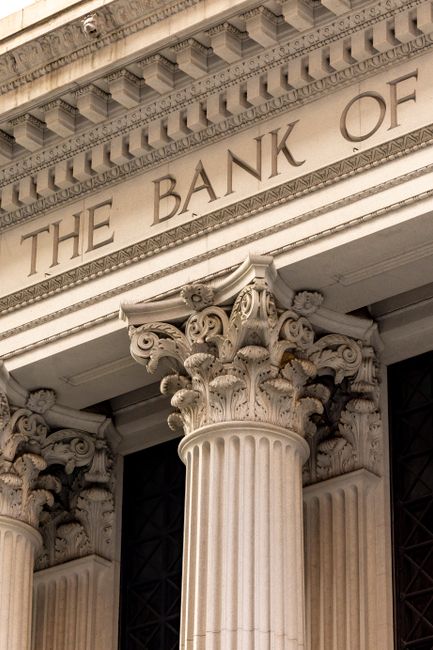
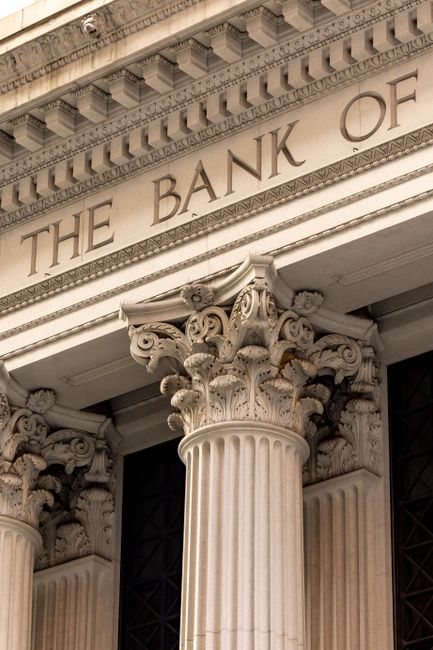
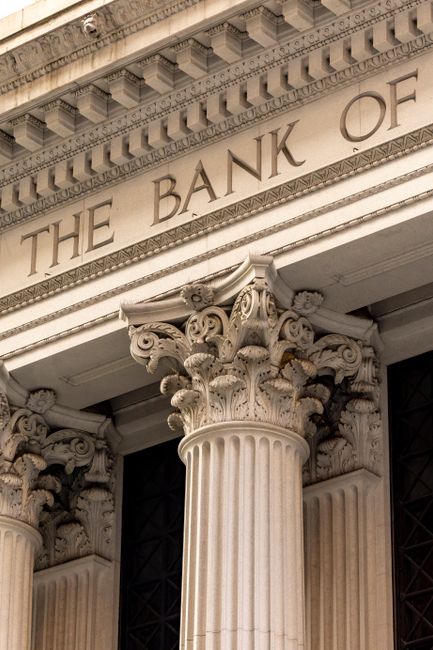
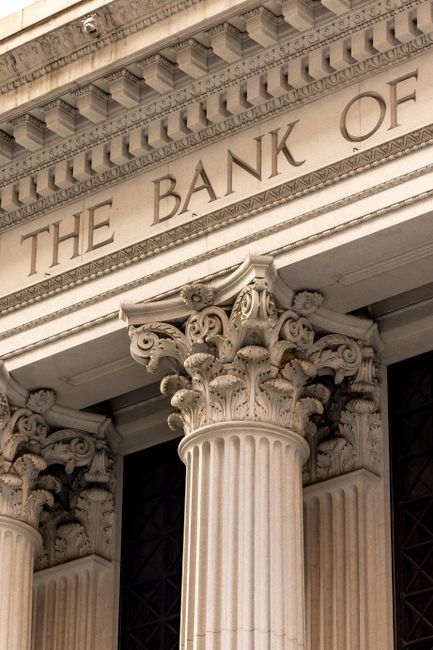
There is one more thing about debt that most people do not know until it happens to them, and it is worth understanding before you need it. If you bank where you borrow, your bank has a power called the right of offset. In plain language: if you fall delinquent on a loan at the same bank where you keep your deposits, the bank can move money from your checking or savings account to cover the delinquent loan, without taking you to court first. This is established in federal banking guidance from the Office of the Comptroller of the Currency. But, and this is important, federal Regulation Z prohibits banks from using offset against credit card debt. So the bank can reach your savings for a delinquent auto loan or personal loan at that bank, but not for your credit card balance. Credit unions, notably, get an even stronger version of this power under federal credit union rules. (CandidYak)
Why does this matter? Because it affects where you keep your money. If you are struggling with a car loan at Bank X, keeping your emergency fund at Bank X means the bank can help itself to it. Keeping your savings at a different institution is a simple, legal firewall. This is not advice to evade legitimate debts. It is advice to understand the rules of the game you are already playing, because the bank certainly understands them.
The Ascend Finance finding is ultimately a story about power: who sets the price of money, and who pays it. The Federal Reserve sets the benchmark. The card issuers pass it through. And nearly a quarter of distressed borrowers are living proof that the pass-through is the mechanism by which monetary policy becomes personal suffering. You cannot control the Fed’s December decision. But you can control your APR, your balances, and where you keep your savings. In a rising-rate world, those are the levers that belong to you. Pull them.