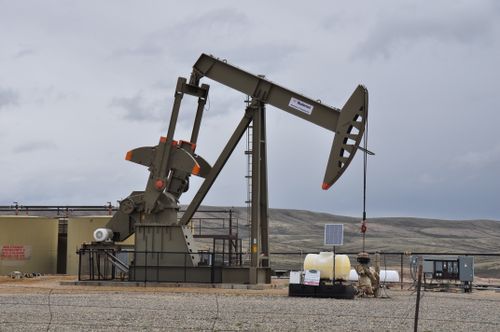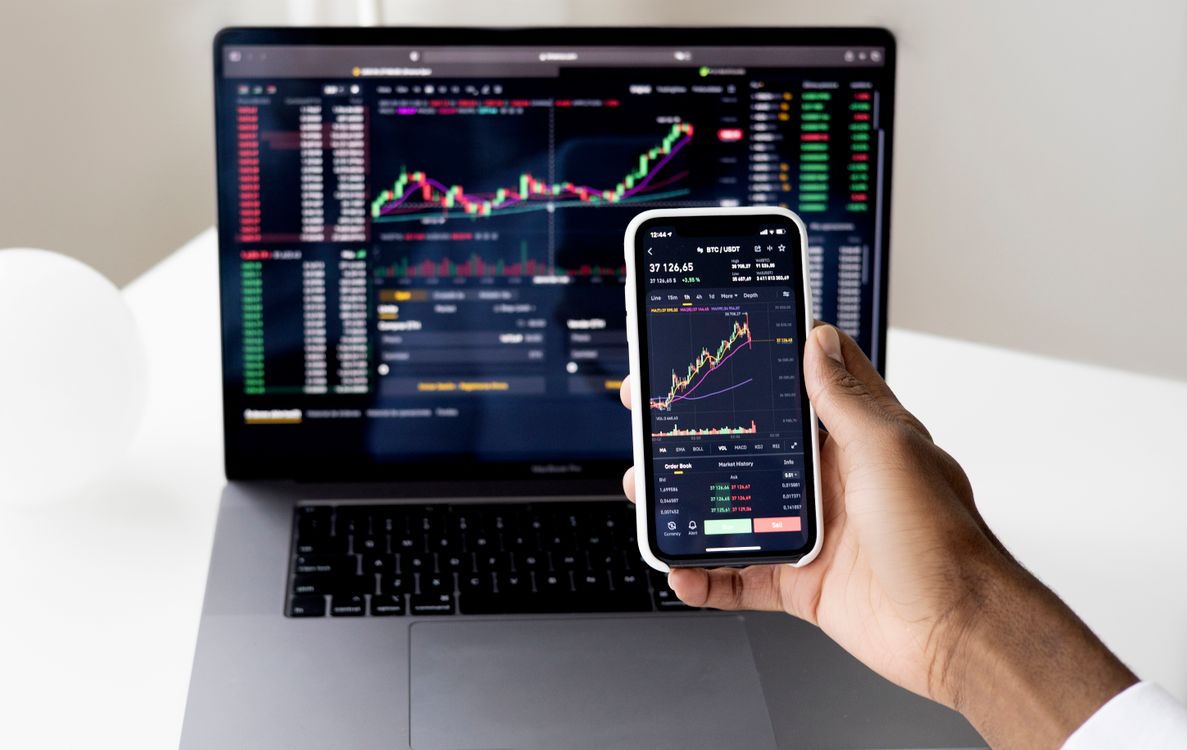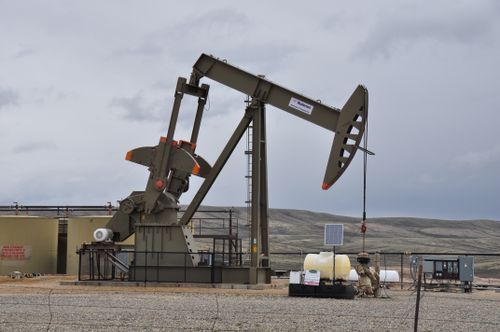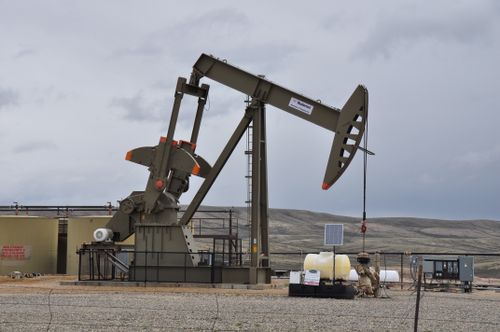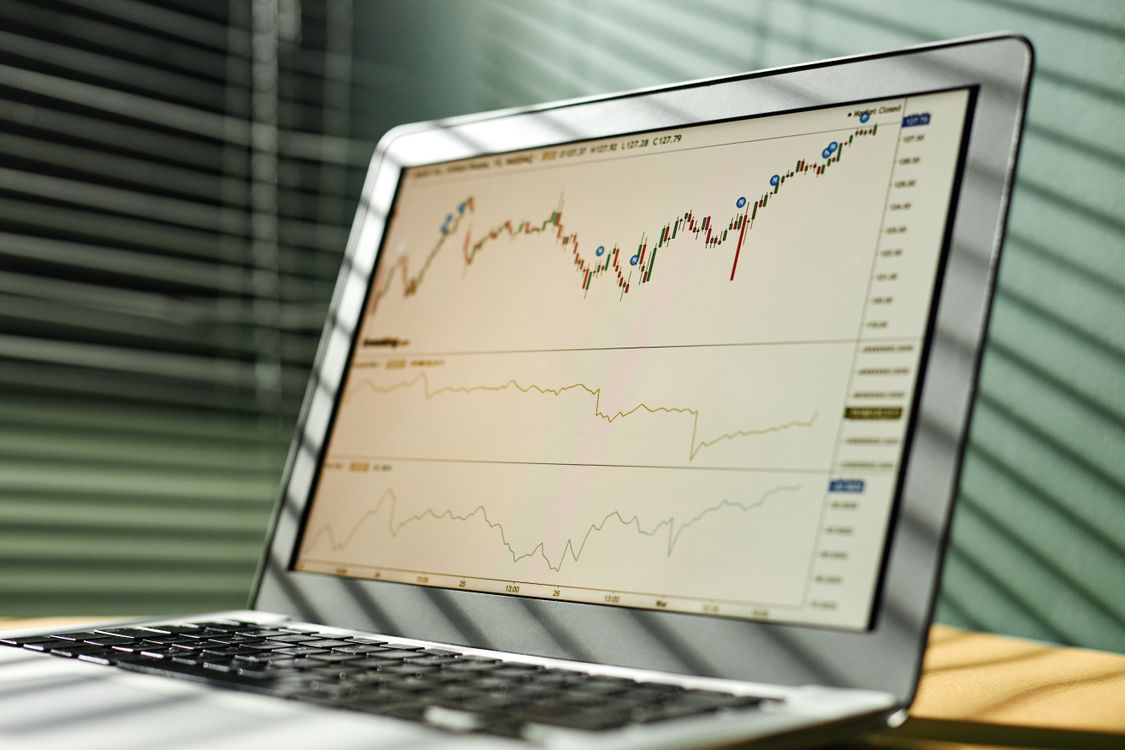
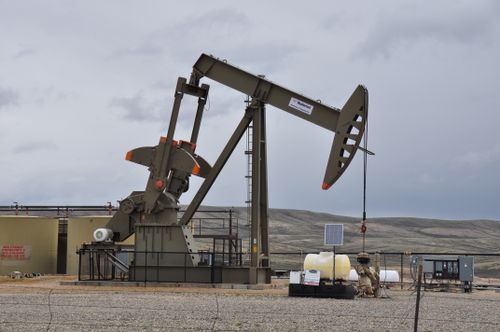
On Thursday, West Texas Intermediate crude surged nearly 5% in a single session to around $96.70 a barrel, according to live market coverage from Investor’s Business Daily. If you do not trade oil futures, that might sound like someone else’s problem. It is not. Here is the plain-language journey an oil spike takes from a trading screen in New York to the price tag on your milk.
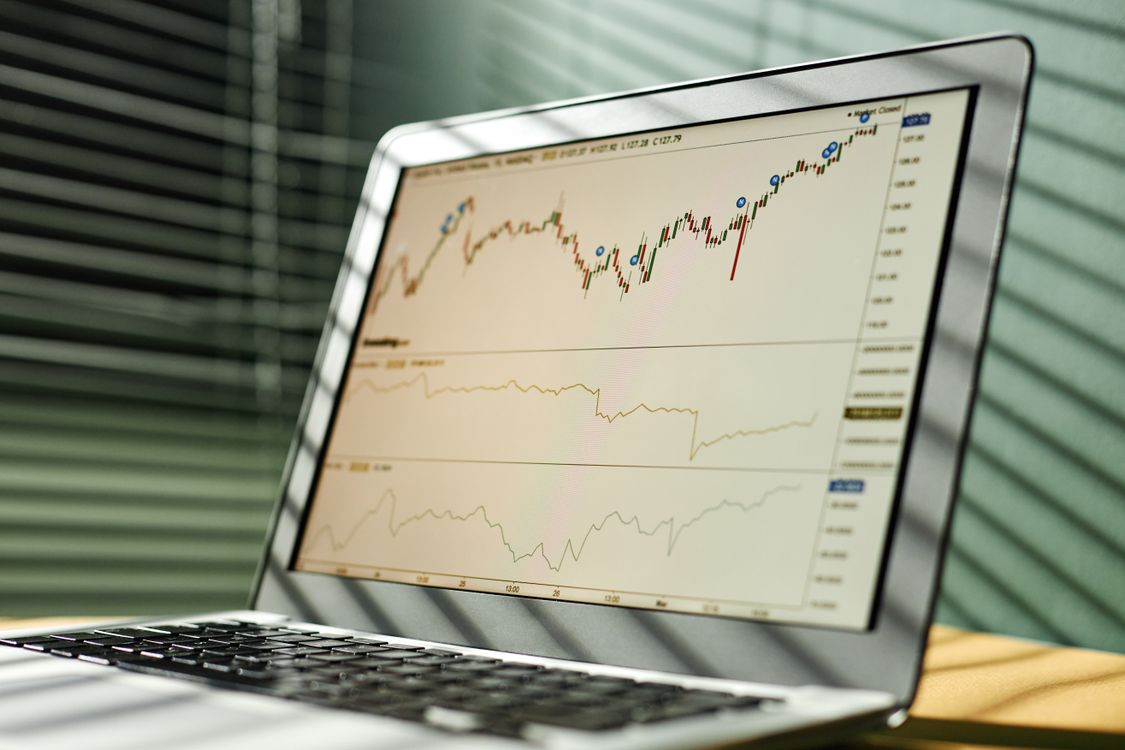
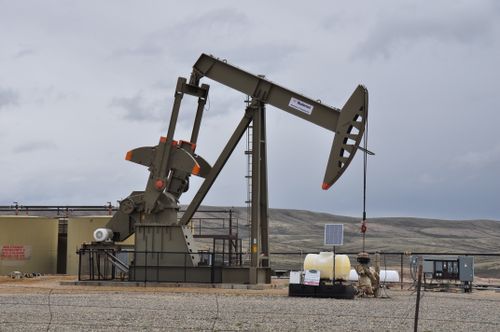
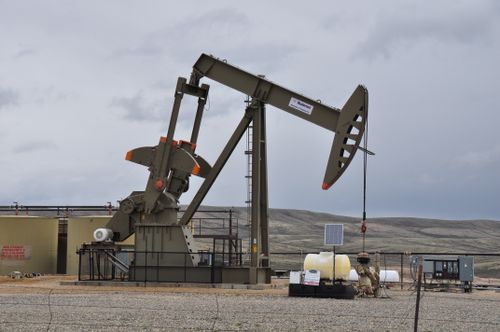
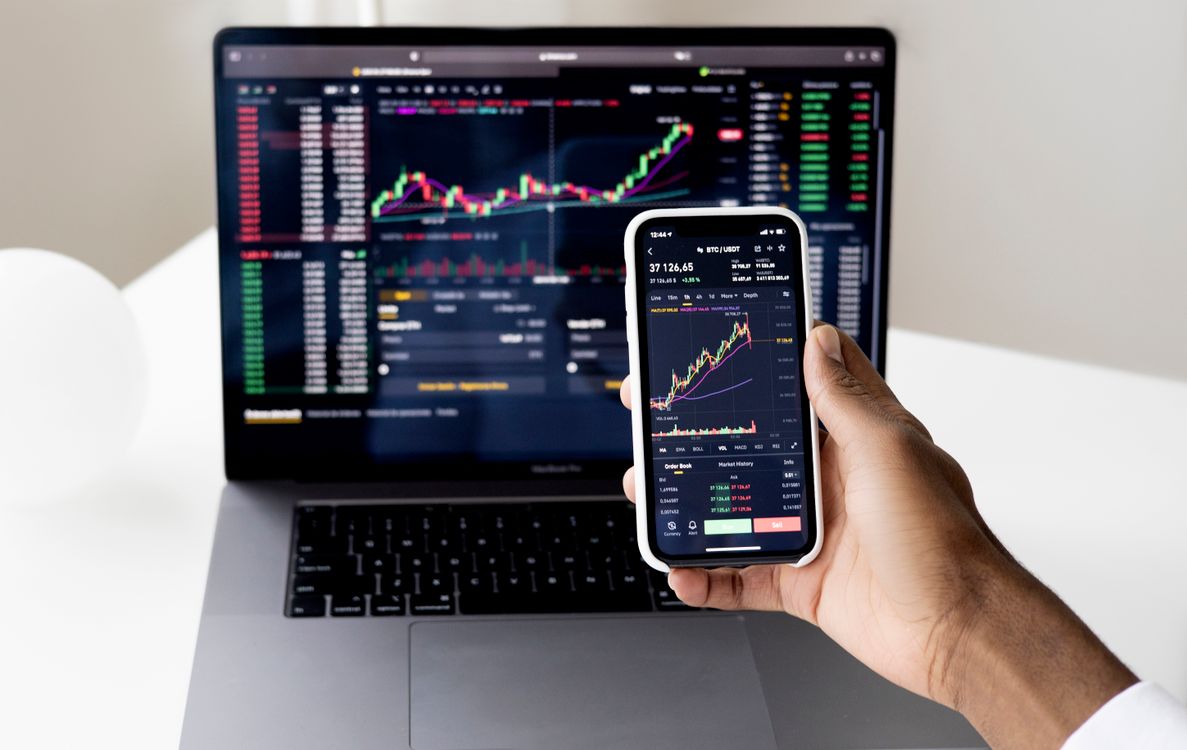
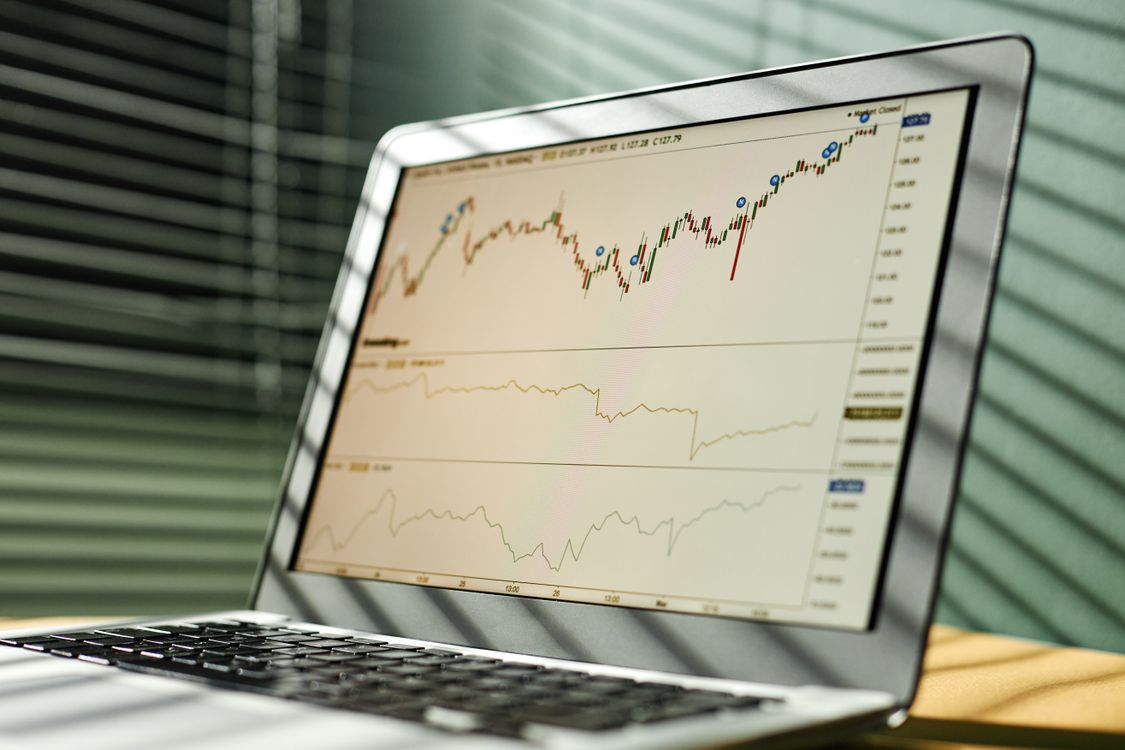
Step one: the futures market moves first. When traders hear about tensions in the Middle East or signs of tightening supply, they buy oil futures contracts, which are simply agreements to buy or sell oil at a set price on a future date. That buying pushes the benchmark price higher within minutes. WTI is the U.S. benchmark, and its price is the starting number for almost everything that follows. Nobody filled up their tank differently on Thursday morning, but the price of every future gallon had already changed.
Step two: refineries feel the squeeze. Refineries buy crude and sell gasoline, diesel, and jet fuel. Their profit is the “crack spread,” the difference between what they pay for crude and what they get for refined products. When crude jumps 5% overnight but pump prices have not caught up yet, refiners’ margins compress. They respond by raising the wholesale prices they charge fuel distributors. This pass-through is fast: wholesale fuel prices typically move within days of a crude spike, sometimes within hours.
Step three: the pump and the freight truck. Gas stations adjust their prices based on what the next delivery will cost them, not the last one, which is why you sometimes see prices jump before any new fuel arrives. Diesel moves even faster into the real economy than gasoline. Nearly everything you buy rode on a diesel-powered truck at some point. When diesel costs more, trucking companies add fuel surcharges, and those surcharges get baked into the price of food, clothing, and household goods within weeks.
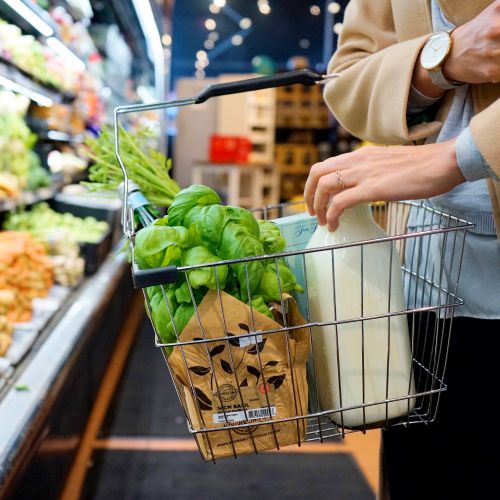
Step four: your grocery bill. Food is the cruelest link in this chain. It takes fuel to plant, harvest, process, refrigerate, and deliver food, so energy costs touch groceries at every stage. Restaurants feel it twice: once through the food they buy and once through the energy that runs their kitchens. It is no coincidence that on the same day oil spiked, Darden Restaurants told investors its food and labor costs were climbing. A family that budgets carefully feels an oil spike as a slow leak: a few cents here, a surcharge there, until the monthly total is noticeably higher.
Step five: the Federal Reserve notices. This is where it gets personal for anyone with a loan. The Fed watches energy-driven inflation closely because it can become “sticky,” meaning it spreads from gas stations into wages and other prices. On Thursday, Philadelphia Fed President Anna Paulson explicitly cited “shocks from tariffs and the conflict in the Middle East” as forces keeping inflation elevated, in remarks covered by Investor’s Business Daily. When inflation stays high, the Fed keeps interest rates high, or raises them further. That is why oil spikes and mortgage rates often rise together: the same inflation fear drives both.
What this means for your household budget. A one-day 5% jump does not rewrite your budget by itself, but it is a warning light. The practical moves are boring but effective. Fill up before prices fully pass through, since retail gasoline lags crude by days. If you drive for work, track mileage now so fuel surcharges or reimbursements reflect reality. Expect grocery prices to drift upward over the next month, not tomorrow, so this is a good week to stock the pantry with staples rather than a bad one. And if you were considering locking in a loan or refinancing, understand that oil-fueled inflation is exactly the kind of pressure that keeps the Fed hawkish, which keeps borrowing costs elevated.
The deeper lesson is that oil is the one commodity that touches every other price. A stock can fall 5% and your life does not change. Oil falls or rises 5% and, within weeks, almost every price you pay feels it. That is why traders, central bankers, and careful households all watch the same number.