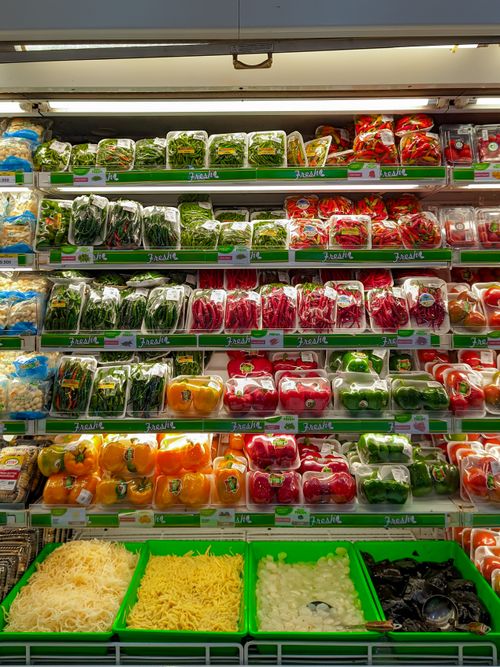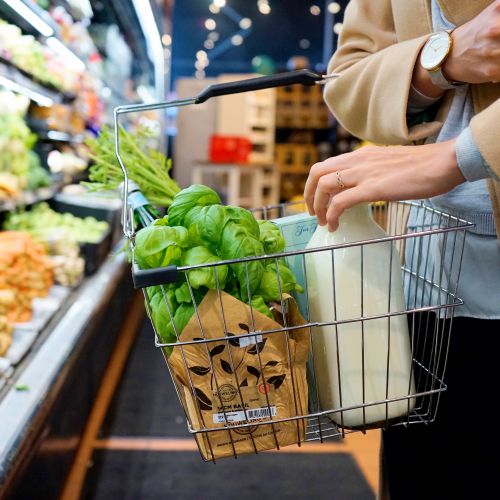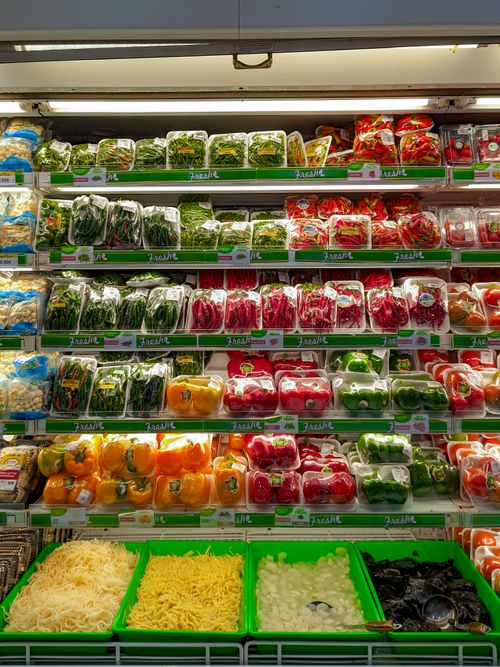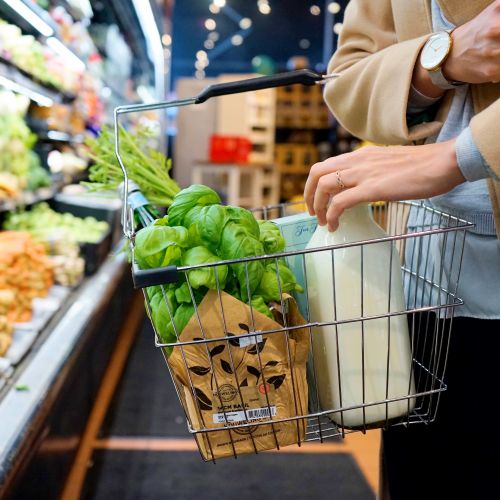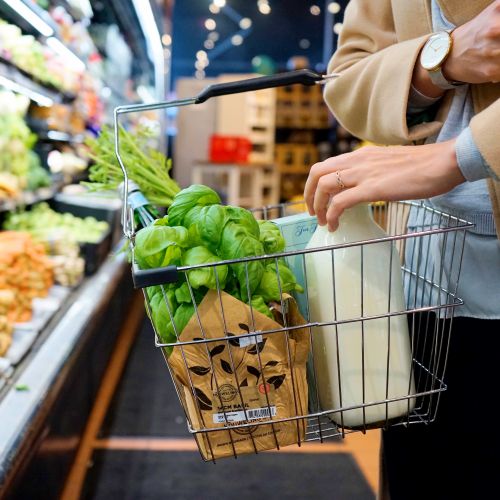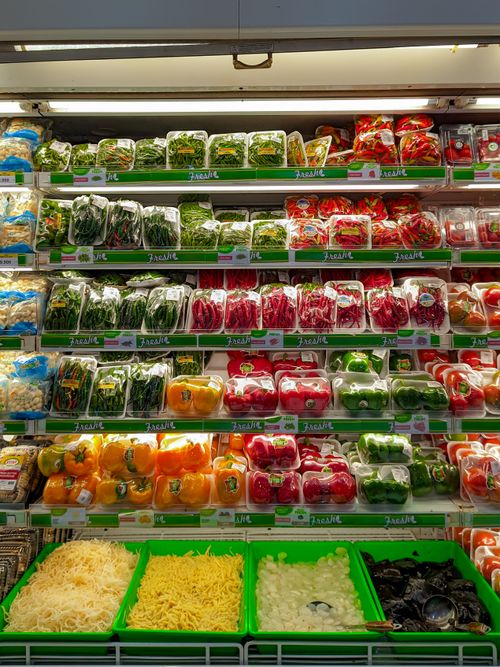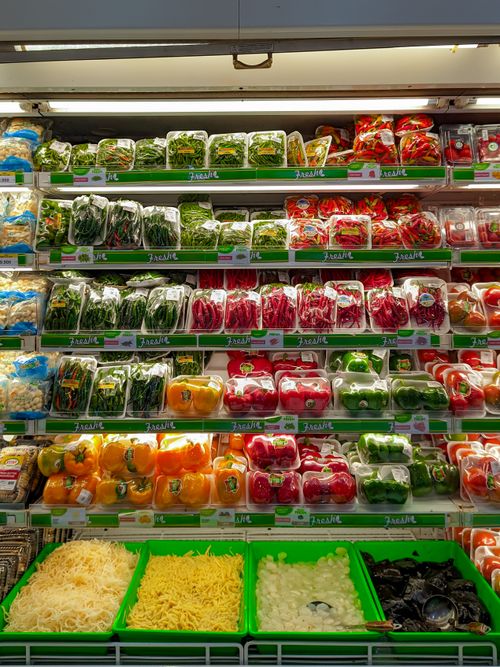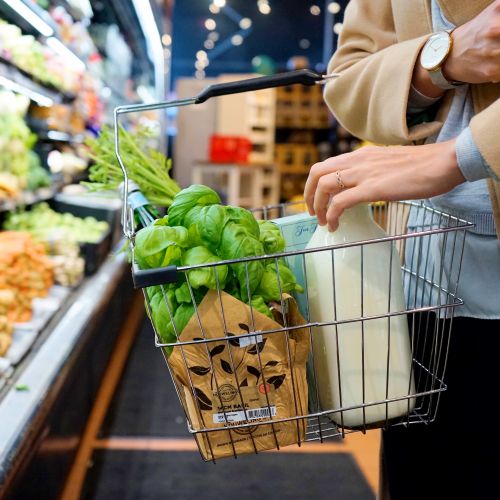
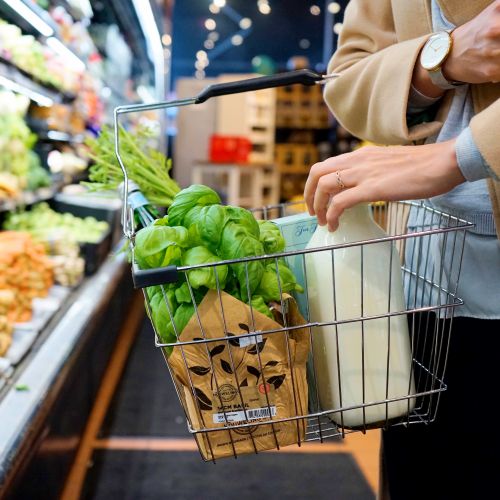
I watched a woman at the grocery store last week do something I’ve seen a hundred times but never really noticed until now. She stood in the cereal aisle with her phone out, comparing the store brand to the name brand, doing quiet math with her thumb. Then she put the name brand back. It wasn’t dramatic. Nobody noticed but me. But in that small, private moment was the entire American economy in 2026: careful, squeezed, and making trade-offs in every aisle.
The numbers behind her quiet math came into focus this week, and they are worth sitting with. August inflation held at 3.4% over the past year — steady, but stubbornly above the Federal Reserve’s 2% target, where it has now sat for close to five years. The details tell the real story. Gasoline prices jumped 3.9% in a single month and are up 27.4% from a year ago, driven by the war with Iran and the turmoil around the Strait of Hormuz. And in a quieter corner of the report, computer software and accessory prices posted their largest annual increase ever recorded: up 25.4%. The AI boom is showing up in your shopping cart now, not just in stock prices.
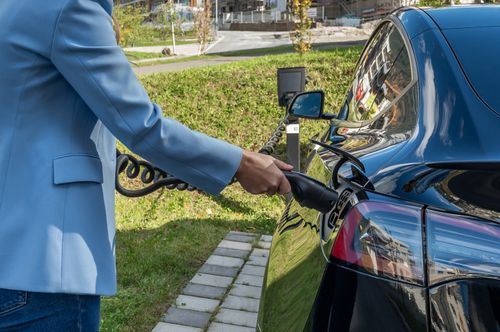
But the number that stopped me cold this week was $6.05. That’s the national average price of a gallon of diesel, according to AAA — the first time on record diesel has crossed six dollars. In California, it’s approaching eight. Diesel isn’t just a number on a station sign; it’s the fuel of everything. Trucks, tractors, delivery vans, construction equipment — when diesel hits a record, the cost ripples into groceries, into building materials, into every package on every porch in America. Brent crude surged toward $110 a barrel this week on disruptions to a key Saudi pipeline before settling back near $104. The woman in the cereal aisle is paying for geopolitics whether she follows the news or not.
It’s not enough to just track the prices, friends. We have to ask how families are actually coping — because cope they are, in ways both inspiring and concerning.
Look at the grocery giants for the clearest signal. Kroger, the country’s largest supermarket chain, reported this week: adjusted earnings of $1.09 a share beat expectations, but sales of $34.62 billion came with identical-store sales growth of just 0.2% — a miss — and the company cut its full-year comparable sales guidance to below 1%. Translation: shoppers are still coming through the doors, but they’re buying less, trading down, stretching every dollar. Kroger sees it in the data before any economist writes a paper about it. The cereal-aisle math, multiplied by millions.
Now set that beside Cava, the fast-casual Mediterranean chain, which is defying the industry’s gravity. Revenue jumped 31.3% year over year to $365.4 million. Same-restaurant sales rose 9% on 5.3% traffic growth — meaning more customers walking in, not just higher prices. And here’s the remarkable part: Cava’s CFO says the company is growing without price hikes. Shares jumped more than 10% on the news. My take: consumers aren’t simply cutting back — they’re redirecting. They’ll skip the name-brand cereal but line up for a meal that feels worth it. Value, not just price, is the battleground now. The companies winning are the ones that give people a reason to feel good about spending.
And then there’s the great American debate over relief — who gets help, and what it costs. Two very different checks made news this week. First, nearly a million Americans who bought Affordable Care Act coverage without federal subsidies, in the 30 states with federally run exchanges, will receive $500 refunds starting in October, paid from a user-fee surplus. It’s real money, modest and targeted, arriving because the system collected more than it needed. Quiet competence, you might call it.
Second, the loud one: President Trump promised a GOP midterm convention crowd that every American adult would receive $5,000 if Republicans win both the House and Senate in November. The cost: nearly $1.2 trillion, against a national debt already at $40 trillion. Morning Brew did the sobering math — tariff revenue from January 2025 through July 2026 totaled $300 billion, and $166 billion of that is earmarked to refund companies after the Supreme Court struck down most of the sweeping tariffs. The tariff money wouldn’t come close to covering it. Legal scholars dispute whether such payments would even be lawful, and it would need Congress, where bipartisan backlash makes passage murky at best. My take, stated plainly: a $5,000 promise makes a powerful rally line and a perilous policy. The $500 refund is boring by comparison — and it’s the one that’s actually coming.
The cost-of-living squeeze is also producing stranger adaptations at the top of the market. The Hustle reported this week on PriorityEvac, a startup selling membership-based private-flight hurricane evacuations: $1,250 per person per year, capped at around 5,000 members, with pre-arranged flights to Atlanta when storms threaten Florida. The founder, insurance veteran Jason Murgio, says what they’re really selling is “peace of mind.” He’s right — and the fact that peace of mind now has a $1,250 annual subscription price tells you something about the era we’re in. When the climate is volatile and commercial flights during evacuations can hit $3,000 one-way, anxiety itself becomes a market. Most families can’t buy their way out of a hurricane on a private plane. They board up windows, pack the car, and hope. The gap between those two experiences is the cost-of-living story in miniature.
Even our small comforts are getting pricier. Streaming costs have risen three times faster than inflation since 2022, according to The Hollywood Reporter via the Hustle. The subscriptions we signed up for as cheap escapes are quietly becoming luxury line items. It’s death by a thousand $15.99s — and it’s exactly the kind of creeping cost that doesn’t show up in any single CPI category but shows up in every family’s budget.
So where does this leave us? Here’s what I keep coming back to: the American consumer is neither collapsing nor thriving. She is adapting — trading down at the grocery store, choosing carefully where to splurge, doing thumb-math in the cereal aisle. Consumer spending has held up far better than the gloomy forecasts suggested, but the composition is changing. People are spending with intention now. That’s not weakness; in many ways, it’s wisdom.
It’s not enough to just ask what things cost. We have to ask what our spending says about what we value — and whether the economy is rewarding the careful or punishing them. The families doing the quiet math deserve policies as serious as they are: real relief where it’s needed, honest accounting of what grand promises cost, and an economy where a day’s work still buys a decent life. The woman in the cereal aisle isn’t waiting for a $5,000 promise. She’s waiting for prices to make sense again. Let’s not keep her waiting too long.