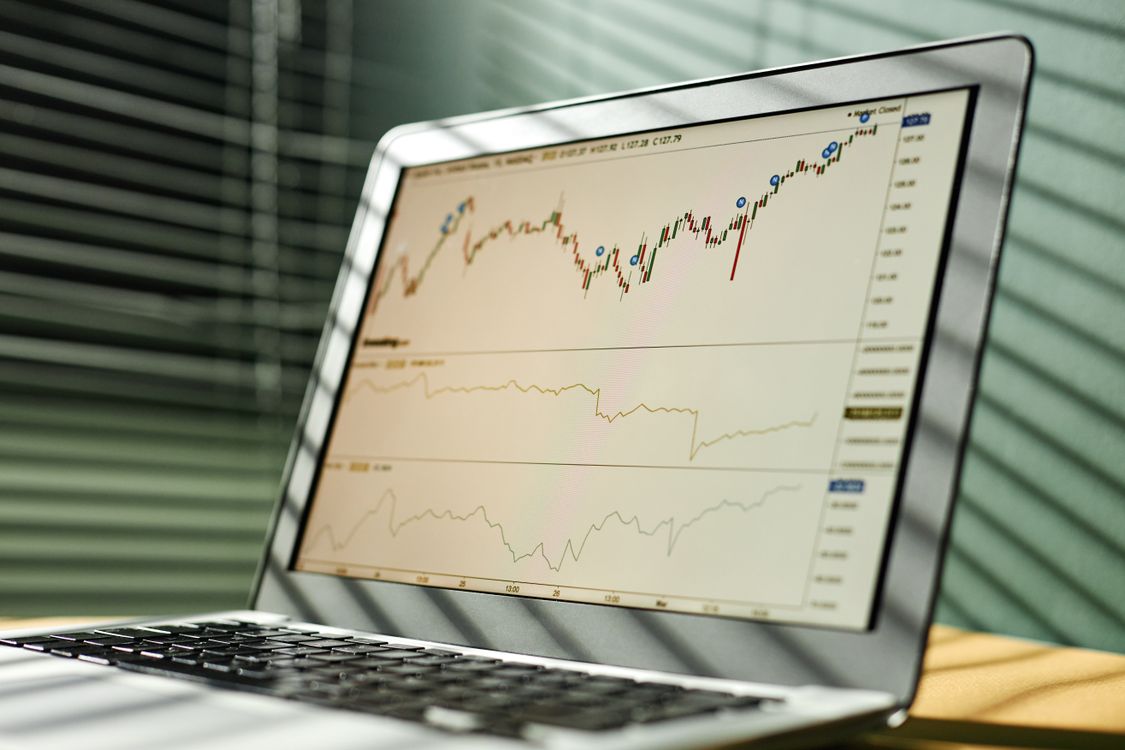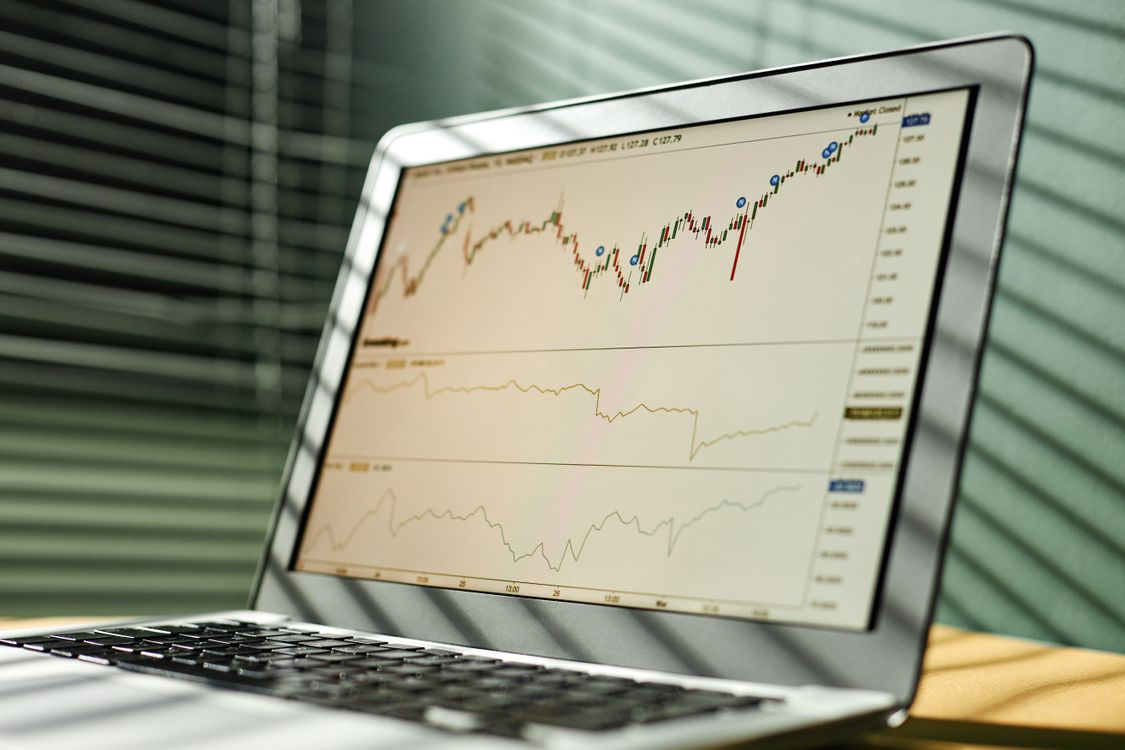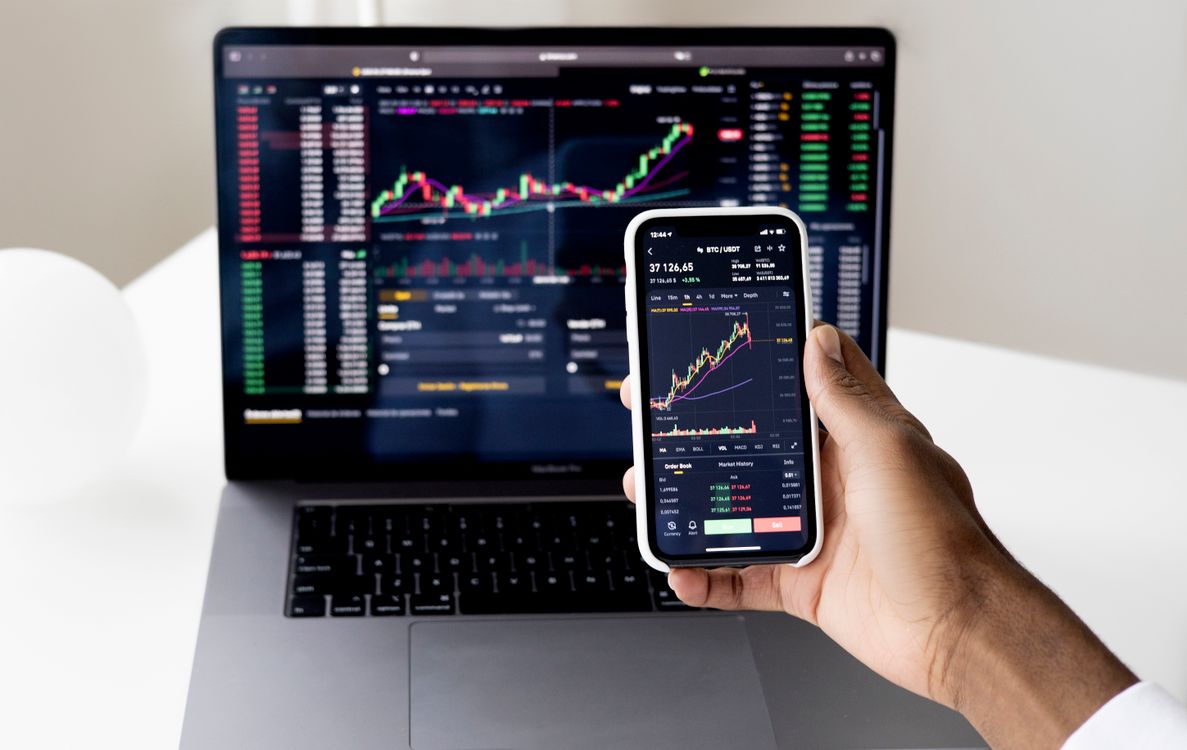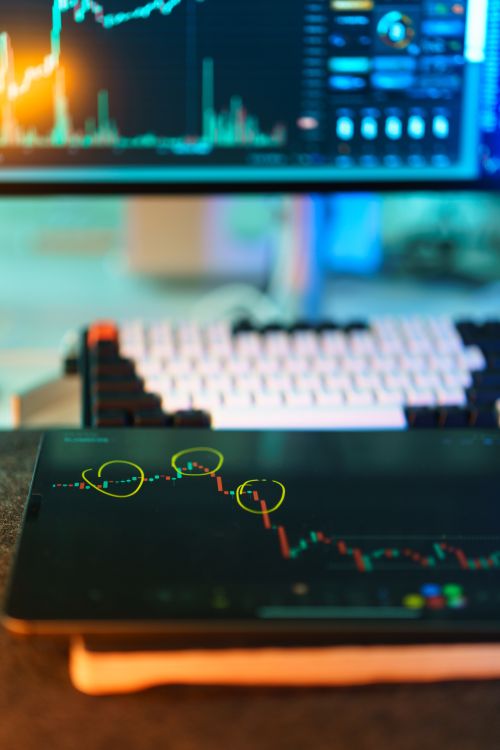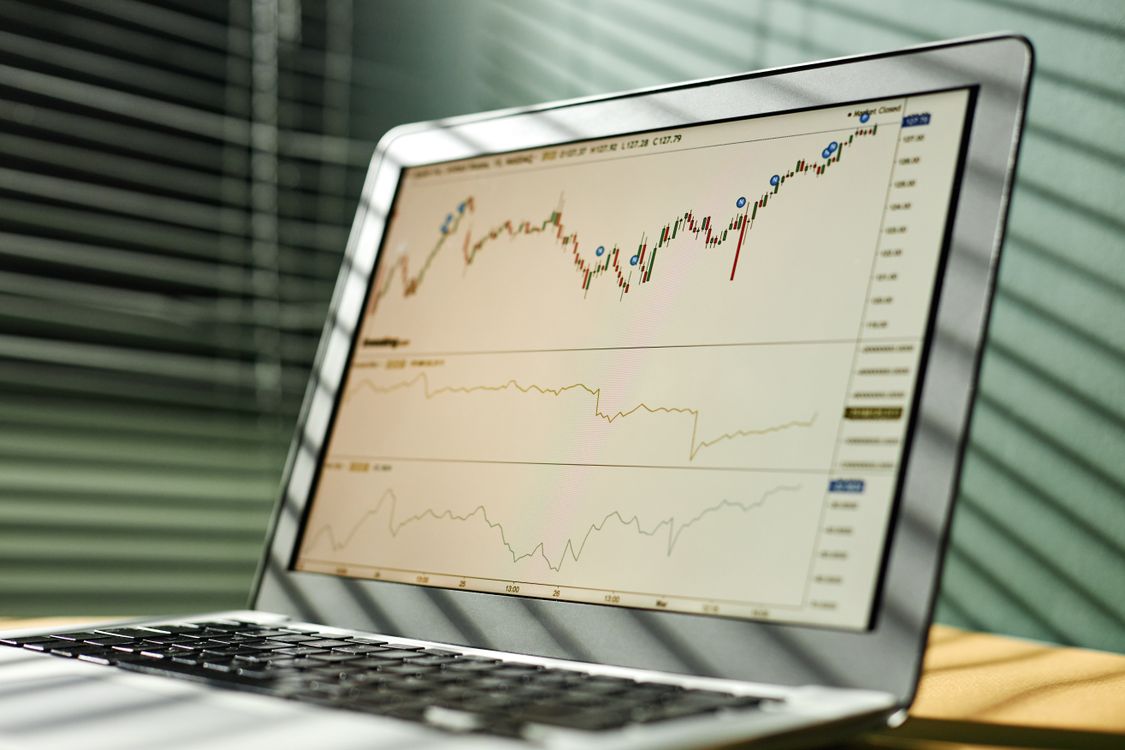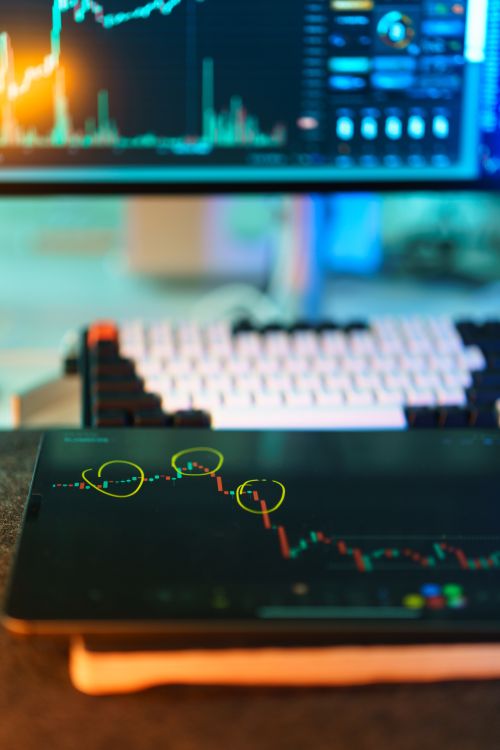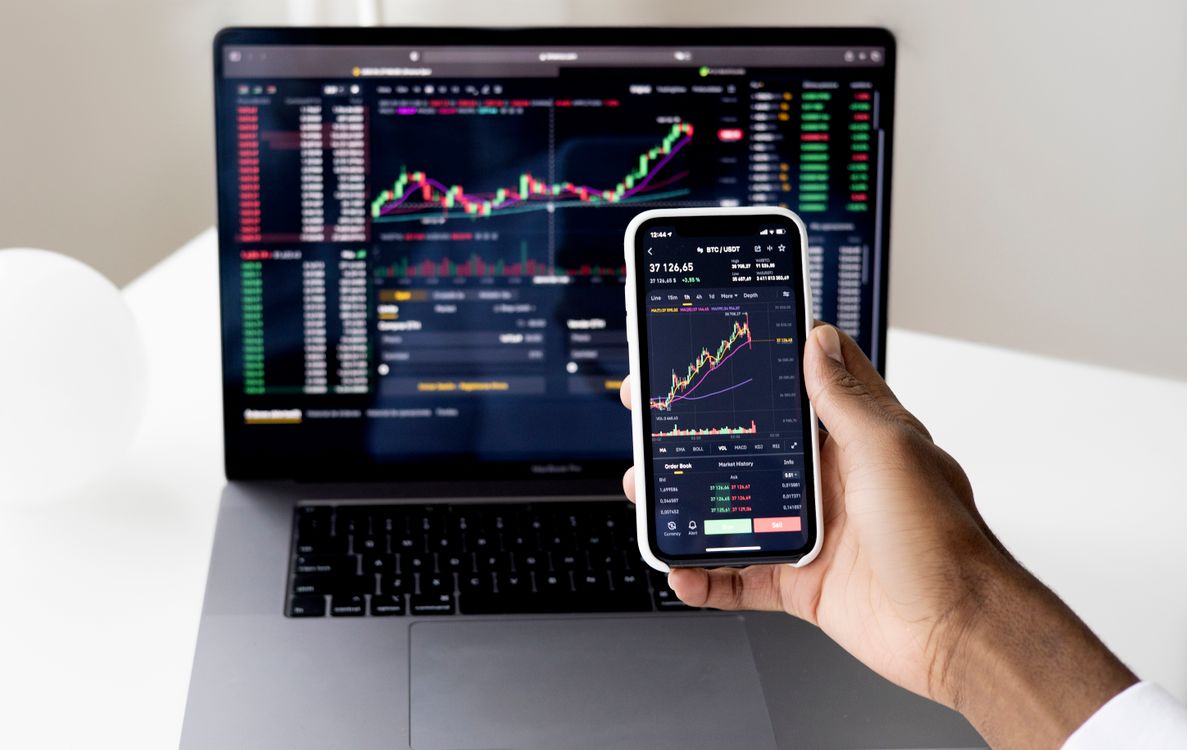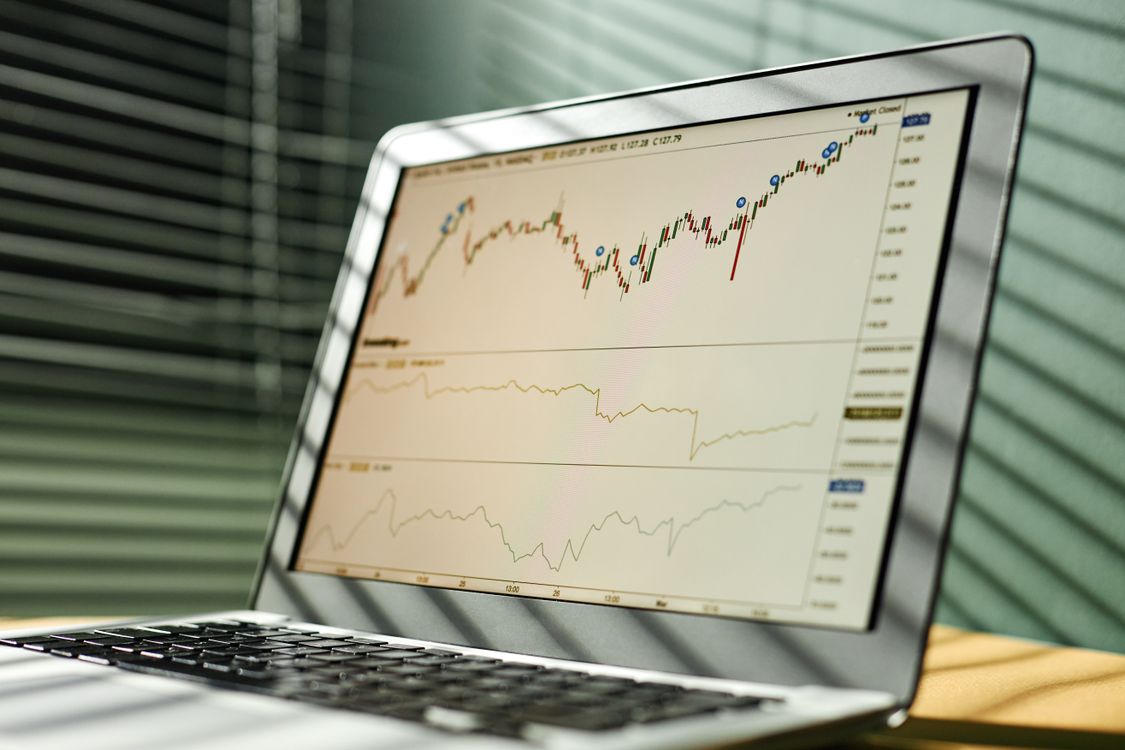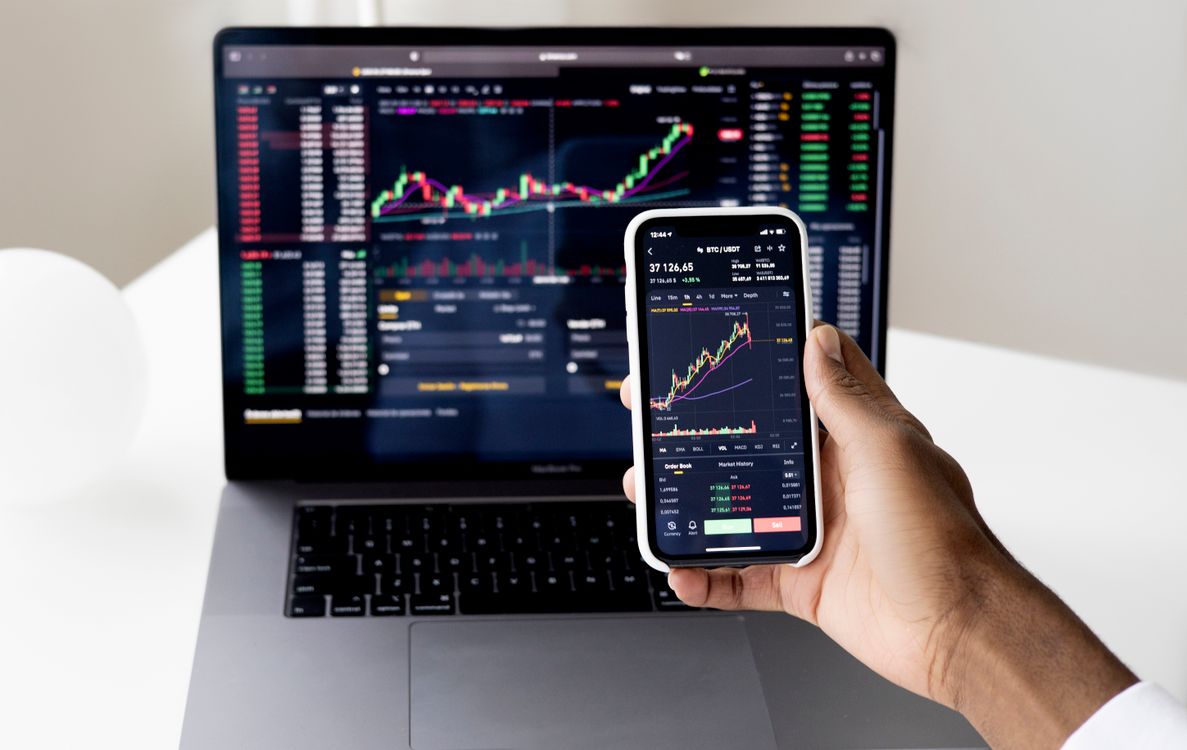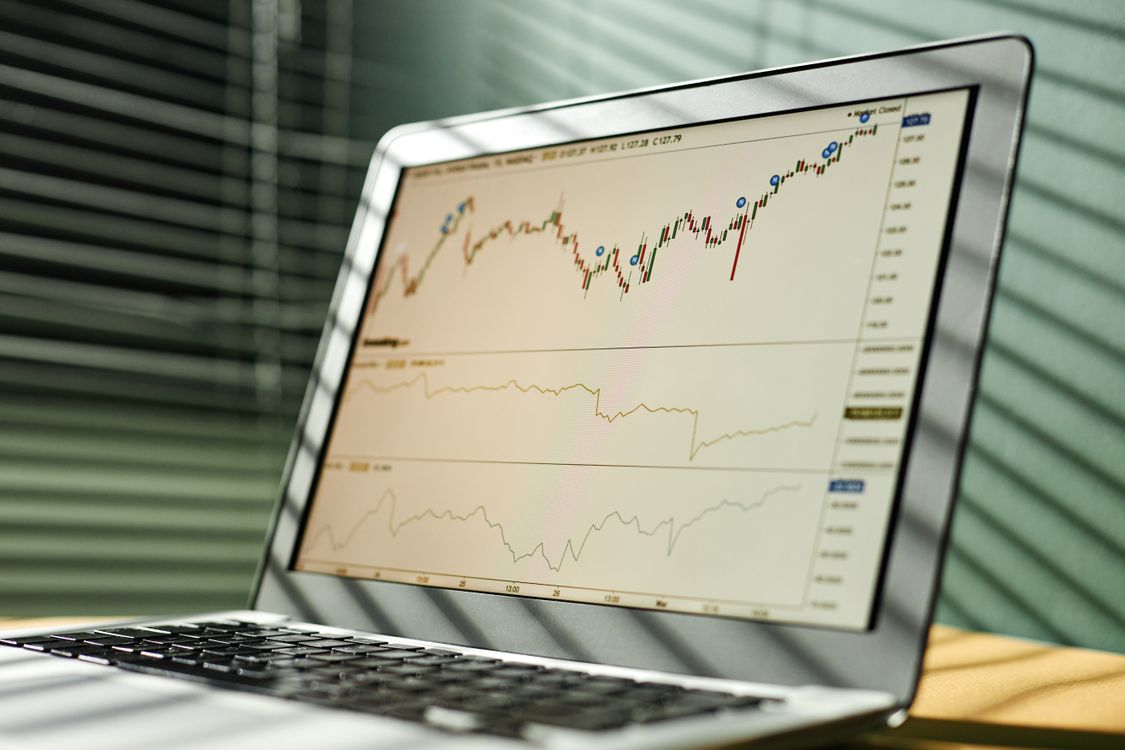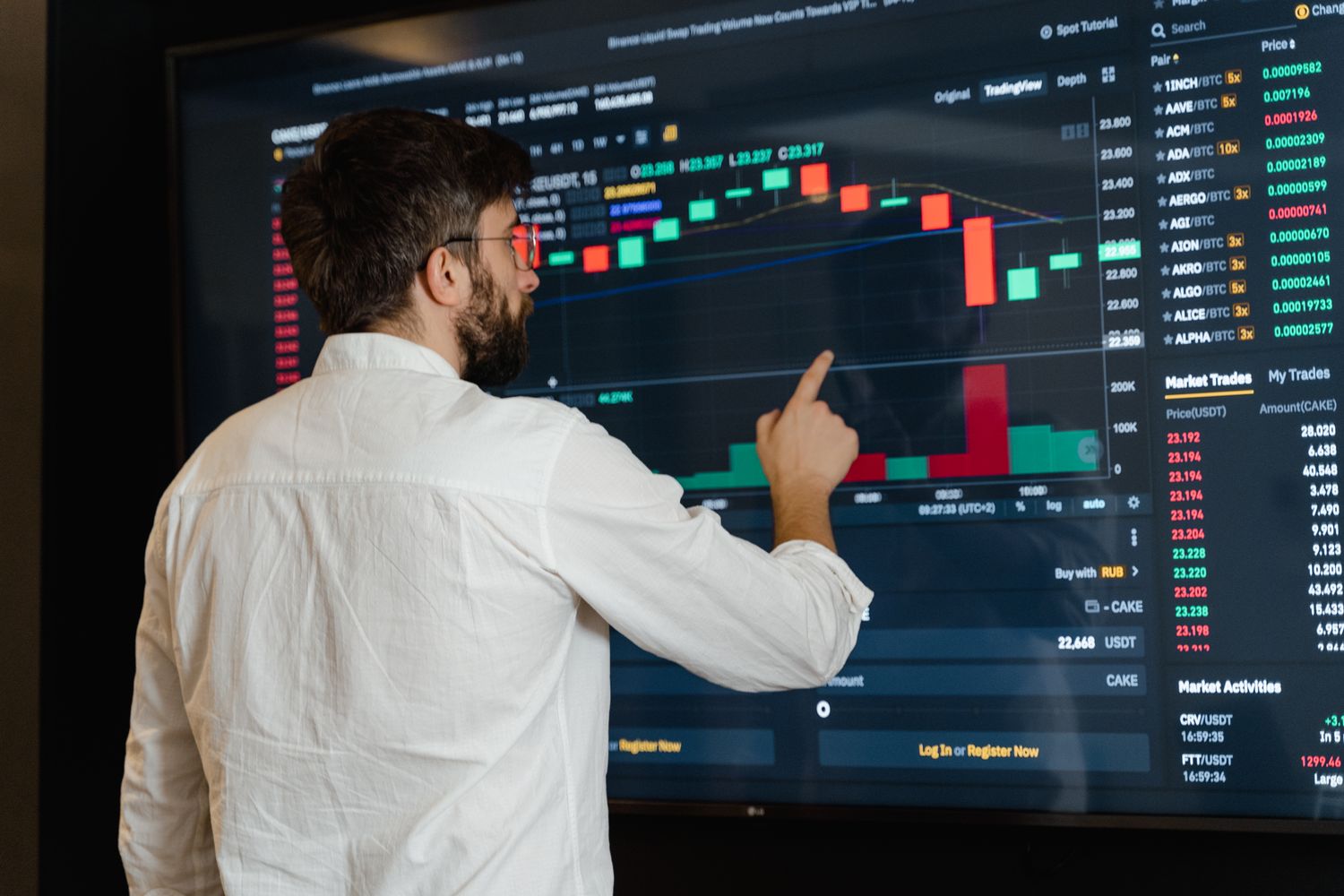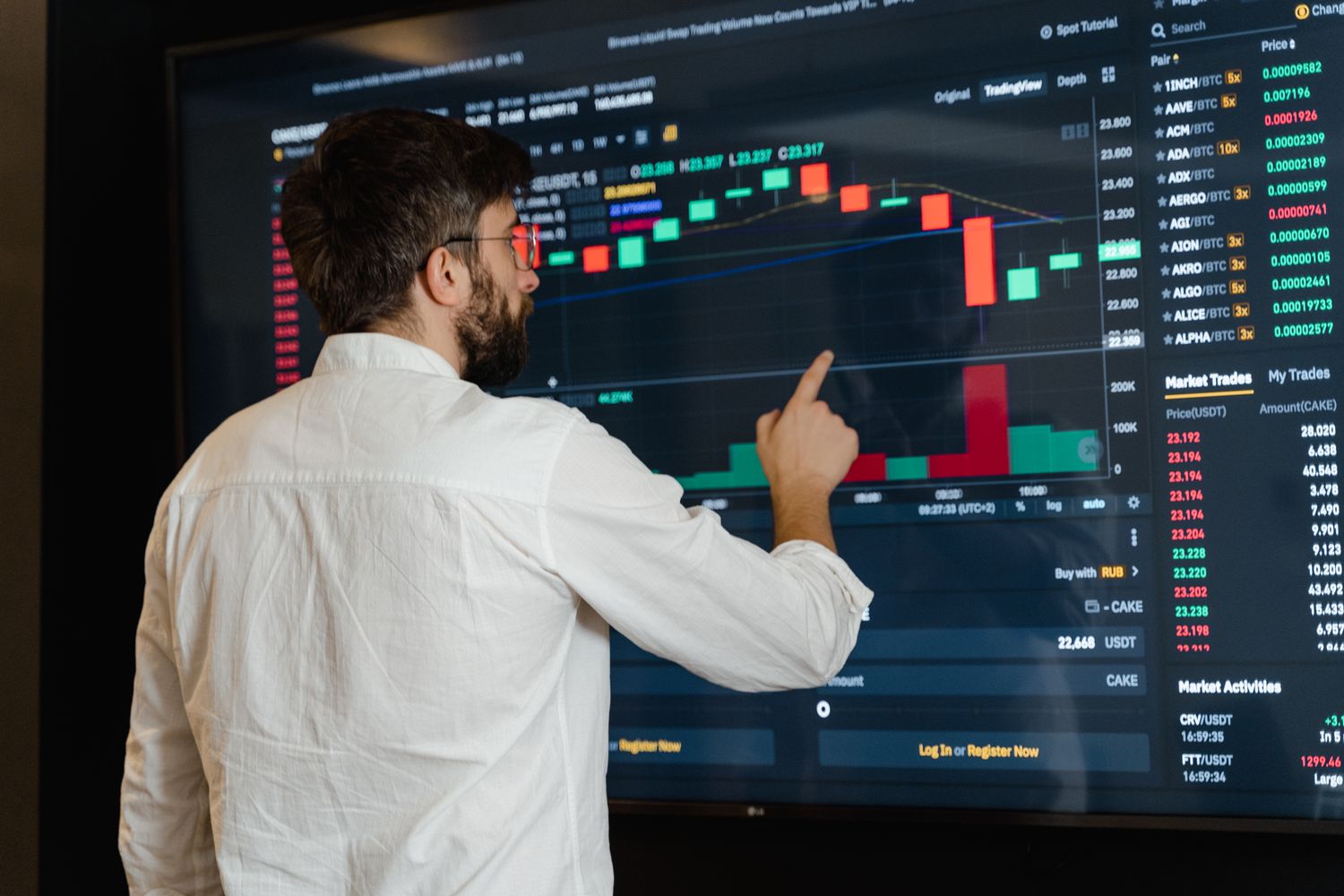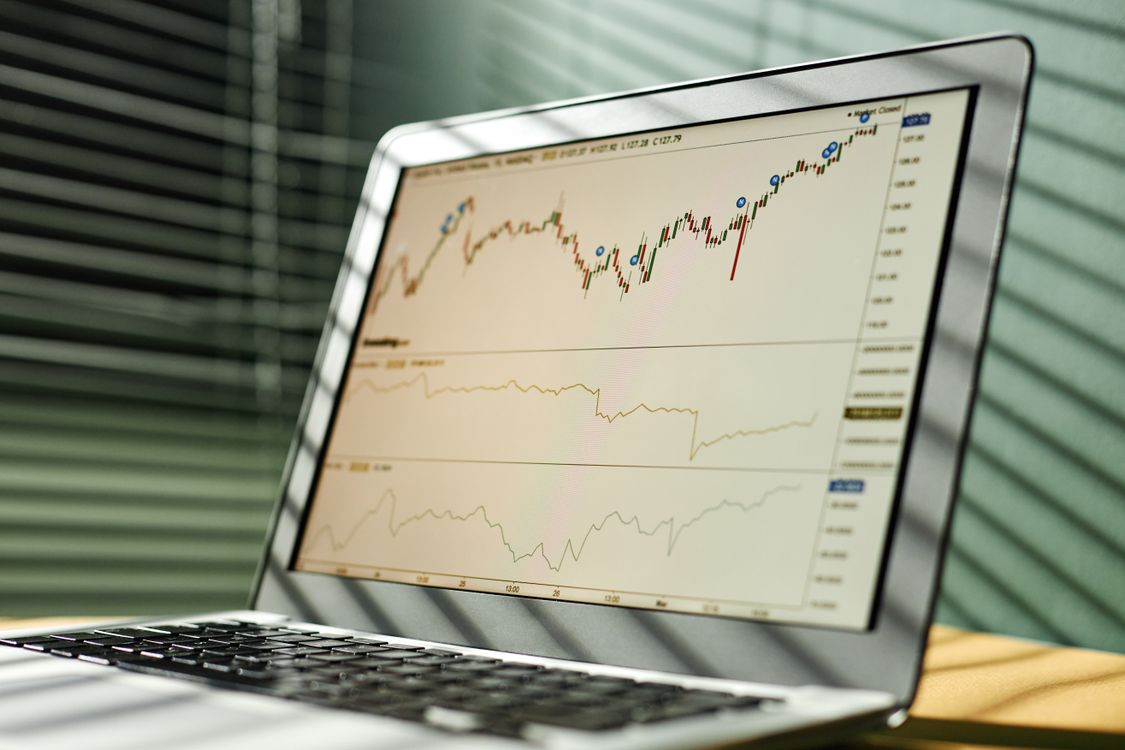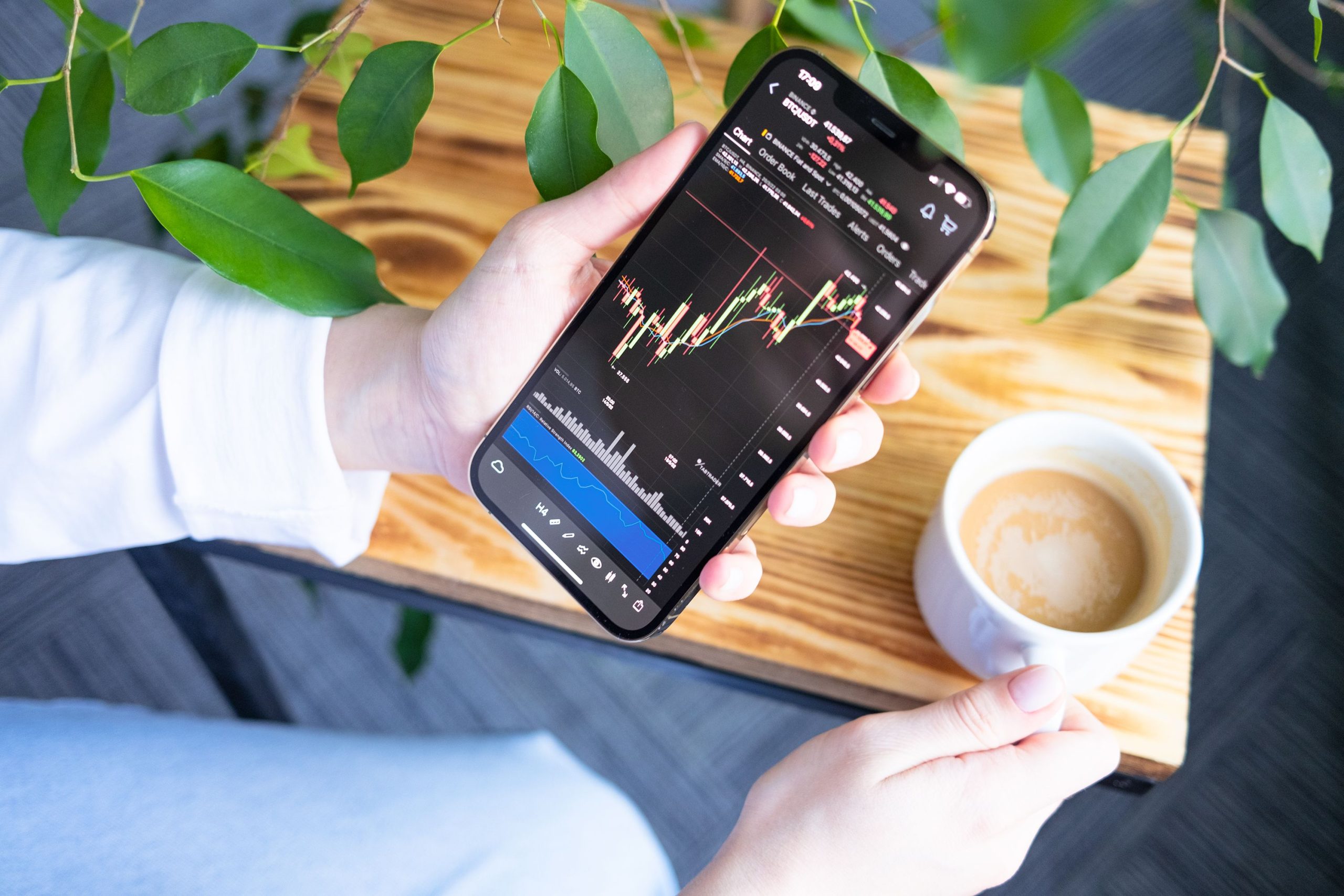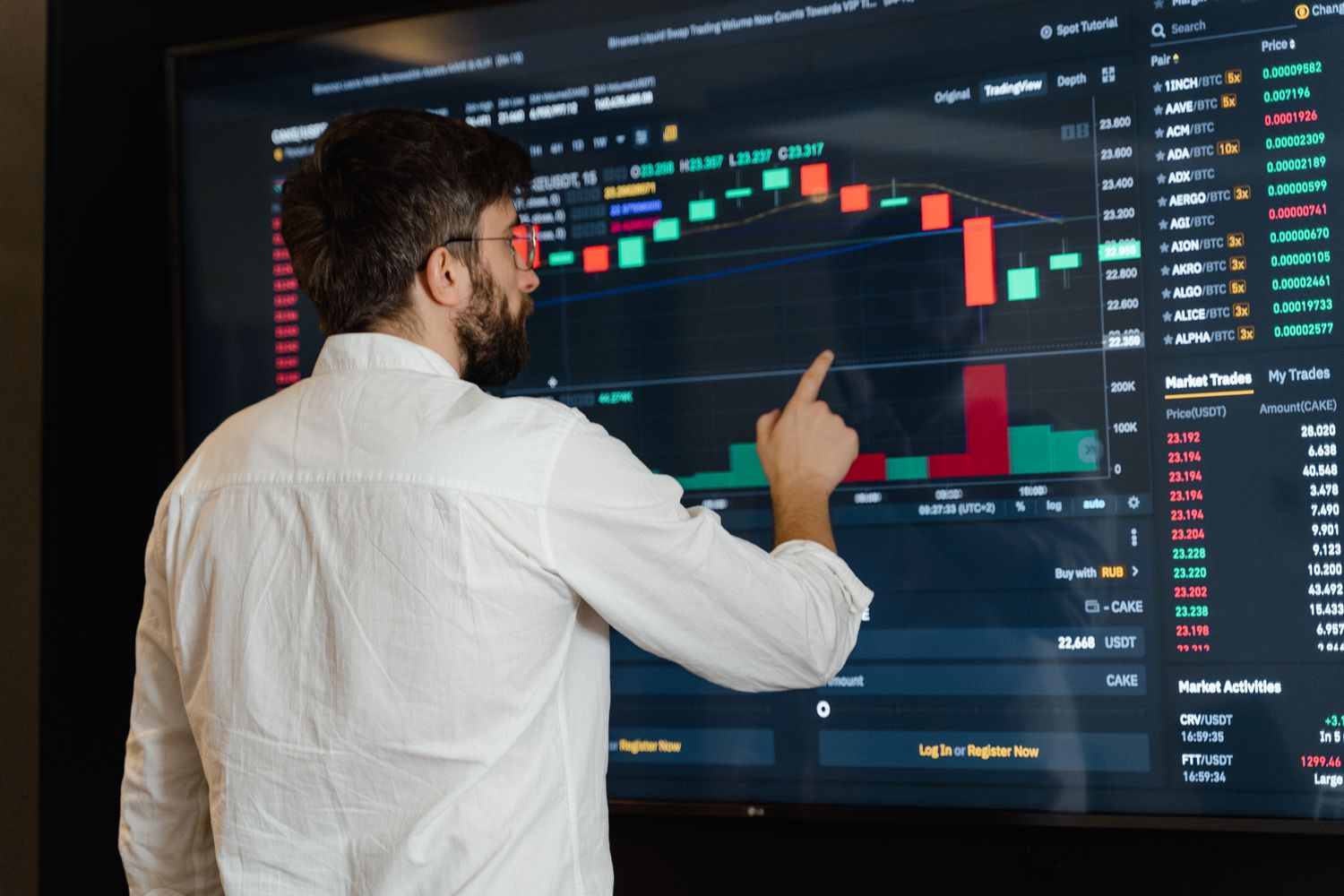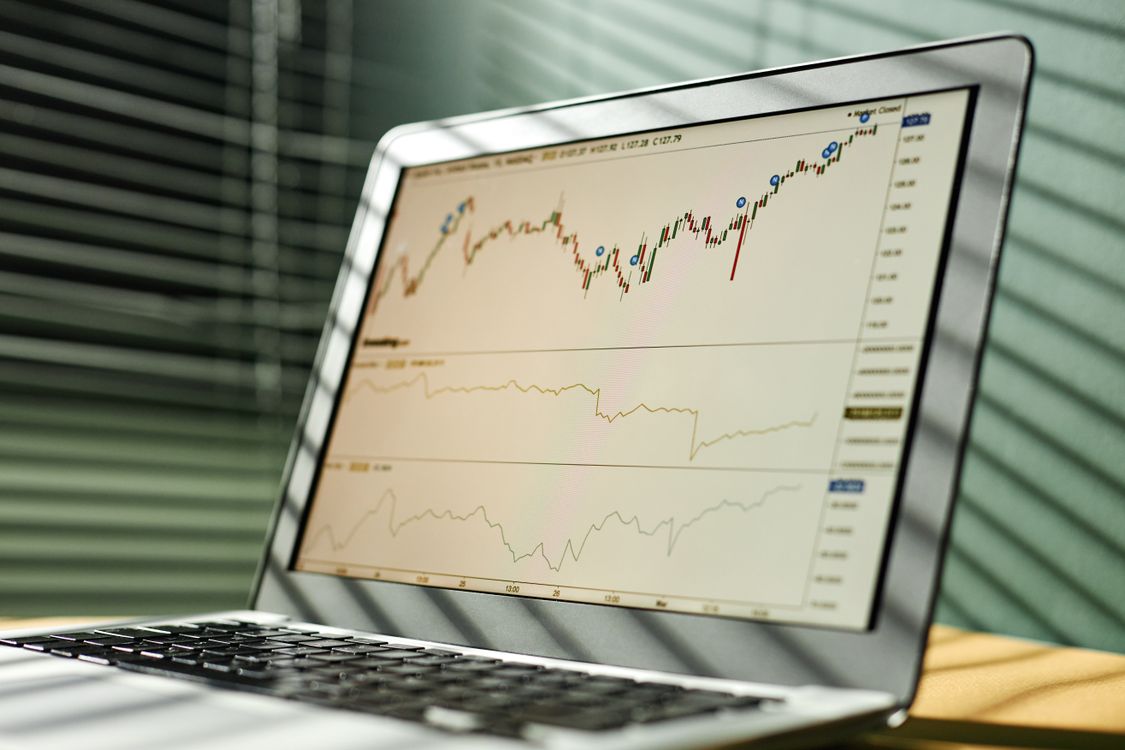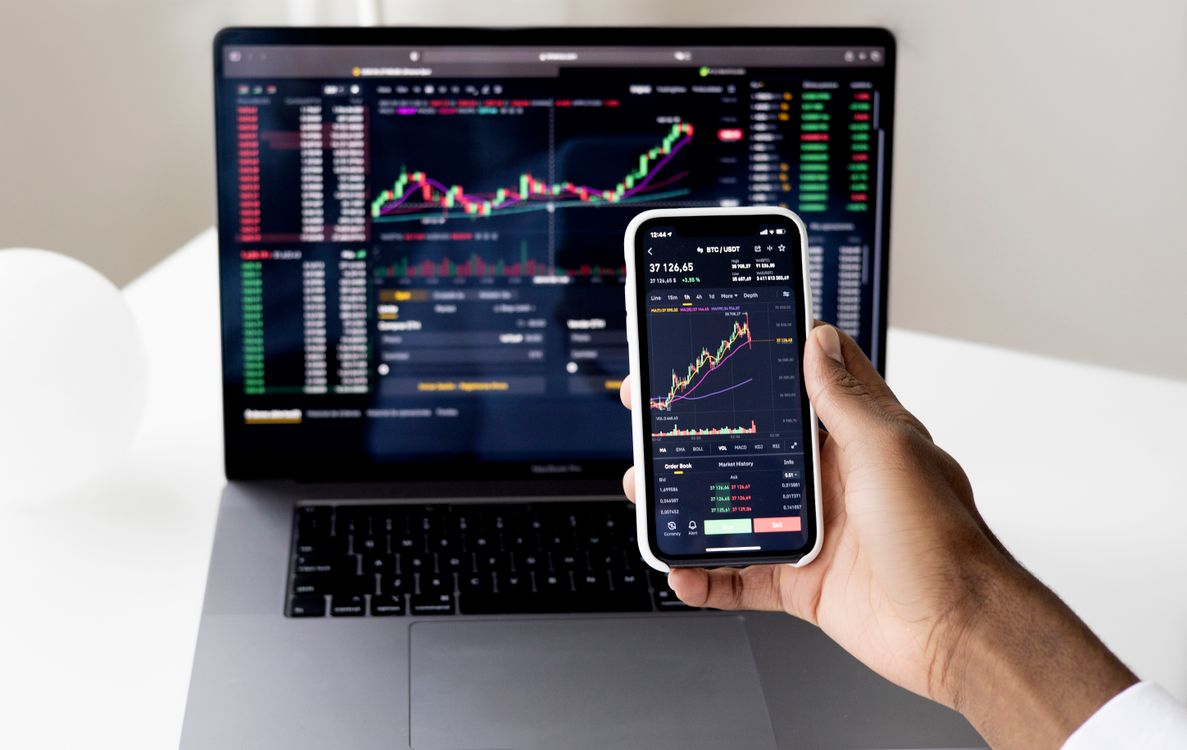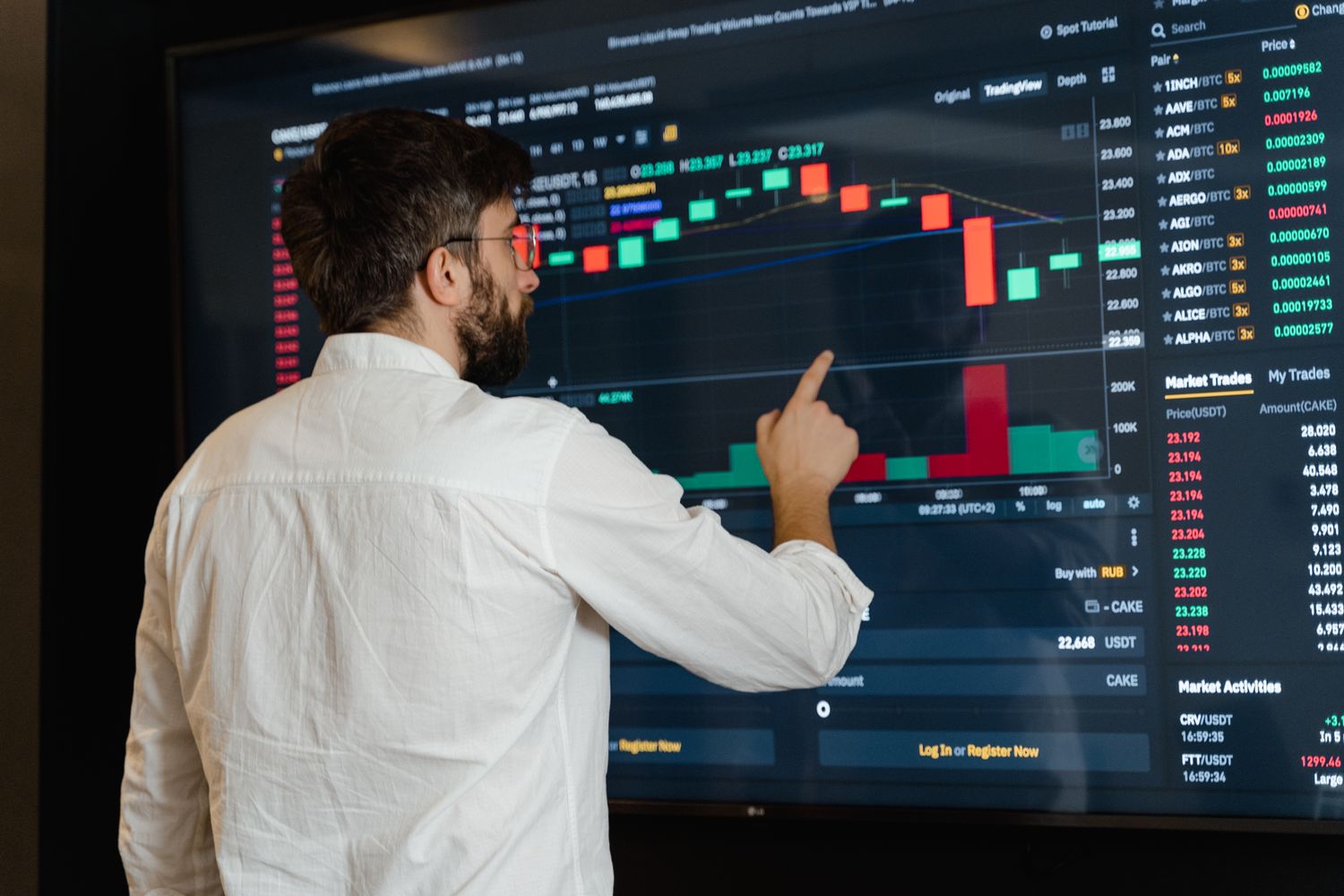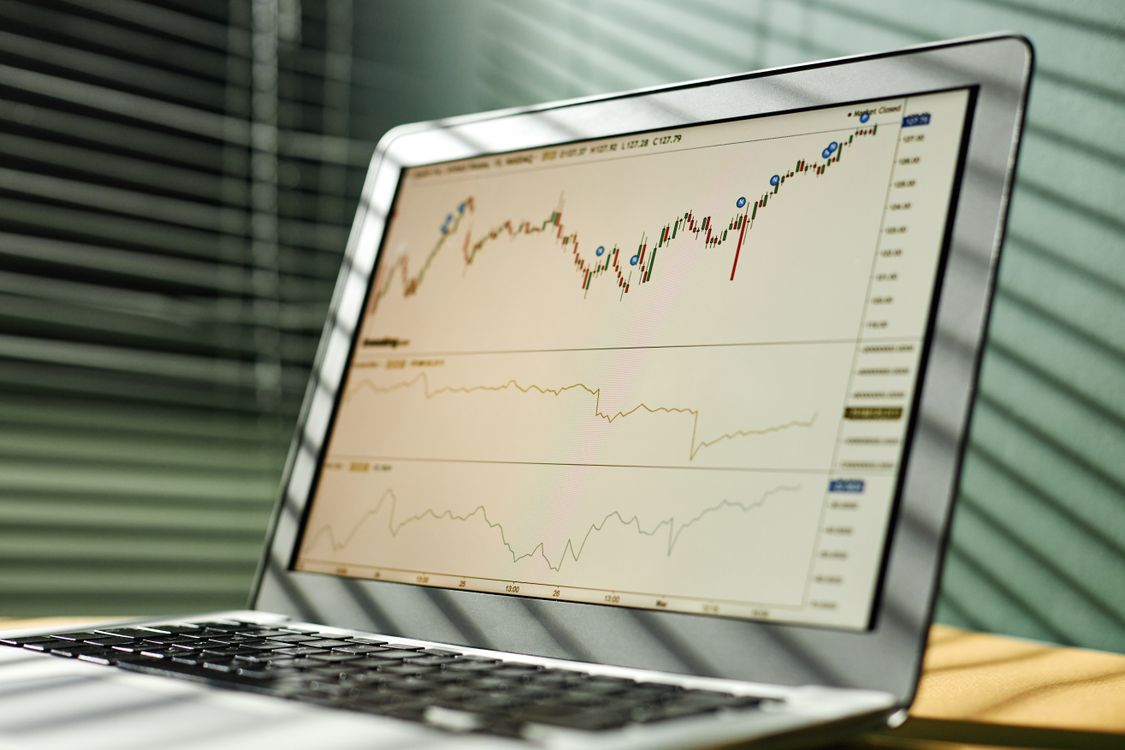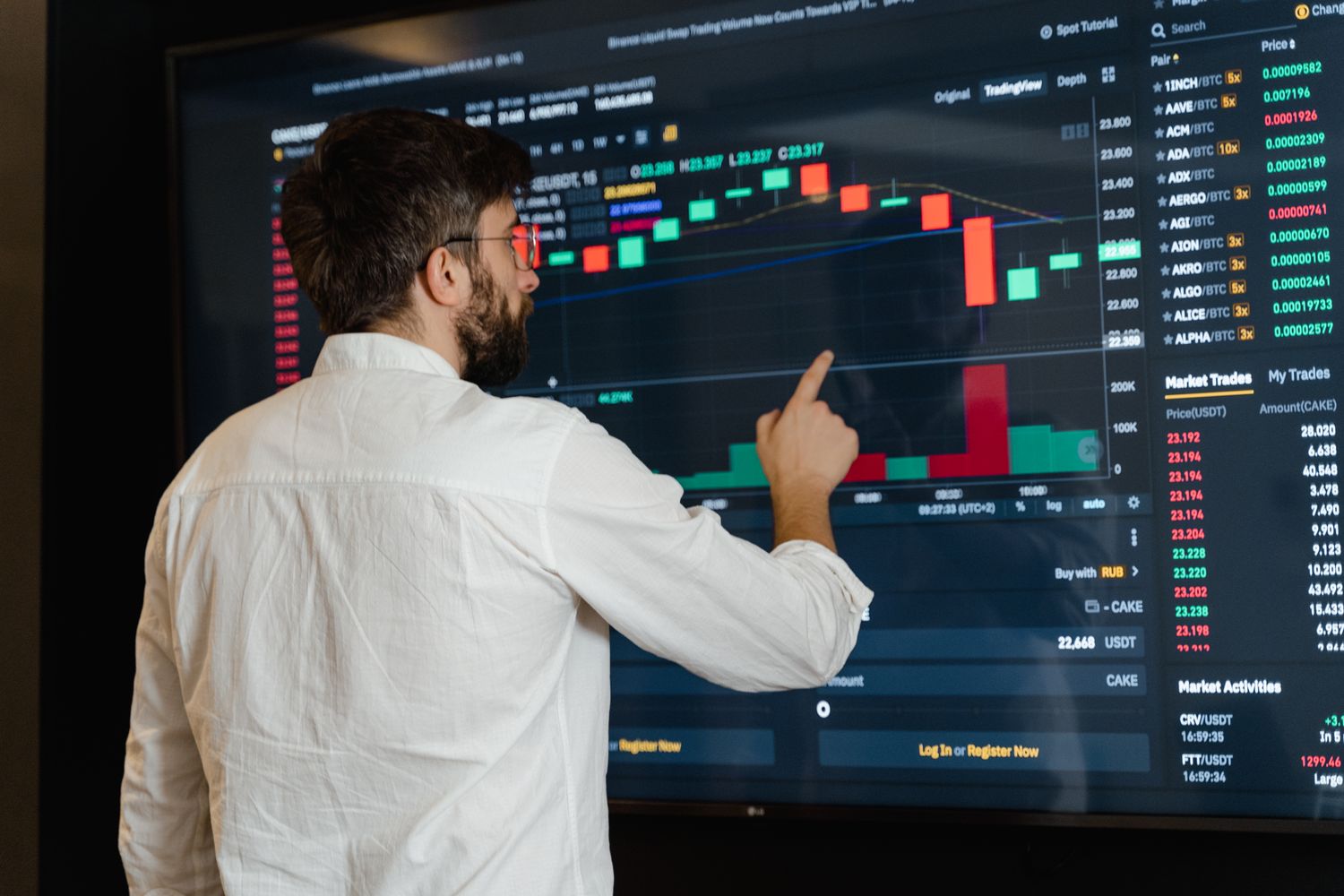
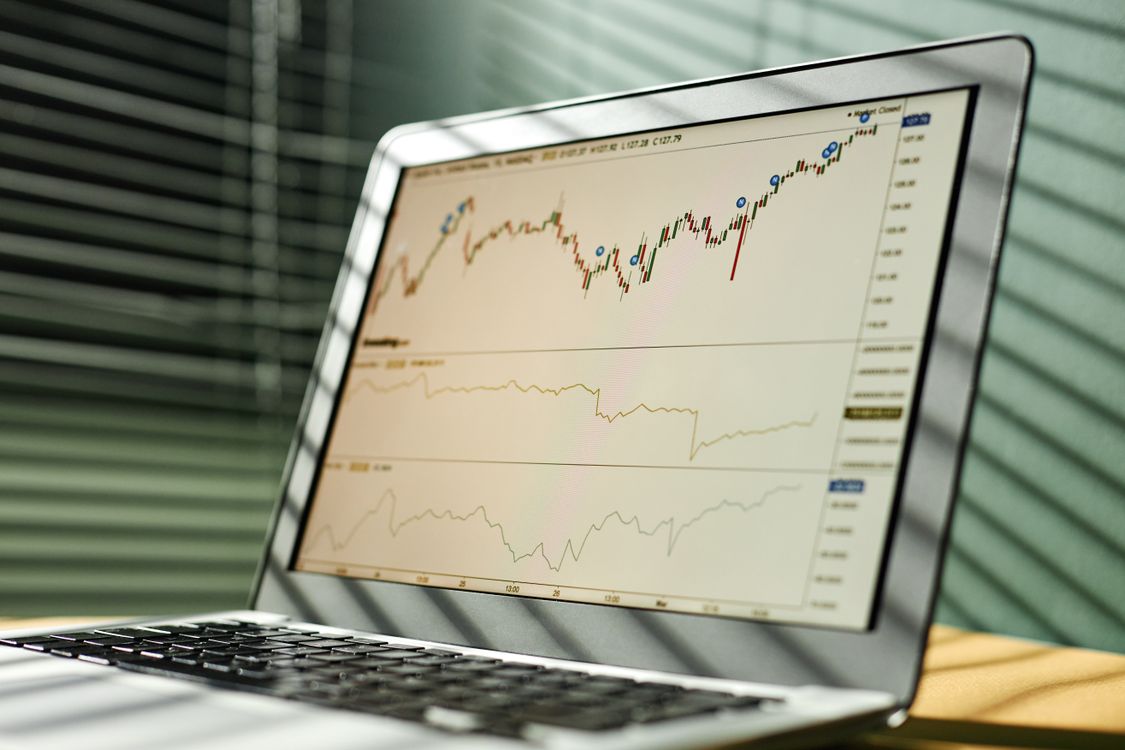
There is a number that should stop you in your tracks, and it is not the record. On Friday the Nasdaq Composite touched an intraday high of 27,354, above its September 22 record close of 27,244, and finished the day up 1.2%. But across town, the S&P 500’s equal-weight index, the version that counts every company as if it were the same size, fell for a seventh straight week. That has not happened since 2022, a year most investors would rather forget.
This is the story of 2026 in a single Friday: one market, lifted by a handful of giants, touching the sky; another market, the one that looks like the actual economy, quietly sinking.
Start with the winners, because they are spectacular. Teradyne surged nearly 9% on Friday. Nvidia broke out above a 234.76 buy point. Arm climbed 5.7%, Marvell 4%, Taiwan Semiconductor 3%, and ASML gapped up more than 3%. The rally did not even start Friday: on Thursday the S&P 500 snapped a three-day losing streak as its information-technology sector, the index’s largest, advanced 0.8% on the back of Micron’s strong quarterly results. This is a rolling, weeks-long bid for anything attached to the artificial-intelligence buildout.
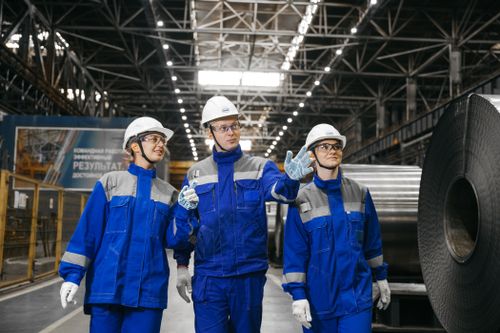
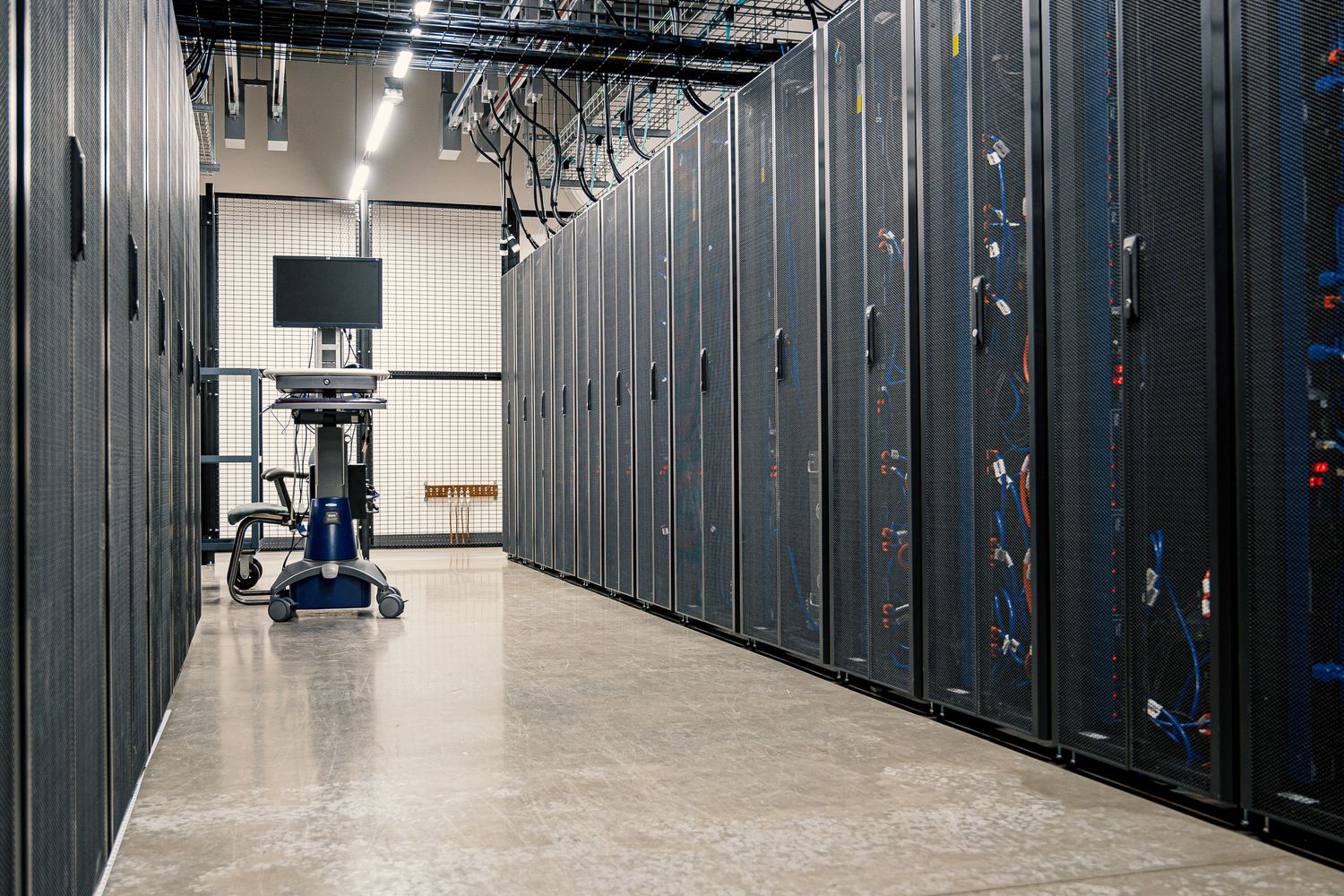
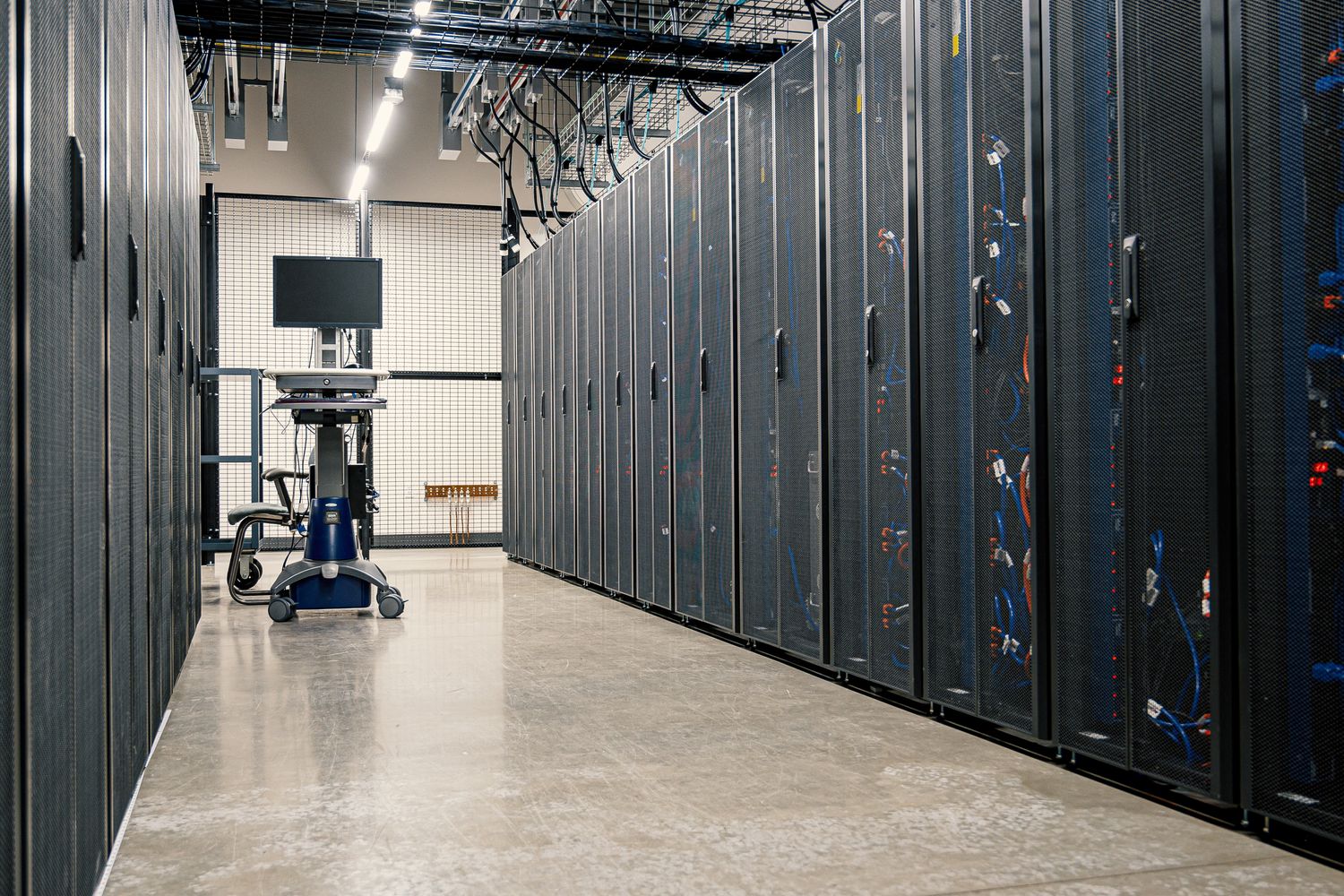
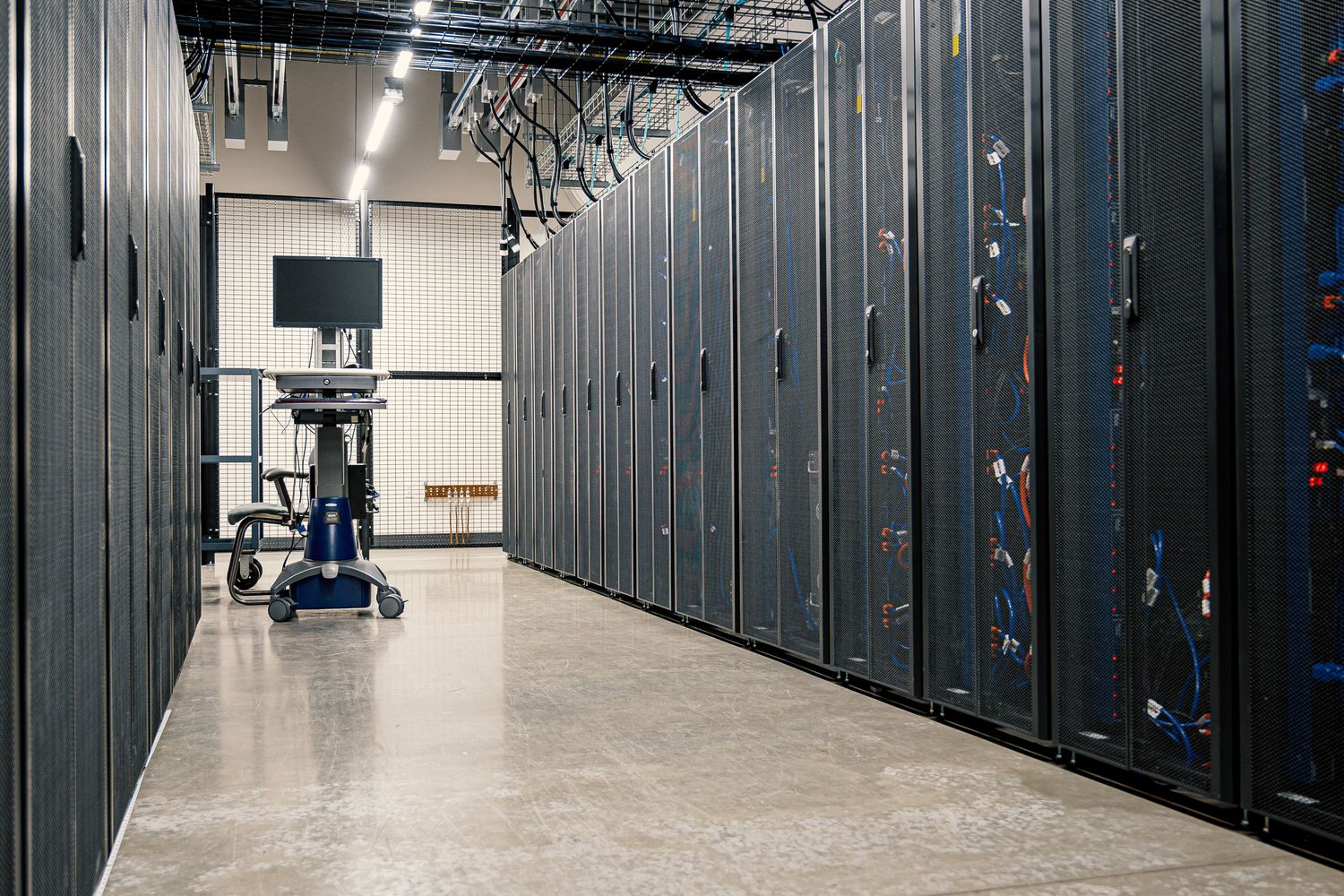
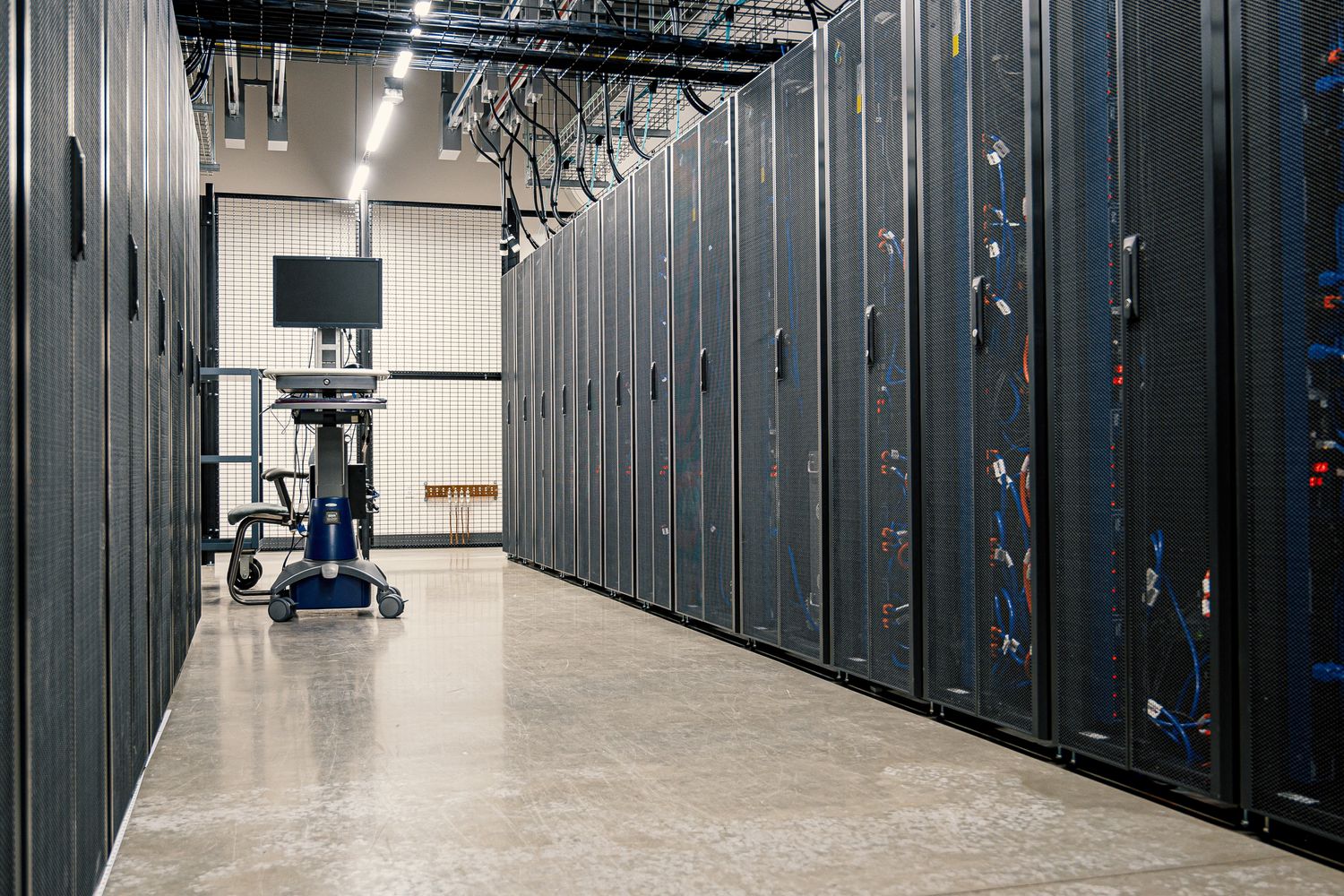
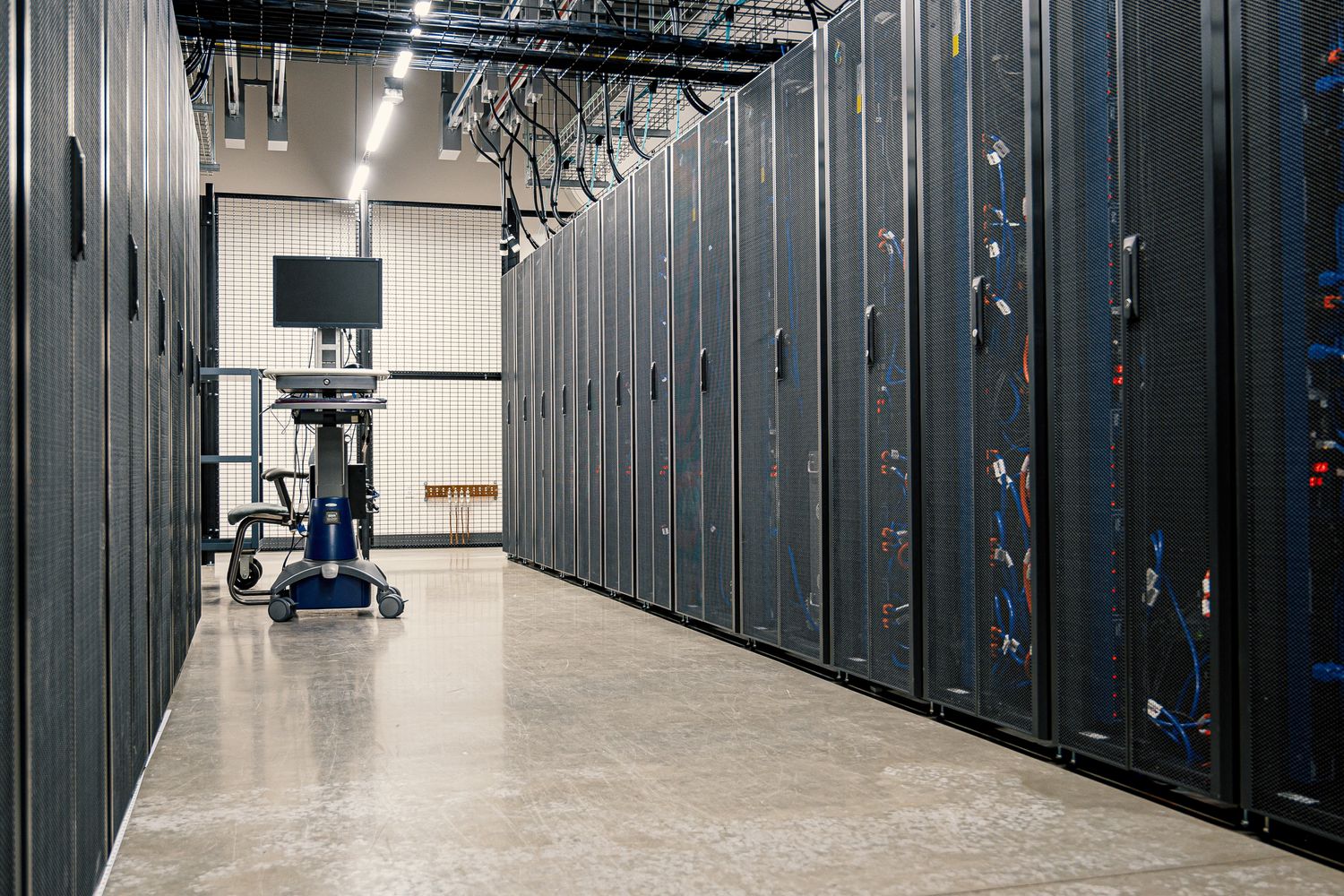
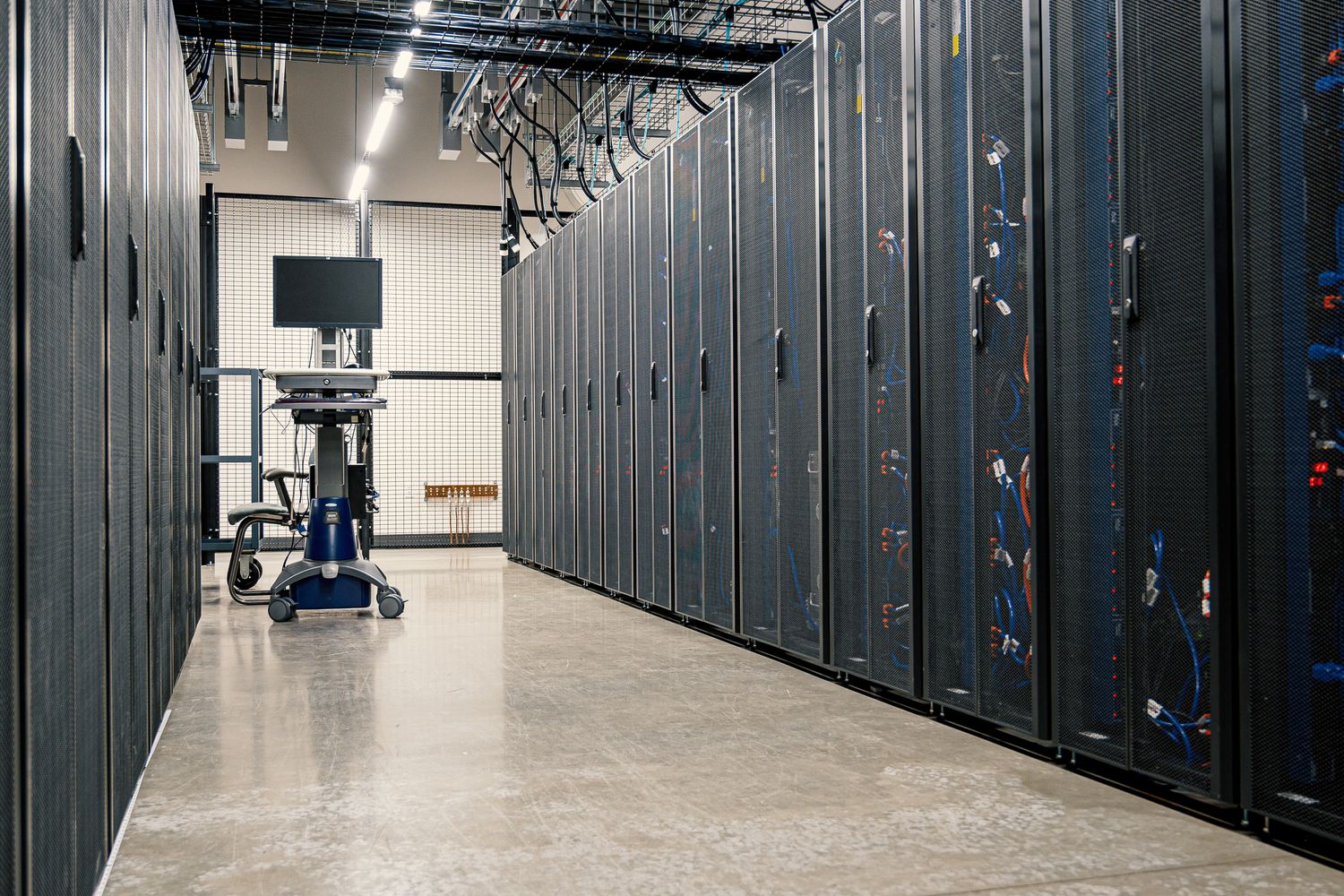
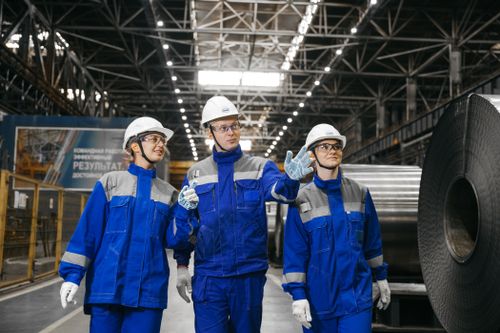
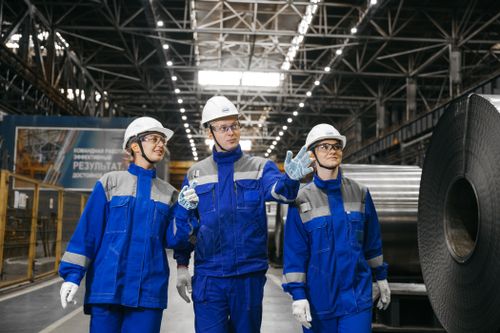
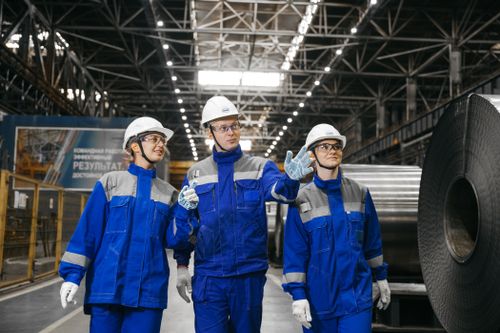
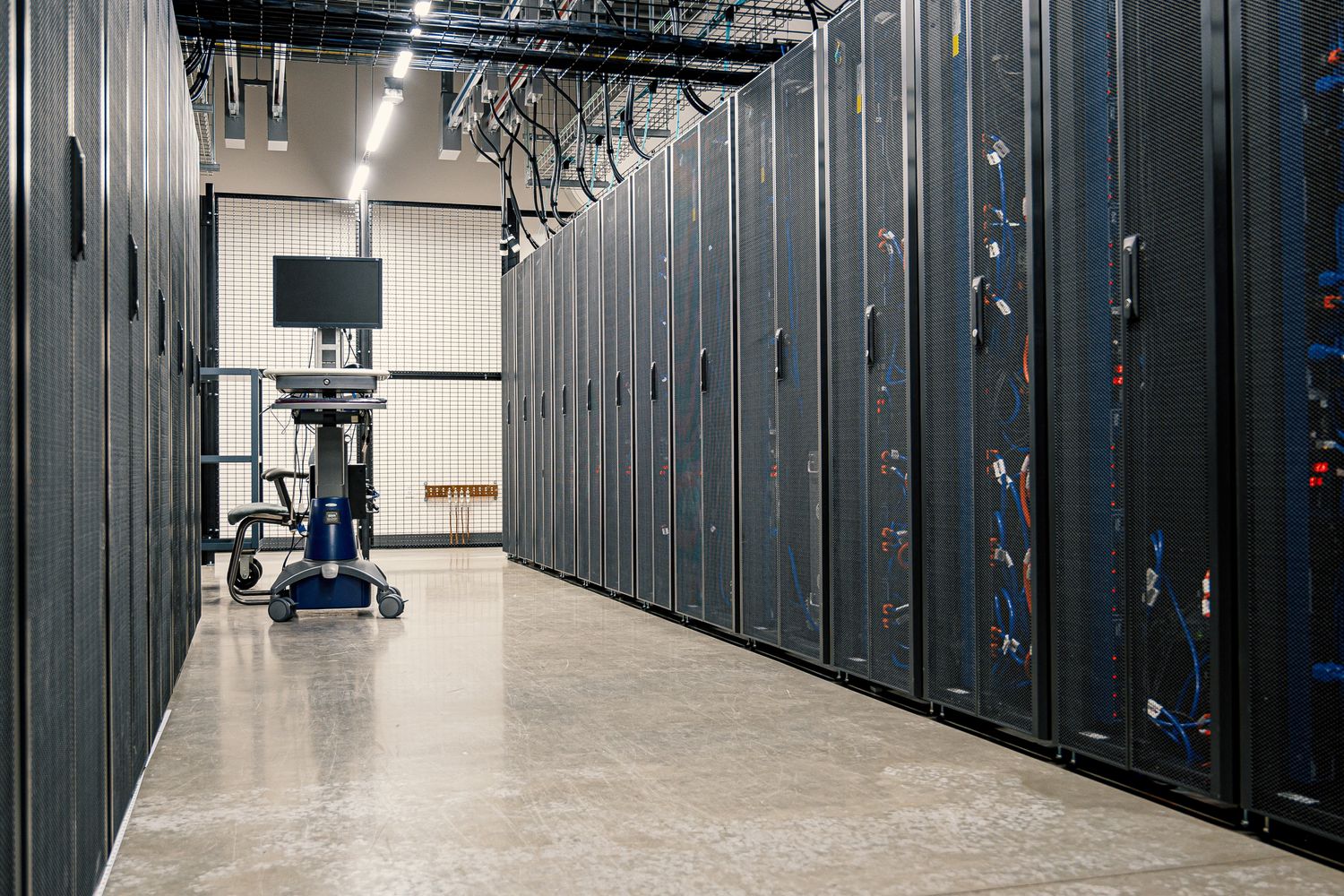
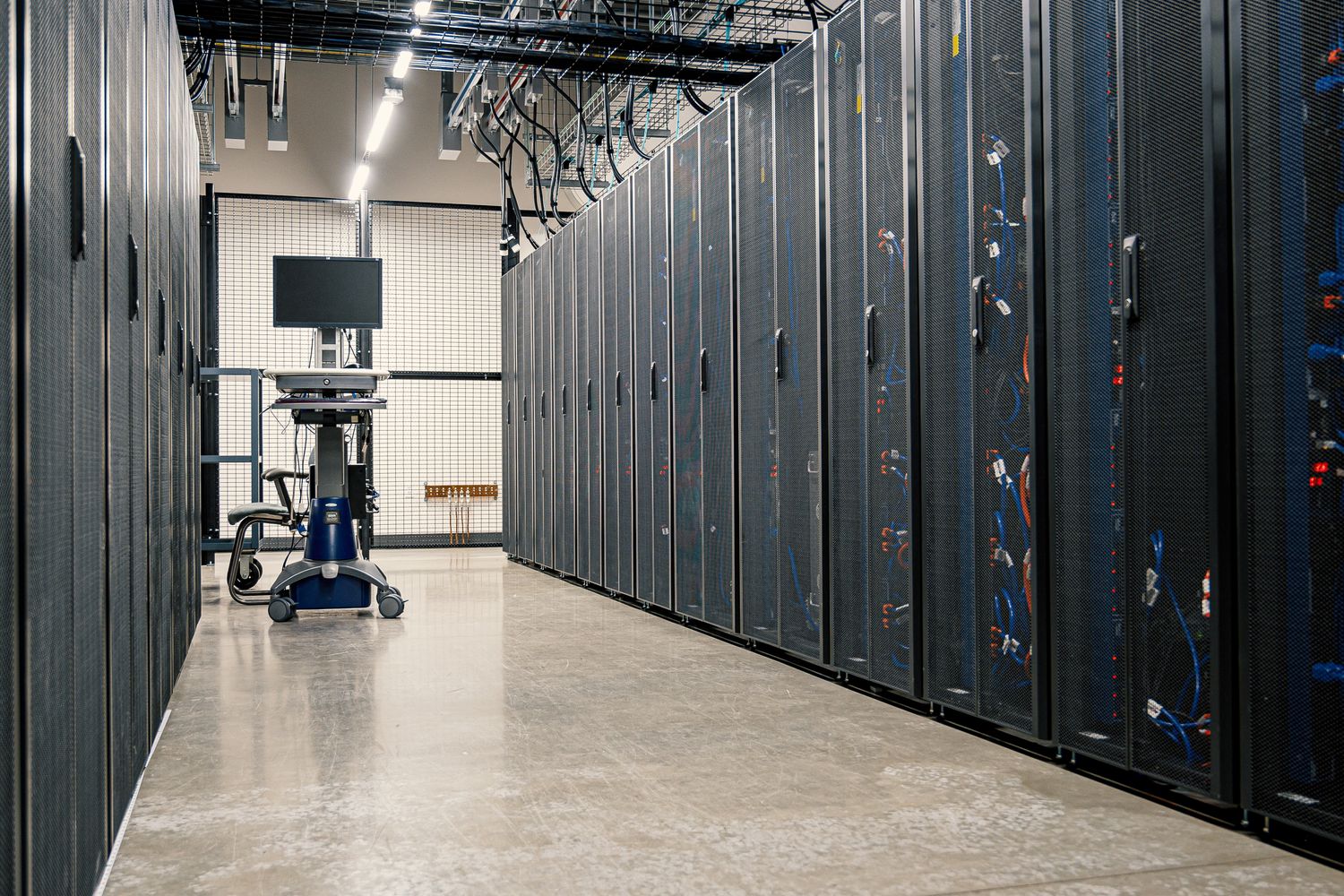
Now look at what the jobs report said about where the actual hiring is happening. Healthcare employers added 17,000 jobs in September, though the pace has slowed from the past year. Construction employment, lifted by the data-center boom, rose by 11,000. Manufacturing ticked up slightly. These are the goods-producing sectors feeding the AI boom, pouring concrete for server farms and wiring racks that may never sit empty.
Jeffrey Roach, chief economist at LPL Financial, put the split plainly in written commentary: “We are seeing the tension between the goods-producing sectors that support the AI boom and the services-producing sectors that are feeling the impact of technological change.” One side of the economy is building the future. The other is being reshaped by it, and not always kindly.
The losers on Friday showed the other side’s bruises. Nike slumped after projecting a bigger sales decline this fiscal year than analysts had feared, a reminder that the consumer underneath the market rally is picky and stretched. Seagate plunged 12% and Western Digital 10% on reports of a Toshiba production expansion, a classic commodity-cycle gut punch hitting even tech-adjacent names that are not part of the AI inner circle.
Then there is the quiet pressure squeezing almost everything: money costs more than it has in a generation. The 10-year Treasury yield finished Friday at 5.28%, a day after hitting a 24-year high near 5.35%. Mortgage rates have surged above 7%. The 30-year yield ended at 5.63%. For the giants of the Nasdaq, flush with cash and priced for a decade of AI profits, those yields are a footnote. For the average company in the equal-weight index, carrying real debt and selling to real households, they are the weather.
This is why “bad news is good news” works for the index and feels wrong in your gut. Friday’s soft jobs report (29,000 jobs added versus roughly 85,000 expected, unemployment up to 4.2%) slashed the odds of an October Fed rate hike to 23% to 24% from 64% a week earlier, per the CME FedWatch tool. Relief from the Fed is rocket fuel for long-duration growth stocks, the mega-caps whose profits are priced far in the future. It does much less for the regional bank, the retailer, or the small manufacturer whose customers are already pulling back.
So what should a regular person do with this? First, know which market you own. If your 401(k) sits in an S&P 500 index fund, you own the market that is being carried, the one where a few dozen names do the heavy lifting. That has been a wonderful place to be. But the seven-week slide in the equal-weight index is the market whispering that breadth, the number of stocks actually participating, is thinning. Rallies that narrow often end in one of two ways: the laggards catch up, or the leaders stumble.
Second, watch the handoff. The next real test is the September inflation report on October 14, followed by the Fed’s decision on October 28. If inflation cooperates and the Fed can pause, the cheaper money could finally reach the second market, the average company, and broaden this rally into something sturdier. If inflation runs hot, the Fed keeps hiking, and the divergence between the AI economy and everything else could get wider and uglier.
There is a hopeful version of this story, and it is worth holding onto. The data-center boom is real hiring, real concrete, real paychecks for electricians and plumbers. The goods-producing side of this economy is genuinely building something. The question is whether the prosperity it creates spreads beyond the server racks and the share prices of a few dozen companies, reaching the services economy where most of us actually work and spend. Friday’s record flirtation was beautiful to watch. But a record that only a handful of stocks can touch is a party most of the market was not invited to. The healthiest rallies are the ones where everybody eventually shows up.