Here is a number that explains more about the American economy than any GDP report: the top 10 percent of earners now account for 49.2 percent of all consumer spending, the highest share since Moody’s Analytics began tracking the data in 1989. Up from about 36 percent three decades ago. Meanwhile, households earning under $175,000 a year, the bottom 80 percent, have barely grown their spending in real terms since the pandemic. There are two American consumers now. One is fine. The other is running on fumes.
The savings data tells the same story from the other side. In July, the personal saving rate fell to 3.0 percent of disposable income, with total personal saving of $712 billion, according to the Bureau of Economic Analysis. For most of the decade before the pandemic, households saved 7 to 8 percent of income. The rate spiked above 16 percent in 2020 when stimulus checks landed and there was nowhere to spend them, and it has bled lower ever since. As Lance Roberts’ analysis puts it, a 3.0 percent print is near the lowest reading in 20 years, and it changes the math on resilience: when the car breaks down or work hours get cut, a family saving 8 percent absorbs the hit, while a family saving 3 percent reaches for a credit card.
And reach they do. Total credit card balances hit $1.26 trillion in the second quarter, up $21 billion in three months. The flow of new delinquencies sits at 6.97 percent, flat since 2024, according to the New York Fed, and the increases are showing up first among subprime and lower-income borrowers while prime credit performance has barely moved. Perhaps the most telling figure: 49 percent of Americans now say carrying revolving credit card debt from month to month is simply normal, according to NerdWallet. Debt has been normalized the way a chronic ache gets normalized: you stop noticing until it stops you.
Moody’s chief economist Mark Zandi, whose research sits behind the 49.2 percent figure, has been blunt about what it means. “Looking at the data, it’s not a mystery why most Americans feel like the economy isn’t working for them,” he wrote. And: “As long as they keep spending, the economy should avoid recession, but if they turn more cautious, for whatever reason, the economy has a big problem.” The economy is, in his phrase, running on luxury fuel. That is a strange and fragile way to power a $30 trillion machine.
It is worth noting that the 49.2 percent figure has critics. Economist Antoine Levy has argued the methodology overstates the concentration, noting that the top 10 percent do not even receive 40 percent of disposable income and landing on a lower estimate near 35 percent. The debate is technical, but it does not change the direction: whichever estimate you prefer, the concentration of spending at the top has risen sharply, and the bottom 80 percent are treading water. The honest reading is that the economy’s resilience increasingly depends on the spending habits of a minority.
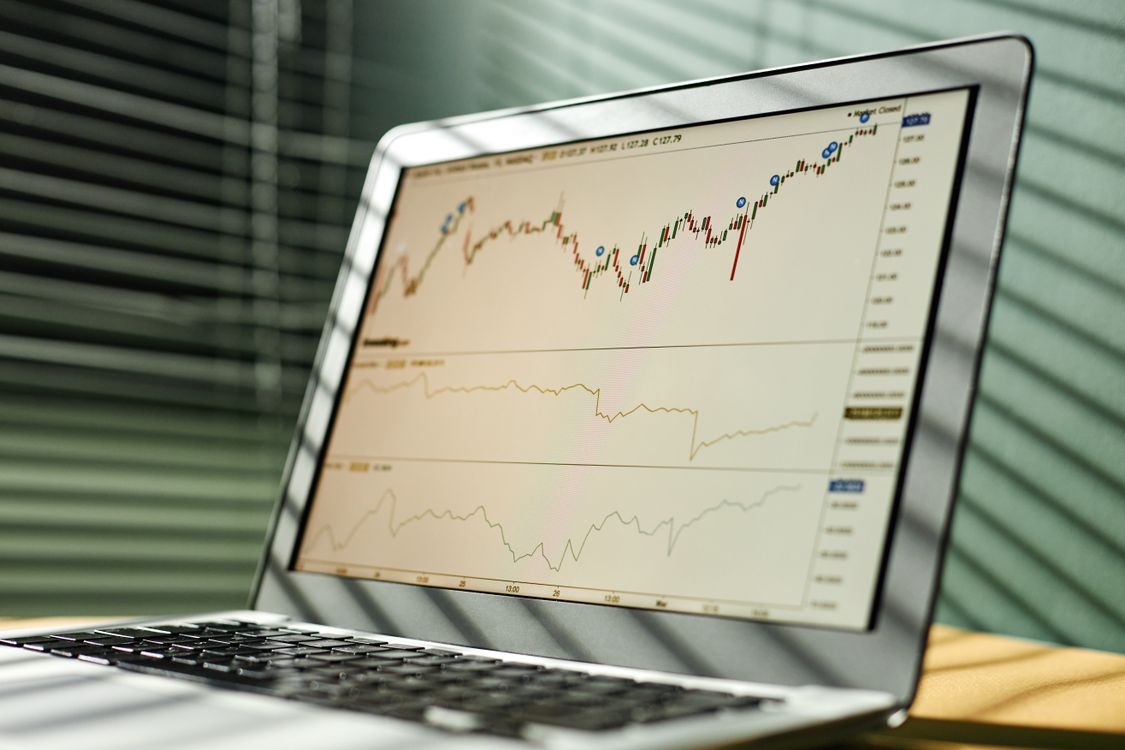
Why does this matter for a family in the middle? Because it explains the dissonance of 2026: the stock market near record highs, the S&P 500 closing Friday at 7,743, while consumer sentiment sits at a four-month low and 1-year inflation expectations jump to 4.6 percent. Asset owners feel wealthy and spend; wage earners feel squeezed and borrow. The two experiences are both real, and they are diverging.
The mechanics are straightforward. Wealthy households own stocks and homes, both of which have appreciated enormously. Their spending is funded by gains. Middle and lower-income households own their labor, and wage growth, while positive, has not kept pace with the cost of housing, insurance, groceries, and now 7 percent mortgages. Their spending is funded by income plus credit. When credit gets expensive, as it has with the Fed raising rates and card APRs near record highs, the second group’s room to maneuver shrinks fast.
Consider what this means for a typical family budget meeting around a kitchen table. The national saving rate of 3 percent is not their rate; it is an average dragged up by high earners saving large sums. For a household earning $70,000 with $8,000 in credit card debt at 24 percent interest, the relevant economy is not the one on television. It is the interest charge compounding every month, quietly consuming the raise they worked all year to earn.
There is a community dimension to this that numbers alone miss. When half of spending comes from the top tenth, the economy’s signals get distorted. Retailers cater to luxury. Developers build luxury apartments. Politicians hear from donors who are doing well and wonder why everyone is so gloomy. The lived economy of the checkout line and the measured economy of the GDP report drift apart, and trust in both erodes.
What can a household do inside a two-speed economy? The honest answer is unglamorous. First, treat the saving rate as the single most important number you control: 3 percent is the national average, and it is not enough. Second, attack revolving credit card debt as the emergency it is; at current rates, carrying a balance is one of the most expensive decisions a household can make. Third, remember that the economy’s averages now describe someone else’s life. Plan for your own: your wage growth, your housing cost, your debt load, not the national figures.
My take is that the two-consumer economy is the defining economic fact of this decade, more important than any single Fed decision. Interest rates will rise and fall; the concentration of spending power is structural, built over thirty years of asset appreciation outpacing wage growth. The question is not whether the top 10 percent keep spending. It is whether an economy can stay healthy when most of its people are merely keeping up. History suggests the answer is no, not for long. The fumes run out eventually.
What to watch next
Holiday retail sales will be the real-time test of the two-speed consumer: watch whether discount retailers or luxury brands report stronger quarters. And watch delinquency data from the New York Fed each quarter; when prime borrowers start slipping, the second consumer has hit the wall.