
Markets are closed this weekend, and honestly, they could use the rest. This was the week the Federal Reserve raised rates a quarter point to 3.75%–4.00% — the first hike since July 2023 — oil spiked toward $110 on a damaged Saudi pipeline, the 10-year Treasury touched its highest yield since 2007, and Bitcoin crashed the $80,000 party. As of Saturday morning, September 19, 2026, the smoke is clearing. Here’s what could move your money next week.
The headline act is Wednesday, September 23: preliminary PMI readings from Germany, the eurozone, the U.K., and the U.S. — a synchronized health check on the world’s biggest economies, and the key event of the week, according to the economic calendar. The U.S. flash PMI lands at 8:45 AM CT. Anything above 50 signals growth; below 50, contraction. With factories and service firms everywhere answering the same questions at the same time, Wednesday morning is when the “is the global economy holding up?” debate gets fresh evidence.
But the week starts in Asia. Late Sunday night CT, the People’s Bank of China announces its interest-rate decision — the bank cut to 3.00% back in May 2025 after a long pause, and it’s expected to hold there. Any surprise would ripple through Asian markets first. Monday morning at 10:00 AM CT brings Bank of Canada Governor Tiff Macklem’s speech, and Monday night brings Reserve Bank of Australia Governor Michele Bullock’s remarks at about 10:10 PM CT — both worth watching for clues on how central bankers outside the U.S. are reading the same inflation fight the Fed just acted on.
Thursday is the Swiss National Bank’s turn. The SNB is widely expected to keep its deposit rate at 0.0%, after eight straight meetings of cuts since March 2024. Australia also reports employment data Thursday — its unemployment rate sat at 4.5% in August, and the July reading showed a surprising drop of 15,800 jobs, so this one matters for the Aussie dollar and for the global labor-market story. Friday, notably, has nothing major scheduled — a rarity in a month like this.
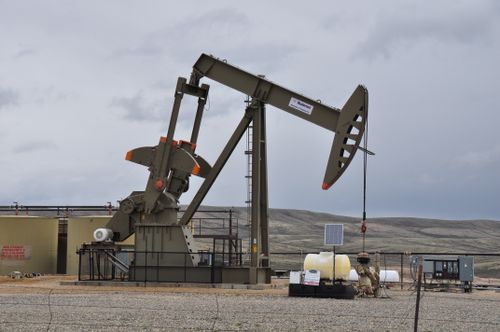
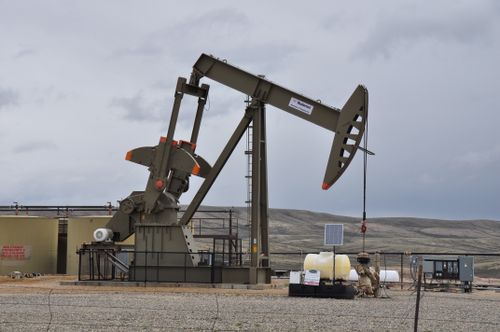
The wildcard, of course, is oil. Brent crude closed Friday just under $104 a barrel, down about 1%, after a week that saw an intraday high of $109.80 on damage to Saudi Arabia’s East-West pipeline and a tanker hit in the Strait of Hormuz. Prices eased on reports that Saudi Arabia aims to restore about half the pipeline’s capacity within days, and that China asked Iran to rein in Yemen’s Houthis — but Bloomberg also reported the kingdom told at least two European customers they won’t receive crude deliveries next month. Any headline from the Middle East lands straight in your gas tank and your grocery bill, so this is the story that can ambush an otherwise quiet calendar.
Europe gets its own busy week on the earnings front, too: Reuters has penciled in a full slate of STOXX Europe 600 reports, from French biotech Abivax after Monday’s close to JD Sports and H&M’s third-quarter results midweek.
Two things I’m watching, offered as my take. First, the calendar: with the Fed now in hiking mode and the market pricing a 44.3% chance of another half-point of hikes this year (per the CME FedWatch Tool), every PMI print is really a question about whether central banks can keep tightening without breaking something. Second, the plumbing: Friday was triple witching, and as Charles Schwab’s Joe Mazzola noted, position-shifting ahead of quarter-end can keep volatility elevated into next week — the so-called “window dressing” season. Quiet calendars have a way of being loud anyway.
Deo Salvator’s note: this column is for understanding, not advice. A week-ahead calendar isn’t a trading plan — it’s a reminder to check your emergency fund, your 401(k) contributions, and your nerve, in that order.