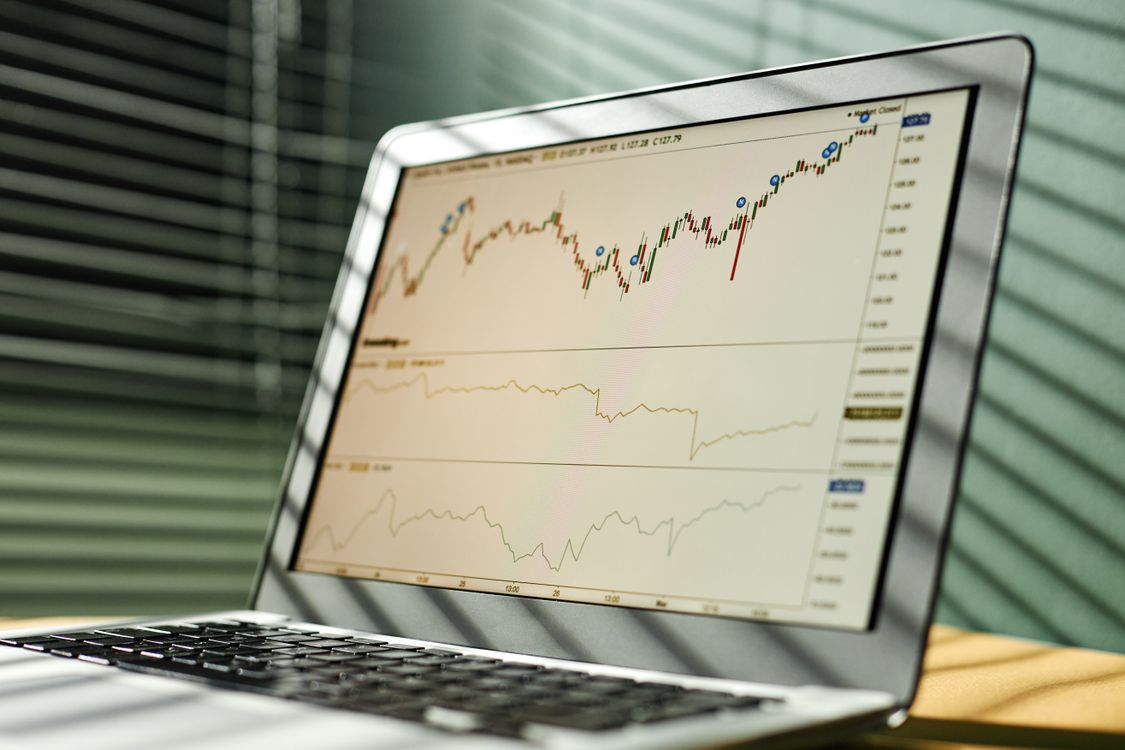
U.S. stock futures reopen Sunday evening at 6 p.m. ET after a week that split the market in two. The Nasdaq finished higher, the S&P 500 finished flat, and the Dow Jones Industrial Average suffered its worst week since March, falling 1.7% for its third consecutive weekly loss and its largest three-week decline since late March, according to Barron’s.
Sunday nights on Wall Street have their own kind of quiet. The screens that roared all week are dark, and the only markets moving are the ones that never sleep: crypto, currencies, and commodities trading around the clock across the globe. Before the futures start flickering again, it is worth taking stock of exactly where Friday left us, because the week ahead is full of events that can move prices fast.
Here is how the week ended, by the numbers. The S&P 500 ticked 0.1% lower on the week, the Nasdaq Composite rose 0.7%, the Dow lost 1.7%, and the small-cap Russell 2000 shed 1.5%, with the Dow and small caps both falling to three-month lows, Investor’s Business Daily reported. Both the Nasdaq and the S&P 500 finished above their 50-day moving averages, a technical line that chart-watchers treat as a sign the uptrend is not broken. Friday’s closing levels were 51,778 on the Dow, 7,637.76 on the S&P 500, and 26,418 on the Nasdaq, according to the Bull Bear Report from Real Investment Advice cited in our week-in-review coverage.
The week’s defining moment was the Federal Reserve. On Wednesday, September 16, the central bank raised its benchmark rate by a quarter point to a range of 3.75% to 4.00%, its first hike in three years, and the vote was unanimous. The bond market sold off hard. The 10-year Treasury yield touched 5% this week, its highest since 2007, and finished near 5.01%, while the 30-year held near 5.34% and the 2-year rose to 4.76%, its highest close since July 2024 (Morningstar, Barron’s).
The damage was not spread evenly. Banks had their worst week since March, with Goldman Sachs and Bank of America each shedding roughly 8% as higher long-term yields and a steeper hiking path squeezed the financial outlook (Real Investment Advice). But growth stocks fought back late. Artificial intelligence names tumbled Monday after industry leaders called for a development slowdown, yet software rebounded, and by Friday some of the year’s strongest performers were sitting in buy areas: memory-chip maker Sandisk and biotech Moderna, both among the S&P 500’s top gainers this year, plus Advanced Micro Devices, according to Investor’s Business Daily.
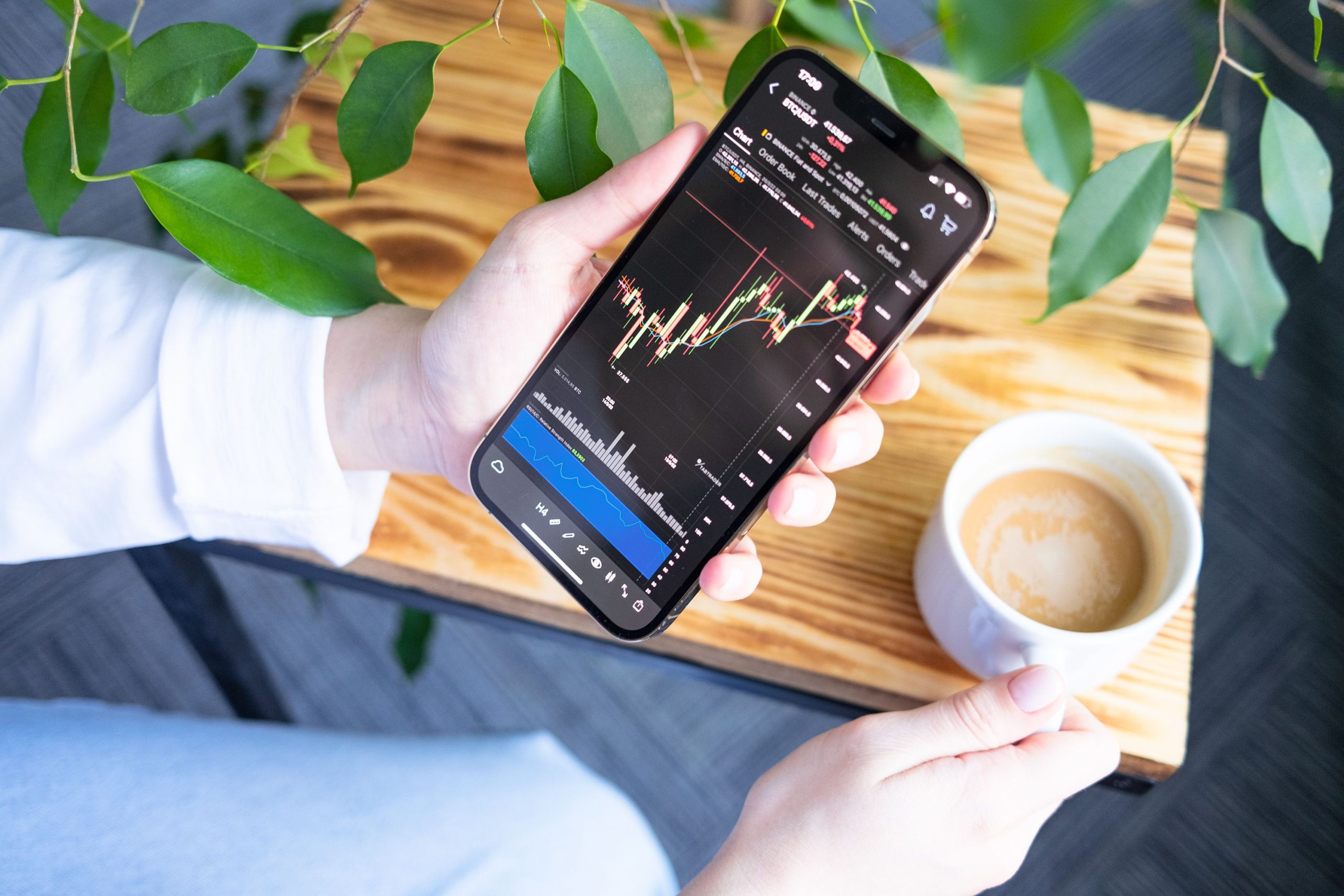
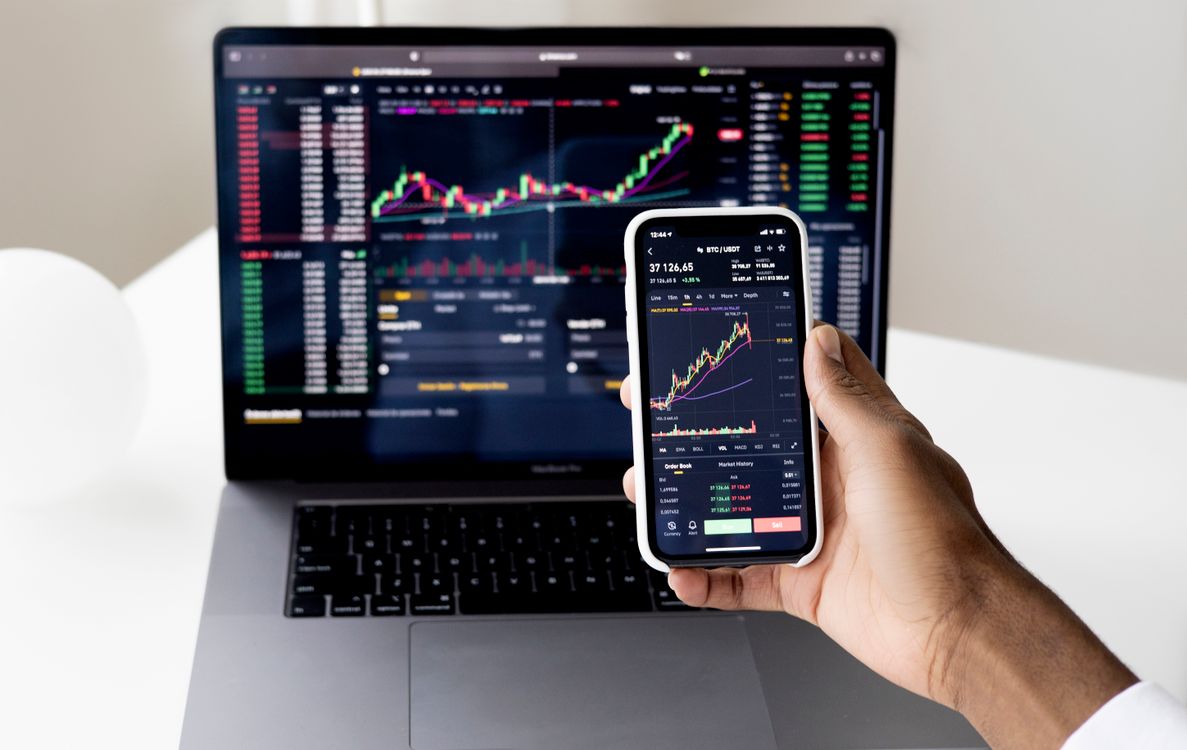
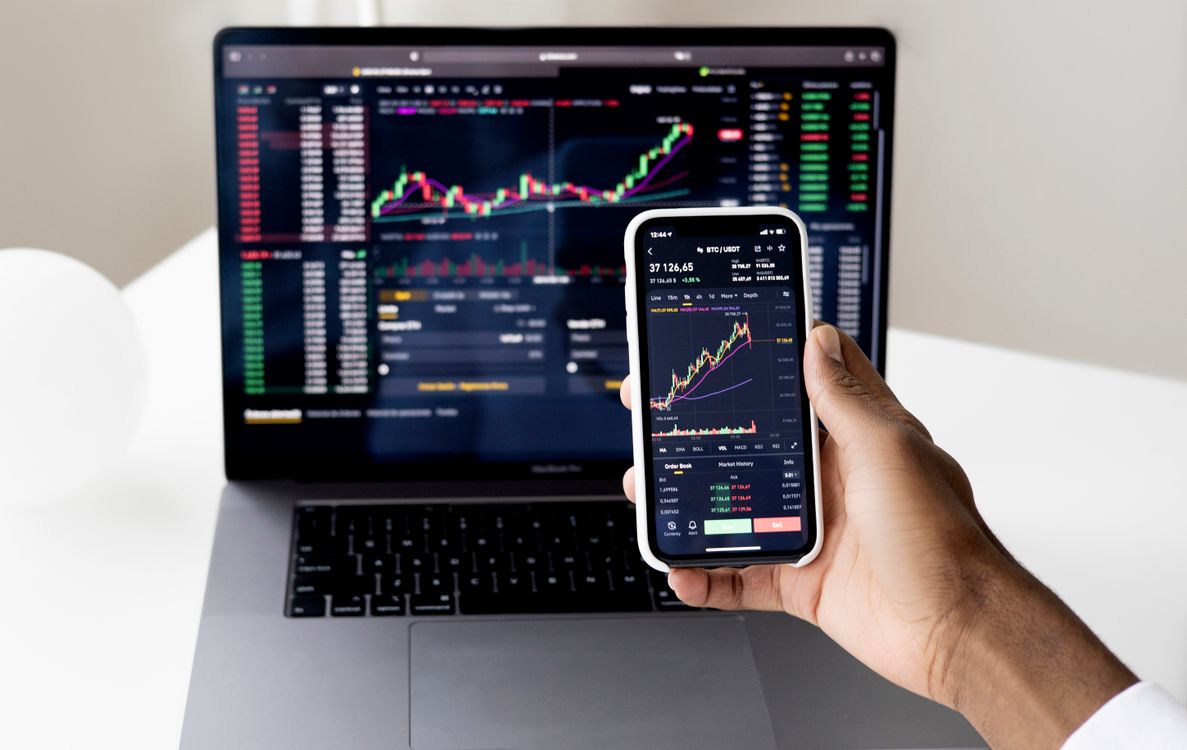
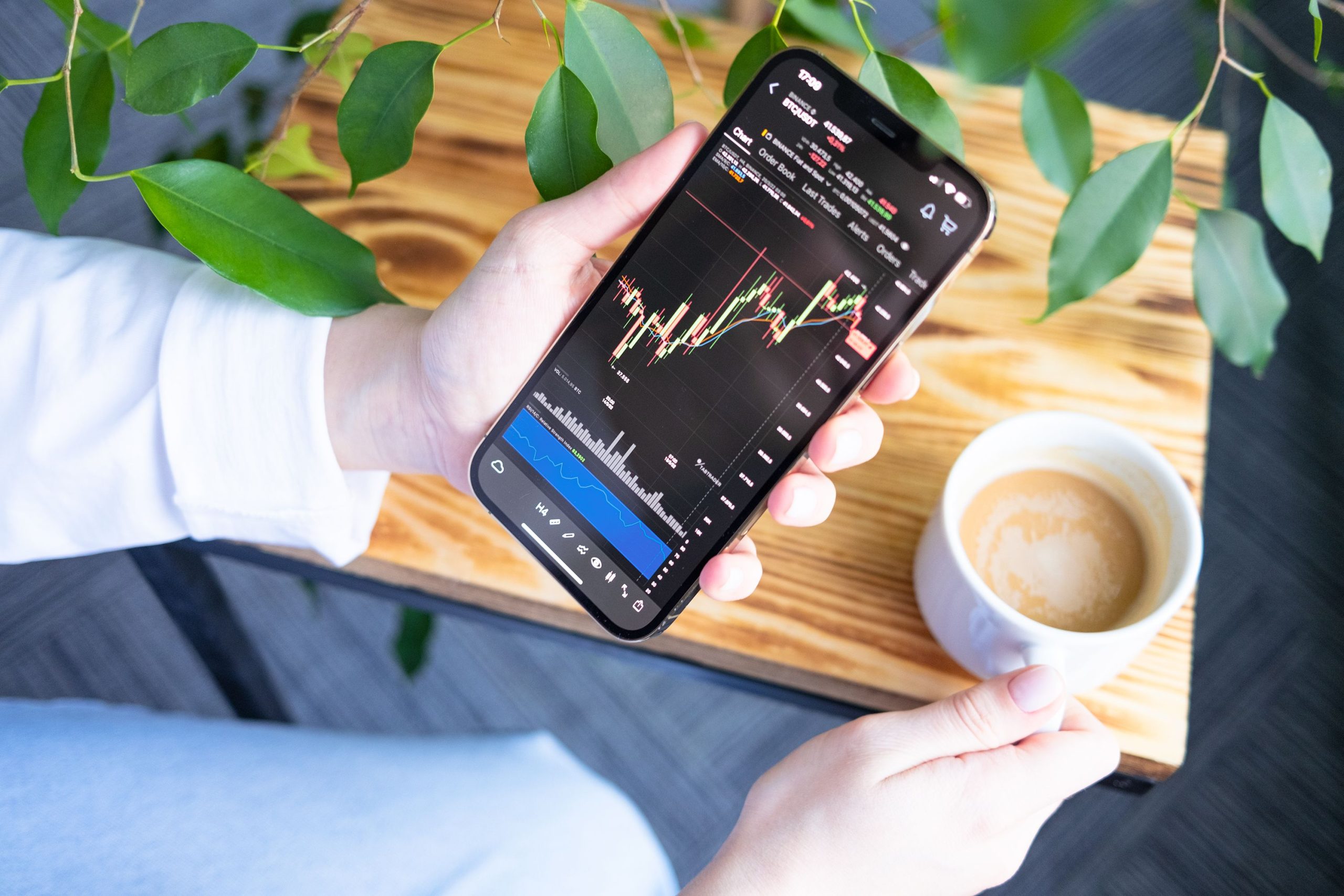
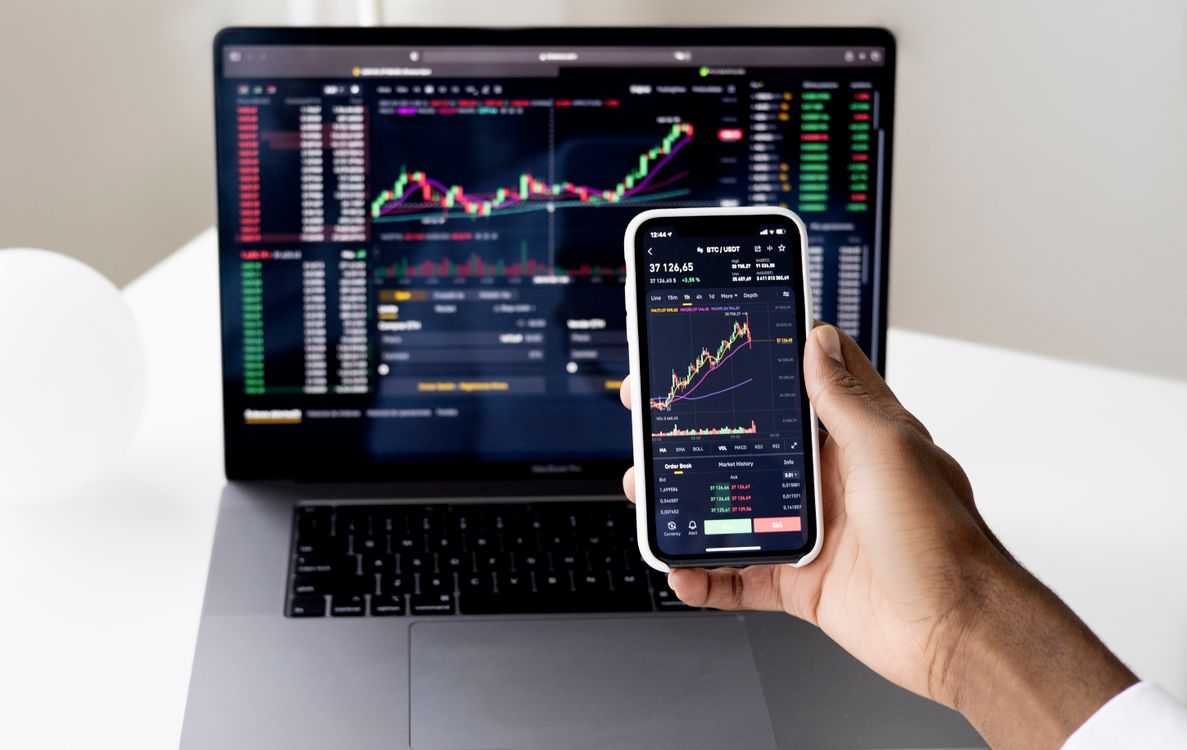
The most interesting Friday story may have been crypto’s return. Bitcoin surged back into a bullish upside reversal, and Robinhood Markets, which lives and dies with retail crypto trading, jumped back into a buy zone. Coinbase flashed an aggressive entry as well (Investor’s Business Daily). The weekend kept the momentum: Bitcoin traded around $81,126 on Sunday, up 6.22% over five days, while Ethereum held near $2,631, up 7.39% over five days (Finnhub market data, Finnhub market data). Behind the move is real money. Bitcoin ETFs pulled in $433 million on September 18 alone, the strongest session since September 3, after two straight days of outflows that had drained roughly $746 million (CryptoDnes). Total crypto market capitalization reached about $2.78 trillion, and the Fear and Greed Index sat at 73, firmly in “Greed” territory (CryptoDnes).
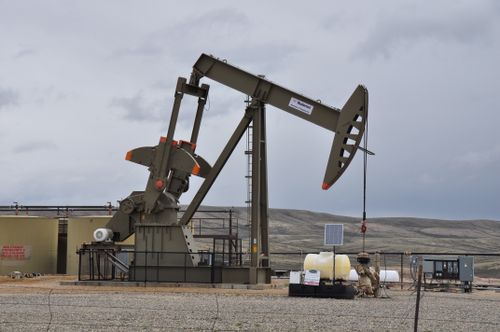
Commodities calmed down from their midweek drama. West Texas Intermediate crude finished the week at $99.49, down 0.50% on the week, after surging past $100 on drone attacks that shut Saudi Arabia’s East-West pipeline (Morningstar). Gold slipped 1.22% on the week to $4,325.30 an ounce, though gold futures closed Friday at $4,382.82, up 0.9% on the day and 2.8% since the Fed meeting, as falling oil prices and a softer dollar eased inflation fears (Morningstar, ad-hoc-news.de).
Overnight, remember the usual caveat: futures and weekend crypto moves do not always translate into Monday’s regular session (Investor’s Business Daily). But the weekend has already delivered the week’s first headlines. President Trump is expected to address the United Nations General Assembly on Tuesday and meet with Gulf leaders, and the long-anticipated Trump-Xi summit takes place Thursday in Washington, with the U.S. and China holding a fragile trade truce since last year (Barron’s).
My take: Friday’s flat close hides a market that is rebalancing in real time. Money is rotating out of the blue chips that got hit by the hike and into growth and crypto plays betting the worst of the repricing is done. The 10-year yield is the number to watch at the open. If it drifts back toward 5% in the overnight session, the Dow’s three-week slide could find new company. If it settles, the Nasdaq’s bid for new highs stays alive. Either way, Sunday’s quiet will not last long.
As of 5:30 p.m. CT, Sunday, September 20, 2026. Futures reopen at 6 p.m. ET.