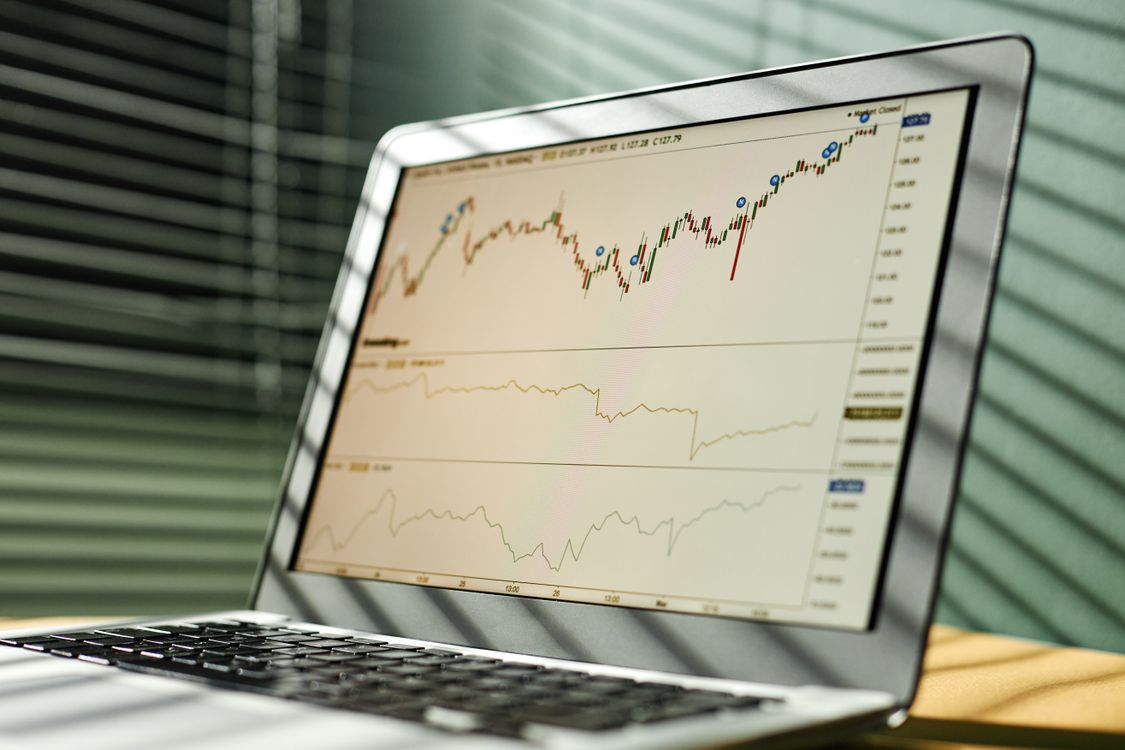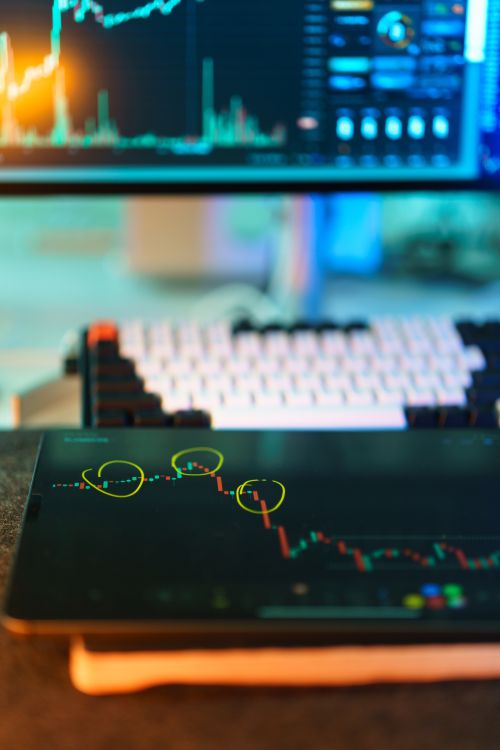
U.S. stock futures reopen Sunday evening at 6 p.m. ET, and when the opening bell rings Monday morning, traders will be picking up right where Friday left them: a market that could not decide what the Federal Reserve’s first rate hike in three years really means. The Nasdaq rose 0.7% last week while the S&P 500 slipped 0.1%, but the Dow Jones Industrial Average fell 1.7% for its worst week since March, closing at 51,778, with the index and small caps both at three-month lows (Investor’s Business Daily, Real Investment Advice).
Monday’s calendar is mercifully quiet. There is no major U.S. economic data scheduled for September 21, which gives the market a rare thing: a full session to digest last Wednesday’s Fed decision without a new number shouting over it. But quiet does not mean empty.
The first event of the day comes from Beijing. The People’s Bank of China announces its loan prime rates overnight, and the decision is expected to leave rates unchanged, according to NordFX’s week-ahead outlook. Asia’s reaction will be the first signal of the global mood before Europe and then New York open.
Then the talking begins. Chicago Fed President Austan Goolsbee speaks Monday, kicking off a parade of Fed officials that runs all week: John Williams, Philip Jefferson, and Thomas Barkin on Tuesday, Williams and Barkin again Wednesday, Beth Hammack and Anna Paulson Thursday, and Hammack again Friday (Fidelity’s economic calendar, via our week-ahead coverage). Every speech is a potential breadcrumb on the pace of this new hiking cycle. With the Fed’s own projections hinting another increase is possible before year-end and traders pricing roughly a 47% chance of a quarter-point hike through December, per the CME FedWatch data cited by Barron’s, each word will be parsed for hawkish or dovish lean.
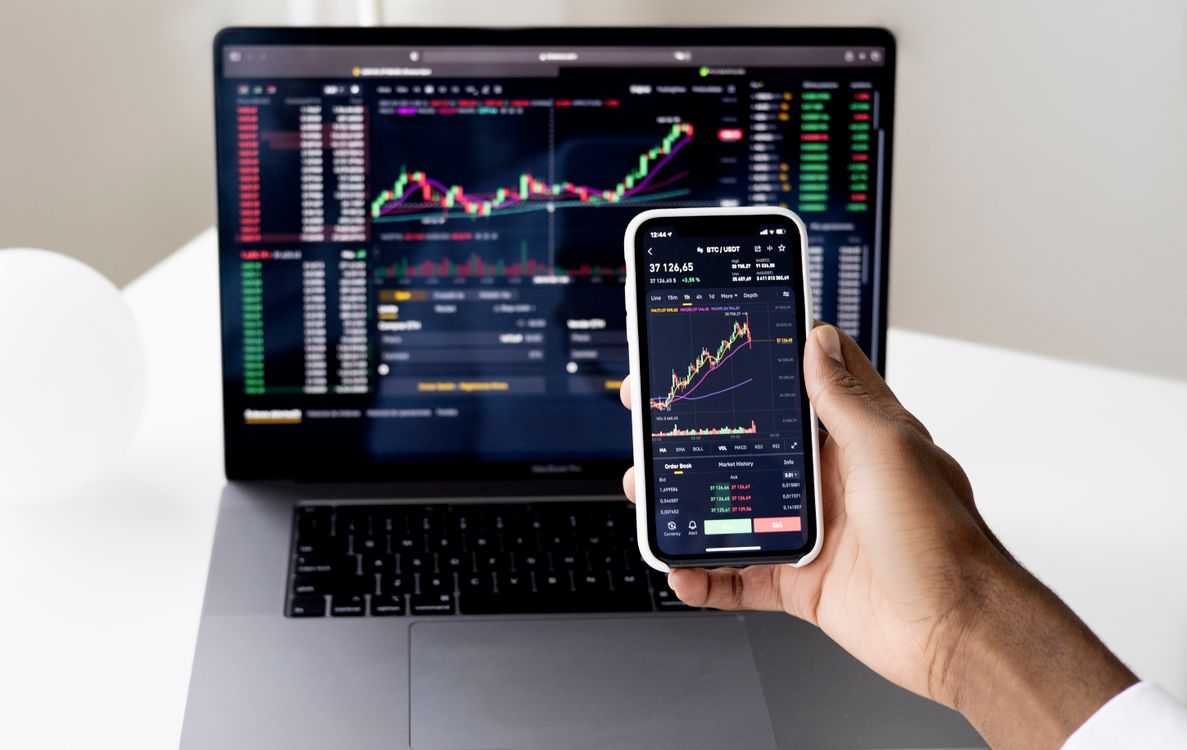
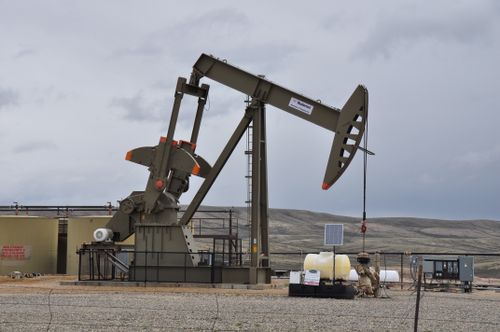
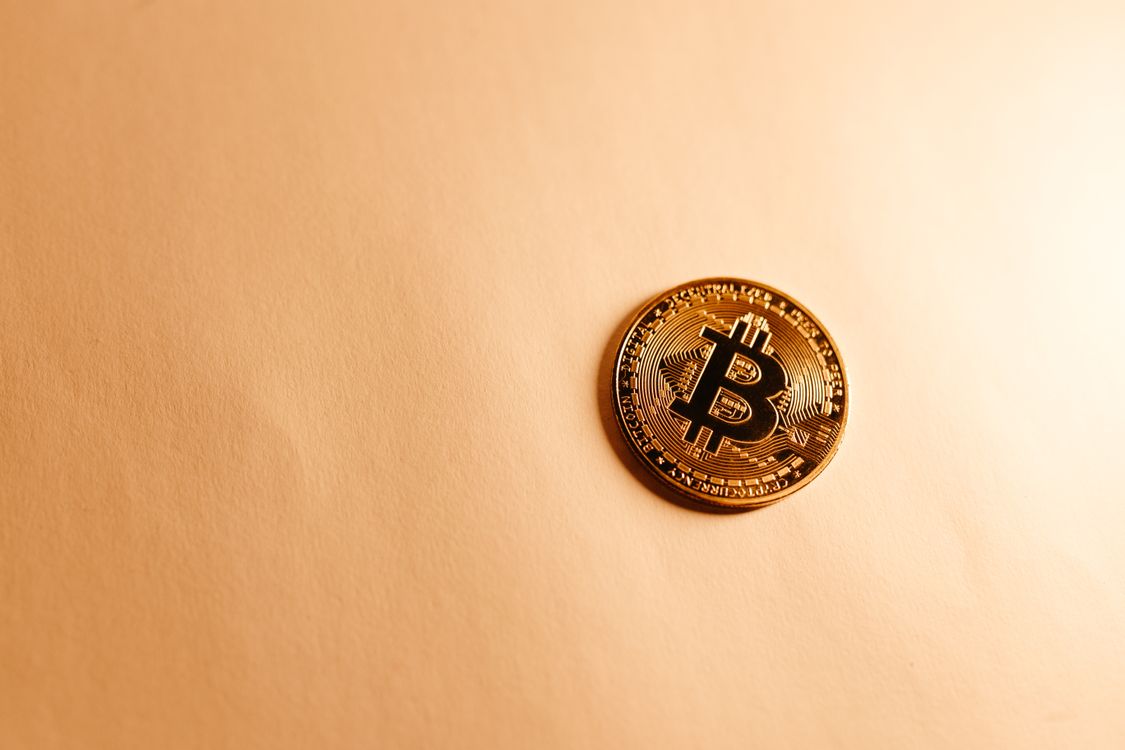
Watch three numbers at the open. First, the 10-year Treasury yield, which finished the week at 5.01% after touching 5% this week, its highest since 2007 (Morningstar). Where it trades overnight sets the tone for everything from bank stocks to mortgage-sensitive homebuilders. Second, oil: WTI crude finished Friday at $99.49, down 0.50% on the week after the Saudi pipeline drama (Morningstar), and any weekend headlines out of the Strait of Hormuz can move it fast. Third, crypto, the only market that traded all weekend: Bitcoin held around $81,126 on Sunday, up 6.22% over five days, and Ethereum near $2,631, up 7.39%, after Bitcoin ETFs pulled in $433 million on Friday, their strongest session since September 3 (Finnhub, CryptoDnes). That weekend bid is what put Robinhood and Coinbase back in buy areas on Friday, and Monday’s first trades will test whether it holds (Investor’s Business Daily).
Beyond Monday, the week’s tentpoles are already marked: President Trump addresses the U.N. General Assembly on Tuesday, Wednesday brings flash PMI readings across the U.S., eurozone, and U.K., and Thursday pairs the Trump-Xi summit in Washington with weekly jobless claims (Barron’s, NordFX).
My take: Monday is a positioning day, not a deciding day. The real moves will come later in the week when the speakers, the summits, and the PMIs arrive. But the opening print matters for one reason: it shows whether Friday’s late-week healing, the Nasdaq’s resilience above its 50-day line and crypto’s weekend strength, was the start of a rebound or just a pause before the Dow’s three-week slide spreads. Watch the yield, watch the futures at 6 p.m., and let the market show its hand.
As of 5:30 p.m. CT, Sunday, September 20, 2026.