
The stock market closed one of the most eventful weeks in recent memory almost exactly where it started. For the trading week ended September 18, the S&P 500 slipped 0.08% and the Nasdaq Composite gained 0.72%, according to Morningstar’s weekly market update. Underneath those quiet headline numbers, the Federal Reserve raised interest rates for the first time in three years, Treasury yields touched levels not seen since 2007, bank stocks suffered their worst week since March, and oil prices spiked past $100 a barrel before falling back.
The week belonged to the Fed. On Wednesday, September 16, the Federal Open Market Committee lifted the federal funds target range by a quarter point to 3.75% to 4.00%, its first hike since 2023, and the vote was unanimous, 12 to 0 (Real Investment Advice’s Bull Bear Report). The committee’s updated projections indicated policymakers still see another rate increase possible before the end of 2026, with the median projection for year-end rising to 4.1% (The Motley Fool).
Bonds sold off hard. The 10-year Treasury yield reached 5.04% on September 15, its highest level since 2007, and finished the week at 5.01%, up from 4.96% the prior week (The Vito Report, Morningstar). The 30-year held near 5.34%, and the 2-year note rose to 4.76%, its highest close since July 2024 (Real Investment Advice, Barron’s). Traders now see a 47.1% chance of another quarter-point hike through December, according to the CME FedWatch Tool cited by Barron’s.
The damage was uneven. Of the 874 U.S.-listed companies tracked by Morningstar, just 26% rose while 74% fell. Healthcare was the best sector at plus 1.56%, followed by technology at plus 1.03%; utilities dropped 2.95% and financial services fell 2.29% (Morningstar). Goldman Sachs and Bank of America each shed roughly 8% on the week as the curve and the hike did their work, the banks’ largest weekly loss since March (Real Investment Advice). Small caps lagged badly: mid- and small-cap stocks fell 1.35% and 1.38% respectively.
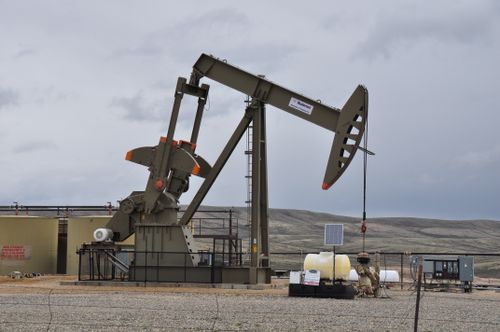
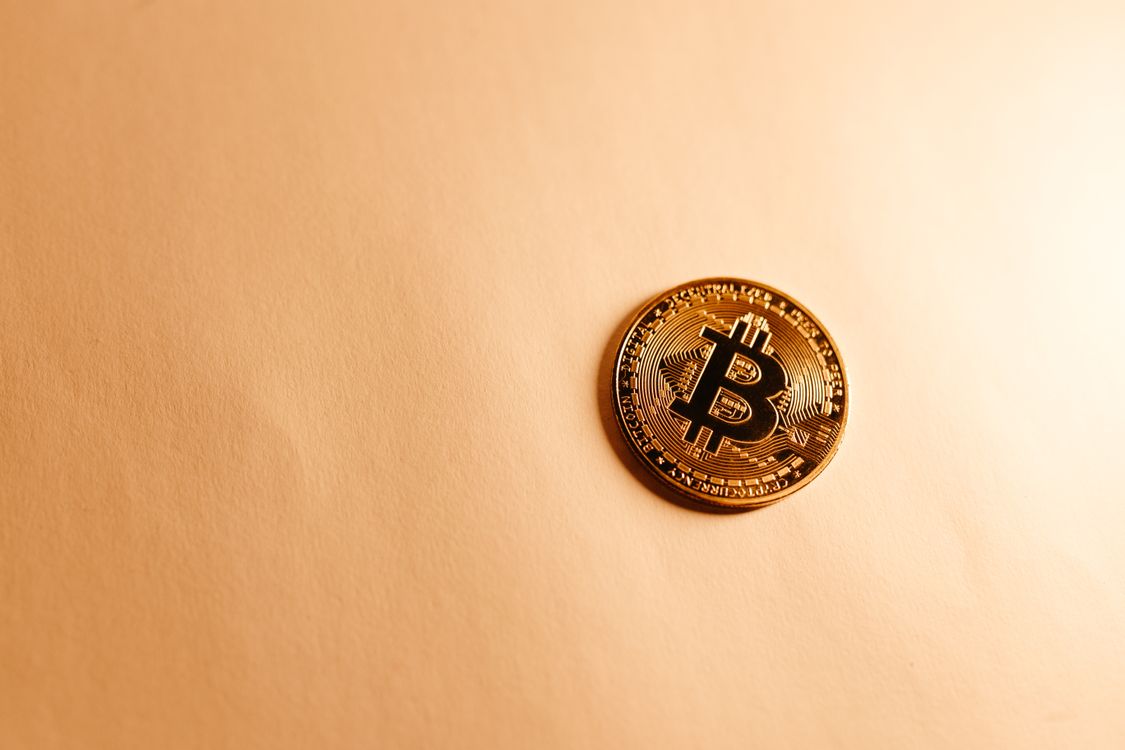
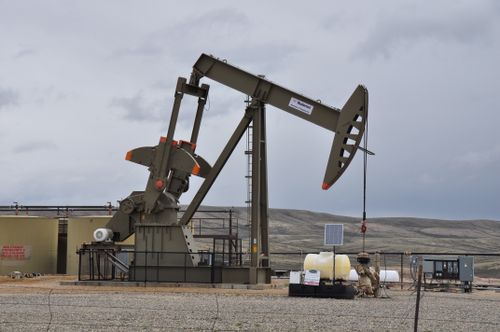
Energy was the week’s drama. West Texas Intermediate crude surged past $100 a barrel after drone attacks shut Saudi Arabia’s East-West pipeline, but finished the week at $99.49, down 0.50%, as Saudi Arabia reportedly offered more crude through the Strait of Hormuz (Morningstar, CNBC via Money Talks News). Gold slipped 1.22% to $4,325.30 an ounce, while bitcoin rose to $81,190, a sign the broader liquidity trade had not yet cracked (Morningstar, Real Investment Advice).
The backdrop darkened for consumers. August consumer prices rose 3.4% from a year earlier, with gasoline the primary driver, and wages have failed to keep pace with prices for five consecutive months (The Motley Fool). Meanwhile the S&P 500’s Shiller CAPE ratio topped 41, the second-highest valuation reading on record after late 1999 (The Motley Fool).
What to watch next: Friday’s quiet close left the Dow at 51,778, the S&P 500 at 7,637.76, and the Nasdaq at 26,418 (Real Investment Advice). “In the near term, continued uncertainty about macro factors such as oil prices, high yields, and the mid-term elections have the potential to exacerbate seasonal volatility,” wrote Daniel Skelly, a portfolio manager at Morgan Stanley Wealth Management, in a note cited by Barron’s. The next CPI report and the October FOMC meeting will decide whether the hike cycle has further to run.