As of 8:30am CT on Thursday, September 24, all eyes in the financial world are on Washington, D.C., where President Donald Trump is hosting Chinese President Xi Jinping for the highest-stakes meeting of the year between the world’s two largest economies.
This is the summit markets have been circling for weeks. The two leaders are expected to discuss artificial intelligence regulation, the Middle East conflict and Iran, Taiwan, and the trade truce between the two nations. And they will not be talking only to each other. Top executives from General Motors, Meta, Apple, Amazon, and Tesla are expected to meet with both leaders, a sign of just how much of American corporate life is riding on what comes out of the room.
The meeting lands against a tense backdrop. This week at the UN General Assembly, U.S. and Iranian leaders exchanged barbs that sent Brent crude back above $100 a barrel. Earlier this month, Trump threatened 100% tariffs on Chinese goods, rattling markets, before striking a more conciliatory tone on Truth Social, telling followers “it will all be fine” (STKMRKT). Treasury Secretary Scott Bessent met with China’s Vice Premier He Lifeng in New York over the weekend to smooth the diplomatic path, and on Wednesday Bessent said the two nations have agreed to extend their tariff truce until January 10.
That extension is no small thing. It buys companies a window of certainty heading into the holiday shopping season and the new year, and experts anticipate the meeting could result in the lowering of some of the tariffs the countries have placed on each other’s imports. For consumers, that is the difference between rising and falling prices on everyday goods. For businesses, it is the difference between planning and guessing.
AI is the other big agenda item, and it is not just policy talk. The artificial intelligence buildout is now large enough that it is moving macro data: Fed Governor Michael Barr cited the “surge in investment demand to support the artificial intelligence buildout” among the shocks contributing to upward price pressure (Wall Street Journal). Whatever framework the two leaders sketch out for AI cooperation or competition will ripple through the chip stocks, the hyperscalers, and the energy companies feeding the data centers.
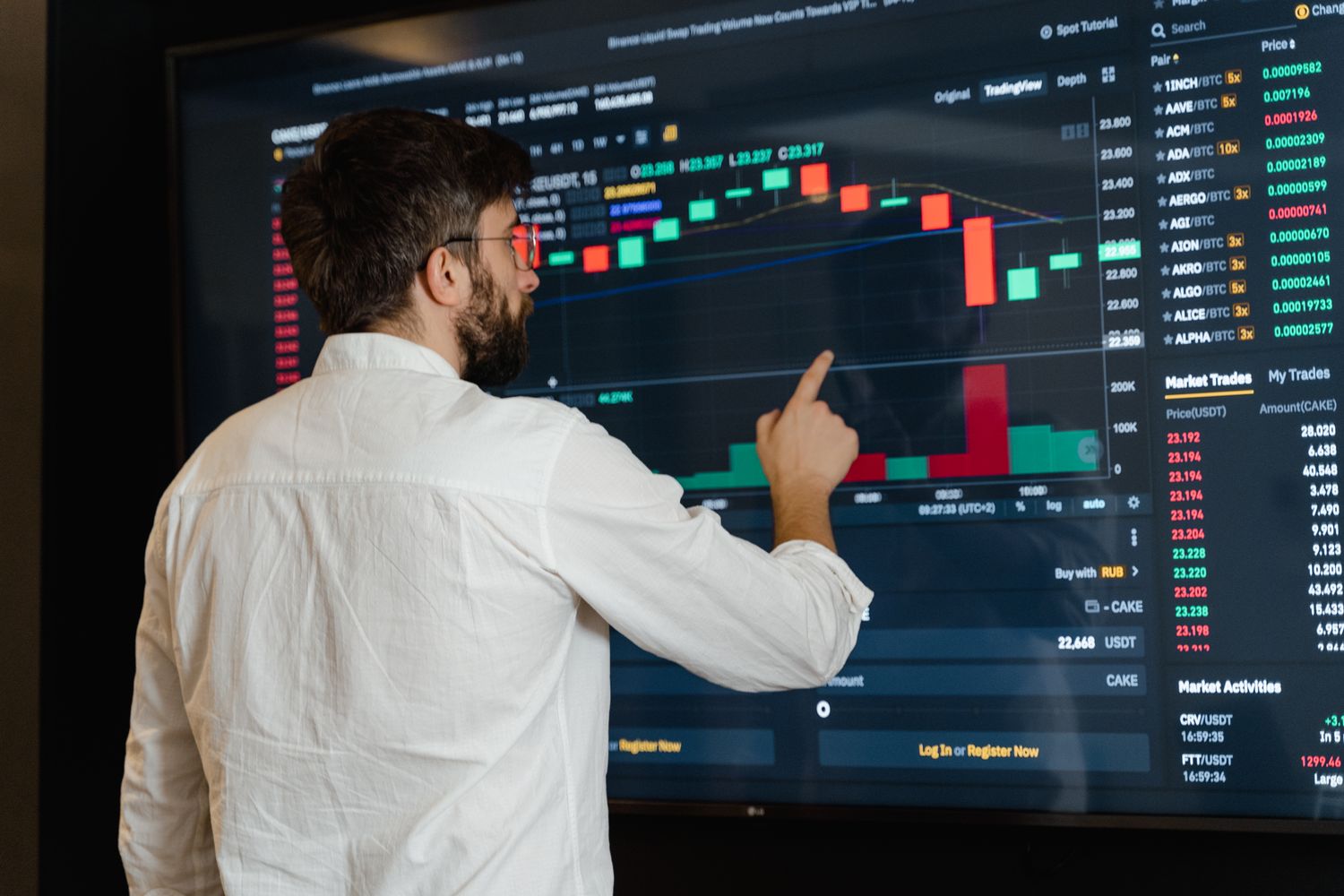
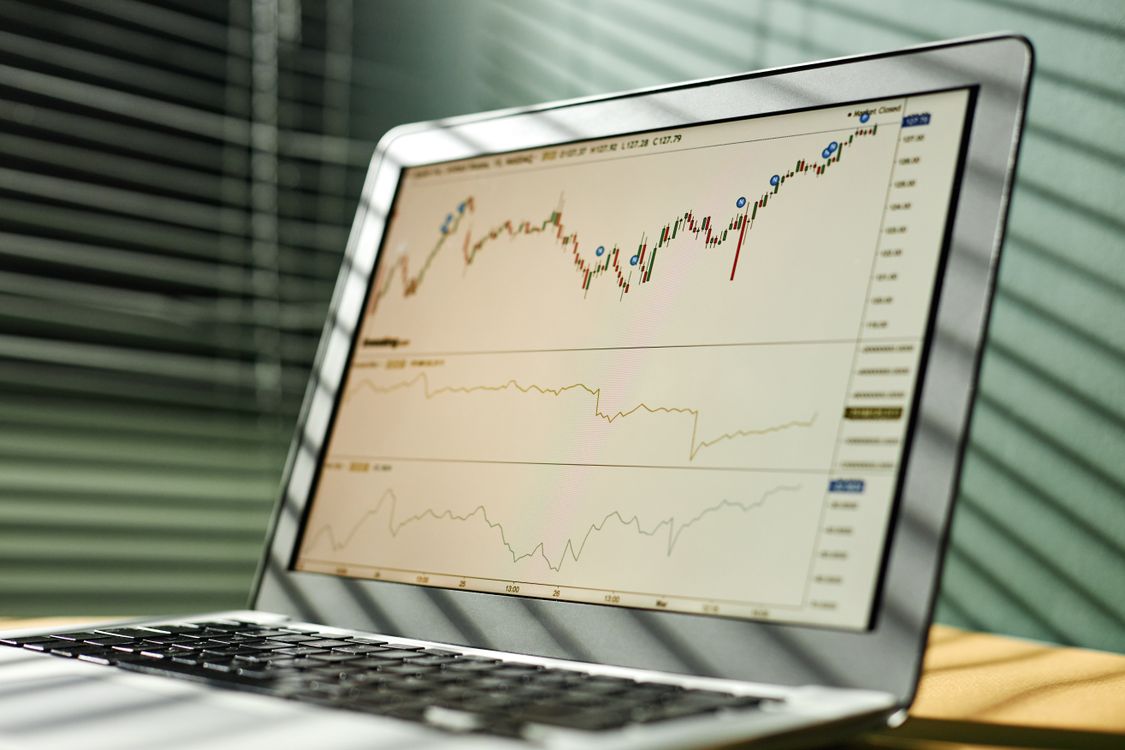
Markets are not holding their breath optimistically, at least not this morning. Wall Street futures dropped Thursday as investors stayed cautious ahead of the summit, and Hong Kong and Shanghai stocks retreated overnight despite early optimism from Xi’s state visit, with the two-month truce extension failing to lift risk appetite. The lesson from the last few summits is clear: markets want deliverables, not handshakes.
Why it matters: when these two leaders meet, the effects land in household budgets. Tariffs set the price of what you buy. Energy talks move the price of what you put in your car. AI decisions shape where the jobs of the next decade get built. This is not diplomacy in a distant room; it is the plumbing of everyday costs.
What to watch next: any joint statement or tariff announcement out of today’s meetings, whether the AI discussion produces guardrails or just talking points, and how the readout lands on futures tomorrow morning. My take: the bar for a market-positive outcome is low, a concrete tariff rollback, but the bar for disappointment is high. Watch the bond market’s reaction as much as the stock market’s; it has been the honest scorekeeper all week.