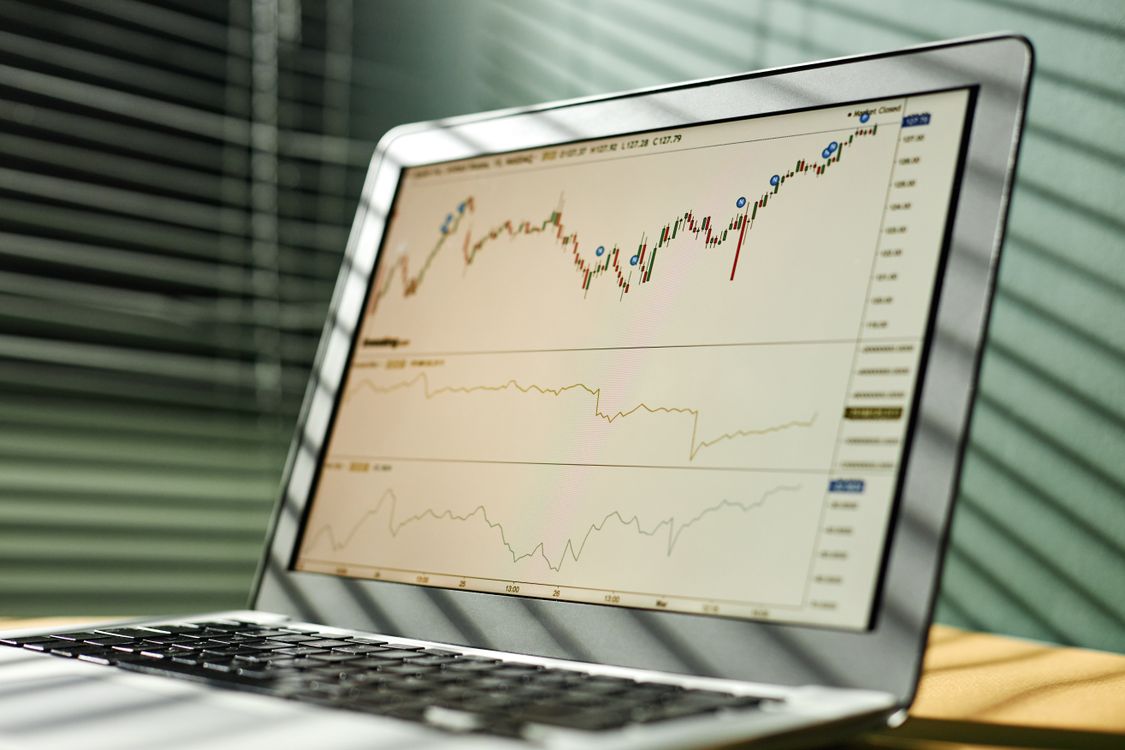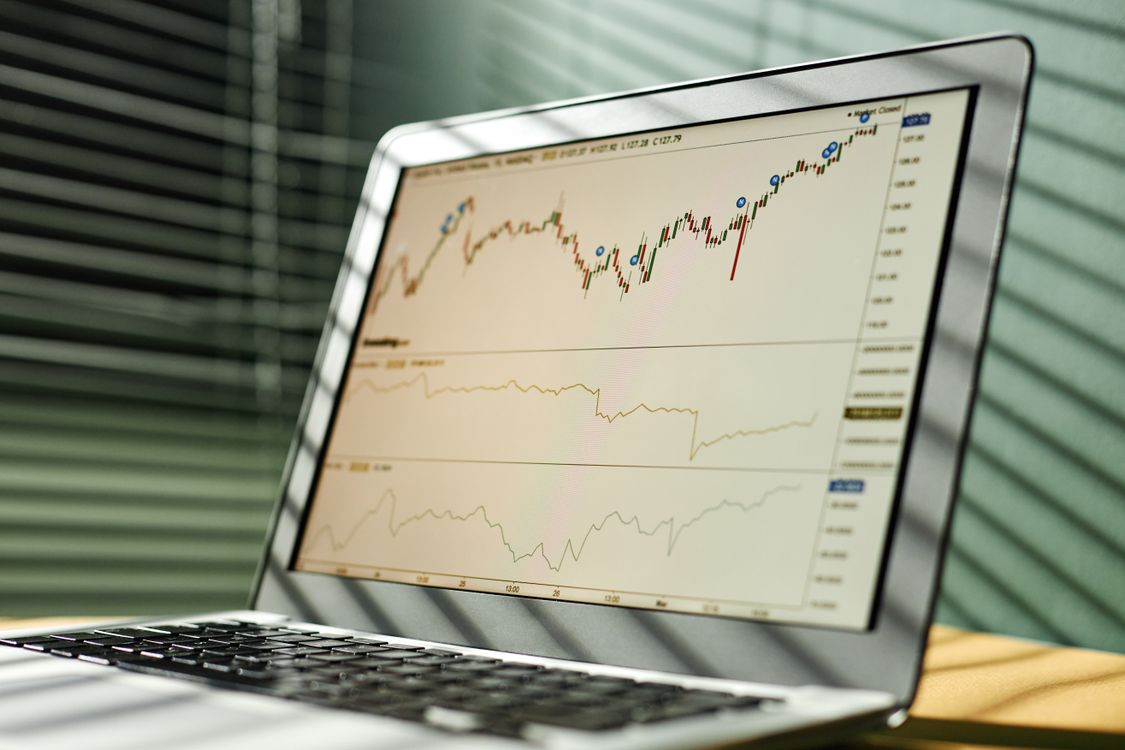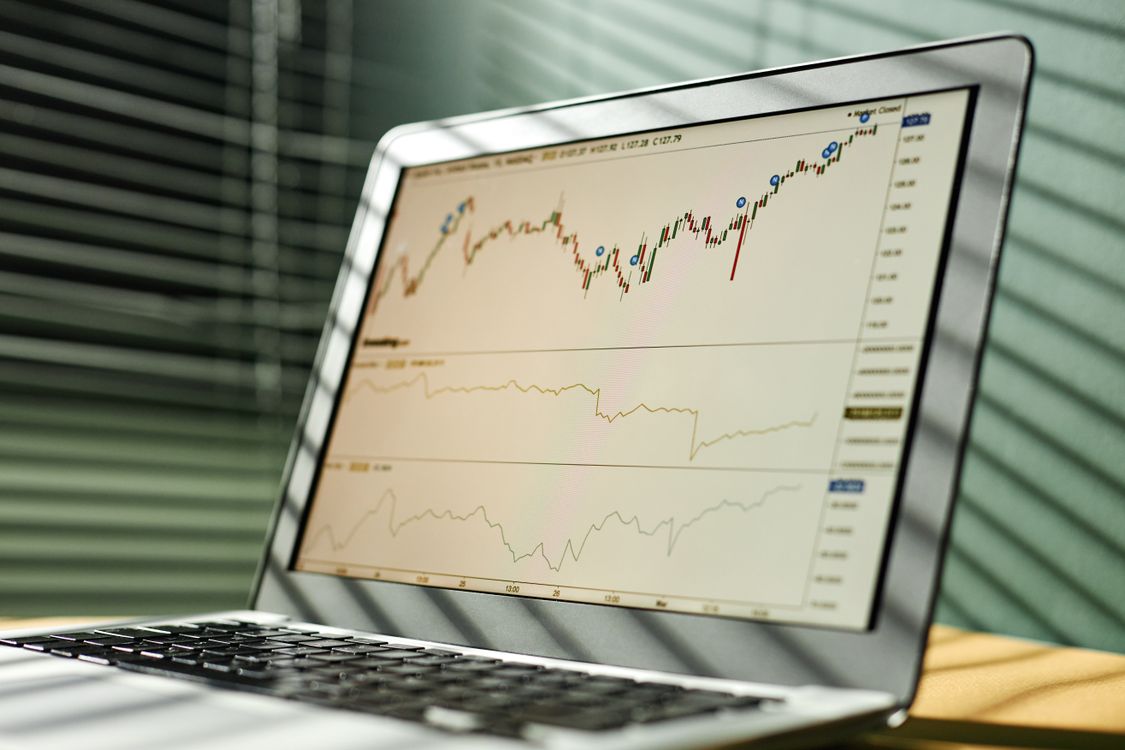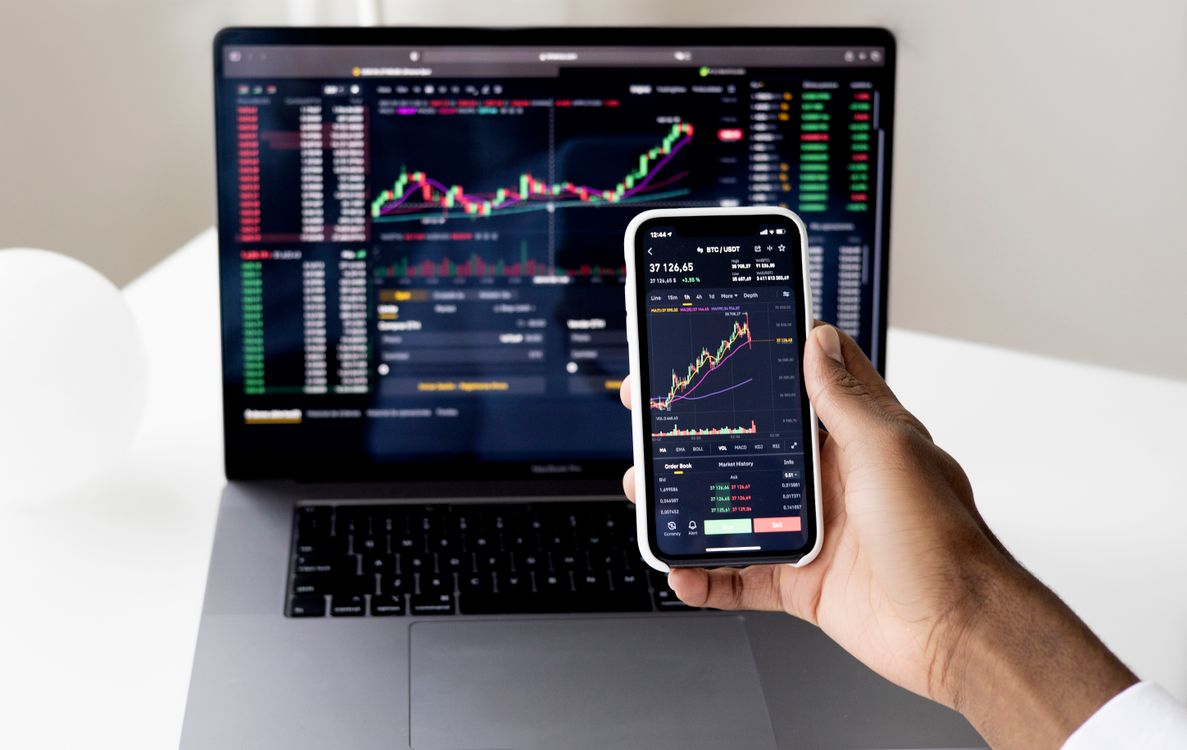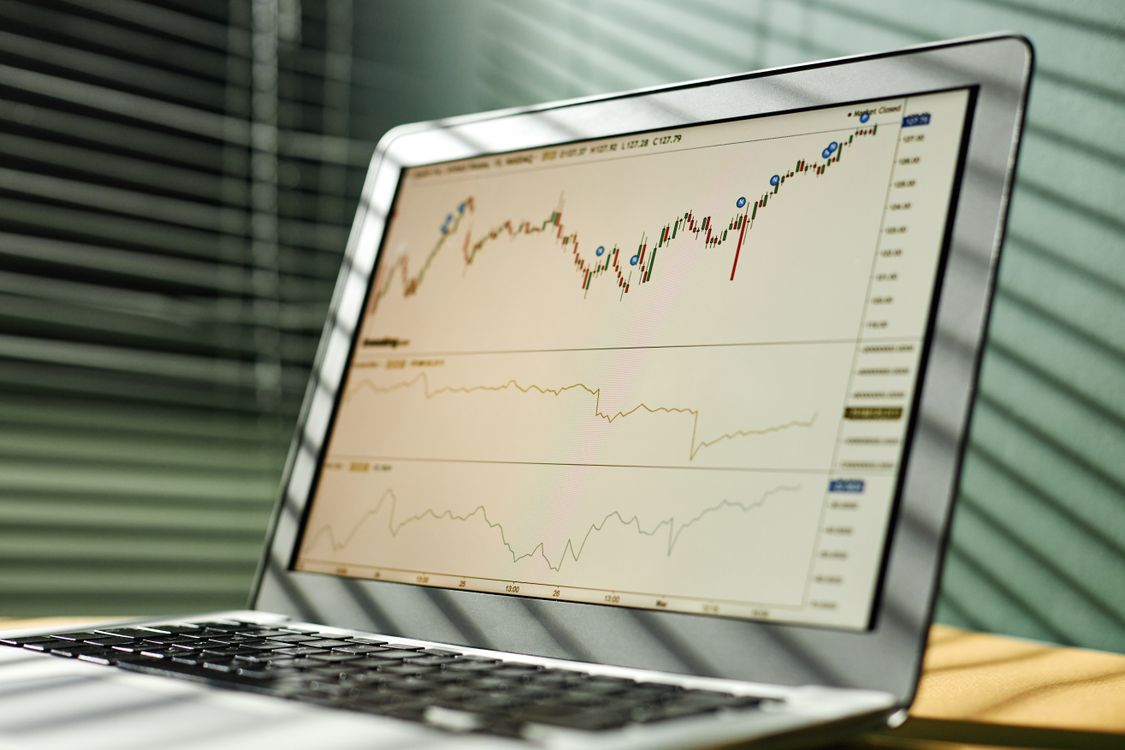

By midday Thursday, the stock market had heard enough from the Federal Reserve. The Dow Jones Industrial Average fell 0.7%, the S&P 500 dropped 0.5%, and the Nasdaq composite lost 0.8%, with both the Dow and S&P headed for their third straight day of losses, according to live market coverage from Investor’s Business Daily.
The trigger was a one-two punch. Weekly jobless claims came in lower than expected, a sign the labor market is still holding firm. Then Fed officials stepped to their microphones and made it plain: stubborn inflation is their top worry, and more rate hikes are on the table.
Philadelphia Fed President Anna Paulson, speaking at the 10th Annual Fintech Conference, said that “despite shocks from tariffs and the conflict in the Middle East, recent consumption growth has been strong, the AI buildout is driving investment, and the labor market is stable. Underlying inflation, however, remains stubbornly elevated.” New York Fed President John Williams, appearing at the London Macro Policy Forum, said it would be “reasonable” to expect another interest rate hike in 2026. Williams also echoed Fed Chair Kevin Warsh’s stance that the time for forward predictions on rates is “over.”
Markets heard them loud and clear. The 10-year Treasury yield climbed three basis points to 5.14%, after closing Wednesday at its highest level since July 2007, per Barron’s. The 30-year yield hit 5.42%, its highest since 2004. Traders now see a 64% chance the Fed raises rates again at its October meeting, according to the CME FedWatch Tool. September’s increase was the central bank’s first hike since 2023.
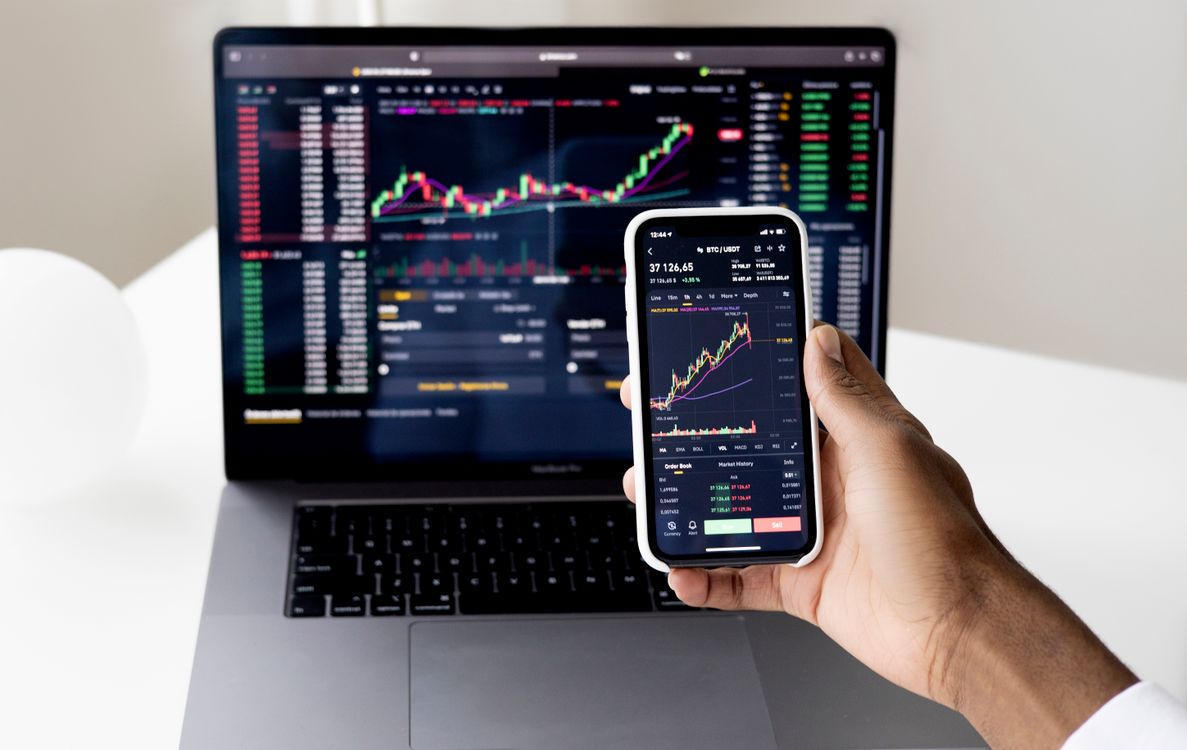
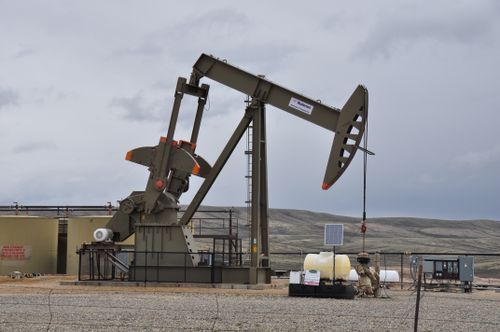
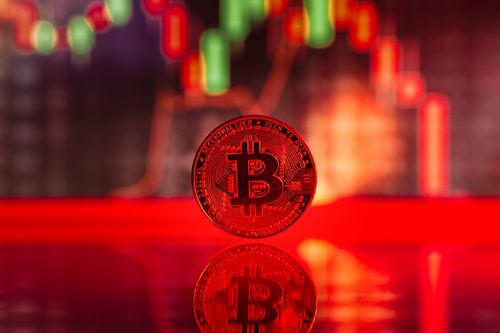
Not every stock was drowning. Disney led blue chips with a gain of nearly 2%, while Travelers, Chevron, and Visa each rose more than 1%. Energy was the day’s bright spot: West Texas Intermediate crude jumped nearly 5% to around $96.70 a barrel, lifting oil majors. On the other side, Nvidia and Amazon each lost nearly 1%, and IBM was the worst performer among blue chips, falling nearly 2%. Small caps felt the pain too, with the Russell 2000 down 0.9%. Bitcoin dipped to around $84,200.
There was one genuinely strong data point: new home sales for August rose to 684,000, beating analyst estimates of 615,000, according to the Commerce Department. But in a market fixated on the Fed’s next move, even good news struggled to change the mood.
What to watch next: the Fed meets again in October, and futures markets are now pricing a real chance of back-to-back hikes. If the next inflation report runs hot, expect yields to push even higher and the selloff to deepen. If it cools, this week’s pain could look like a buying opportunity, which is exactly how Glen Smith, CIO of GDS Wealth Management, sees it: “Stocks were able to navigate and withstand a near 5% yield back in 2023, and the same holds true now.”