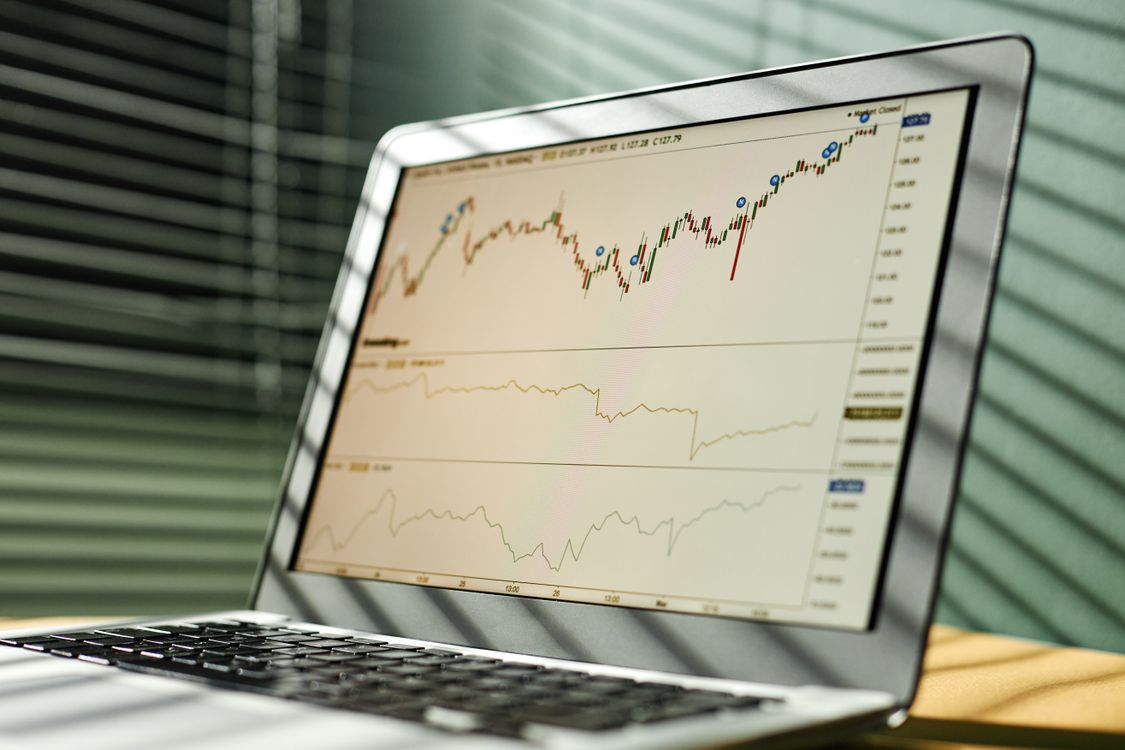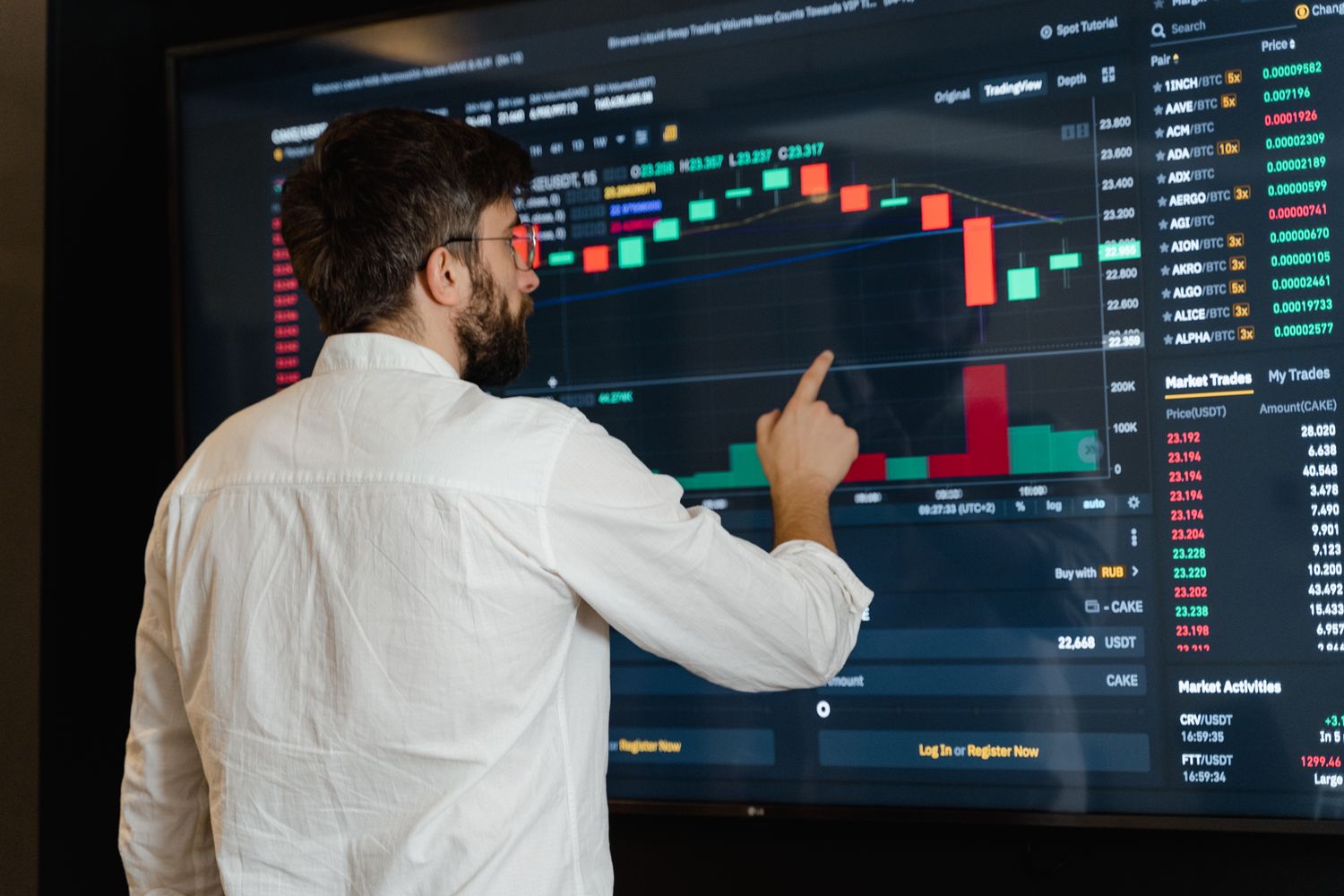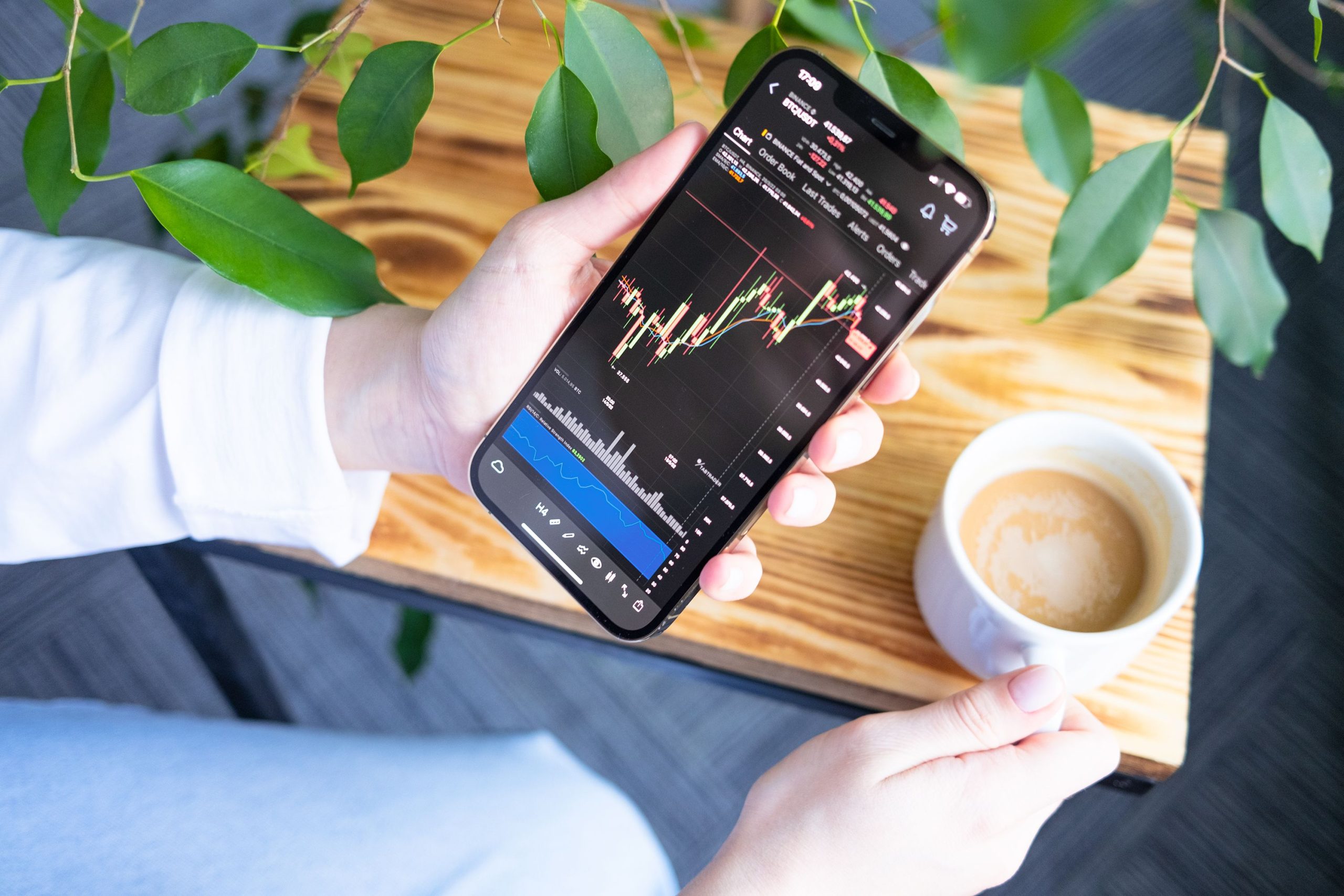
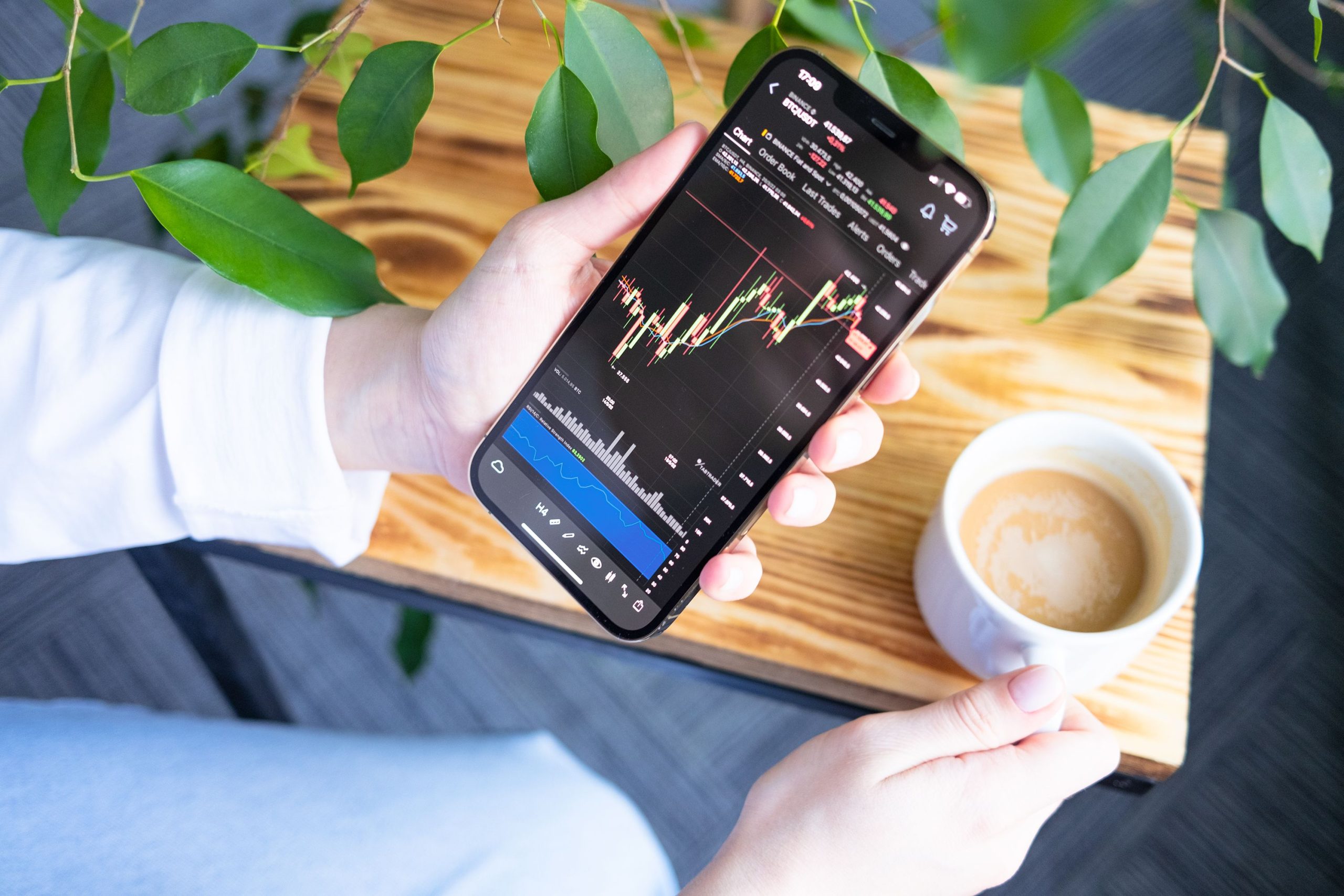
Tuesday gave us a market telling two stories at once, and by the closing bell the split had only widened. The Nasdaq Composite rose 0.5% to set its second straight record close, while the S&P 500 finished essentially flat and the Dow Jones Industrial Average fell 0.4%, or 185 points, Barron’s reported.
There is a phrase going around trading desks that fits the day perfectly. “AI is the main character of the markets novel right now,” David Wagner of Aptus Capital Advisors told Barron’s, adding that oil and Treasury moves were merely “tertiary” characters. It felt true all afternoon. Technology names kept climbing a wall of worry while nearly everything tied to the old economy struggled to find footing.
The day’s most interesting drama played out inside the AI trade itself. Stocks tied to artificial intelligence were mixed after the enthusiastic reception for Meta’s new AI agent the day before. Names viewed as vulnerable to the new agent’s capabilities fell, including financial names like Charles Schwab, LPL and Allstate, the Wall Street Journal reported. Schwab was among the session’s notable decliners, extending a slide that has made it a poster child for the AI-disruption trade in financials. Yesterday’s excitement about what AI can do became today’s worry about what AI might replace.
Falling oil prices helped tech stocks stay buoyant. Brent crude futures ticked lower, falling below $100 a barrel for the first time in a while, ending the day at $99.25, down 1.1%, after encouraging news about oil exports from the Middle East, the Journal reported. Saudi Arabia is running tests on its East-West pipeline, a crucial route that circumvents the Strait of Hormuz, and could restart flows as early as this week. The pipeline was recently closed after drone attacks. For a market that has been living with war-driven energy anxiety, the sight of Brent with a 99 handle was a small relief.
The rest of the tape told a heavier story. Auto parts retailer AutoZone jumped 6.1% in the afternoon session after reporting fiscal fourth-quarter earnings of $56.05 per share, beating the consensus estimate of $54.30, even as revenue of $6.6 billion came in below the $6.71 billion analysts expected, StockStory reported. Gross margin expanded 182 basis points to 53.3%, helped by tariff refunds. On the other side, diagnostic testing giants Quest Diagnostics and Labcorp came under pressure after federal regulators moved to cut what Medicare pays for lab work, with Quest falling nearly 5% in morning trading, MedTech Dive reported.
Corporate news kept the tape lively at midday. Lennar gained after CNBC reported that Berkshire Hathaway had disclosed a purchase of more than 2.7 million shares in the homebuilder. Amgen added more than 3% on positive phase 3 trial results for dazodalibep, its treatment candidate for moderate-to-severe Sjögren’s disease. Vicor rallied 14% after raising its third-quarter sequential revenue growth forecast to more than 20%, up from a prior outlook of nearly 10%, Traders Union reported.
Bonds firmed up after early declines, with the 10-year Treasury yield rising to 4.966%, the Journal reported. That near-5% handle on the 10-year remains the quiet weight on everything from mortgages to bank stocks, which spent another day lagging as the yield curve stays stubbornly flat.
President Trump addressed world leaders at the United Nations General Assembly in New York on Tuesday morning, and he also said he is considering restricting diesel exports in an effort to curb soaring fuel prices. The market is now in wait-and-see mode, watching this week’s United Nations meeting for any opening toward talks between Trump and Iranian officials, Barron’s reported.
After the bell, eyes turn to KB Home’s third-quarter results, with the homebuilder’s report landing amid a housing market squeezed by high rates and anxious buyers. Wednesday brings a fresh batch of data, including flash PMI readings and existing home sales, that will test whether the economy is holding up or starting to bend under the weight of record fuel prices and 5% yields.
For now, the takeaway from Tuesday is simple enough to fit on an index card. The future, the part of the market that sells you tomorrow, closed at a record. The present, the part that moves goods and lends money today, had a rougher afternoon. Both can be true on the same day. The question for the rest of the week is whether they stay that way.