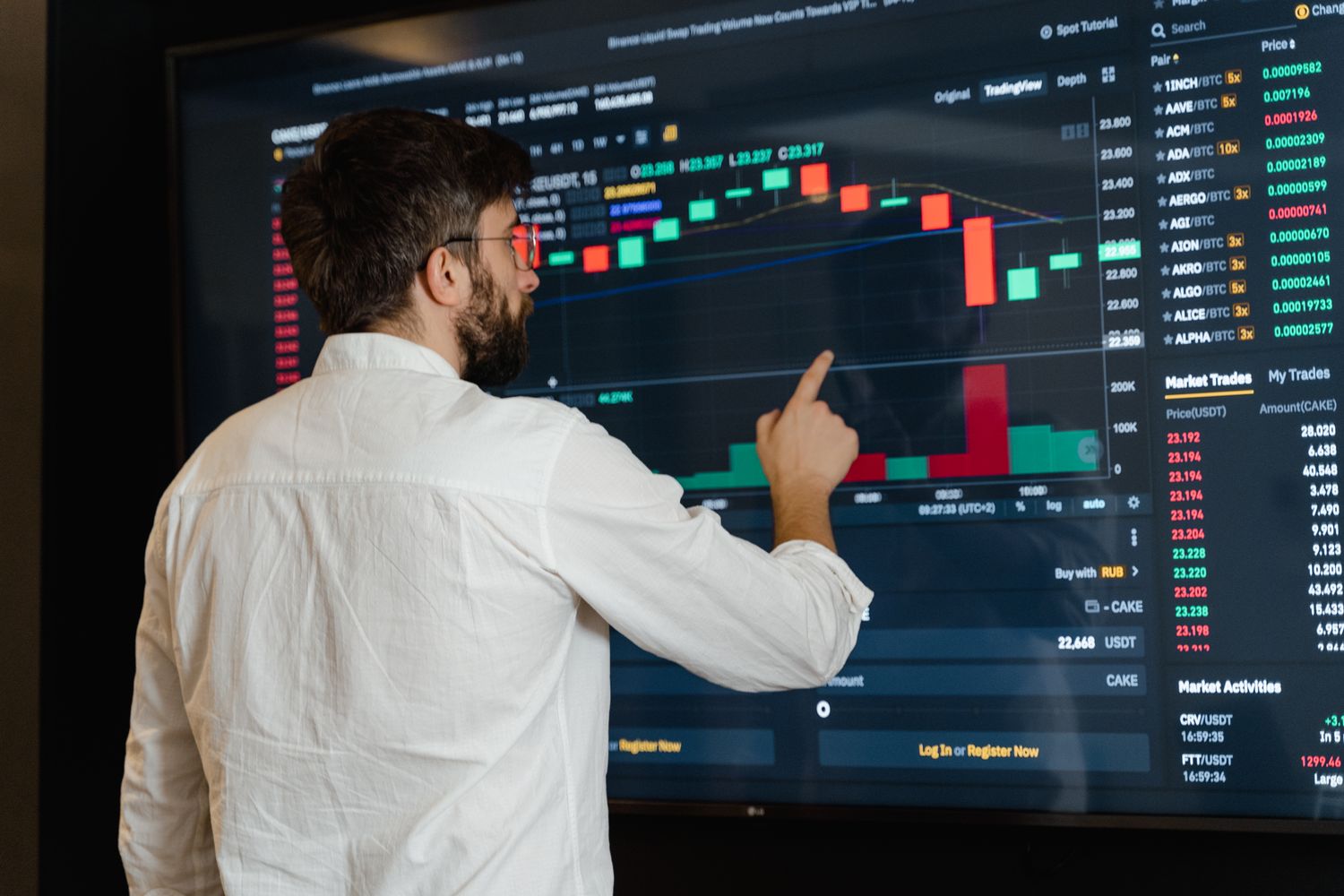
The Federal Reserve is not done. That was the message from Fed Governor Michael Barr on Wednesday, in remarks that gave Wall Street its freshest reason to rethink how high interest rates could go this year.
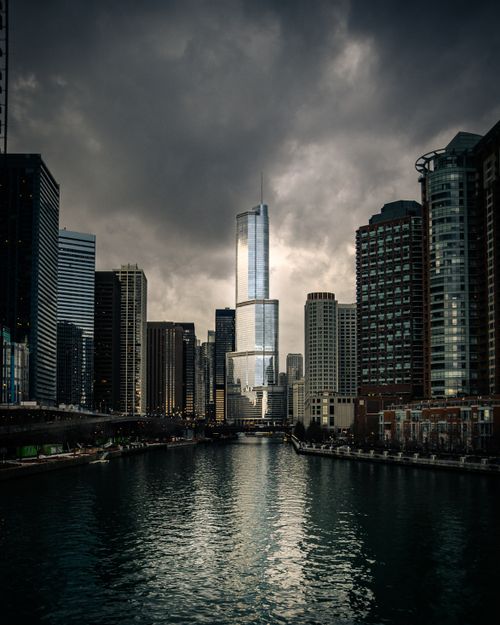
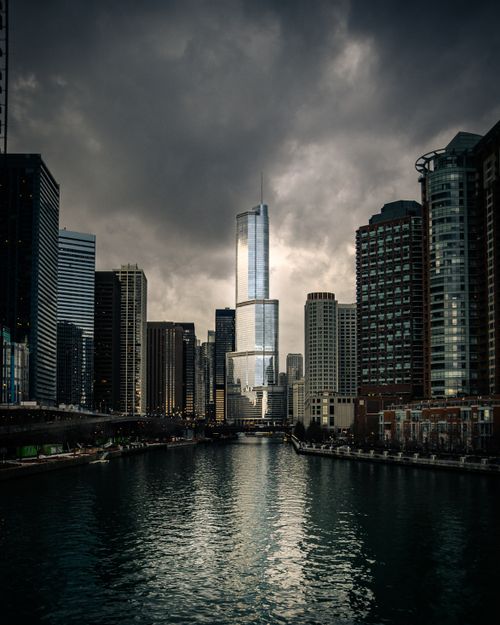
Speaking at an event in Chicago, Barr said he supported last week’s quarter-point rate increase and that the risks to the Fed’s inflation target have risen. “Inflation is above our 2 percent target and not clearly trending toward target in a timely way,” Barr said, according to the published text of his remarks. “In my base case, further policy adjustments are likely to be needed to ensure inflation comes down to target in a timely fashion” (The Wall Street Journal).
Barr pointed to a string of shocks that have kept upward pressure on prices over the past year and a half: tariffs, the conflict in the Middle East, disruptions from Russia’s war on Ukraine, and more recently, a surge in investment demand to support the artificial intelligence buildout (The Wall Street Journal).
Why it matters: This is not a lone voice. At the press conference after last week’s rate decision, Fed Chairman Kevin Warsh said the committee’s unanimous 12-0 vote to raise rates shows the central bank’s resolve to achieve price stability “on a timelier basis” (The Wall Street Journal). In the dot plot published alongside the decision, 16 of 18 officials signaled they are likely to back at least one additional rate increase across the Fed’s two remaining 2026 meetings, and four foresaw two increases (The Wall Street Journal). The rate now stands at 3.75% to 4.00%, the first hike since July 2023 (Reuters; Fox Business).
The market has noticed. Futures traders put the probability of another hike at the Fed’s October meeting at around 55%, up from just 9% a month ago (The Wall Street Journal). That is a staggering repricing in four weeks, from “almost certainly not” to “better than a coin flip.”
What to watch next: Barr’s remarks add to a drumbeat. Richmond Fed President Tom Barkin said Tuesday that the economy is “if anything, firming” and that inflation risks outweigh employment risks, which is why the committee raised rates last week (Reuters). Boston’s Susan Collins likewise confirmed her support for the hike (Stocktwits). With two Fed meetings left in 2026, the question is no longer whether the Fed might hike again, but when, and how many times.
For everyday borrowers, the meaning is plain and personal. Credit cards, home equity lines, and many small-business loans reset off short-term benchmarks that track the Fed’s range closely (Finimize). Every hawkish speech like today’s is another small weight on the side of borrowing costs staying high. If you carry a balance on a variable-rate card, Barr’s words this morning were, in a quiet way, about you. (My take: the Fed has decided it would rather risk being early than late. For savers, that means yields stay generous a while longer. For borrowers, the message is to pay down variable debt while the getting is merely expensive, not worse.)