
Friday brings a lighter data calendar, but in a week dominated by rate-hike talk, even light data can land heavily. Here is what is on deck for September 25 and why each release matters.
At 8:30 a.m. ET, the Census Bureau releases August durable goods orders, the advance read. Economists expect a 0.35% monthly gain, down from 1.10% in July, according to Morningstar’s weekly preview. The report also includes orders excluding transportation, which strips out the volatile aircraft component and gives a cleaner read on business investment. Durable goods are the economy’s big-ticket items: machinery, computers, vehicles. When businesses stop ordering them, it is usually one of the first signs that higher interest rates are biting into real spending plans. With the 10-year Treasury hovering around 5.11% and the Fed openly discussing October hikes, Friday’s number will be read as a referendum on whether expensive money is finally cooling the industrial economy.
At 10:00 a.m. ET comes the final September reading of the University of Michigan consumer sentiment index, along with its one-year and five-year inflation expectations (eOption’s weekly calendar). This is the one to watch for your wallet. Sentiment tells us how households feel about their finances right now, and the inflation expectations tell the Fed whether its credibility is holding. If consumers start expecting higher inflation years into the future, the Fed’s hawkish chorus gets louder, because unanchored expectations are the thing central bankers fear most. If expectations stay calm, it gives the doves on the committee something to point to.
Two Fed speakers take the stage Friday: Kansas City Fed President Jeffrey Schmid speaks at 9:20 a.m. ET, and Cleveland Fed President Beth Hammack speaks at 2:00 p.m. ET (Econoday). After a week in which officials openly floated possible October rate hikes, every sentence will be parsed for whether the committee is coalescing around another move or still debating. Watch for any pushback on the market’s growing assumption that a hike is coming.
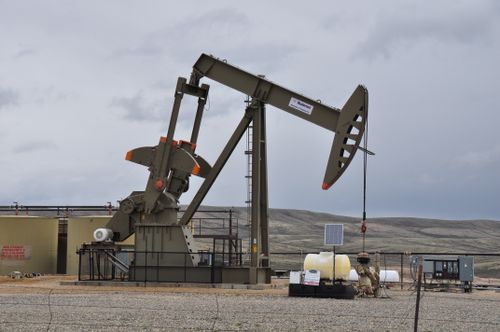
At 1:00 p.m. ET, Baker Hughes releases its weekly rig count. With crude above $100 on U.S.-Iran tensions, the rig count tells us whether American producers are responding to high prices by drilling more, which would eventually add supply and ease the pressure, or holding back, which keeps the geopolitical premium in place.
Earnings season is quiet on Friday, but Thursday’s after-close reports will still be moving stocks. Costco released fourth-quarter results after Thursday’s bell, with analysts expecting $6.54 in earnings per share against $5.87 a year earlier (MarketBeat), and fourth-quarter net sales of $93.9 billion, up 11.3%, already announced earlier this month (Zacks). Nike also reported Thursday evening, with analysts estimating $0.45 per share. Both are consumer bellwethers, and in a market worried about squeezed households, their commentary on spending trends may matter more than the headline numbers.
Looking further ahead, next week brings the data that really decides the quarter’s endgame: consumer confidence and the Case-Shiller home price index on Tuesday, September 29, and a packed Wednesday, September 30, with the final second-quarter GDP reading, the ADP employment report, personal income and spending, and the Chicago PMI (Scotiabank’s September calendar). The personal income and spending report includes the Fed’s preferred inflation gauge, which is the single number this market is waiting for.
My take: Friday is unlikely to be a fireworks day, and that might be exactly what this market needs. After a week of 5% yields, $100 oil, and an Oracle-sized reminder that the AI buildout has a financing bill attached, a calm session with in-line data would be a small mercy. The risk is that durable goods disappoint and sentiment sours, handing the hawks fresh ammunition heading into the weekend. Either way, Boldly Financial will be here at the closing bell to make sense of it.