On Wednesday morning, in Paris, the world’s economic report card landed on the desk. The Organisation for Economic Co-operation and Development published its interim outlook for the world economy, and the verdict is the kind of news that arrives with both a pat on the back and a warning tap on the shoulder: the global economy is doing slightly better than expected this year, but next year is starting to look heavier, and the reason is the war in the Middle East. (OECD, Reuters)
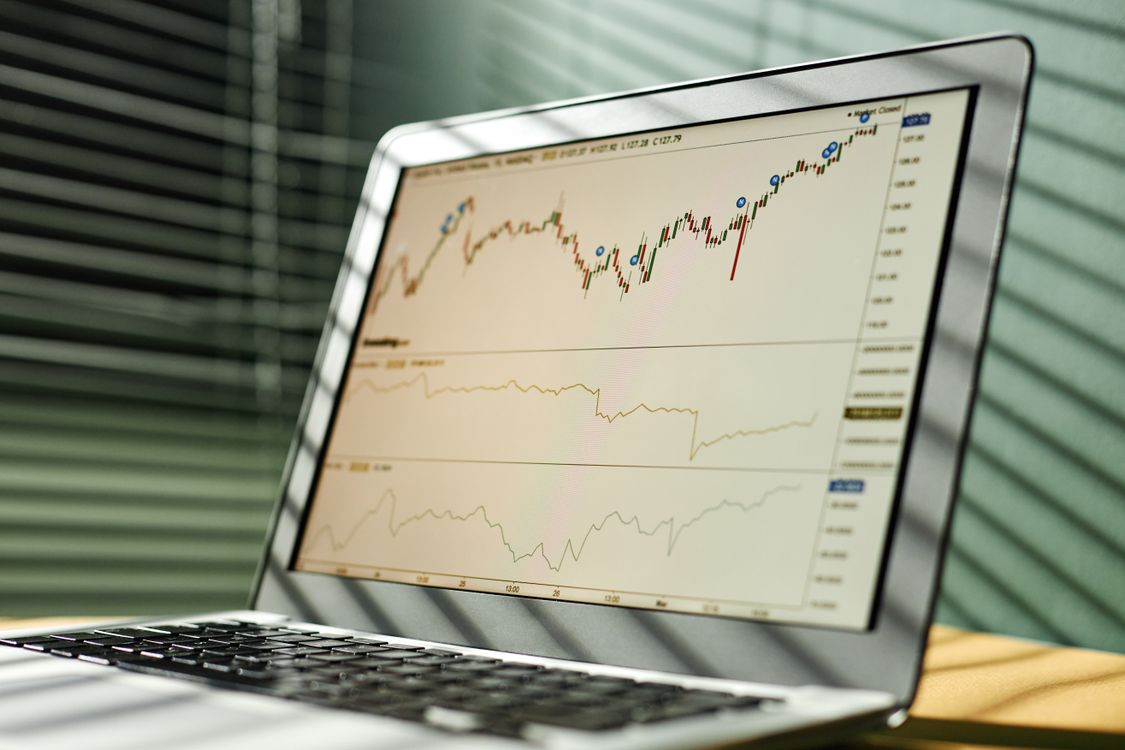
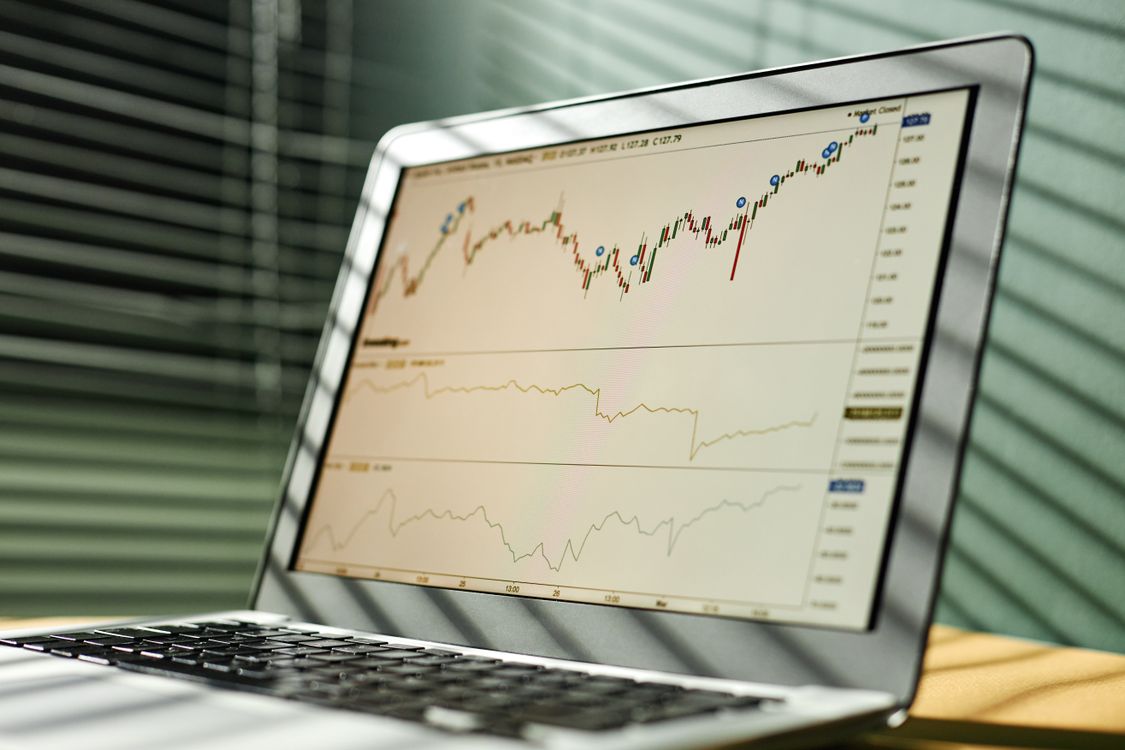
Here is the headline number. After growing 3.4% last year, the world economy is now expected to grow 2.9% in 2026, a touch better than the 2.8% the OECD forecast back in June. For 2027, though, the Paris economists trimmed their projection to 3.0%, down from the 3.1% they expected in June. So the story is not collapse. It is something more familiar to anyone who has ever run a household: things are holding, but the margin is thinner than it looks, and the bills that are coming due next year are bigger than the ones on the table today.
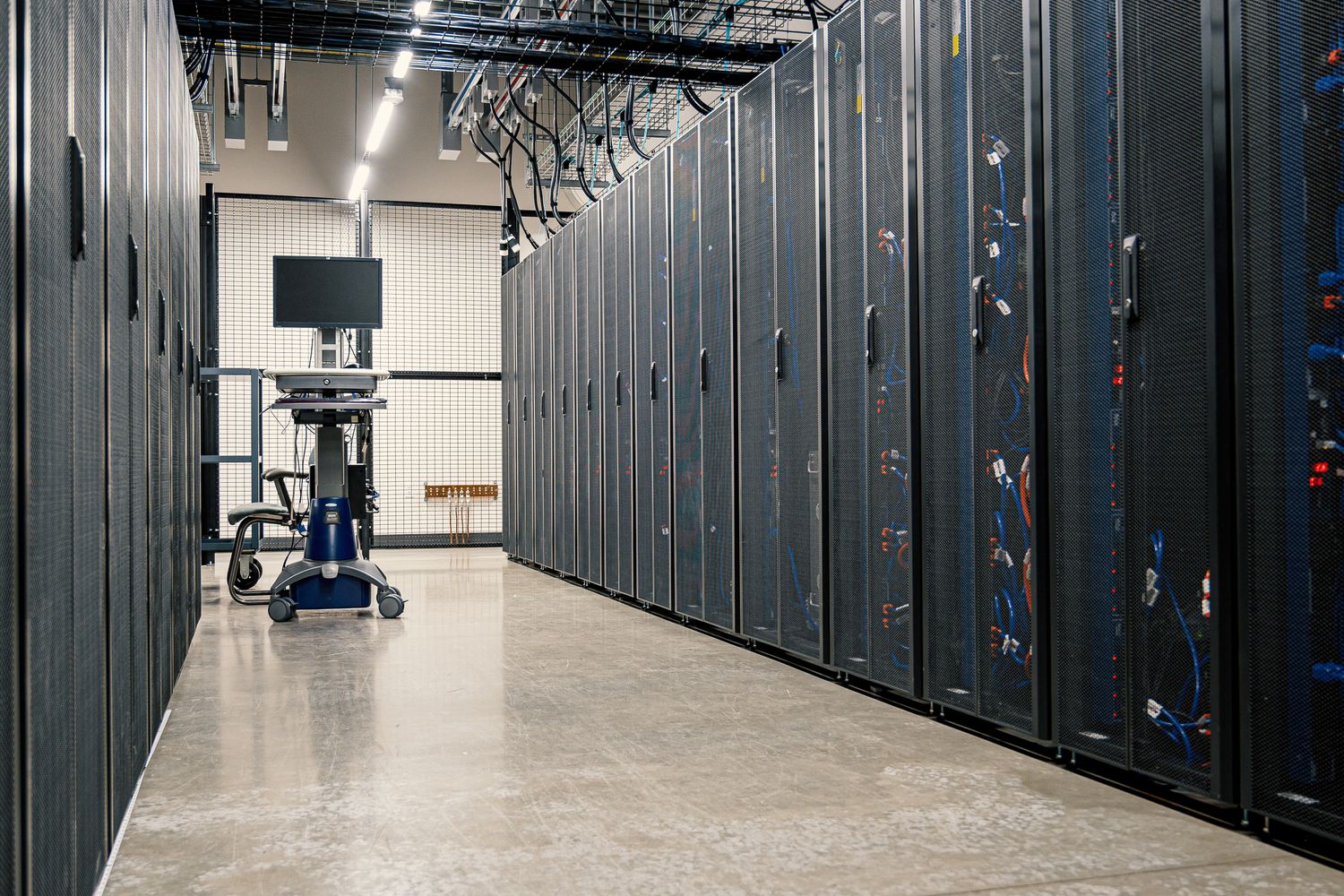
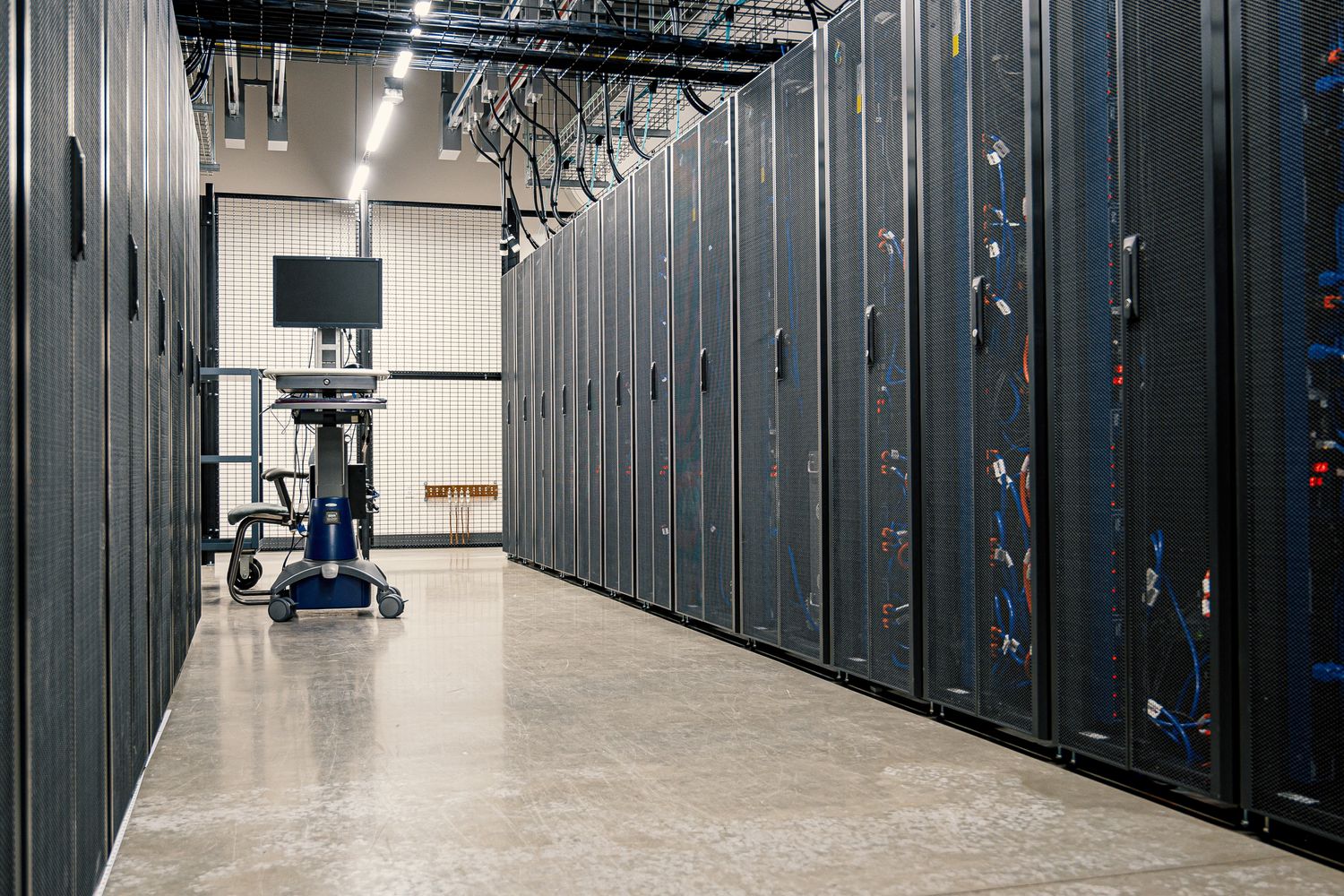
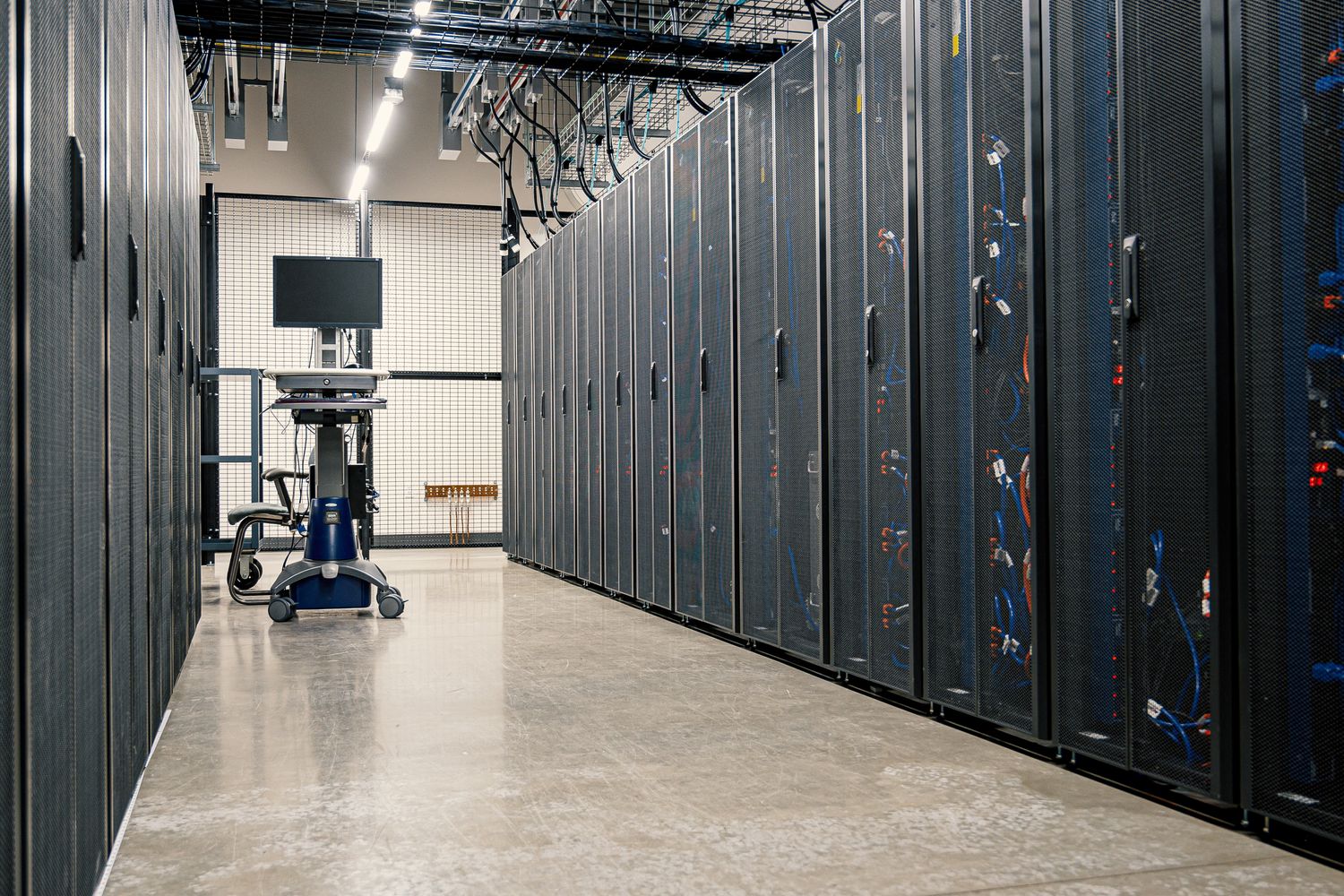
What is holding the world economy up is something most of us never touch directly but feel in the price of everything. Artificial intelligence investment. Spending on data centers, semiconductors, and AI infrastructure has been, in the OECD’s words, a key pillar of resilience this year, boosting growth in the United States and lifting technology exports from Japan and Korea. (Reuters) Think about that for a moment. The world economy in 2026 is being propped up, in meaningful part, by companies pouring concrete and stacking servers for a technology that is still figuring out what it will become. It is a little like a family whose budget balances only because one member of the household took on extra shifts. It works, but it is not the same thing as being ahead.
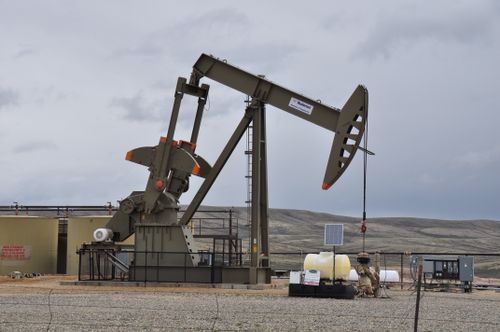
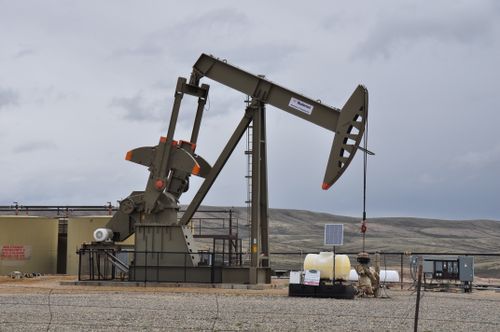
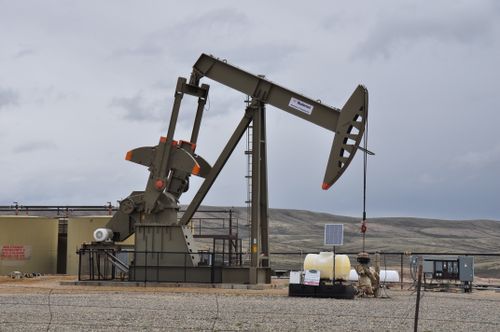
What is pulling against that, meanwhile, is energy. The Middle East conflict has turned into what the OECD calls a commodity price shock, and the economists expect it to weigh more heavily on momentum as we move into 2027. In Sweden’s summary of the report, the finding is plain: supply disruptions in the energy sector due to the Iran war are pushing up consumer prices and business costs, and long-term interest rates have risen to 15-year highs in many countries. (Sweden Herald) If you have noticed that your grocery bill and your gas tank and your utility statements all seem to be negotiating against you at once, you are not misreading your life. You are living inside the OECD’s data.
The inflation numbers are the part of the report that should make everyone sit up a little straighter. The OECD now expects inflation across the G20’s major economies to average 4.1% in 2026, up from the 4.0% it forecast in June. For 2027, the projection was raised by half a point, to 3.6% from 3.1%. (Reuters) That jump in the 2027 number is the report’s quiet alarm bell. It says, in effect, that price pressure is not fading the way central bankers hoped it would. And it says this while the world’s biggest central banks, from Washington to Tokyo to Frankfurt, have all been raising interest rates to fight exactly this problem.
Country by country, the picture is uneven in a way that feels very 2026. The United States is projected to grow 2.2% this year and 2.1% next, the eurozone only 1.0% in both years, Japan 0.8%, and China 4.5% this year slowing to 4.2% next. (WE News) These are not disaster numbers. But consider what they mean for a person planning a life. In Europe, growth of 1.0% means wages barely keeping ahead of prices, if at all. In China, the slowdown to 4.2% is part of a longer glide down that is reshaping supply chains, factory orders, and the price of goods on American shelves. In the United States, 2.2% growth alongside stubbornly high inflation is the exact combination that makes a Federal Reserve chair raise interest rates, which is precisely what happened last week.
The OECD also sketched what could go wrong, and the sketch is sobering. The outlook, it warned, is particularly clouded by the potential for energy market jitters, extreme weather tied to a strong El Niño, surging government bond yields, and disappointing returns on all that AI investment. If those risks materialized together, the economists estimated, global growth could be cut by 0.7 percentage points next year while global inflation rises by 1.1 percentage points. (Reuters) Stagflation, in other words, arriving by committee: slower growth, higher prices, at the same time. This is the scenario that keeps central bankers awake, because there is no clean answer to it. Cutting rates to support growth would feed inflation. Raising rates to fight inflation would crush growth. When the medicine for one symptom worsens the other, the patient just has to endure.
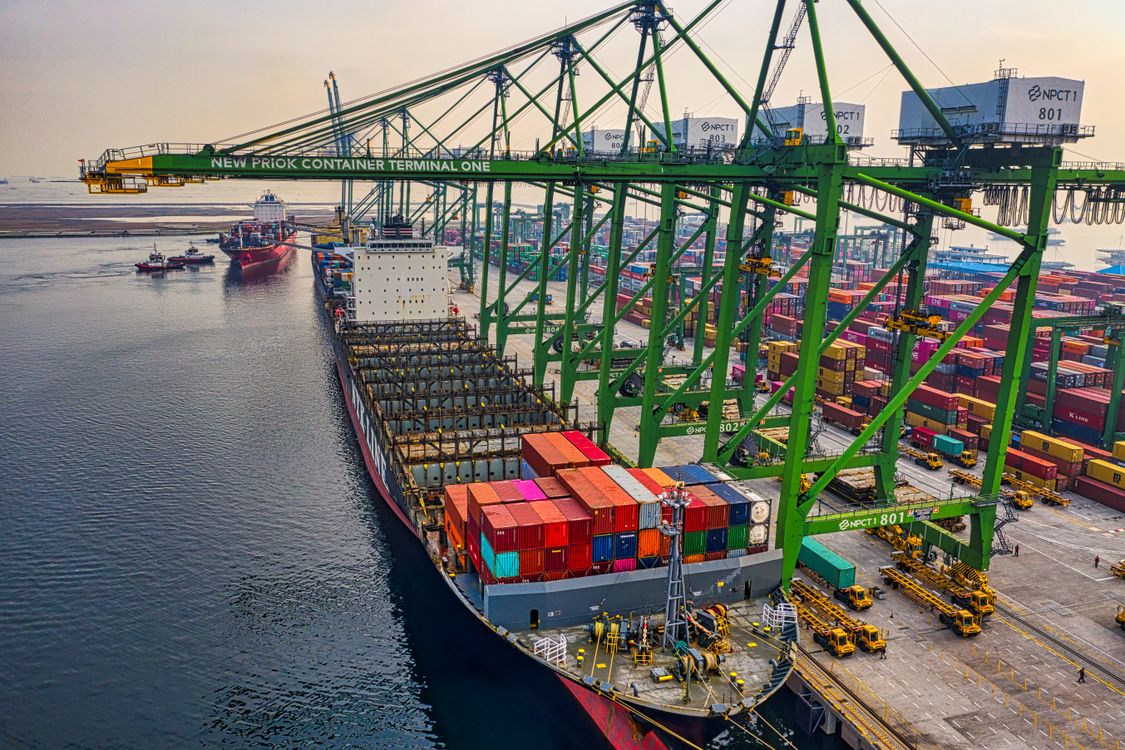
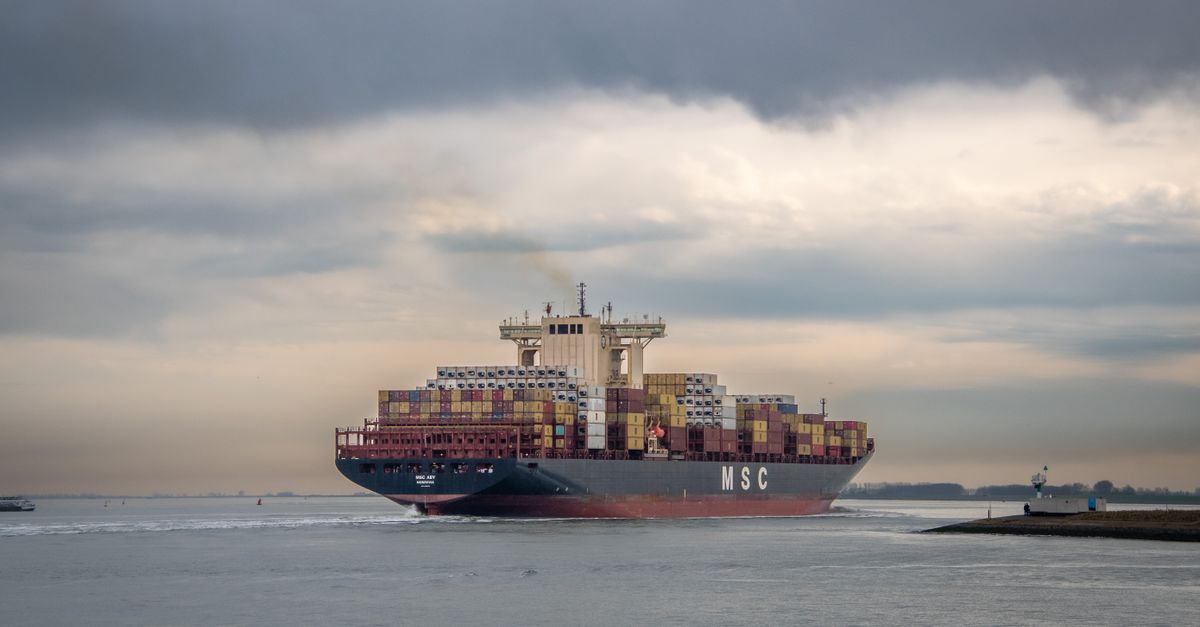
There is a line in the OECD’s framing that deserves to be read twice: “A faster normalization of energy markets would dampen inflationary pressures and support economic activity, while new or more prolonged disruptions could lead to both higher inflation and weaker growth.” (Sweden Herald) Strip away the economist’s diction and it is a simple truth about how much of the world’s economic fate now runs through a single strait in the Middle East and a single set of pipelines. The price of shipping oil, the availability of diesel, the willingness of tanker owners to risk their ships, these are not distant geopolitical abstractions. They are the inputs to the price you pay to heat your home and fill your tank.
So what does a report like this mean for a reader with a budget, a job, and maybe a 401(k)? Three things, and none of them require an economics degree.
First, expect interest rates to stay high longer than the hopeful forecasts said. The OECD explicitly notes that persistent inflation could force central banks to adjust rates if price pressures broaden. With the Federal Reserve already signaling more tightening and bond yields at 15-year highs in many countries, anyone waiting for cheap borrowing to return is planning around a hope rather than a forecast. If you are carrying variable-rate debt, the time to refinance or pay down is measured in weeks, not someday.
Second, plan for two economies at once. The AI investment boom is real, and it is creating genuine opportunity in technology and adjacent industries. But the energy shock is also real, and it is a tax on everyone who drives, heats, ships, or eats. A family budget in 2026 needs to be fluent in both: capture the upside where you can (skills, savings rates, career moves toward growing sectors), and hedge the downside (energy costs, food costs, debt costs). The middle is getting thinner.
Third, take the risk scenario seriously without letting it paralyze you. The OECD’s adverse case (growth down 0.7 points, inflation up 1.1 points) is not a prediction. It is a reminder that resilience has a cost and that the cushion is thin. The practical response is boring and effective: keep emergency savings where they are easy to reach, avoid taking on new debt at today’s rates unless the return is clear, and remember that in an inflationary world, cash sitting still is quietly shrinking.
There is something hopeful tucked inside this report, and it is worth naming. The global economy keeps absorbing shocks that would have flattened it in earlier decades, a pandemic, a war in Europe, now a war in the Middle East and an energy crisis, and it keeps moving forward at close to 3% growth. That is not nothing. It speaks to a kind of stubborn adaptability in the way the world works: businesses reroute, workers retrain, investors find the next productive thing to fund. The AI boom may be overhyped in places, but its real spending on real infrastructure is doing real work for real growth right now.
But hope is not a plan. The OECD’s message today is that the shocks are stacking up faster than the resilience, and 2027 is when the bill could come due. Read the numbers, feel their weight in your own budget, and make your moves while you still have room to make them.