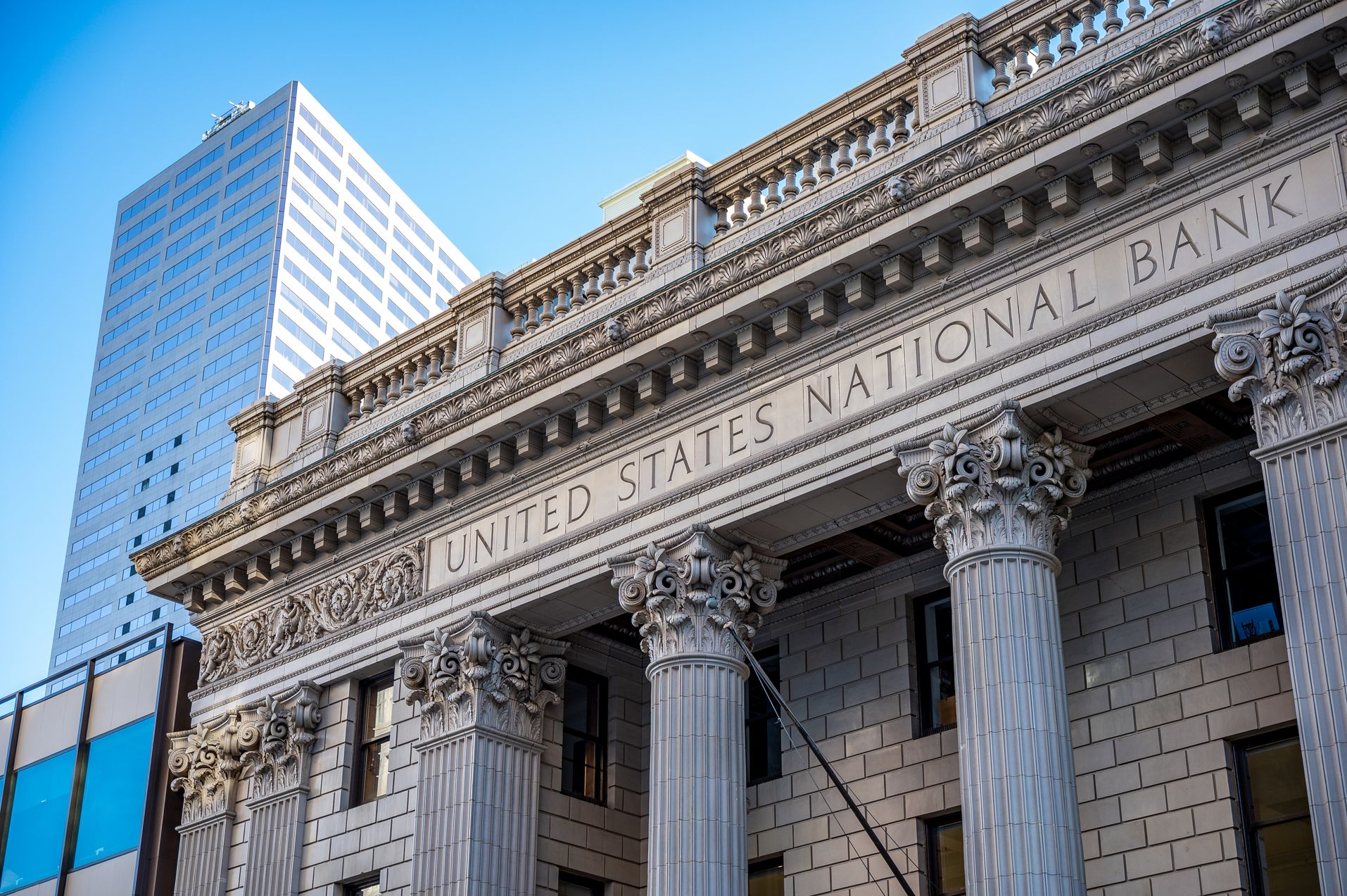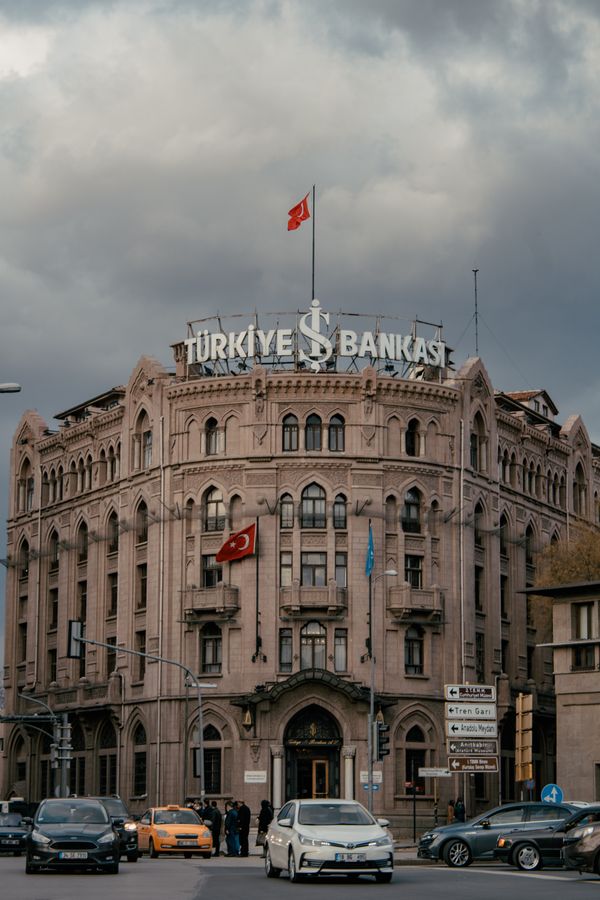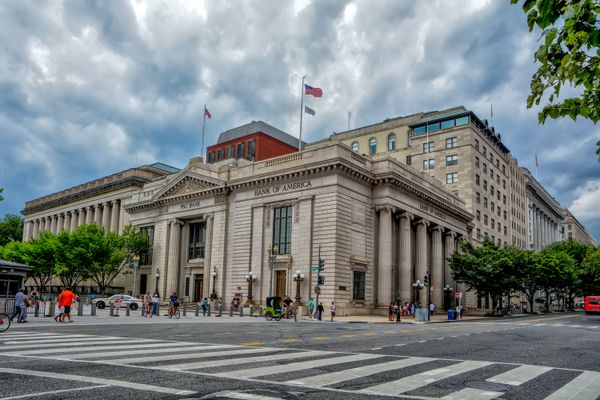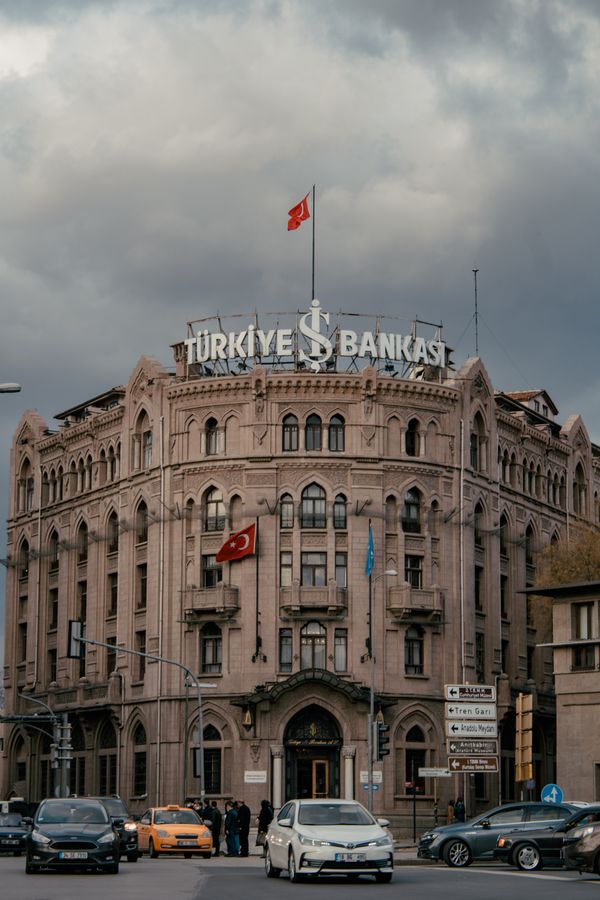

There is an old saying that when one person tightens their belt, it is discipline, but when the whole neighborhood does it at once, it is a sign of the times. This week, the world’s central banks all reached for their belts at the same time — and the message is unmistakable: the fight against inflation is not over.
Start in Frankfurt. The European Central Bank raised its key interest rate to 2.5% on Thursday — its second hike this year. The reason is written in the prices ordinary Europeans see every day: energy inflation hit 14.3%, and overall eurozone inflation came in at 3.3% in August. That is above the ECB’s 2% target for the sixth straight month. The bank also raised its inflation forecasts for 2027 and 2028, a sober admission that price pressures are proving stickier than hoped. And markets now expect at least one more hike before the year is out.
Then look east. The Bank of Japan is expected to raise its rate to 1.25% on September 18. For a country that spent decades with rates at or below zero, every quarter-point is historic — a quiet revolution in how Japan handles money.
And across the Atlantic, the United States is marching in the same direction: coverage linked to Bloomberg puts the odds at roughly 97% that the Federal Reserve delivers at least one rate hike by year-end. Ninety-seven percent. In markets, that is about as close to certainty as you ever get.
Three continents. Three central banks. One direction: tighter.
I want to slow down here, because it is easy to hear “rate hike” as an abstraction on a terminal screen. Let me put it in human terms. When the ECB raises rates, the baker in Lyon pays more for her oven loan. When Japan raises rates, the young family in Osaka recalculates the mortgage. When the Fed raises rates, the small business in Tulsa thinks twice about expanding, and the credit card in everyone’s wallet gets a little heavier. These are not moves on a chessboard. They are hands on the shoulders of billions of people, gently but firmly pressing down on spending.
Why is everyone tightening at once? Because inflation, that old ghost, refuses to be exorcised. Energy at 14.3% in Europe is not a statistic — it is the heating bill in winter, the cost of filling the van that delivers the bread. Six months above target is not a blip; it is a pattern. Central bankers have learned, sometimes the hard way, that letting inflation settle in is far more painful than the medicine. So they are prescribing the bitter stuff, together.
There is something striking about the synchronization. Picture three neighbors on the same street, each up a ladder patching their own roof before the same storm. Nobody coordinated it over the fence — they all just read the same sky. That is what Frankfurt, Tokyo, and Washington are doing: reading the same sky. And that coordination can be stabilizing. When everyone tightens together, no single currency gets thrown out of whack and no single economy bears the burden alone. Capital has less reason to slosh violently from one country to another chasing the highest yield.
But it also means there is nowhere to hide. When the whole street is patching roofs at once, every household feels the cost of lumber at the same time. When every major central bank tightens together, the whole world feels the squeeze simultaneously — borrowers everywhere, all at once.
It’s not enough to just track the rate decisions like box scores. We must listen to what this synchronized tightening is telling us about the world we share, learn how it touches our own lives, and contribute to the resilience of our communities while the belt-tightening lasts.
Here is what I mean. Higher rates for longer change the texture of daily life. They reward savers — finally, the careful grandmother with money in the bank earns something real, after a decade of watching her savings earn pennies while prices rose. They punish borrowers — the young entrepreneur pricing a first loan, the couple stretching for a first home, the finance minister rolling over a mountain of government debt at rates nobody budgeted for. They cool speculation and reward patience. In a world addicted to cheap money for over a decade, this is a profound rebalancing. It is the economy remembering an old lesson: money should have a price, because when money is free, we forget what things are worth.
Think about what a decade of near-zero rates taught a generation. It taught homebuyers that bidding wars were normal. It taught companies that borrowing to buy back their own stock was wisdom. It taught savers that caution was for losers. Unwinding those lessons hurts — the repricing is real, and it lands hardest on people who made long-term plans during the cheap-money years. That is why the human side of this story matters more than the basis points. Behind every quarter-point is a kitchen-table conversation about what a family can afford.
For investors, the message is to respect the regime. The era of “rates only go down” is over, at least for now. Bonds pay real yields again. Cash is no longer trash. The frenzied corners of the market — the speculative bets that only made sense at zero percent — are being repriced. That is healthy, even if it stings. Portfolios built for a world of free money need rebuilding for a world where money has a price: shorter duration, real cash flow, businesses that earn their keep instead of borrowing it.
For ordinary families, the message is steadier: this, too, is the system working. Inflation at 3.3% when the target is 2% means your paycheck buys less every year. The rate hikes are an attempt — imperfect, sometimes clumsy — to protect the value of your work. It does not feel like protection when the mortgage costs more. But the alternative, letting inflation run, is a thief that steals from everyone, especially the poorest, who hold their wealth in cash and wages rather than assets that rise along with prices.
And for all of us as citizens of a connected world, there is a quieter lesson: we are in this together. The baker in Lyon, the family in Osaka, the shop owner in Tulsa — they are all reading the same sky this week. Our economies are not separate houses on separate streets; they are rooms in one house, sharing the same roof. When we understand that, we stop asking “what is the Fed doing to me?” and start asking “what are we doing together?” That shift — from spectator to participant, from alone to together — is everything.
The tightening will not last forever. Cycles turn; storms pass; roofs get patched. But while the belts are tight, let us use the discipline well: pay down the expensive debt, build the emergency cushion, invest in the skills no rate hike can take away. And let us look out for the neighbors the squeeze hits hardest — because a street that patches its roofs together should also share its ladders.
The whole world is moving in the same direction this week. Let us make it a season of resilience — and keep the table long and the door open while we wait for easier weather.