There is a particular kind of silence that falls over a kitchen table when the bills are spread out and the math stops working. You have seen it, or you have lived it: the mortgage statement, the credit card summary, the car loan, all laid out like evidence. Someone does the adding in their head. Someone else refills the coffee. Nobody says the number out loud right away, because saying it makes it real.
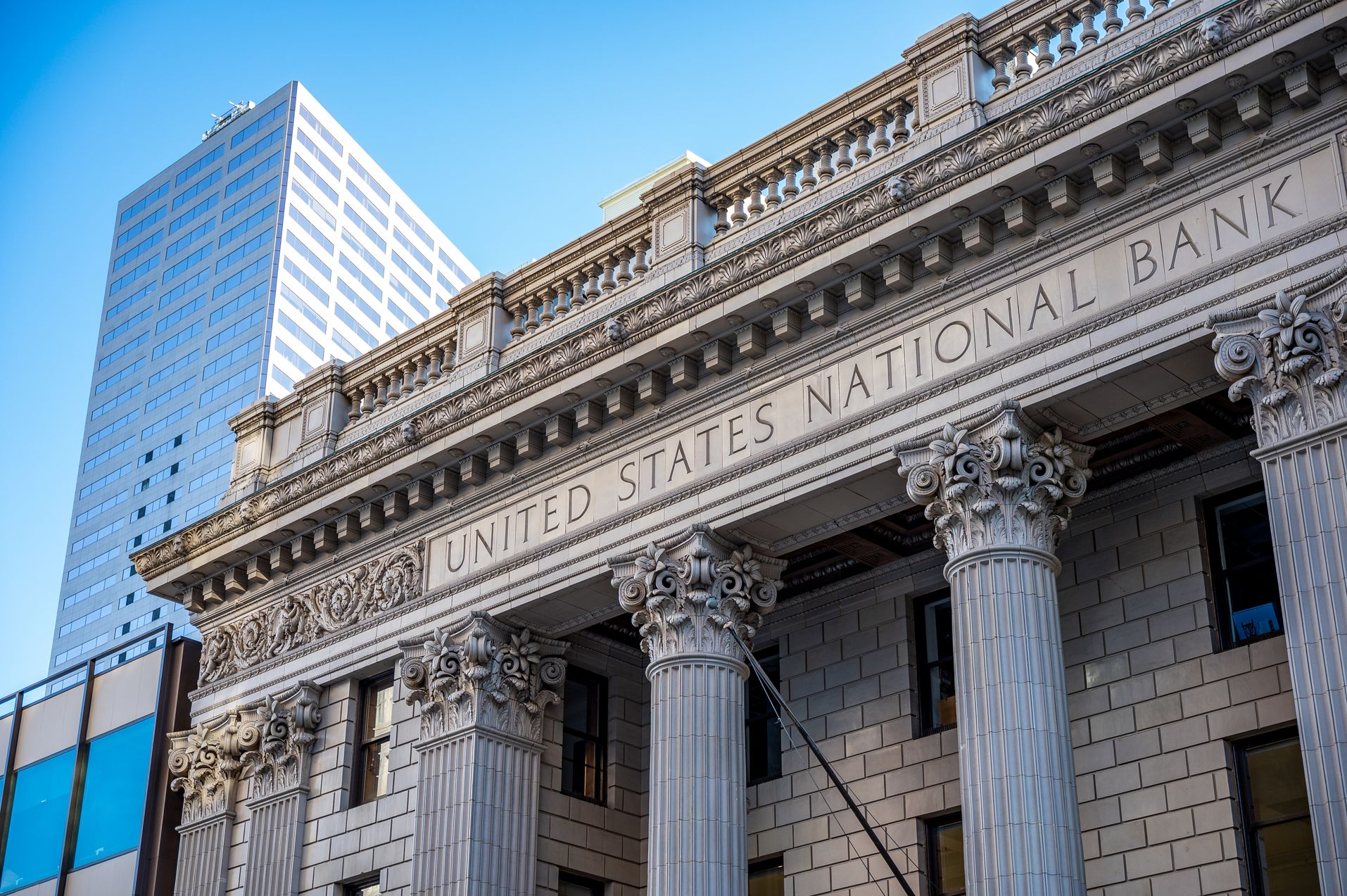
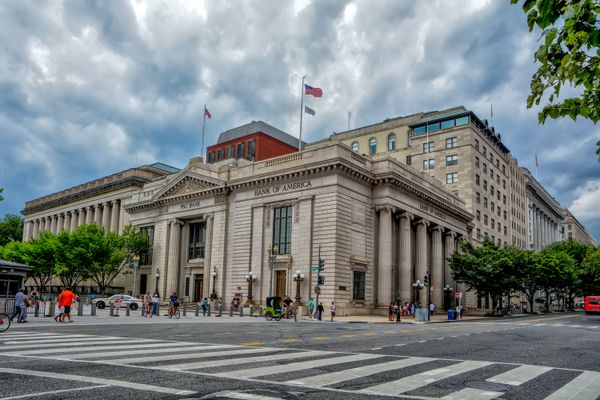
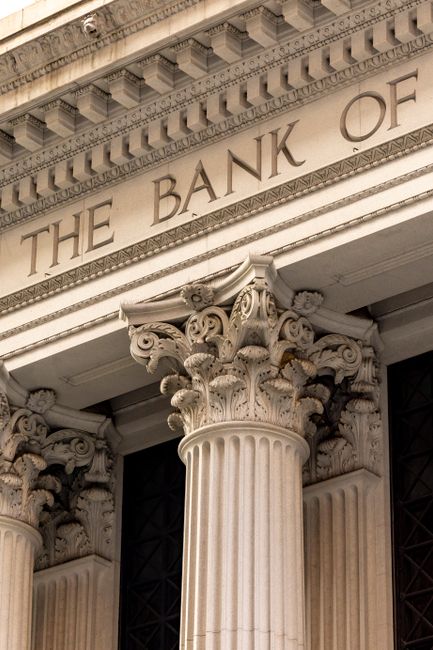
Next week, in a marble building in Washington, a group of people will make a decision that lands directly on that table. The Federal Reserve meets September 15 and 16, and the financial world is nearly certain of what comes next: a quarter-point interest rate hike. Traders are pricing in roughly 87 to 90 percent odds, depending on whose count you trust. It would be the Fed’s first rate hike since 2023, and its first move at all in three years.
This is the week the waiting ended.
The reason is the number that landed Friday morning: August inflation came in hot. Consumer prices rose 0.4 percent for the month and 3.4 percent over the past twelve months, and the core reading — the one the Fed watches most closely, stripped of food and energy — jumped 0.3 percent for the month, stronger than expected. That was the match that lit the fuse. Before the report, the odds of a hike sat around 69 percent. After it, they leapt into the high 80s. The data spoke, and the market listened.
Consider what is happening inside that number. Gasoline prices surged 3.9 percent in a single month and sit 27.4 percent above last year, driven by the escalating war with Iran that has pushed oil past $100 a barrel. Food edged up more gently, 0.1 percent for the month and 2.7 percent for the year. And in a detail that tells you how strange this economy has become, smartphone prices fell 12.2 percent over the year while computer software and accessory prices rose 25.4 percent — the largest annual increase ever recorded for that category. The inflation of 2026 is not the inflation of 2022. It is lopsided, war-driven, and tangled up with the AI boom in ways nobody’s textbook quite covers.
And the backdrop: the Fed has not hit its 2 percent annual inflation goal in five years. Five years. Think about what that means for a family that has been trying to save during that stretch. Every dollar set aside has been quietly losing ground, month after month, for half a decade.
Now, here is the part that makes this meeting genuinely unusual. The Fed’s chair is Kevin Warsh, and when President Trump selected him, the expectation in Washington was that Warsh would lower rates — that he would be the chairman who finally eased the pressure on borrowers. Instead, prices kept climbing, and now Warsh is set to do the opposite of what his patron wanted: raise them. Trump has publicly pressured the Fed to cut. The Fed, reading the data, is preparing to hike. That tension — between political demand and economic reality — is the undercurrent of everything next week.
It is not enough to just watch the announcement and nod along. The real question is what this means for the people who never get invited to the meeting.
Start with the borrower. The 30-year fixed mortgage rate is hovering around 6.83 percent, near multi-year highs. Every quarter-point move in the Fed’s benchmark ripples through credit cards, auto loans, home equity lines, and small-business credit. A young couple I keep thinking about — the kind of couple that did everything right, saved the down payment, locked in a budget — is watching that mortgage number the way a farmer watches the sky. They cannot control it. They can only plan around it.
Then there is the saver, the other side of the same coin. Higher rates are supposed to reward patience: better yields on savings accounts, CDs, money market funds. But with inflation running at 3.4 percent, a “good” savings rate is still a losing proposition in real terms. The saver is being asked to be disciplined in an economy that keeps moving the finish line.
And there is the worker. The August jobs report was genuinely strong — 162,000 jobs added, well above the 55,000 forecast. But jobless claims rose higher than expected last week, and the information sector has shed 23,000 jobs in August alone, down roughly 12 percent — some 370,000 jobs — since its 2022 peak. The labor market is sending mixed signals the way a dashboard sends mixed signals when two warning lights blink at once: the engine looks fine, but something underneath is straining.
What is my take here? Not a prediction about the exact vote — the market has already made that call. My take is about what comes after. A hike next week does not end the story; it opens a harder chapter. The Fed will have to explain how it plans to get from 3.4 percent back to 2 percent while a war keeps pushing energy prices up, while tariff revenue and trade fights reshape supply chains, and while the midterms sit roughly 50 days away with prices as a live political issue.
Here is what I would watch, if I were sitting at that kitchen table with the bills spread out.
First, the language. Warsh’s press conference will matter as much as the vote. Does he signal more hikes to come, or frame this as a one-time response to the data? Markets will parse every syllable the way families parse a landlord’s letter — looking for what it means for next month, not just this one.
Second, the global picture. The Fed is not hiking alone. The European Central Bank just lifted its key rate to 2.5 percent, its second hike this year, with markets expecting at least one more. The Bank of Japan meets next week too, and markets are near-certain it will hike to 1.25 percent — its highest in more than 30 years. When the whole world tightens at once, the effects compound. Capital flows shift. Currencies swing. The dollar’s strength gets tested from every direction.
Third, the politics. A Fed chair raising rates over a president’s public objections, weeks before a midterm election, with gasoline prices up 27 percent on the year — that is not just monetary policy. That is a stress test for the idea that the central bank answers to the data and not to the White House. Whatever you think of the personalities involved, the independence of that decision matters to everyone with a savings account, because a central bank that bends to politics is a central bank that cannot credibly promise stable prices.
So here is the honest summary for the kitchen table: borrowing is about to get more expensive, saving is still not keeping up with prices, and the people in charge are choosing the painful medicine because the alternative — letting inflation run — is worse. It is not the news anyone wanted. But it is the news the numbers demanded.
The meeting is Tuesday and Wednesday. The decision lands Wednesday afternoon. And somewhere, a family will spread the bills out again, do the math again, and adjust. They always do. The least the rest of us can do is understand what is happening to them, and why.
Take care of each other out there — and keep an eye on Wednesday.