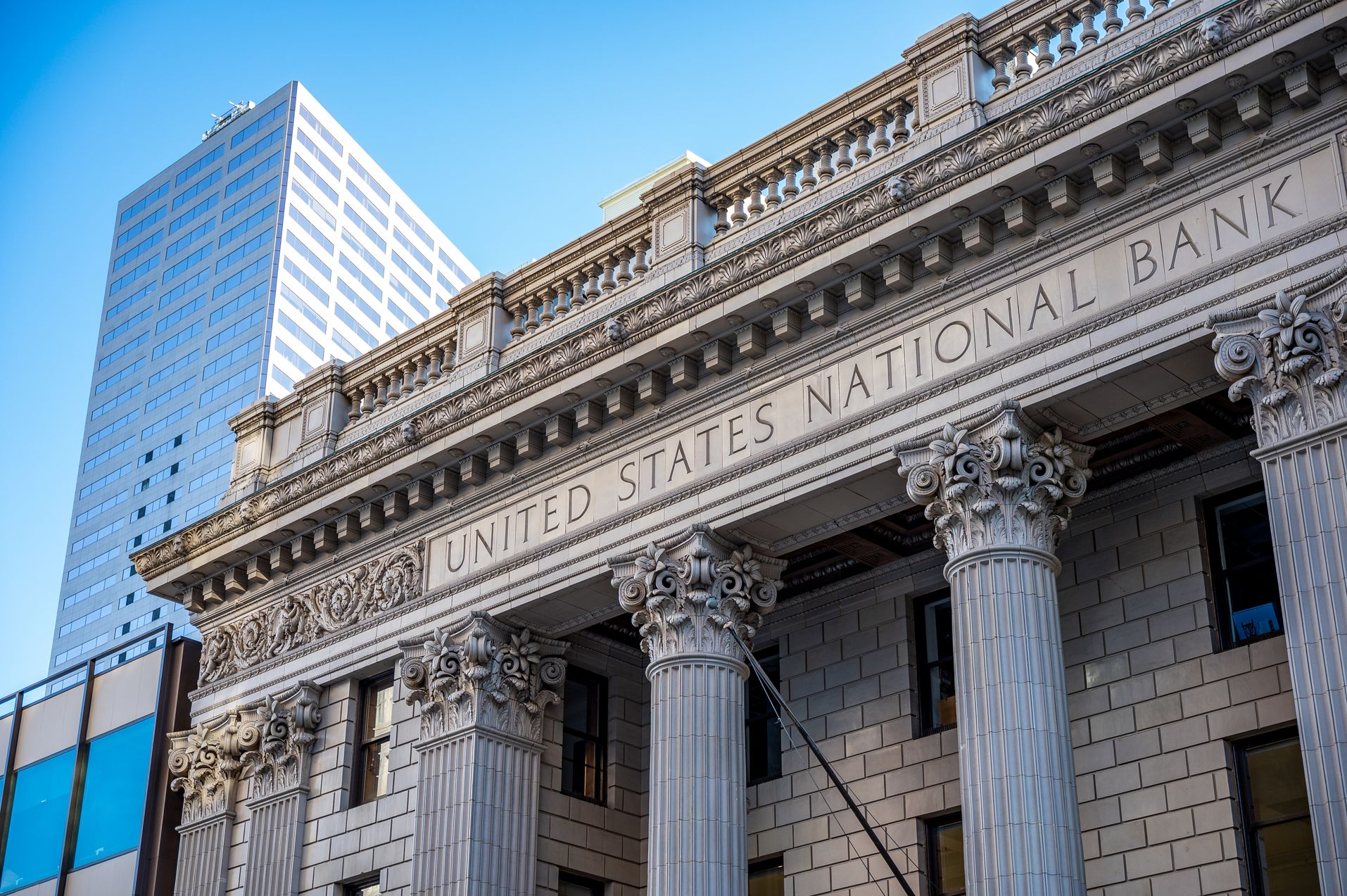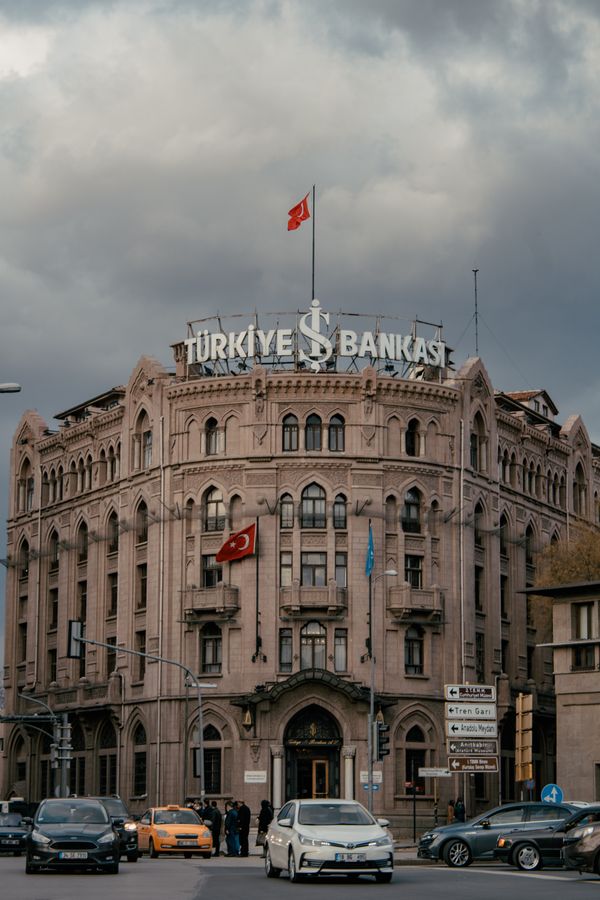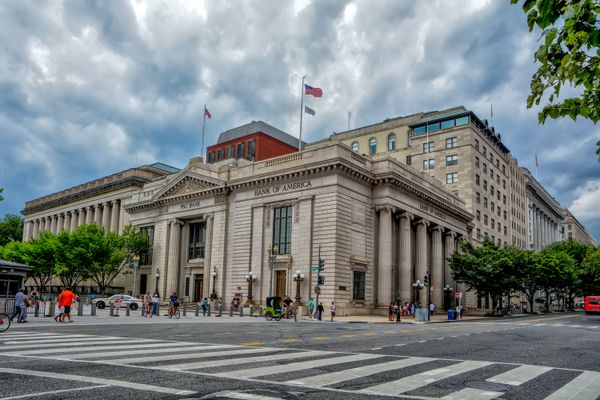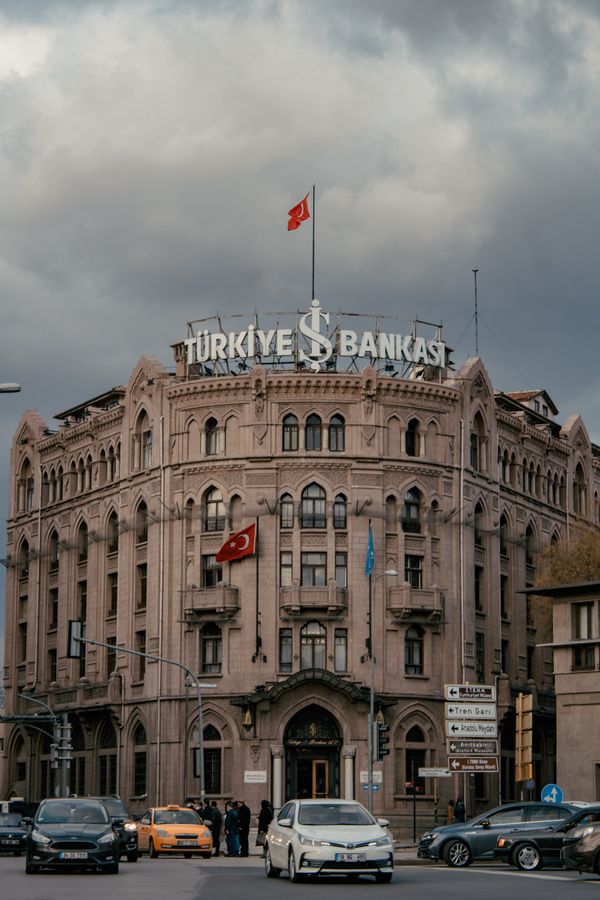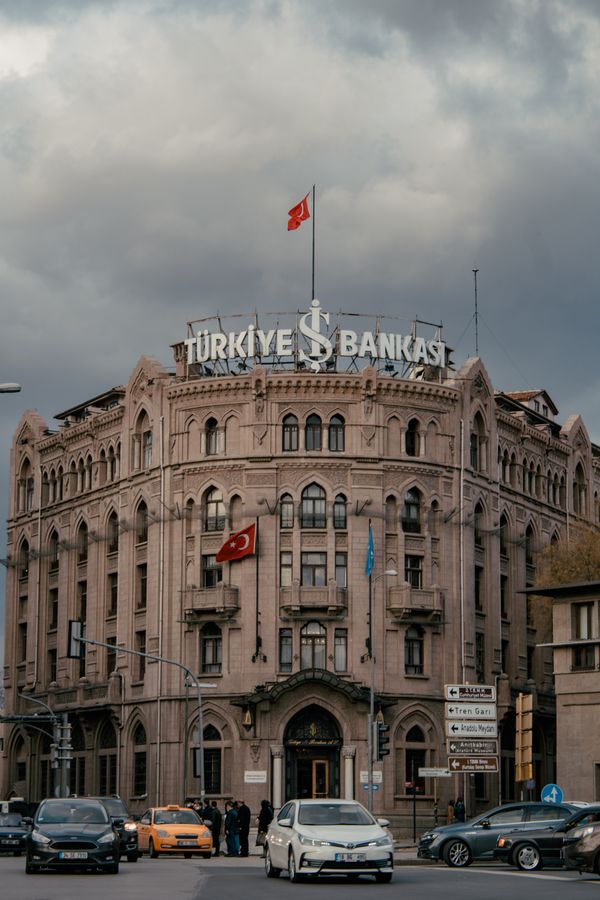
There is a moment in every choir performance when all the voices, which have been wandering through their own verses, suddenly land on the same note. It is powerful, a little startling, and — if you are in the audience — you feel it in your chest before you understand it in your head. This week, the world’s major central banks are doing something like that. They are not literally coordinating; there is no secret conference call where Jerome Powell’s successor and Christine Lagarde compare notes. But listen to the announcements landing within eight days of each other, and the harmony is unmistakable. Everyone is tightening. Everyone is worried about the same thing. And everyone is telling you, in their own careful language, that the era of easy money is not coming back.
Start with the timeline, because the sequence is the story. On September 10, the European Central Bank raised its key rates by 25 basis points — its second hike of 2026 — citing Iran-war-driven energy inflation, per Reuters. On September 16, the US Federal Reserve raised the federal funds target range by a quarter point to 3.75 to 4.00 percent, on a unanimous 12 to 0 vote — the first American rate hike since July 2023. Today, September 17, the Bank of England is widely expected to hold at 3.75 percent but with a hawkish tone, with Goldman Sachs calling for a November hike and markets pricing roughly 47 to 48 basis points of increases by year-end. And on Friday, September 18, the Bank of Japan is all but certain to lift rates, with markets pricing a 75 percent chance of a quarter-point move. Four central banks. Four tightening decisions or signals. Eight days.
Now, is this coordination or coincidence? The honest answer is: it is neither, exactly — it is a shared diagnosis. Central banks do not need to conspire when they are all looking at the same patient. The shared diagnosis has three parts, and the Fed chair said them out loud on Wednesday. Kevin Warsh told reporters that three things had changed since the July meeting: “The economy strengthened, inflation didn’t slow, and geopolitical tensions intensified.” He added: “All three of those things helped themselves to a firm, unanimous decision today,” per CNN’s reporting. Every major central bank is seeing some version of that same triptych — resilient growth, sticky inflation, and a geopolitical backdrop dominated by a seventh-month US-Iran war that has pushed Brent crude above $100 a barrel and closed the Strait of Hormuz to most traffic, per the Motley Fool’s reporting. When the oil price doubles as a tax on every economy at once, every central bank reaches for the same medicine.
The details of each move tell you how each economy is experiencing the shared illness. The Fed’s move was the most dramatic, not because a quarter point is large, but because of what surrounded it. The vote was unanimous — 12 to 0 — after a 9-to-3 split in July, when Beth Hammack, Neel Kashkari and Lorie Logan dissented in favor of a hike, per USA Today. Ryan Detrick of the Carson Group told Reuters the unanimity was “a tad surprising,” and that it “really shows that the Fed is serious about combating the broadening inflation backdrop.” Then came the dot plot: 16 of 18 policymakers penciled in at least one more quarter-point hike before the end of 2026 — 12 see one more, four see two more or one half-point — per USA Today and CNN. Goldman Sachs now calls for a follow-up in October, writing that it is “most natural to deliver hikes that the FOMC presented today as supporting ‘a timelier return’ to the 2% target at consecutive meetings,” per Reuters. The market has gone further than the Fed’s own projections: futures price about a 90 percent chance of another hike by year-end, with a December move fully priced, per Reuters. As Seema Shah of Principal Asset Management told Barron’s: “The debate has shifted from ‘if’ to ‘how much’ tightening this cycle will require to restore price stability.”
The ECB’s move, a week earlier, had a different flavor — it was explicitly about energy. The central bank raised rates to stem inflation driven by the Iran war’s effect on energy prices, per Reuters. This is the purest version of the shared diagnosis: when war pushes oil above $100, inflation stops being a domestic policy failure and becomes an imported fact, and the central bank’s only available response is to tighten hard enough to keep that imported inflation from embedding itself in wages and expectations. The ECB moved first among the big four this month. The Fed followed. Nobody in Frankfurt or Washington will admit to following anyone, but the calendar speaks for itself.
The Bank of England, deciding today, is the interesting middle case — the hold that is not really a hold. Widely expected to keep rates at 3.75 percent, the Bank is nevertheless expected to sound hawkish, with energy prices having climbed since July, per the Morningstar EMEA briefing. UK inflation rose to 3.1 percent in August from 2.9 percent in July. Goldman expects a November hike. Markets fully price three quarter-point rises by March 2027, per LSEG data. A central bank that holds rates while the market prices three hikes is not standing still; it is standing still loudly, and everyone can hear the footsteps of what comes next.
And then there is Japan, the last domino of the zero-rate era. The Bank of Japan’s expected hike on Friday would end the world’s longest experiment with free money, with the 10-year JGB yield already above 3 percent for the first time in about thirty years. When even Japan is tightening, the global message is complete: there is no major economy left where money is free.
So what does synchronized tightening mean for an everyday borrower? In plain terms, it means there is nowhere to hide. In past cycles, tightening in one region could be offset by easing in another — money would flow to wherever conditions were loosest, softening the blow. When everyone tightens at once, global financial conditions tighten faster than any single central bank intends, because each bank’s move amplifies the others’. Mortgage rates, auto loans, credit card rates, small-business credit lines — they all drift higher together, because they all ultimately reference the same global pool of capital, and that pool just got more expensive everywhere at once. The 30-year US mortgage rate has already climbed to nearly 7 percent, its highest in nearly a year, per the Mortgage Bankers Association via the Wall Street Journal. That is the synchronized cycle arriving at the front door.
For investors, the meaning is subtler but just as real. Synchronized tightening punishes leverage and rewards patience. The trades built on cheap money in one currency funding bets in another — the carry trades, the leveraged credit plays — all get more expensive simultaneously. CaixaBank Research noted this week that European equities actually outperformed US equities on Wednesday even as US yields rose and the dollar strengthened — a reminder that relative tightening paths still create relative opportunities. But the broad direction is one: the discount rate is rising everywhere, which means the present value of future earnings is falling everywhere, which means asset prices face a headwind that no single market can dodge for long.
There is also a deeper, more hopeful reading of the synchronization, and it is worth sitting with. Central banks tightening together is also central banks agreeing with each other — agreeing that inflation is the enemy, agreeing that credibility matters, agreeing that the job is not done. Karl Schamotta of Corpay told Reuters the Fed’s hike “should go a long way toward restoring confidence in the Fed’s commitment to fighting inflation.” Diane Swonk of KPMG called the unanimous vote “a much needed affirmation of the Fed’s independence,” per the Wall Street Journal. When the world’s central banks move in the same direction, they are collectively telling households and businesses: we will do what it takes. That shared resolve, if it holds, is what eventually breaks inflation expectations — and breaking expectations is the whole game.
It’s not enough to just track each central bank’s decision as a separate headline. It’s not enough to treat the Fed’s hike, the ECB’s hike, the Bank of England’s hawkish hold, and the Bank of Japan’s looming move as four unrelated stories. We must listen for the harmony underneath them — the shared diagnosis of persistent inflation, resilient growth, and geopolitical risk — learn how synchronized moves amplify each other into tighter conditions than any single bank intends, and contribute our own steady planning, because the households and businesses that navigate a synchronized tightening are the ones that stopped waiting for relief and started adapting to the new price of money.
My take: the synchronization is the story, and it cuts both ways. On the dark side, four central banks tightening within eight days means global financial conditions will tighten more than the sum of the individual moves — the amplification effect is real, and borrowers should plan for rates to stay higher for longer than any single forecast suggests. The market pricing three BoE hikes by March and a 90 percent chance of another Fed hike this year tells you where the smart money thinks this goes. But on the bright side, synchronization is also credibility: when every major central bank agrees inflation must come down, inflation expectations are more likely to actually come down, which shortens the tightening cycle rather than lengthening it. The practical move for everyday life is the same one it has been all year, only more urgent: kill floating-rate debt, lock in fixed rates where you can, keep cash reserves healthy because credit is getting pickier, and do not bet on rate cuts riding to anyone’s rescue. The choir has landed on its note. It is not changing key anytime soon.