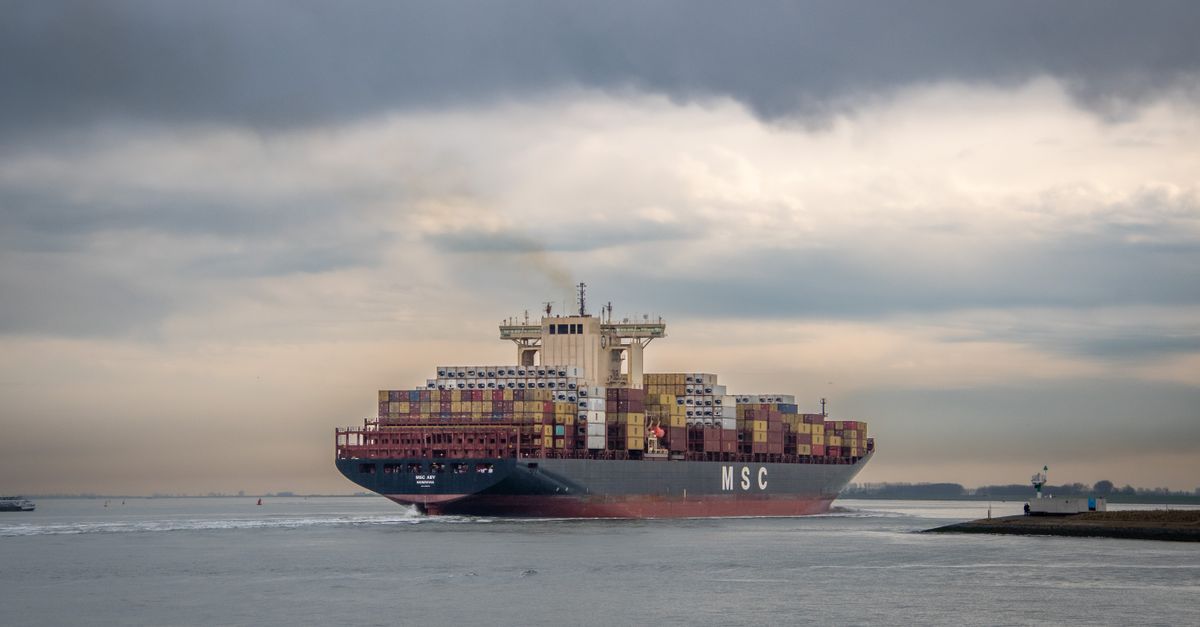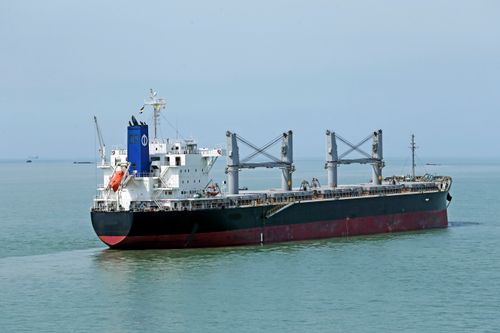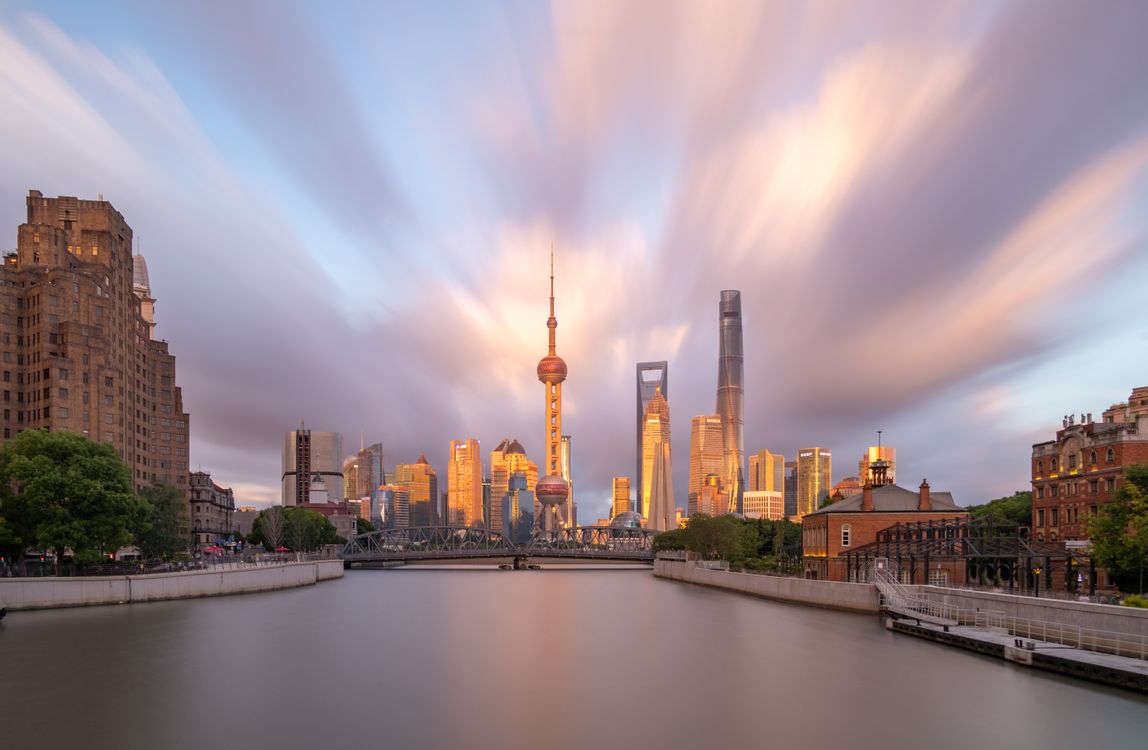
There are two Chinas in the financial news this week, and they barely seem to belong to the same planet.
In the first China, the stock market is a carnival. The country’s securities regulator has told bankers to keep new listing prices cheap, to bar “low-quality” companies from going public, and to limit the IPO pipeline to so-called national champions. The result is a market engineered for fireworks: new Chinese listings are posting a median first-day gain of 173 percent this year. Chipmaker CXMT and robotics company Unitree both surged more than 400 percent on their debuts. More than 100 companies have listed so far, raising over $28 billion — roughly 50 percent more than in all of 2025. Finimize, which has been tracking the frenzy, put it bluntly: regulators want to keep the IPOs poppin’.
In the second China, the mood is considerably darker. American soybean farmers are beginning to harvest tens of millions of tons of soybeans, and China — historically the world’s biggest buyer — doesn’t want any of them, as the Wall Street Journal reported this week. Tariffs and trade tensions have rerouted one of the great commercial relationships on Earth, and the farmers standing in their fields in Iowa and Illinois are the ones holding the bag.
A carnival and a cold shoulder, in the same week, from the same country. If you want to understand where the global economy is headed, you could do worse than sitting with that contradiction for a while.
Let’s start with the carnival, because it’s the louder of the two. The Chinese IPO boom is not an accident. When regulators tell bankers to price new shares cheaply and restrict supply to favored companies, the first-day pop is practically guaranteed — it’s arithmetic, not magic. Price something below what the market will pay, let only a few buyers in, and watch the number go vertical. CXMT and Unitree both more than quintupled on debut. For the retail investors who got allocation, it must have felt like winning the lottery. For the bankers and the companies, it’s a showcase: look how healthy our capital markets are.
But there’s a catch, and it’s a familiar one. Unitree — the humanoid robotics darling — has already lost almost half its value from its first-day peak. It listed with a 629 percent opening-day pop and now trades at around 118 times annual sales. Fewer than one in ten of its robots goes to industrial use; the founder himself says mass adoption could be a decade away. Morgan Stanley estimates humanoid robots could be a $5 trillion global industry by 2050, and China already produces 97 percent of the world’s humanoids — so the long-term story may be real. But the short-term story is a warning: engineered pops deflate. The investors who bought at the top of the carnival ride are learning what every generation of IPO buyers eventually learns. The pop is not the value. The pop is the marketing.
It’s not enough to just chase the opening-day number and call it investing. That’s true in Shanghai, and it’s true in New York, where this week’s crop of U.S. debuts saw companies deliberately setting aside bigger allotments for retail investors after earlier listings like Figma, Circle, and Bullish suffered violent first-day price jumps. The Wall Street Journal reported that the companies going public this week learned the lesson: give regular investors a real seat at the table, or watch the price action turn into a spectator sport. Whether it’s a regulator in Beijing engineering the pop or a company in New York trying to tame it, the question is the same one it has always been — who is this market actually for?
Now the field. The soybean story doesn’t have fireworks, but it has something more important: livelihoods. The U.S. harvest is coming in — tens of millions of tons — and the single largest customer in the world has walked away from the table. China bought American soybeans for decades because it needed the protein to feed its livestock and, by extension, its people. Now tariffs have made American beans expensive and Brazilian beans cheap, and the trade has rerouted. A farmer in Iowa can’t reroute a harvest. The beans are in the ground, the combines are running, and the buyer isn’t picking up the phone.
This is what a trade war looks like when you zoom in past the press conferences. It’s not an abstraction. It’s a family weighing whether to store beans and hope, sell at a loss and move on, or plant something else next year and pray the market comes back. Agriculture reporter Patrick Thomas’s dispatch for the Journal captured the quiet dread of it: the harvest doesn’t wait for diplomacy. The crop comes when it comes.
And here’s where the two Chinas connect, because they do. The same state that is stage-managing a stock market carnival is also the state making cold, strategic decisions about what to buy and from whom. China is the world’s largest buyer of oil, and Axios Markets noted this week that Beijing’s pullback from oil purchases helped prevent the worst of the post-Hormuz price spikes — a reminder that China’s demand decisions move global prices in everything from crude to soybeans to copper. When China steps back, markets feel it. When China steps in, markets feel that too. The carnival and the cold shoulder are two sides of the same coin: a state that treats markets as instruments of policy, and deploys them accordingly.
There are other threads in the week’s China story worth noting. DeepSeek, the AI lab that rattled global markets, has seen its valuation climb above $70 billion, with a whole secondary “shadow market” springing up around its fundraising frenzy. The BRICS bloc of developing nations meets this weekend, with the Financial Times describing it as “a unique moment of opportunity to remake the global order.” And in the background, the U.S. Treasury scrapped shell-company ownership reporting rules this week — a small deregulatory move, but one more data point in the slow-motion rewiring of how global capital is tracked and taxed.
My take, and I’ll mark it as opinion: the investors who will do best in the China trade over the next decade are the ones who can hold both Chinas in their head at the same time. The carnival is real — Chinese technology companies are genuinely world-class in batteries, robotics, solar, and increasingly AI, and the IPO pipeline is the on-ramp to owning a piece of that. But the cold shoulder is real too — the state will subordinate market logic to strategic logic whenever it chooses, and foreign investors and trading partners will be the first to feel it. Betting on China means betting on both the entrepreneur and the regulator, and never confusing one for the other.
For the rest of us — the savers, the farmers, the small-business owners watching from the sidelines — the lesson is simpler and more practical. Diversification isn’t just a portfolio concept; it’s a life concept. The Iowa farmer who sells only to China is like the investor who owns only one stock: fine until it isn’t. The retail buyer who chases only the IPO pop is like the farmer who plants only one crop: thrilling until the weather turns. The families and businesses that endure are the ones with more than one buyer, more than one bet, more than one plan.
A week from now, the carnival will have new headliners and the harvest will be further along. The gate will still be managed, and the field will still be waiting. The question for everyone watching — in Shanghai, in Iowa, and everywhere in between — is whether we’re building financial lives sturdy enough to handle both. I think we can. But only if we stop mistaking the pop for the value, and the harvest for a guarantee.