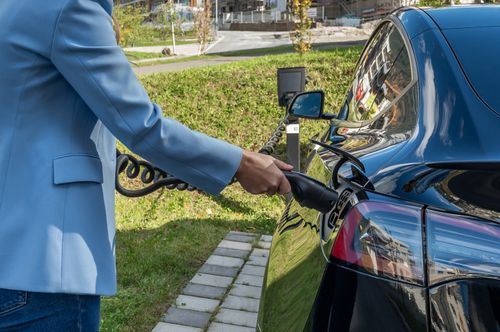

Picture a small-town car dealer — let’s call him Mr. Adebayo — standing on his lot on a Saturday morning, coffee in hand, watching a young couple circle a shiny plug-in hybrid. It’s roomy, it’s efficient, and here’s the thing that stops them in their tracks: it’s thousands cheaper than the local brand parked next to it. The couple glances at the badge, glances at the price tag, and you can see the question forming before they even say it. Why is this one so affordable?
That quiet Saturday-morning question is, in a way, the biggest question in European trade policy right now. And the answer has the European Union and China headed for a showdown.
Here’s the backstory. Back in October 2024, the European Union looked at the flood of Chinese-made electric vehicles arriving at its ports and did what trade blocs do when they feel cornered: it imposed tariffs of up to 45% on Chinese EVs. It was a shot across the bow — Brussels saying, in effect, that its own carmakers needed room to breathe.
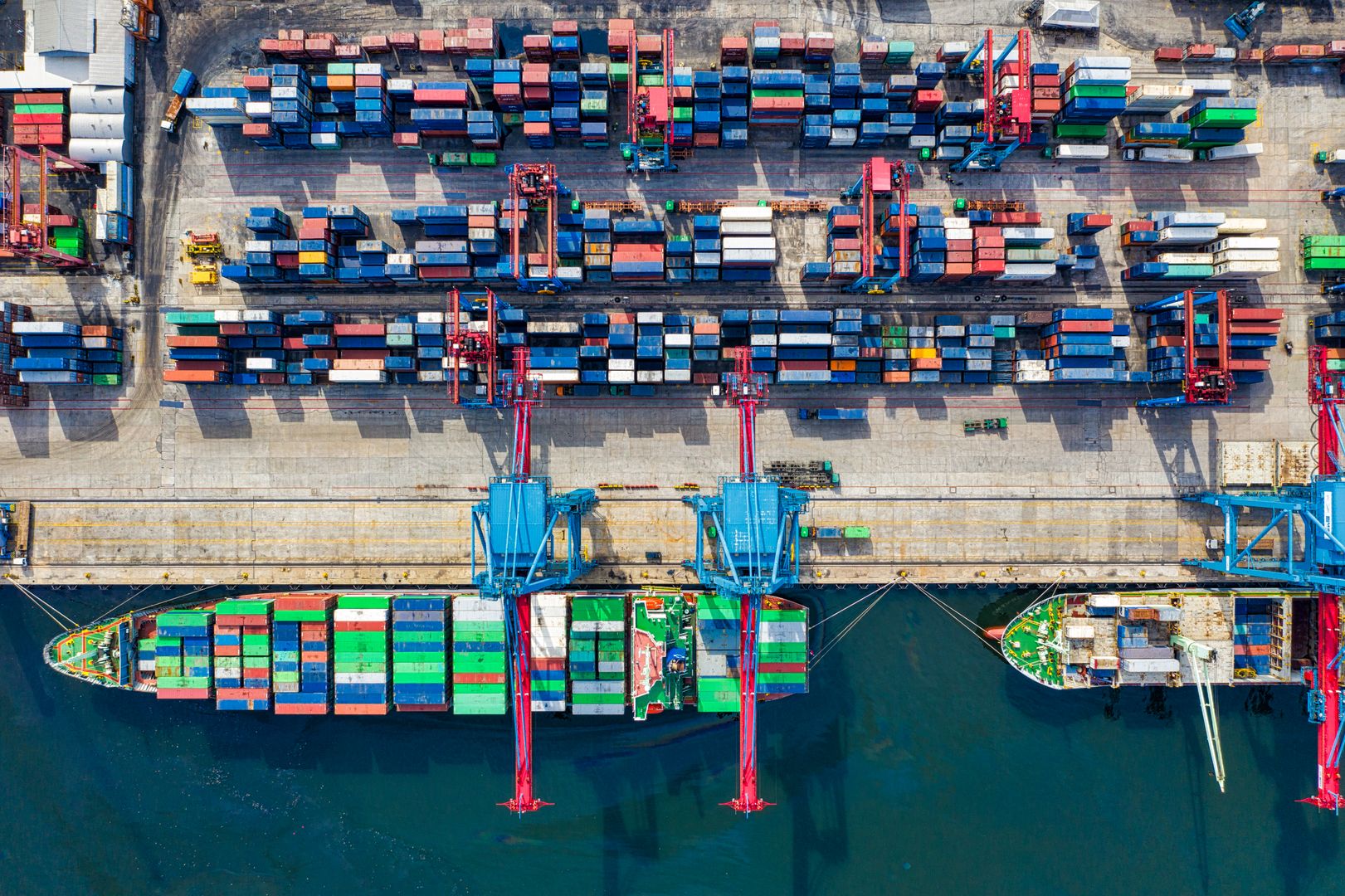
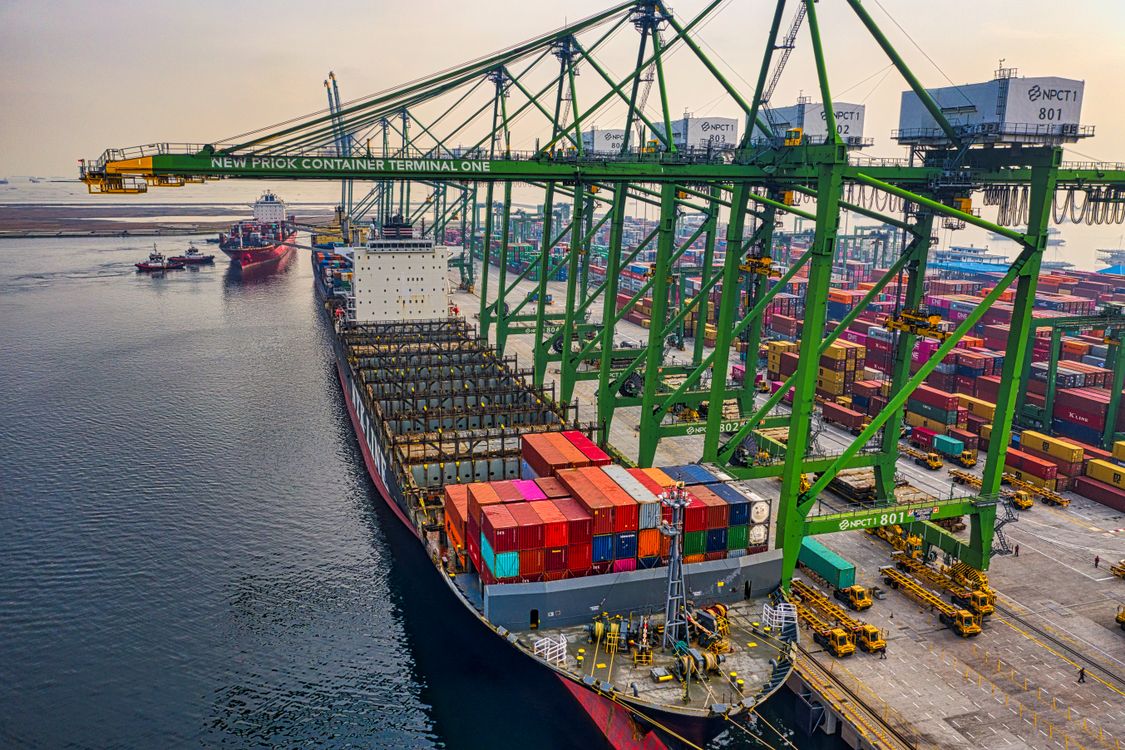
But tariffs, like water, find the cracks. Hybrids — cars that run on both petrol and electricity — were never swept into those duties. They kept sailing into Europe at the standard 10% import tax. And Chinese automakers, resourceful as any entrepreneur who’s ever spotted an opening, pivoted hard. The numbers tell the story better than any speech could: monthly Chinese hybrid exports to the EU leapt from 3,800 in October 2024 to 50,000 by July 2026. Let that sink in for a moment. From a trickle to a torrent in less than two years.
Today, Chinese vehicles hold more than a third of the European Union’s plug-in hybrid market. More than a third. Walk into a showroom in Hamburg or Lyon and one out of every three plug-in hybrids on the floor started life in a Chinese factory. For the European carmakers — Volkswagen, Mercedes, BMW — watching their home turf shift beneath them, this isn’t an abstract trade statistic. It’s the dealer-lot reality playing out every Saturday.
So the EU has now put a number on its patience. Brussels is asking China to “voluntarily” lower its share of the European plug-in hybrid market to 15% — down from over a third — or face higher tariffs on those hybrids too. The word “voluntarily” deserves its quotation marks, because everyone in the room knows what it means: agree, or we’ll agree for you. The two sides are set to meet next month to hash this out.
Now, why does this matter to you, sitting far from the negotiating tables? Because the dynamics underneath are the same dynamics that shape what your family pays for a car, what your pension fund earns from European carmakers’ shares, and how the global economy holds its balance.
Consider the trade imbalance behind the headlines. The European Union runs a trade deficit with China of more than $1 billion every single day. A billion dollars, every day, flowing one way. For anyone who has ever tried to keep a household budget balanced — money coming in, money going out — you understand the anxiety of watching one column grow relentlessly larger. Now multiply that feeling by a billion and run it daily. That’s the EU’s ledger.
Then there’s the pricing puzzle. Chinese cars in Europe fetch roughly twice the price they command back home in China, where domestic sales have been sluggish. Pause on that for a moment, because it flips the easy narrative. These aren’t loss-leading dump trucks rolling off the ships. They’re premium products selling at premium prices — and still winning on value. It tells you something about how thin European margins have become, and how hard it is to compete when your rival can charge double abroad and still undercut you.
And the pain is showing up in the home-market earnings reports. Volkswagen, Mercedes, and BMW all saw their sales in China fall by around a third in the second quarter. Around a third — gone. Imagine you’re a small business owner whose biggest customer suddenly orders a third less. You’d lie awake at night. You’d question everything. Now imagine that customer is an entire country’s market. These are companies whose shares sit in pension funds and savings plans across Europe, which means the knock-on effects ripple quietly into everyday retirement dreams.
My take: it’s not enough to just watch these trade numbers like a scoreboard — we must listen to what they’re actually telling us, learn how quickly global advantage can shift, and contribute to the kind of honest conversation about what fair trade looks like. Because this isn’t really about cars. It’s about whether the rules of the game are the same for everyone, and what happens to ordinary workers when they aren’t.
There’s a larger chessboard here, too. Next week, the Chinese and U.S. presidents are scheduled to meet at the White House — a meeting where Chinese electric vehicles face a steep 100% tariff wall in America. On the agenda, according to reports, are around $30 billion in tariff reductions on each side. So the EU’s demand doesn’t exist in a vacuum; it’s one move in a much bigger negotiation between the world’s largest economies, with consumers caught in the middle.
The irony that shouldn’t escape us: the hybrid loophole only existed because Europe wanted to protect its EV transition while keeping its environmental ambitions intact. Hybrids were supposed to be the gentle bridge between the old world and the new — the sensible middle step. Instead, they became the express lane. It’s a reminder that policy, however well-intentioned, creates incentives, and incentives get exploited by anyone paying attention.
So what should a thoughtful family — or an investor, or a small business owner — do with all this? First, pay attention to what you buy, and why. That affordable hybrid on the lot isn’t just a car; it’s a product of global policy, currency, subsidies, and strategy. Second, if you invest in European automakers, read those quarterly reports with fresh eyes — a third of China sales evaporating is the kind of line that deserves more than a skim. And third, recognize that “voluntary” trade deals are rarely voluntary for long. When Europe says 15% or tariffs, China will calculate, counter, and probably land somewhere in between — but the direction of travel is unmistakable: the era of frictionless global car trade is ending.
There’s hope in this story, too. Competition, for all its bruises, forces everyone to be better. European carmakers didn’t become legendary by being comfortable — they became legendary by engineering their way out of tight spots. If this pressure forces them to build hybrids and EVs that people genuinely love at prices people can genuinely afford, then the couple on Mr. Adebayo’s lot wins no matter whose badge is on the grille.
It’s not enough to just pick a side in a trade fight — we must listen to the people whose jobs and savings sit in the balance, learn from how fast the ground can move, and contribute to building an economy where competition is fair and the benefits reach the lot, the showroom floor, and the family budget alike. That’s the conversation worth having, and it’s one we’re all part of, whether we drive a hybrid or not.