The United States is in the middle of the most aggressive reshaping of pharmaceutical trade policy in modern history. On April 2, the Trump administration imposed a 100% tariff on patented and branded pharmaceutical products and ingredients under Section 232, the national-security trade authority (LinkedIn / Rafael Gonzalez). Larger drugmakers were given 120 days to negotiate before the rate took effect; smaller drugmakers, which rely on contract manufacturers, got 180 days. And in a separate countdown announced on Truth Social in July, all imported generic drugs will remain tariff-free until August 1, 2028, then face a 100% tariff, rising to 200% one year later (USA Today).
“To levy a 100% tariff on pharmaceutical companies that manufacture drugs in foreign countries, rather than in America” is how one trade summary described the plan, with the goal of pushing companies to build plants in the United States or face duties that would, in effect, double the import cost of their products (Venus / Travis Woods).
The logic from the White House is straightforward: reshore production. “This is done in order to RESHORE Generic Pharmaceutical Production into America, with a penalty to those Companies that decide not to build Plant and Equipment within the stated period of time given to them,” Trump wrote in his Truth Social post, adding that the objective was “to protect the people of the United States” (Fierce Pharma).
Here is what the schedule actually looks like. Branded drugs faced the 100% Section 232 levy starting this spring, with grace periods for companies that commit to building U.S. plants. Generic drugs, which were initially exempted, get a two-year runway before the 100% rate arrives in August 2028 and the 200% rate in August 2029 (Bloomberg Law). Meanwhile, more than a dozen major drugmakers, including Eli Lilly, Pfizer, and Novo Nordisk, have struck deals with the administration to lower prices on new and existing medicines under the president’s “most favored nation” policy, which ties U.S. drug prices to cheaper ones abroad. Those agreements exempt the companies from tariffs for three years (LinkedIn / Rafael Gonzalez).
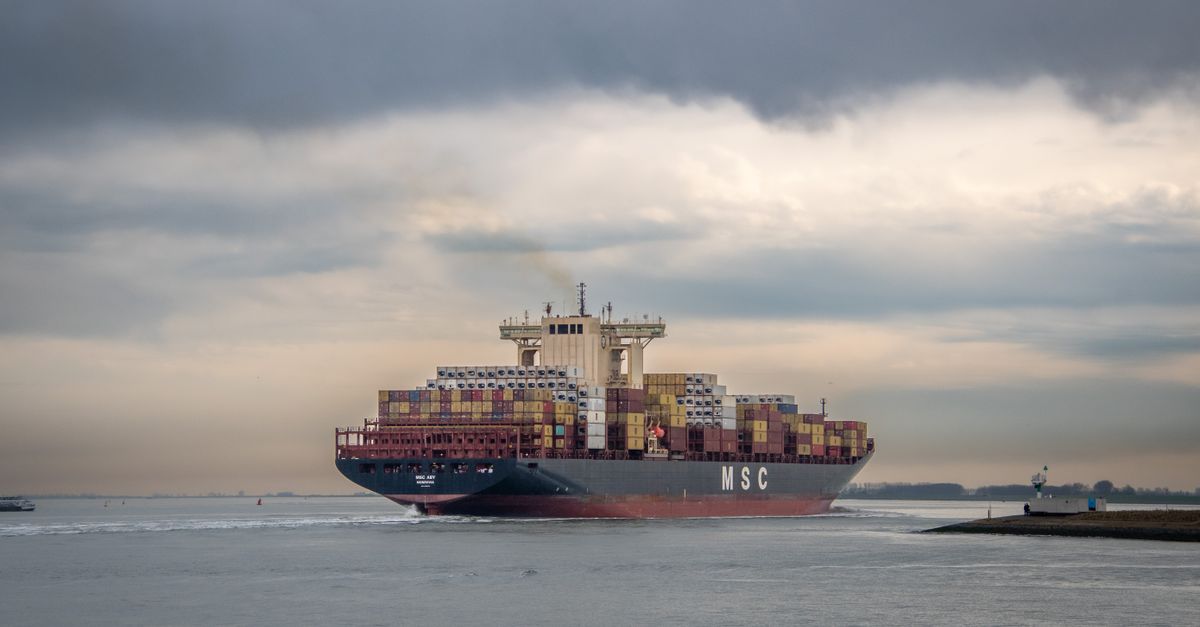
The distinction between branded and generic drugs matters enormously for what happens next. Generic medications represent the vast majority of prescriptions filled by American patients, from everyday painkillers and antibiotics to cholesterol and cancer drugs, and they are mostly produced at factories in India, Europe, and China (Bloomberg Law; World Pharma Today). Unlike brand-name producers, generic drugmakers compete primarily on price and generate profits through high volume, which leaves them with razor-thin margins and little room to absorb steep import taxes (World Pharma Today). With margins already thin, some manufacturers have indicated they may exit specific products entirely if wholesalers refuse to absorb or pass through the added cost (LinkedIn / Rafael Gonzalez).
That exit risk is the quiet danger in this story. If a generic drug becomes uneconomical to import and uneconomical to make in America, the rational business decision is to stop making it. Shortages of cheap, essential medicines would be the worst possible outcome of a policy designed to protect the public. The Association for Accessible Medicines, the U.S. generic drug lobby, was “very surprised” by Trump’s post, said its CEO John Murphy III. “It’s a tweet, it’s a catalyst, and we’ll see what happens,” he said, describing the announcement as a starting point for negotiations similar to the deals struck over branded medicines (Bloomberg Law).
There is also a tension at the heart of the policy that is worth naming plainly. The administration wants two things at once: lower drug prices for Americans and more drug manufacturing in America. But manufacturing in the United States costs more than manufacturing in India, where labor and production costs are lower, which is exactly why the supply chain moved offshore in the first place (Bloomberg Law). Forcing production onshore without raising prices requires someone to absorb the difference, and the history of tariffs suggests that someone is usually the buyer.
For branded drugs, the deals cut so far point to how this may play out: companies pledge U.S. investment and price concessions, and in return they get tariff exemptions. Pfizer and Johnson & Johnson have already begun negotiations (Venus / Travis Woods). The most-favored-nation pricing agreements are, in their own way, a form of the price controls the industry has long resisted, achieved through the leverage of tariff threats rather than legislation.
What should a patient or a family actually watch? First, the branded-drug negotiations now underway, because those determine which medicines carry tariff-driven price pressure in the near term. Second, the generic-drug countdown to August 2028, which is both a negotiating window and a planning horizon: the two-year runway gives manufacturers time to pledge U.S. investment or push for relief, and it gives the rest of us time to see whether the threat produces factories or shortages (Fierce Pharma). Third, your own medicine cabinet. If you take a generic drug made abroad, which most of us do, its price in 2028 depends on negotiations happening right now, most of them out of public view.
My take is that the policy’s success will be measured not by how many plants break ground but by what happens to the price and availability of a $4 generic antibiotic. Reshoring the pharmaceutical supply chain is a legitimate national goal; the pandemic taught everyone what it means to depend on distant factories for essential goods. But the mechanism chosen, tariffs that double and then triple the cost of imports, is a blunt instrument aimed at a delicate supply chain. The exemptions-for-investment deals suggest the administration knows this, and is using the tariff as leverage rather than as a permanent tax. If that reading is right, the real story of the next two years is not the tariff schedule. It is the negotiations. And patients would be wise to pay attention to them, because the price of their prescriptions is being decided at the table.
Trump added that “the Policy on Patented, Branded, or Innovative Drugs, which has been so successful, will remain as is,” signaling that the branded-drug tariff regime is now the settled baseline while the generic-drug countdown runs (Fierce Pharma).