On September 23, President Donald Trump and Chinese President Xi Jinping sat down at the White House for three days of talks that ended with a handshake, a state dinner attended by the chief executives of Apple, Nvidia, and OpenAI, and a deal that extends the U.S.-China tariff truce from November 10, 2026 to January 10, 2027. Tariffs tied to fentanyl trafficking were cut to 10 percent, and a maritime investigation targeting Chinese shipping under Section 301 was suspended. The world’s two largest economies bought themselves sixty more days of calm. The hard questions, on AI chips, rare earths, and Taiwan, were left exactly where they were.
For anyone who sells things for a living, this is the week’s most practical piece of news. A tariff truce is not peace; it is a pause button. And pauses have value. The American importer who orders holiday inventory in October, the factory owner in Ohio who buys components from Shenzhen, the farmer in Iowa watching soybean prices: all of them plan around deadlines, and every deadline that moves gives them room to breathe. Treasury Secretary Scott Bessent confirmed the extension, and U.S. Trade Representative Jamieson Greer is expected to release the details on Monday, September 28. Until then, businesses are reading the tea leaves.
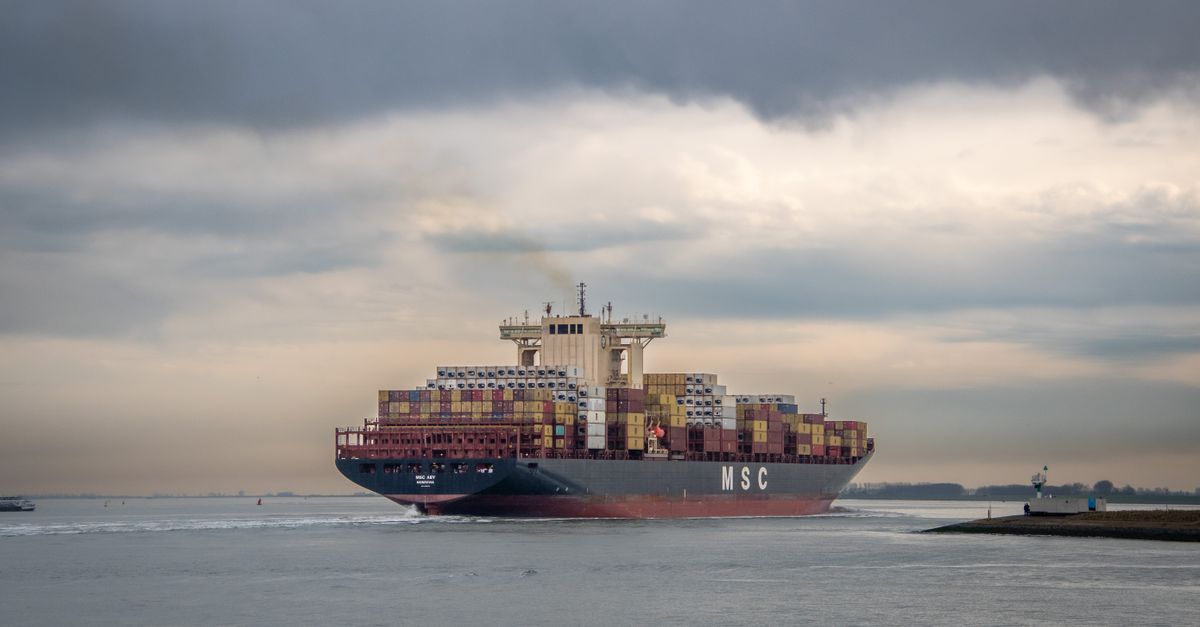
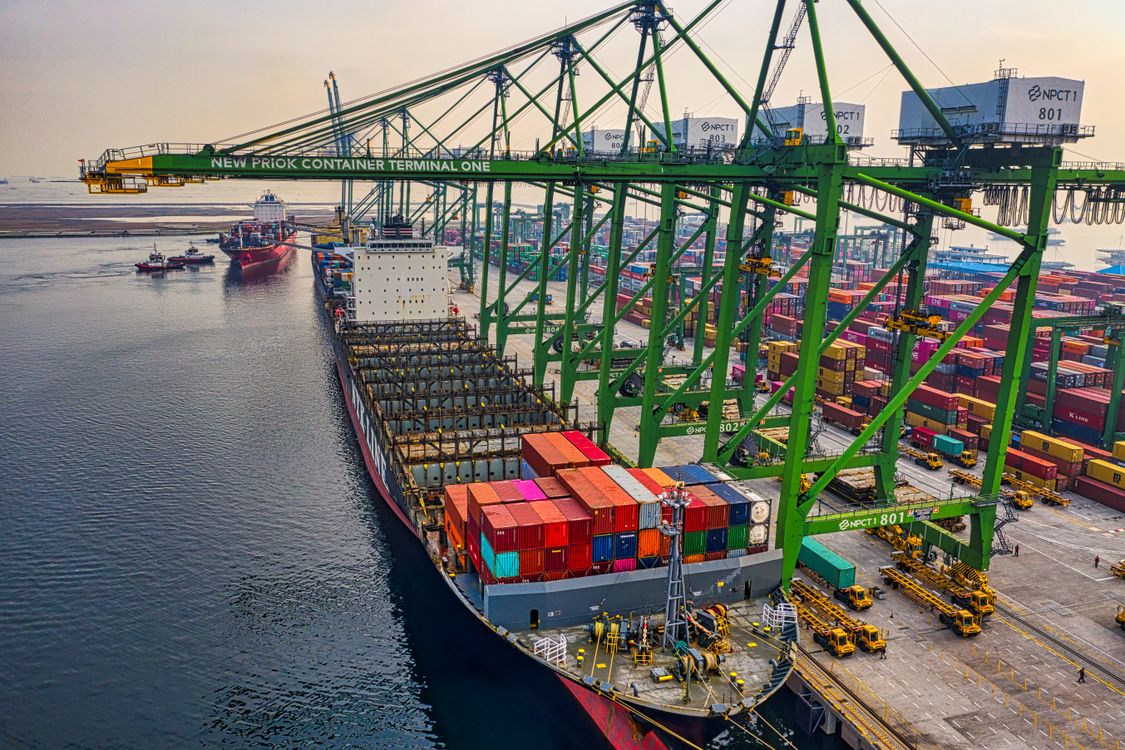
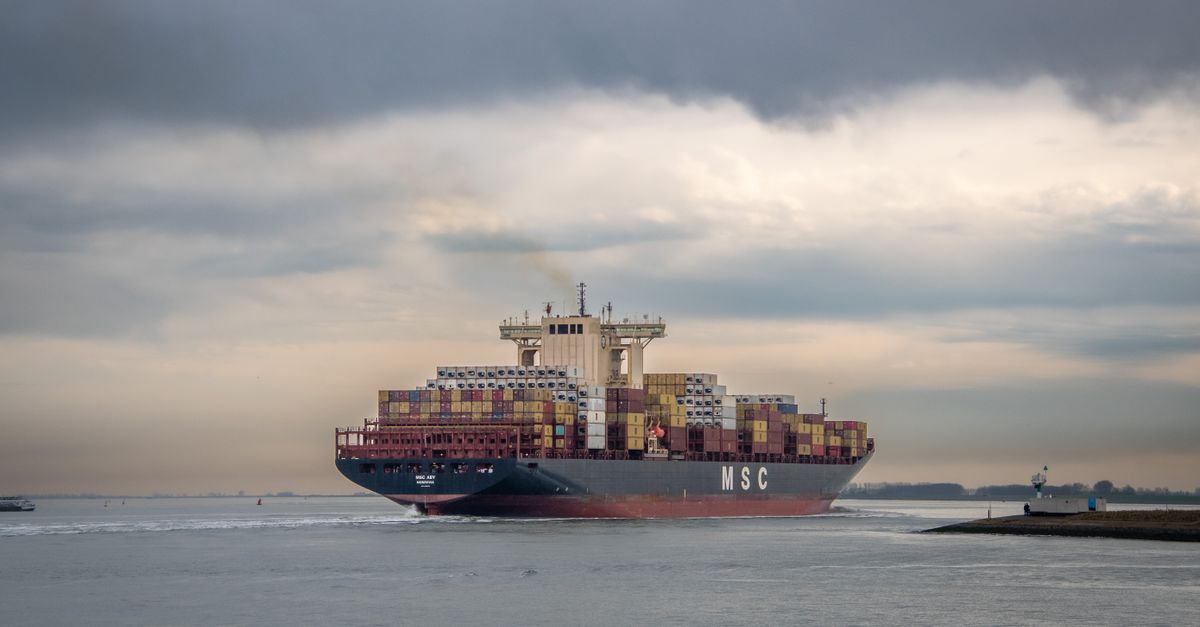
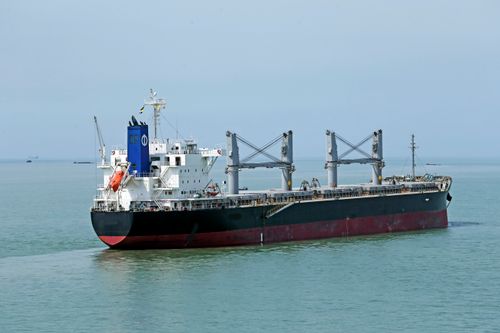
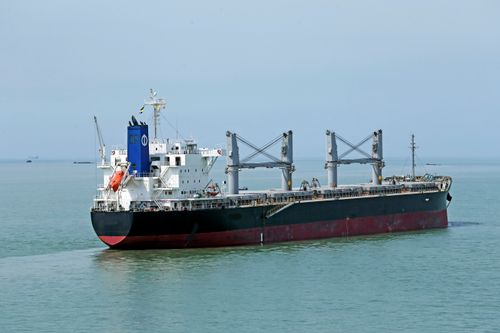
According to reporting by Reuters and CNN, the summit produced real, if narrow, concessions. Cutting the fentanyl-linked tariffs to 10 percent lowers the cost of a wide range of Chinese goods overnight. Suspending the Section 301 maritime probe removes a threat that had hung over global shipping, where additional port fees on Chinese-built vessels could have raised freight costs for everyone. These are the kinds of quiet, technical moves that never make a rally speech but show up in a small business’s shipping invoice within weeks.
What did not get resolved matters more. Nothing was agreed on exports of advanced AI chips, the bottleneck that has defined the technology rivalry. Nothing was agreed on rare earths, the minerals China refines in overwhelming quantities and that go into everything from electric vehicles to fighter jets. And Taiwan, the island whose status shadows every U.S.-China conversation, stayed off the resolution list entirely. A truce that excludes the three most combustible issues is less a settlement than a decision to keep talking.
Xi’s own summary was characteristically spare. At the state dinner he said the two countries should “coexist in peace,” a phrase that commits to very little and signals a great deal. Coexistence is the floor, not the ceiling. For markets, the floor was enough: the prospect of an immediate tariff escalation in November was the scenario businesses feared most, and it is now off the table until January.
But January is closer than it sounds, and the calendar beyond it is already filling with threats. The administration has warned that 50 percent tariffs on Canadian autos, auto parts, and steel could take effect in January, and Greer said there is “no urgency” to resolve the Canadian file. For the Detroit auto worker and the Ontario parts supplier, the message is that the trade wars are not ending; they are rotating. The truce with China may simply be clearing the schedule for a fight with Canada.
Step back and the pattern of 2026 becomes clearer. Tariffs have become a permanent instrument of American economic statecraft, applied, paused, and reapplied like a thermostat. Businesses have adapted the way people adapt to any recurring weather: they build inventories ahead of deadlines, they diversify suppliers where they can, and they pass costs to consumers where they cannot. The cost of that adaptation is real. Every warehouse stuffed with extra inventory “just in case” is capital that is not being invested in growth. Every supply chain rerouted around a tariff is a small tax on efficiency, paid by shoppers at the register.
There is also a human story underneath the negotiating tables. Consider the owner of a mid-sized electronics distributor in Texas I will call a composite of many real importers: she employs fourteen people, sources roughly half her components from China, and has spent the last year doing tariff math on every purchase order. For her, the extension to January 10 means she can place her spring orders without guessing whether a 25 or 50 percent tariff lands in November. That is not a victory. It is a reprieve. But reprieves are what keep small businesses alive in a trade war.
The deeper question is whether sixty-day truces are becoming the permanent condition. Each extension is celebrated, each deadline reset, and the underlying disagreements, over who makes the chips, who refines the minerals, who sets the rules of the digital economy, remain untouched. At some point the pauses stop being a bridge to a deal and start being the deal itself: managed tension, indefinitely extended.
There is a cost to perpetual brinkmanship that rarely makes the headlines. Every tariff deadline forces companies to hire trade lawyers, restructure contracts, and hold larger cash buffers. Those are real expenses, paid in salaries and foregone investment, and they accumulate across thousands of firms into a meaningful drag on growth. Uncertainty is itself a tariff, levied on planning.
My take is that this summit succeeded at exactly what it attempted, which was to avoid failure. Nobody expected a grand bargain, and nobody got one. What businesses got was predictability for the holiday quarter, and in a year when diesel costs $6.52 a gallon and mortgages are back above 7 percent, predictability is not nothing. But January 10 will arrive quickly, and the issues that were too hard for September will not be easier in the cold of winter. The truce bought time. Time, as the bond market reminded us this week, is getting expensive.
What to watch next
Greer’s detailed readout on Monday, September 28 will show how much of the truce is substance and how much is staging. Watch for specifics on the fentanyl tariff schedule and any language on rare earths. Then watch Canada: the January tariff threat is the next deadline on the calendar.