On Friday, September 18, President Trump signed a piece of legislation that could redraw the global energy map — and your gas prices with it. The Lindsey O. Graham Sanctioning Russia and Iran Act of 2026 hands the president the authority to slap tariffs of up to 100% on the biggest buyers of Russian oil. It is, by most accounts, the most aggressive economic weapon Congress has aimed at Moscow’s war funding — and it landed in a week when oil markets were already on edge.
Let’s walk through what actually happened, why, and what it means for the money in your pocket.
The law, in plain English
The bill was named for the late Republican Senator Lindsey Graham, a staunch Ukraine supporter who died in July. It cleared the Senate 86–11 in August and the House 262–159 this week, with several dozen Democrats joining Republicans — bipartisan in the way only Russia policy seems to be these days.
Here’s what it does:
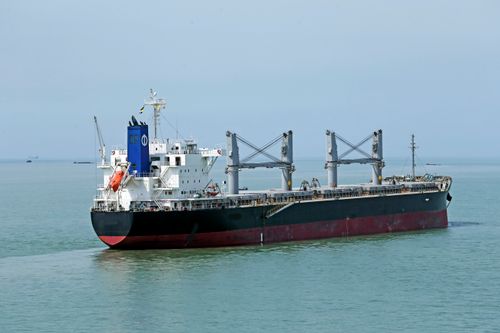
- Targets Russia’s money machine. It expands sanctions on Russian officials, financial institutions, defense networks, and the so-called “shadow fleet” — the web of aging tankers Russia uses to move oil around Western restrictions.
- Creates the 100% tariff club. The president can impose duties of up to 100% on the five largest importers of Russian crude oil or natural gas, plus countries helping Russia dodge oil sanctions. China and India — the two largest buyers of Russian crude — are squarely in the frame.
- Extends Iran sanctions. The existing Iran Sanctions Act gets a five-year extension.
- Keeps an escape hatch. The president can waive the tariffs under specified conditions, including certifying to Congress that a waiver is in the national interest.
One crucial nuance: the law authorizes tariffs — it doesn’t automatically impose them. No 100% tariff on China or India has actually been levied under the law yet. Any such move would require further administration action. That’s the difference between a loaded gun and a fired one — and right now, the gun is loaded.
Why now: the numbers behind the pressure
Start with the price at the pump’s evil twin: Brent crude has been living above $100 a barrel, trading just under $104 this week even after a three-day slide. Some of that is supply risk — this week alone brought reports of damage to Saudi Arabia’s East-West pipeline and a tanker incident in the Strait of Hormuz, plus word that Saudi Arabia told at least two European customers they wouldn’t receive crude deliveries next month. Some of it is the inflation story the Federal Reserve cited when it raised rates Wednesday: energy costs pushing prices up across the economy.
Against that backdrop, Russia’s oil revenue is the awkward part of the equation. Moscow has been funding its war in Ukraine partly with energy sales to buyers willing to skirt Western sanctions — chiefly China and India. The Graham Act is Congress’s answer: make buying Russian oil so expensive for the buyers that the trade stops being worth it. As Representative Michael McCaul put it, the bill aims to “cripple Russia’s war machine and finally bring Putin to the negotiating table.”
But here’s the tension, and it’s a big one: China is America’s largest strategic rival and a major trading partner. Imposing 100% tariffs on Chinese goods because Beijing buys Russian oil would be an economic earthquake — supply chains, consumer prices, inflation, all of it. That’s why even the law’s supporters acknowledge the White House is unlikely to use the full weapon against Beijing casually, especially with U.S.-China preparatory trade talks underway ahead of an expected Trump–Xi summit September 23–24. The tariff authority is, at least for now, leverage — a very large bargaining chip placed on the table days before the two leaders meet.
What this means for your wallet
You might never buy Russian oil, but this law can still find its way to you through three doors:
Door one: gas prices. Oil above $100 is already a tax on everything that moves. If the tariff threat tightens global supply further — or if it spooks traders — Brent climbs, and your fill-up follows. If diplomacy wins instead, the risk premium comes off and prices breathe easier.
Door two: inflation and your interest rate. Energy-driven price pressure was part of why the Fed hiked rates this week, and Morgan Stanley has now turned hawkish enough to forecast two additional Fed hikes in 2026. Every dollar added to the price of a barrel makes the Fed’s inflation fight harder, which makes your credit card, car loan, and mortgage math worse.
Door three: your investments. Energy stocks love high oil prices; airlines, shippers, and consumers hate them. If you own broad index funds, you own both sides of this fight. The week ahead could move the needle fast either way.
What to watch
This is a story with a built-in calendar. U.S.-China preparatory trade talks start this weekend. The Trump–Xi summit is expected September 23–24. Global flash PMI data lands September 23, giving the first hard read on whether the world economy is absorbing $100 oil or cracking under it. And the Fed meets again October 27–28, with futures pricing about a 50/50 chance of another hike.
The Graham Act gave the president the biggest economic lever of his second term. Whether he pulls it — and what breaks if he does — is now the single most important variable in the oil market. For the rest of us, the lesson of this wild week is simpler: energy is no longer just a commodity. It’s the meeting point of war, diplomacy, inflation, and interest rates — and it all lands, eventually, at the pump.