
There’s a particular sound a truck stop makes at 5 a.m. — the rumble of idling engines, the hiss of air brakes, the coffee machine gurgling behind the counter. It’s the sound of a country waking up and getting to work. This week, though, that familiar rumble carries a new heaviness, because America just crossed a line at the pump that nobody wanted to cross: the national average price of diesel topped $6 a gallon for the first time ever.
Six dollars. Let that sit for a moment. AAA put the national average at $6.05, and in California — where everything costs more and the air is thick with both sunshine and surcharges — drivers are staring down prices near $8 a gallon. Eight dollars to burn a single gallon of fuel. I did the math on a napkin and had to sit down.
How we got here
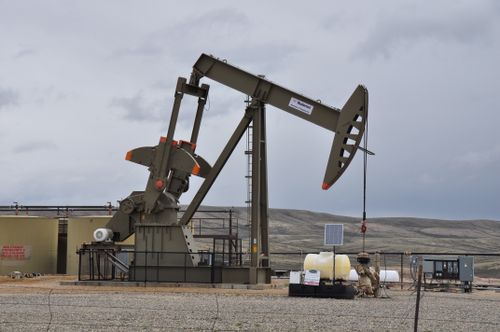
The immediate driver is the crude market, and the crude market is on fire. US crude crossed $100 a barrel on Thursday for the first time since May, up roughly 20% in September alone, propelled by the escalating fighting between the US and Iran. When crude surges like that, diesel follows — and diesel futures have now hit an all-time high of their own.
But this isn’t just a story about one commodity having a bad month. Rising energy prices are pushing bond yields higher too, rippling through the entire financial system. Energy is the master input — it goes into everything, moves everything, heats and cools everything. When energy gets expensive, the whole economy gets a fever. The diesel milestone is the most visible symptom, the number glowing on the sign outside every truck stop in America.
The people behind the pump price
It’s not enough to just gasp at the number and move on. Numbers are the beginning of the story, not the end. The end of the story is people.
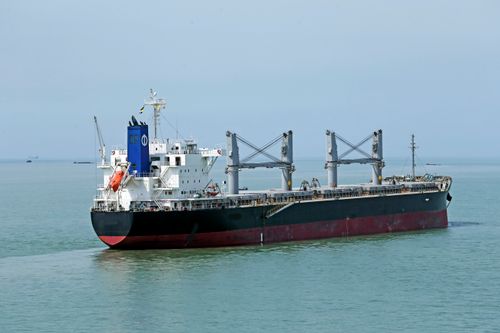
Start with the truckers. Nearly everything you own arrived on a truck, and trucks run on diesel. When diesel hits $6.05 a gallon, independent owner-operators — the backbone of American freight — watch their margins evaporate mile by mile. I’ve met these folks. They’re small business owners in eighteen-wheelers, and they don’t have a corporate treasury to absorb a fuel spike. They have a fuel card, a prayer, and a delivery schedule. Every extra dollar at the pump is a dollar out of their family’s pocket, or a surcharge passed down the line to the rest of us.
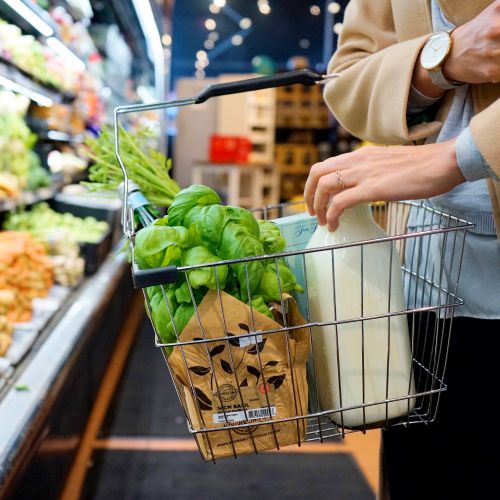
Then there are the farmers. Harvest season doesn’t wait for favorable fuel prices. The combines, the tractors, the grain dryers — diesel all the way down. A farmer can’t telecommute the corn in. When diesel sets records, the cost of growing food rises, and the cost of food follows. The $6 gallon at the truck stop becomes the more expensive loaf, the pricier carton of eggs, the tighter grocery budget for a family already stretched thin.
And then there’s all of us. Diesel is the hidden tax inside nearly every price tag. The delivery van, the construction equipment building the new apartments, the backup generators, the trains. You may drive a gasoline car and think diesel isn’t your problem — but diesel is everyone’s problem, running underneath the price of everything.
The politics of the pump
There’s no way to write honestly about $6 diesel without acknowledging the calendar. The midterm elections are roughly 50 days away, and nothing focuses the political mind like a record at the pump. Energy prices have ended political careers and decided elections; they’re the rare economic statistic that every voter experiences personally, viscerally, several times a week.
This complicates life for Republicans heading into the midterms, no question. The party in power — or the party associated with the current mess, fairly or not — owns the pump price in the public imagination. Voters don’t parse the difference between global crude benchmarks and domestic policy. They see the number on the sign, they feel it in the wallet, and they vote their frustration.
But I’d caution against treating this as just a partisan football. It’s not enough to just blame one party or the other for the price of diesel. The forces at work — a war in the Middle East, a closed strait, a global scramble for barrels — are bigger than any one administration’s talking points. The honest conversation is about energy resilience: how did we build an economy so exposed to a single chokepoint half a world away, and what do we do about it?
That’s a question for all of us, not just the people on the ballot. It touches everything from how we heat our homes to how we move our goods to how seriously we take the long, unglamorous work of building a more shock-proof energy system. Quick fixes are for campaigns. Resilience is for communities.
What the number doesn’t show
Here’s something the $6.05 figure hides: averages lie by smoothing. Behind that national number is a map of wildly different realities. A long-haul driver filling a 200-gallon tank is looking at a $1,200 fill-up — more than some families spend on groceries in a month. A regional delivery company running twenty vans just watched its monthly fuel line item jump by thousands of dollars with no corresponding jump in what customers will pay. These are the quiet math problems being solved at kitchen tables and in dispatch offices right now, and most of them don’t have clean answers.
It also hides the lag. Diesel prices at the pump today reflect crude prices from days and weeks ago, plus refining margins, plus taxes, plus the particular economics of your state. That means even if crude eased tomorrow, the pain at the pump — and in freight rates, and in grocery prices — would linger. The economy digests fuel shocks slowly, the way a body works through a fever. The number on the sign is the headline; the aftershocks are the story.
Getting through a hard stretch
Here’s what I keep thinking about, the thought I can’t shake. An old mentor of mine ran a small delivery fleet — a dozen box trucks, a whiteboard full of routes, and margins thin enough to see through. He used to tell his drivers, “Anybody can run a business when fuel is cheap. Character is what you run on when it isn’t.” This is one of those moments when the whole country is running on character.
The response I believe in is community-level and practical. Carpool with the neighbor. Support the local farmer at the market instead of the shipped-in alternative when you can. Check in on the independent trucker in your town — the one whose rig you see parked by the church on Sundays. These aren’t solutions to a global oil crisis, and I won’t pretend they are. They’re something better: they’re proof that when the big systems strain, the small systems — the human ones — can hold.
The $6 gallon is a milestone, but milestones are just markers on a road. The question is which direction we walk from here. We can walk it separately, each of us cursing the pump alone, or we can walk it together, sharing the load the way communities have always done when times get tight. I know which version of this story I want to live in.
Drive safe out there. Look out for each other. And keep the coffee hot for the folks keeping this country moving at 5 a.m.