NEW YORK, September 21, 2026 — Wall Street started the week with a full-throated rally on Monday, and the technology-heavy Nasdaq composite did something it has not done since the start of summer: it closed at a record high.
The Nasdaq rose 2.3 percent to its first record close since June, led by big gains in chipmakers and other AI-related stocks, according to The Wall Street Journal. The S&P 500 climbed 1.6 percent and the Dow Jones Industrial Average added 0.8 percent in recent trading, Investopedia reported, with the Nasdaq on pace to top its prior record closing high of 27,093.90 set on June 2.
If you watched your portfolio on Monday, it probably felt like the market finally exhaled. Two things came together at once, and both of them had been weighing on everyone for weeks: oil prices fell, and Washington and Beijing sounded like they might actually talk this week.
Oil’s slide did the heavy lifting. Brent crude futures dropped 3.4 percent to near $100 a barrel, a fourth straight day of losses, while U.S. benchmark West Texas Intermediate fell 4.5 percent to $95.78, according to the Journal. Cheaper crude is the simplest relief valve in all of finance. It takes pressure off inflation, it takes pressure off bond yields, and it hands consumers a small invisible raise at the gas pump. The 10-year Treasury yield, the benchmark that sets the tone for mortgages, corporate borrowing and a thousand other rates, eased to 4.962 percent from its recent perch.
Diplomacy did the rest. Over the weekend in New York, American and Chinese officials held talks ahead of Chinese leader Xi Jinping’s visit to the United States later this week, with artificial intelligence a major focus. Treasury Secretary Scott Bessent said the two sides discussed a “notification mechanism” for AI incidents that could affect national security, according to the Journal. For a market that has spent months treating U.S.-China tech friction as an open-ended risk, even the suggestion of a working channel was enough to spark buying.
The chip trade roared back. Shares of chipmakers and AI-linked companies led the advance, with the iShares Semiconductor ETF (SOXX) rising 4.5 percent. Advanced Micro Devices climbed 9.5 percent to an all-time high, Intel jumped 12 percent, and Arm Holdings surged 16 percent, according to Investopedia. Roundhill’s Memory ETF rose 3.5 percent as names like Seagate Technology and Micron Technology gained alongside it.
Meta Platforms was the day’s standout among the giants. The stock rose more than 11 percent, on pace for its highest close of 2026, amid enthusiasm for its Muse AI agent, the Journal reported.
Media M&A moved too. Paramount Skydance executives and a coalition of states that sued to block the company’s $81 billion merger with Warner Bros. Discovery agreed to a settlement that includes concessions, removing the biggest remaining hurdle to the deal. Warner shares popped 11 percent while Paramount slipped 2 percent, the Journal reported.
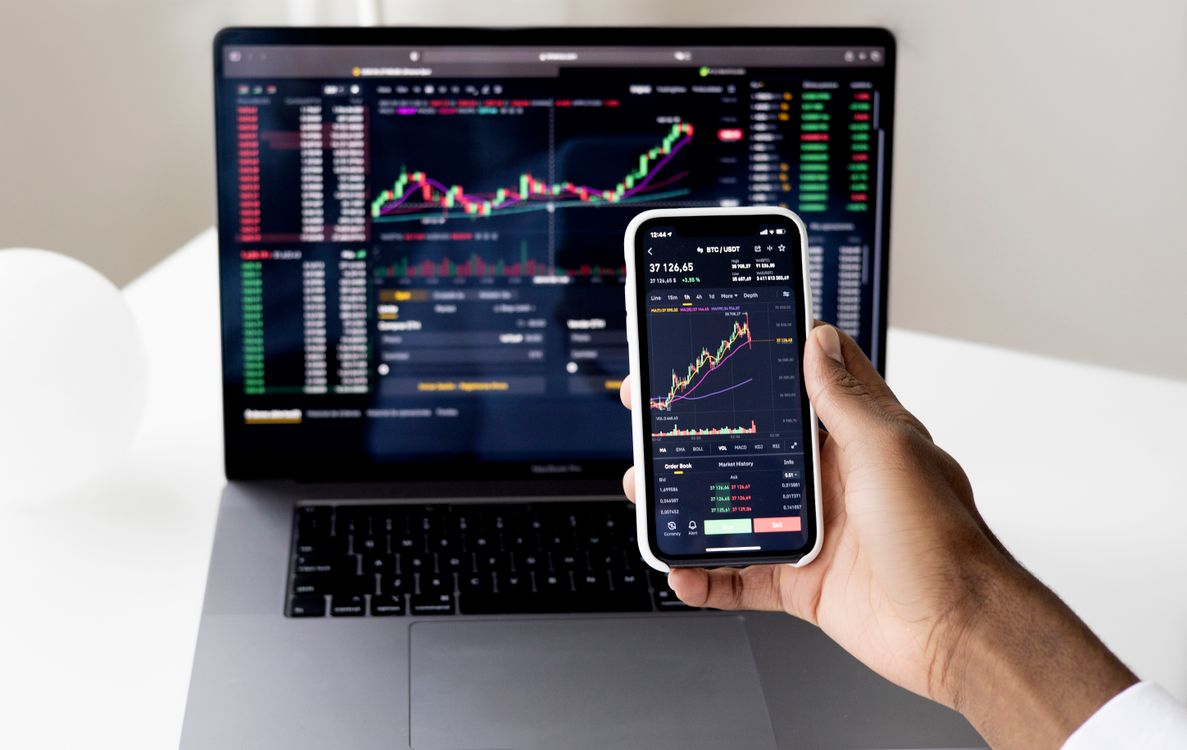
Crypto’s orbit lifted again. Bitcoin touched its highest level since January, topping $85,000, and the usual beneficiaries followed: Strategy rose 9 percent, with Coinbase and Robinhood also higher, the Journal reported.
Greenland became a trade. Critical Metals, a rare-earth minerals development company with a project in Greenland, surged 35 percent after President Trump announced a security deal on Friday. Other U.S.-listed stocks with Greenland exposure, including Greenland Energy and Greenland Mines, also gained sharply, the Journal reported.
For ordinary investors, the day’s lesson was familiar: when the two biggest headwinds (energy costs and geopolitical dread) both fade at once, risk assets get a powerful tailwind. The question, as always, is whether the tailwind lasts. The Trump-Xi meeting in Washington later this week will be the next test of the optimism that carried Monday’s rally. If talks disappoint, this week’s record could look like a local high. If they deliver, there may be more room to run.