
On September 16, the Federal Reserve raised its benchmark interest rate by a quarter of a percentage point, to a target range of 3.75 to 4 percent. It was the central bank’s first rate hike since 2023, and it ended nearly two years of watching and waiting. The Wall Street Journal’s savings desk laid out the move and its stakes for savers.
If you are like most people, you heard the news, felt a small knot in your stomach, and moved on with your day. That is understandable. “Federal funds rate” is not language anyone uses at the dinner table. But this decision touches your life in ways that are surprisingly personal. Your credit card bill. Your savings account. Your mortgage, or your dream of one. Let us walk through it together, in plain English, the way a friend would explain it over coffee.
First, the big picture. The Fed does not set your credit card rate directly. What it sets is the federal funds rate, the rate at which banks lend to each other overnight. Think of it as the price of money at the wholesale level. When that price goes up, everything downstream gets more expensive, the way a rise in the price of flour eventually shows up in the cost of bread. Some things reprice almost immediately. Others take months. A few never change at all. Knowing which is which is the whole game.
Let us start with the one that hurts: credit cards. If you carry a balance on a credit card, the September hike will show up on your statement within a billing cycle or two, because most credit cards have variable rates tied directly to the prime rate, which moves in lockstep with the Fed. The average credit card APR across all accounts stood at 20.94 percent in the second quarter of 2026, and 22.15 percent on accounts actually assessed interest, according to the Federal Reserve’s G.19 consumer credit release. Those averages will drift higher now, and if the Fed hikes again in October, which roughly twelve officials projected could happen, they will drift higher still. On a $5,000 balance, every quarter-point hike adds about a dollar a month in interest, small in isolation, meaningful when you are already paying over 20 percent. My take, and I label it as such: if you carry a balance, this is the moment to stop paying the highest interest rate in your financial life and start attacking that debt, because the math only gets worse from here.
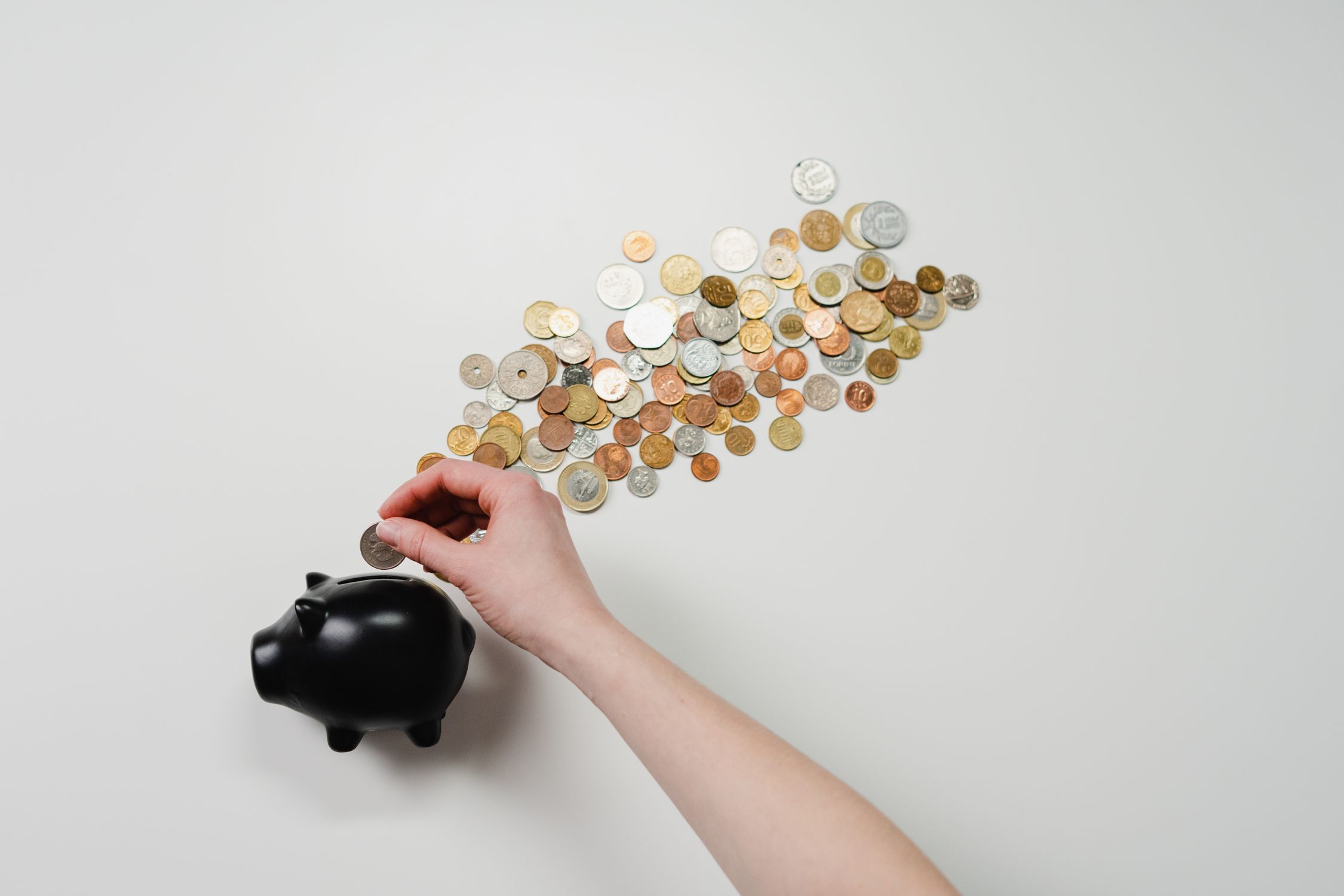
Now the good news, and it is real: savings accounts finally pay you more. When the Fed raises rates, banks earn more on the money they lend out, and competition forces at least some of them to share that with depositors. The best high-yield savings accounts are now paying up to 4.50 percent APY, well above the 0.37 to 0.38 percent national average that most traditional savings accounts are stuck at, the Wall Street Journal reported. The top 1 percent average savings account rate sits at 3.94 percent APY, according to DepositAccounts.com via the WSJ. Even Apple Card Savings, run by Goldman Sachs, just bumped its rate to 3.5 percent, up from 3.4 percent, Cult of Mac reported. On a $10,000 balance, the difference between the 0.37 percent national average and a 4 percent account is roughly $362 in extra interest per year, the Motley Fool calculated. If your money is still sitting in a big-bank savings account earning crumbs, a rate-hiking cycle is the market’s way of handing you a raise. Take it. Open a high-yield account, make sure it is FDIC-insured, and let the Fed’s medicine work for you instead of against you.
Certificates of deposit get better too. The best CD rates reach 4.85 percent APY, per Forbes Advisor’s rate survey, and the average 12-month CD rate has already climbed to 1.71 percent as of August 2026, up from 1.61 percent in January. One caution, which the Fool’s savings team makes well: in a hiking cycle, consider shorter CD terms. Locking your money up for five years just before rates climb again is the one savings mistake that gets more expensive over time.
What about the big one, the mortgage? Here is the twist that surprises people. The Fed does not set mortgage rates directly. The 30-year fixed mortgage follows the 10-year Treasury yield, not the federal funds rate, which is why the average 30-year fixed hit 7.03 percent this week, its first time above 7 percent since January 2025, even as the Fed only moved a quarter point. The bond market had already priced in the hiking, and more. If you already have a fixed-rate mortgage, your payment does not change at all. That is the beauty of fixed debt in a rising-rate world: the contract protects you. If you are shopping for a home, though, the math got harder, and it is worth knowing that the Fed’s decision was only part of the story. The other part is a bond market demanding higher compensation for lending long-term.
Two more corners of your wallet to know about. Home equity lines of credit, HELOCs, are variable-rate, so they rise almost immediately with Fed moves, just like credit cards. Auto loans are usually fixed, so your existing car payment is safe, but new car loans will price higher as lenders pass through their rising costs. And federal student loans? Those rates are set by Congress each year, not the Fed, so your existing federal loans do not budge. Private student loans with variable rates are a different story.
Here is the honest bottom line, in community terms. A hiking cycle is not good or bad in the abstract. It is a transfer. It transfers money from borrowers to savers. If you are mostly a borrower, carrying card balances and variable-rate debt, the Fed just made your life harder, and the kindest thing you can do for your future self is pay down the most expensive debt first. If you are mostly a saver, the Fed just gave you the best savings rates in years, and the kindest thing you can do is move your cash somewhere that actually pays them. Most of us are a little of both, which means the winning move is boring and beautiful: kill the 22 percent debt, feed the 4.5 percent savings account, and let the cycle do its work. The Fed sets the weather. You still choose how to dress for it.