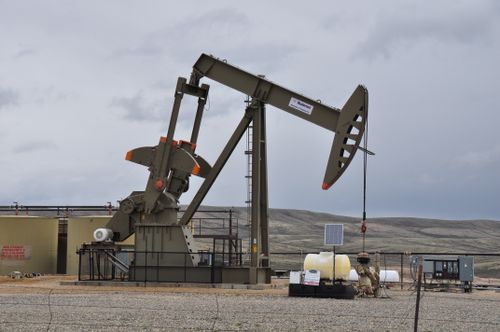
If you want to understand what Tuesday felt like in the real economy, skip the Nasdaq’s record for a moment and look at the price of diesel. The national average for a gallon hit $6.53, up nearly a dollar in a month, according to Oil Price Information Service, a Dow Jones company, the Wall Street Journal reported. That is a record. And on Tuesday, standing at the United Nations General Assembly, President Trump said he is considering restricting diesel exports to bring it down.
“I’ve called for that, too,” Trump told reporters during a meeting with Ukrainian President Volodymyr Zelensky on the sidelines of the U.N. General Assembly in New York. “I said, ‘Let’s not send out the diesel.’ We make a lot of diesel.” He cautioned that a ban could have “a little bit of effect” on the price of regular gasoline, and said a decision would come “fast, one way or the other,” USA Today reported.
To understand why this idea is suddenly serious, you have to understand what diesel actually is. Gasoline moves people. Diesel moves everything else. It powers the trucks that stock grocery shelves, the trains that cross the plains, the tractors that harvest the corn, the construction equipment that builds homes. When diesel costs $6.53 a gallon, a farmer in Iowa is not just annoyed at the pump. She is recalculating the economics of her entire harvest. When Iowa Senator Chuck Grassley posts that “high diesel prices ARE KILLING FARMERS INCOME” and calls for an embargo on diesel exports, he is speaking for constituents whose livelihoods are being repriced by the gallon, CNN reported.
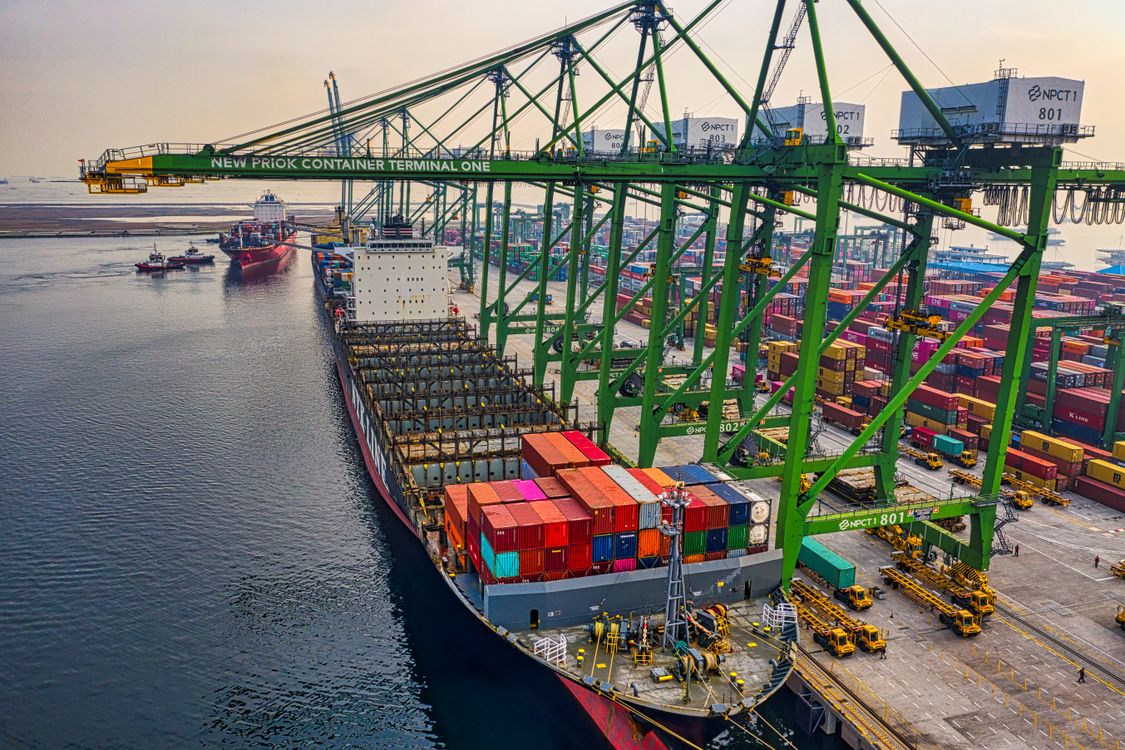
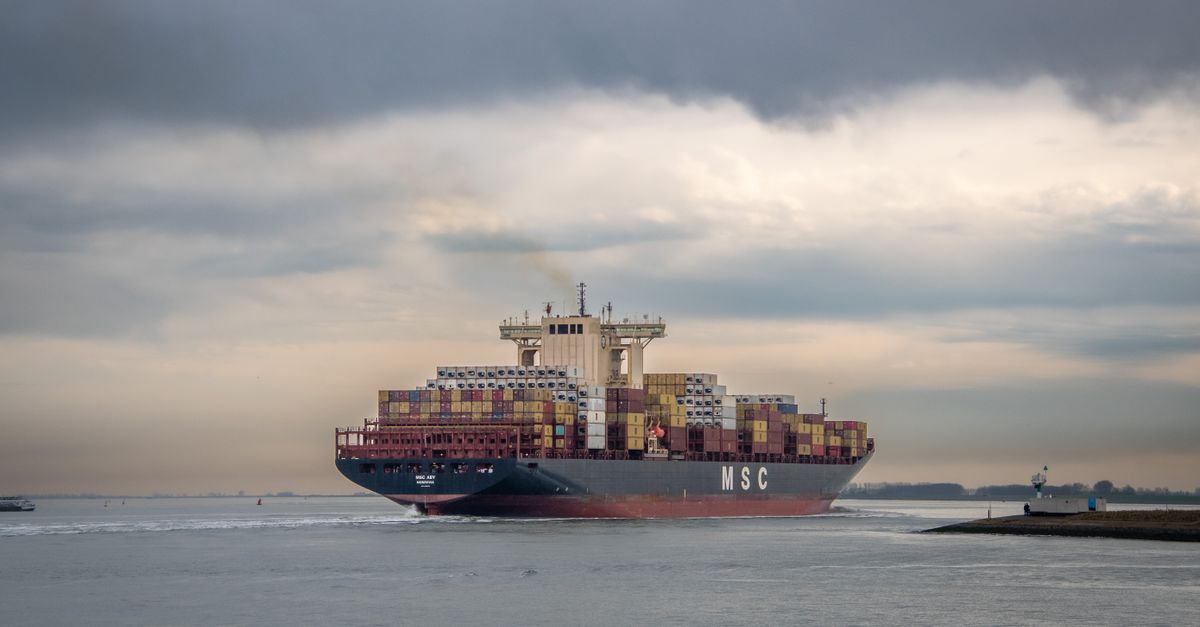
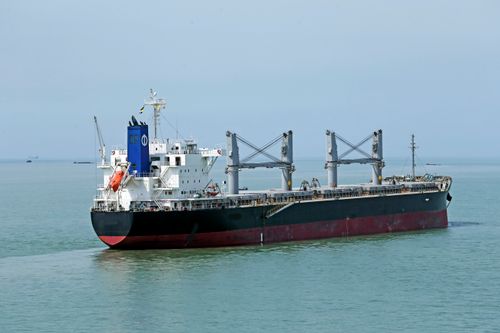
The numbers behind the squeeze are stark. Commercial diesel inventories in the United States have dropped 11% since the start of the war with Iran, while exports of the fuel are up 31% on a weekly basis, according to the Energy Information Administration, the Journal reported. That combination, shrinking domestic stockpiles and rising shipments abroad, is politically explosive. It reads, to anyone watching prices climb, like America is sending its relief overseas while its own truckers pay record prices.
The backstory matters. Diesel prices vaulted to new records in the wake of missile strikes that crippled fuel-making facilities in the Middle East and Russia. Trump himself linked Ukraine’s attacks on Russian oil refineries to the price pain, telling reporters the strikes were “a serious hit on the Russians” but also “a serious hit on the price of diesel,” Newsmax reported. Rumors have swirled for weeks that administration officials were considering a temporary ban on some fuel exports, but the administration repeatedly denied it would resort to that measure. Tuesday’s comments changed that posture.
The political momentum is building fast. Former U.S. Representative Mike Rogers, the Republican Senate nominee in Michigan, proposed a “temporary embargo” on diesel exports on September 21. Representative Tim Burchett of Tennessee took to the House floor last week, flanked by a billboard declaring diesel prices “out of control,” to introduce legislation banning diesel exports. Even Louisiana Governor Jeff Landry, whose state hosts some of the biggest oil refineries in the world, has called for a 90-day ban on U.S. diesel exports, CNN reported. With midterm elections ahead, record fuel prices are the kind of kitchen-table issue that can move races.
Treasury Secretary Scott Bessent said the administration is examining whether a ban is feasible. “We’re examining that, whether it’s feasible in terms of the overall refining capacity and whether a full or partial ban would work,” Bessent said, the Journal reported. The legal path is not yet clear. Trump did not say how he would halt exports. He could try to invoke presidential emergency powers, or he could seek congressional action, USA Today reported.
Now for the part that makes this story bigger than a headline. Energy researchers warn that an export ban would likely only provide temporary relief and would backfire over time. A ban would raise prices for friends and allies, jack up gasoline prices at home, crush U.S. refiners, and damage America’s reputation as a reliable energy superpower, CNN reported. Bob McNally, a former energy official in the George W. Bush administration and president of Rapidan Energy Group, put it bluntly: “This is taking a sledgehammer to the problem. It would be an authentic policy error, or what I call an ‘APE.’ In fact, this would be the king of the APEs.”
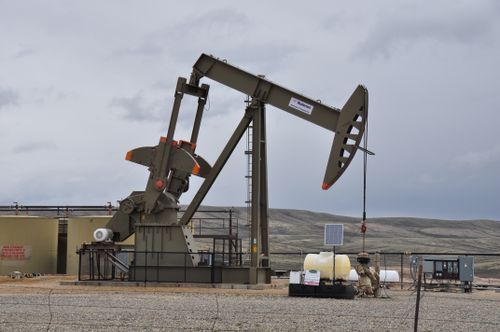
The oil industry is strongly opposed to any export ban. U.S. fuel makers would likely lose the trust of overseas buyers, relationships built over decades, for a measure that the industry argues misunderstands how refining actually works. Refineries do not simply switch diesel output into the domestic market overnight. The global fuel system is a flow, a balance, as Trump himself acknowledged. Restricting one outlet can create distortions elsewhere, including, ironically, in the gasoline prices the measure is meant to protect.
So where does this land for ordinary people? Here is the honest version. If you are a trucker, a farmer, or anyone whose business runs on diesel, the prospect of a ban feels like someone finally noticing your pain. The price at $6.53 a gallon is not an abstraction for you. It is the line item that determines whether the month works. If you are an energy investor, the prospect of an export ban is a policy risk hanging over refiners and the midstream companies that move fuel. And if you are simply a commuter, remember that diesel is the fuel of the supply chain. Its price eventually shows up in everything from groceries to construction costs.
The deeper story here is about how wars reshape household budgets. The conflict with Iran and the strikes on Russian refining did not just move crude prices on a screen. They moved the cost of moving things, and the cost of moving things moves the cost of living. That is why a diesel export ban, however flawed the experts say it is, keeps gaining political traction. When the price of the fuel that runs the economy hits a record, voters do not ask for a lecture on refining balances. They ask for someone to do something, fast.
Trump promised a decision fast, one way or the other. What happens next will tell us a lot about whether this administration treats record diesel prices as a political problem to be managed or an economic emergency to be hammered. Either way, keep your eye on Wednesday’s petroleum data. The numbers will not wait for politics to make up its mind.