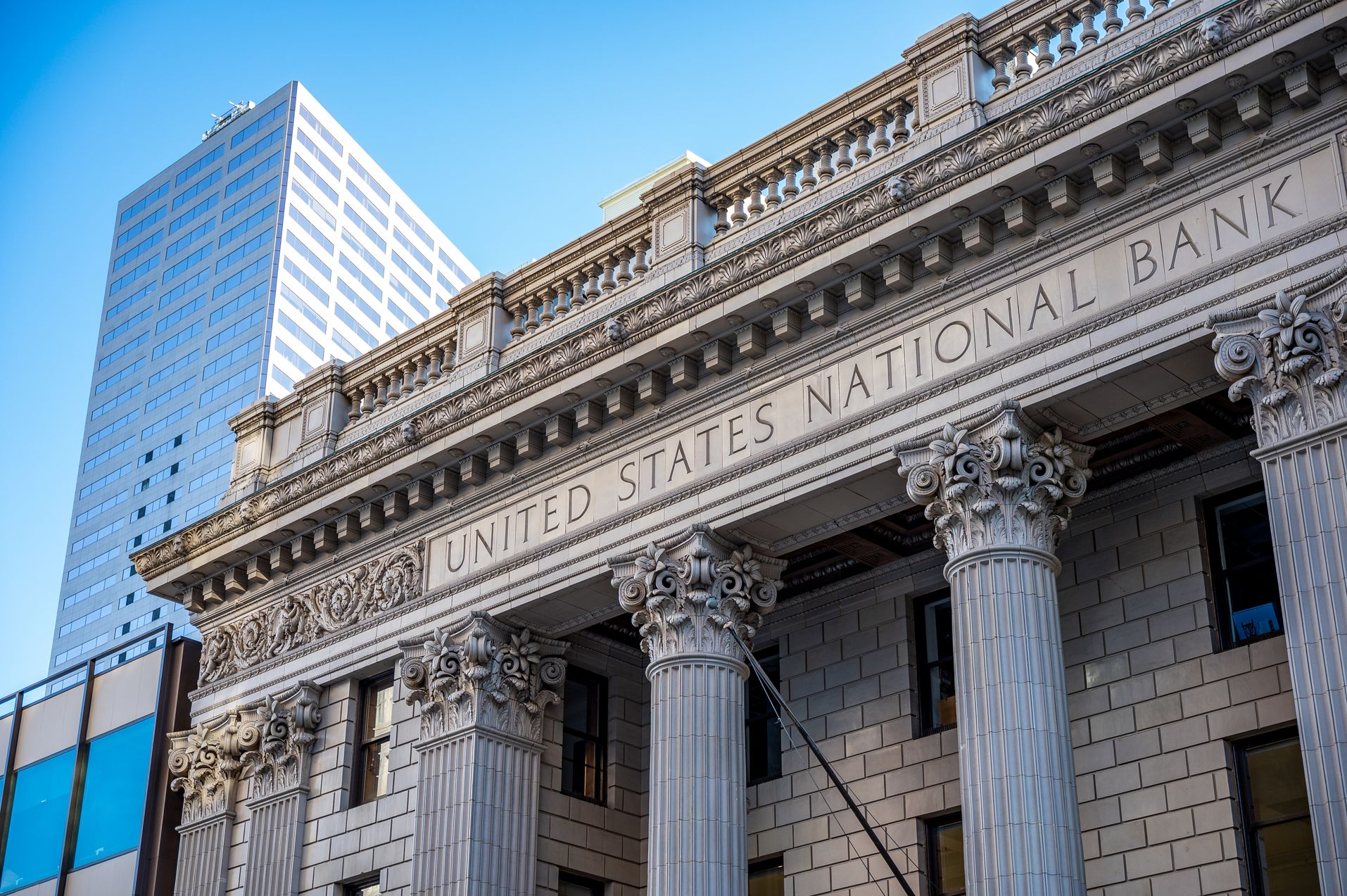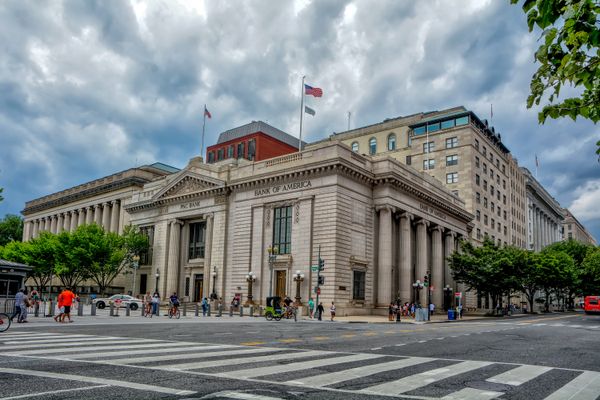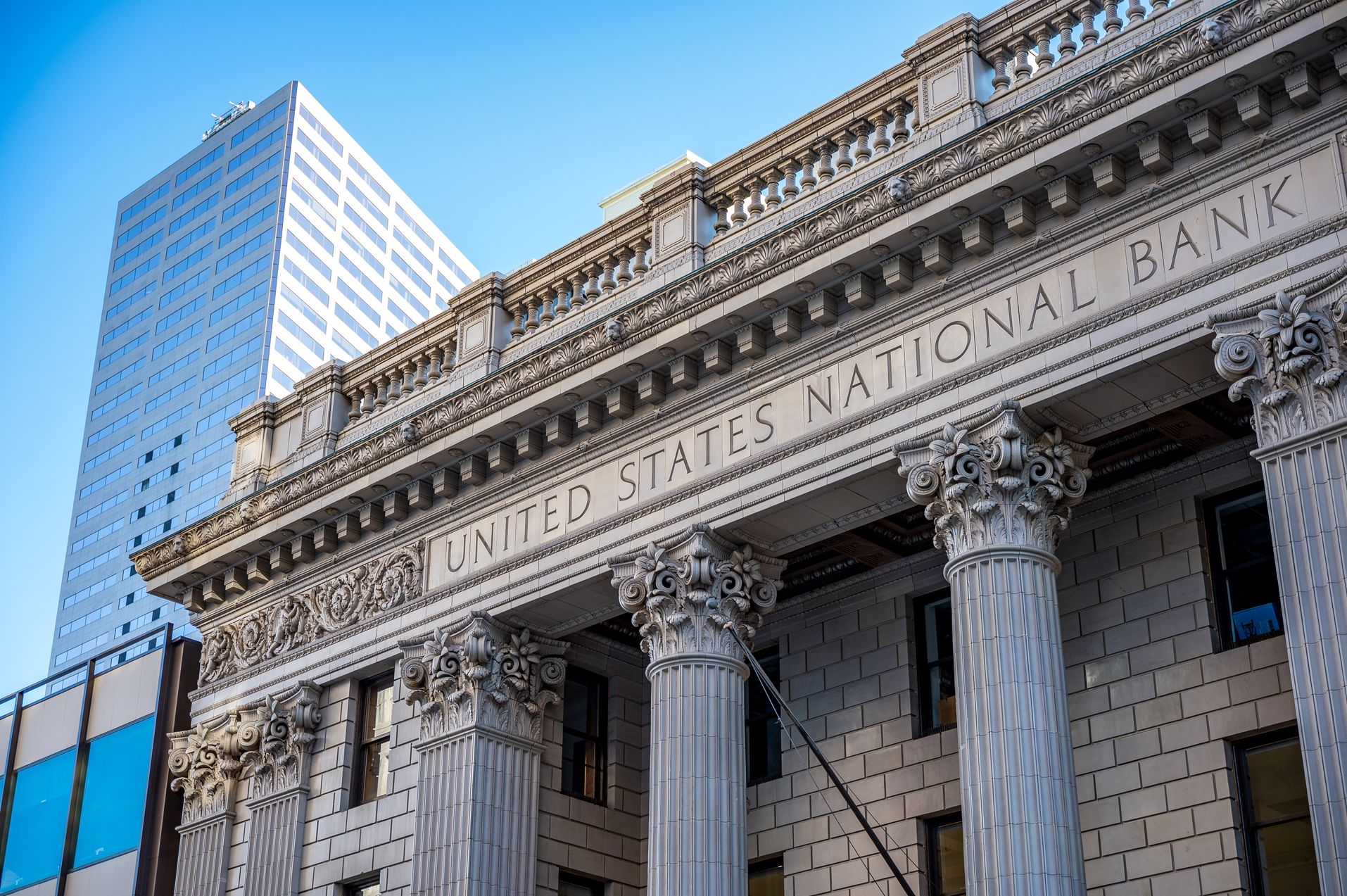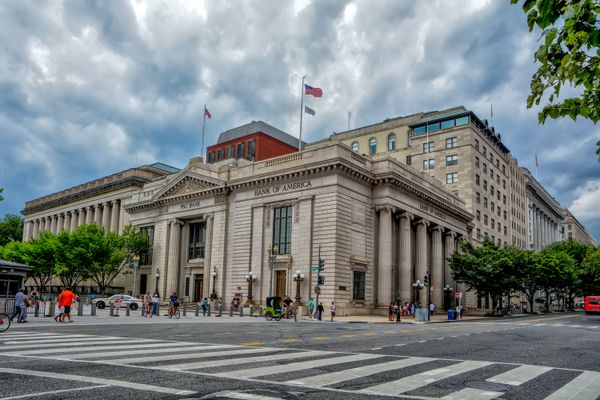
Let me tell you about the most important financial market in the world. It’s not the stock market — not the one with the tickers, the rallies, the headlines about somebody’s company gaining a hundred billion dollars in a day. It’s the bond market. Axios Markets put it perfectly this week: the $160 trillion global bond market is “like the plumbing in your house.” You never think about it. You never see it. And the day it stops working, everything in the house floods.
This week, the plumber showed up in a suit and made an announcement.
On Wednesday, the Treasury announced an expanded bond-buying program — its goal, as Axios Markets reported, being to lower long-term bond yields. It worked, they said, but not for long. Analysts called the plan risky. The 10-year Treasury yield sits around 4.91–4.95%, near multiyear highs. And Finimize’s reporting on the summer bond chaos fills in the backstory: August saw a sharp selloff in 30-year Treasuries, sending yields to their highest levels since 2007 — before the Treasury stepped in with what Finimize described as “dramatic buying.” Translation: long-term borrowing costs were climbing so fast that the U.S. government’s own financing arm had to step into the market and buy its own bonds to calm things down.
Stop for a second and let that sink in, because it’s genuinely strange. The Treasury sells bonds to fund the government. When bond buyers step back, yields rise. When yields rise too fast, the Treasury buys its own bonds to push yields down. It’s the seller becoming the buyer of last resort — the house playing against itself, or, as Treasury Secretary Scott Bessent reportedly warned speculators this week: “I am the house now.”
There’s swagger in that line. But swagger doesn’t pay the deficit.
Here’s the deeper worry, and Axios Markets named it directly: foreign governments are far less willing to finance American budget deficits than they used to be. For decades, countries like Japan and China soaked up U.S. Treasury bonds, effectively lending America money at reasonable rates while Washington spent more than it collected. That arrangement — the world financing America’s lifestyle — is fraying. Japan, the biggest foreign holder of U.S. Treasuries, is juggling its own crisis: the yen hit a 40-year low against the dollar at the end of July, prompting the first U.S.–Japan coordinated currency intervention in 15 years, which pushed the yen up 6%. But if Japan needs to sell Treasuries to fund further intervention, that selling pushes U.S. long-term yields even higher. Finimize flagged exactly this risk. And the yen carry trade — the practice of borrowing cheaply in yen to invest elsewhere — is rattling markets with unwind fears as the yen surges to a seven-month high of 152.89 against the dollar.
So you’ve got a genuinely unusual constellation: the Treasury intervening in its own bond market, foreign buyers stepping back, the yen whipping around, and analysts openly asking whether America remains committed to the strong-dollar policy. No wonder Axios reported that “dollar debasement talk” is back.
Now, I know what you might be thinking: this all sounds like a documentary about plumbing, narrated by people in suits. What does it mean for an actual person — say, someone with a money-market account, or someone shopping for a mortgage?
Let’s make it concrete.
First, the saver. That money-market account you’ve been quietly enjoying? It’s paying you nicely right now precisely because yields are high — a money market fund parks cash in short-term government debt, and when the Fed’s policy rate sits at 3.50–3.75% (where it has been all 2026, per Bloomberg’s September 11 coverage), short-term rates stay generous. But here’s the thing to watch: the Treasury is actively trying to push long-term yields down, and markets are pricing roughly a 90% chance of a Fed rate hike this coming week after August CPI came in hot at 3.4% (Morning Brew, September 12). If the Fed hikes while the Treasury buys bonds to lower yields, you get a tug-of-war — short-term rates potentially rising while long-term rates get artificially pinned. For a saver, the practical lesson is: don’t build your whole plan around today’s money-market yield. It’s good now; it may not be good a year from now. Keep your emergency fund full, but think about locking in some yield with Treasuries or CDs while rates are still this elevated — because this strange market could change direction fast.
Second, the mortgage shopper. This is where the plumbing really hits the kitchen. Mortgage rates follow long-term Treasury yields — particularly the 10-year. With the 10-year near multiyear highs around 4.95%, mortgages are expensive, and the housing market is already in what Axios called a “low-boil recession” — anemic sales, the appearance of high prices, four years of it. The Treasury’s bond-buying is, in part, an attempt to ease this pressure by pulling long-term yields down. But Axios says the effect didn’t last. So if you’re shopping for a home: rate relief may come, but don’t bank on it. Buy on the payment you can afford today, not the refinance you hope for tomorrow. And if you’re an existing homeowner with a low rate, that mortgage is now one of the most valuable financial assets you own — guard it.
Third — and this is the one nobody talks about at dinner parties — the taxpayer. Every dollar of Treasury bond-buying, every intervention, every basis point of yield is ultimately about the cost of carrying America’s debt. When the 30-year yield hits its highest since 2007, the government’s interest bill climbs. When foreign buyers walk away, domestic buyers have to be lured with higher yields — which makes the deficit worse, which makes foreign buyers more nervous. It’s a loop, and loops like that are how slow-burning fiscal stories become fast-burning ones.
I want to end on something hopeful, though, because despair is not a financial plan. The bond market has survived every crisis ever thrown at it — wars, defaults, inflation, the whole catalog. The plumbing metaphor cuts both ways: plumbing is boring, but plumbing is also fixable. The Treasury’s intervention is controversial, and analysts are right to scrutinize it, but scrutiny is itself a sign of health — it means people are watching the pipes. And Bessent’s “I am the house now” line, for all its bravado, carries a real message: the U.S. government is not going to let its own debt market seize up without a fight.
But it’s not enough to just trust the plumber — we must listen, learn, and contribute by understanding what our own household finances look like when the big pipes are under pressure. Keep some cash liquid. Don’t overreach on housing. Lock in good rates while they exist. And remember the lesson the bond market teaches every decade or so: the boring stuff is the important stuff. The foundation doesn’t make headlines until it cracks — so let’s pay attention to it before it does.