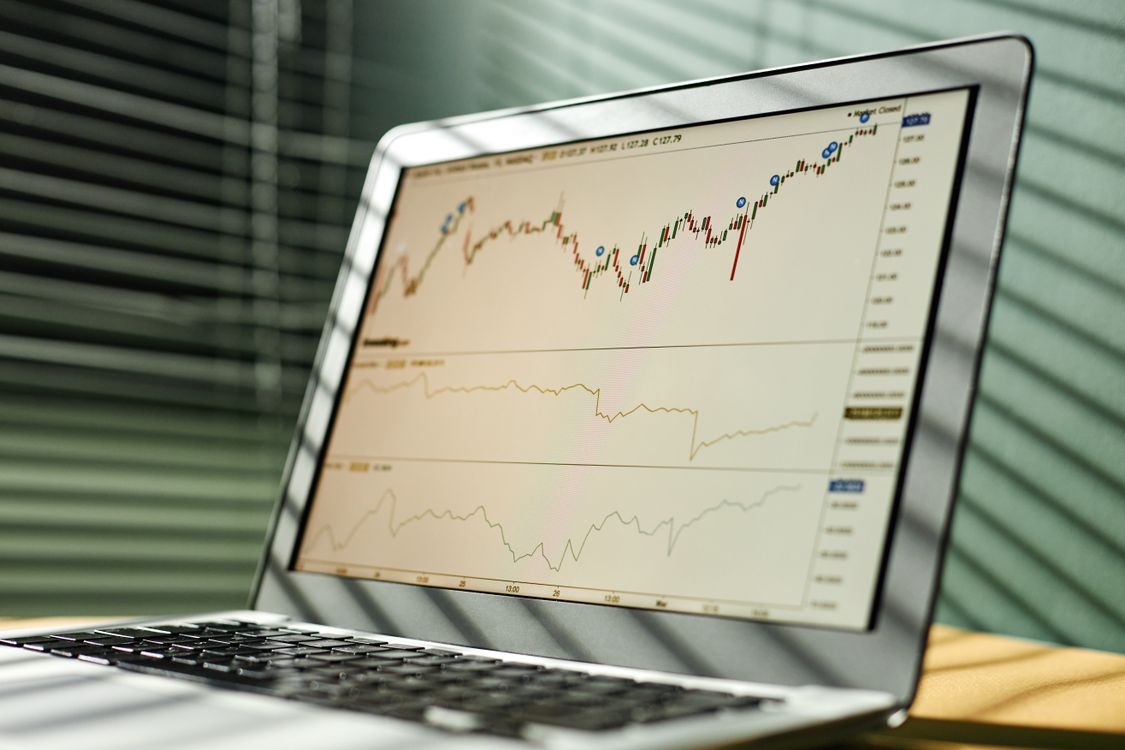
On Thursday, the yield on the 10-year U.S. Treasury note touched 5.225 percent, its highest level since July 2007, before settling near 5.18 percent at Friday’s close. Bond investors have been selling for weeks, and this week the selling turned into something more: a coordinated, global repricing of what it costs governments to borrow money. According to Finimize’s daily brief, the average yield across major government bonds now sits just shy of 4 percent, the highest since 2007, and the world’s biggest economies spent more than $3.5 trillion servicing their bond debt over the past year.
This is not an American story alone. Japan’s 10-year yield reached 3.06 percent, its highest since August 1996, while Germany’s benchmark hit its highest since 2009. When bond prices fall this far, this fast, everywhere at once, it is worth asking what is actually happening, and what it means for a household budget that has nothing to do with trading desks.
Think of a government bond yield as the price a government pays to rent money. When investors worry that inflation will stay high, they demand a higher price. This week gave them plenty to worry about. The Federal Reserve raised its policy rate for the first time since 2023, and the Fed’s own dot plot showed 16 of 18 policymakers expecting at least one more hike this year. August inflation came in at 3.4 percent year over year, with core inflation at 2.4 percent, and the Fed now projects inflation of 3.7 percent by the end of 2026, according to Finimize. Oil trading above $105 a barrel on renewed Iran tensions only adds to the pressure. When inflation looks sticky, bondholders want more compensation, so they sell, and yields climb.
There is a second force at work: supply. Governments are borrowing enormous sums, and investors are starting to ask whether there are enough buyers. The U.S. Treasury paid $1.267 trillion in gross interest on its debt over the first eleven months of fiscal year 2026, up 12.7 percent from the year before, according to the Treasury’s monthly statement. That figure, reported via Morning Brew, means interest payments are now one of the largest line items in the federal budget, bigger than most agencies. Every new Treasury auction adds supply, and every auction needs a buyer. When buyers hesitate, prices fall and yields rise.
For an ordinary saver, the effects arrive quietly, then all at once. The 30-year fixed mortgage rate crossed 7 percent this week for the first time since early 2025, because mortgage rates follow the 10-year Treasury yield. A family buying a $400,000 home now pays about $221 more per month than it would have before the rate surge began. Existing home sales fell 2 percent in August, and Morning Brew notes that a Moody’s Analytics economist told Barron’s the worst case could push mortgage rates toward 8 percent or higher. Credit card rates, auto loans, and small-business borrowing costs all ride the same wave.
But there is a flip side that savers are finally enjoying. Higher yields mean money market funds, CDs, and Treasury bills are paying rates that have not been seen in a generation. The same bond rout that makes borrowing painful makes saving attractive. The personal saving rate sat at just 3.0 percent of disposable income in July, according to the Bureau of Economic Analysis, near its lowest in 20 years, which suggests many households have little cushion. Parking what you can in a high-yield account while rates are generous is one of the simplest responses to this environment.
Gold, usually the refuge when bonds wobble, offered no shelter this week. It fell to $4,273 an ounce on Thursday, its lowest since early August, as higher yields made non-paying assets less appealing. Even the traditional hedges are struggling to find their footing.
Consumer confidence is wobbling too. The University of Michigan’s consumer sentiment index fell to 48.1 in September, a four-month low, while one-year inflation expectations jumped to 4.6 percent from 4.0 percent. People feel the squeeze even when the stock market holds up: the S&P 500 closed Friday at 7,743.41, up half a percent on the week, and the Nasdaq finished at 27,068.72. Equities are still pricing optimism; bonds are pricing caution. That tension is the defining feature of this market.
So what should a reader take from a week like this? First, that interest rates are not an abstraction. They are the price of time, and right now time is expensive. If you carry variable-rate debt, every extra month of elevated yields costs real money, and paying it down is one of the highest guaranteed returns available. Second, that the bond market is speaking plainly: it expects inflation to linger and governments to keep borrowing. Whether that proves right is the question that will decide everything from mortgage rates to retirement portfolios in 2027.
There is a third lesson, and it belongs to anyone who runs a small business or manages a household budget. Rising yields are a slow tax on every plan that assumed cheap money. The bakery owner who financed new ovens with a floating-rate loan, the young couple who stretched to buy at the top of the market, the city government refinancing its bonds this fall: all of them are renegotiating with reality this week. The ones who locked in fixed rates and kept their borrowing modest are sleeping better. Fixed-rate debt, once the boring option, has become a form of insurance.
My take is that this rout is less a panic than a reckoning. For fifteen years, governments borrowed as though rates would stay near zero forever. This week, the bill for that assumption went up on a screen for everyone to see. The households that treated low rates as a permanent condition are adjusting; the ones that saved and stayed flexible are discovering that 5 percent yields are, for once, on their side. The bond market does not moralize. It just sends the invoice.
What to watch next
The September jobs report lands next week, and with the Fed openly debating another hike, every labor market data point will move yields. If wage growth cools, the bond market may find relief. If it does not, 5.225 percent may be remembered as a waypoint rather than a peak.