On Tuesday, the yield on the 30-year U.S. Treasury bond climbed above 5.6%, its highest level since June 2002. Read that again. The last time it cost the United States government this much to borrow for 30 years, the iPod was a year old, the euro was six months into circulation as physical cash, and the Federal Reserve’s benchmark rate was on its way down, not up. The 10-year yield, the rate that sets the tempo for mortgages, car loans, and corporate borrowing across America, pushed toward 5.3%, a 19-year high. This is not a blip. It is the bond market delivering a verdict on the American economy, and the verdict is that the era of cheap money is not coming back.
How we got here
The short version is that everything changed in September. The Federal Reserve raised interest rates for the first time in three years, ending a long stretch in which the central bank had either held rates steady or cut them. The move was driven by inflation that refuses to return to the Fed’s 2% target. The personal consumption expenditures index has been running at 3.7% annually, nearly double the target, and today’s August reading is expected to show it stuck there.
But the September hike alone does not explain 5.6%. Bond yields are set by investors, not by the Fed, and investors are pricing three things at once. First, more hikes. Traders spent part of this week pricing a 70% chance of another rate increase in October, though those odds fell to 49% after New York Fed President John Williams said there was “no need for urgency” before the October meeting, according to IC.com. Second, inflation risk. When investors expect prices to keep rising, they demand higher yields to compensate. Third, and most structurally, supply. The national debt crossed $40 trillion last month, as Reuters reported in its coverage of the funding fight, and the Treasury must sell an ever-growing mountain of bonds to fund it. More supply means lower prices, and lower bond prices mean higher yields. It is the simplest math in finance, and it is relentless.
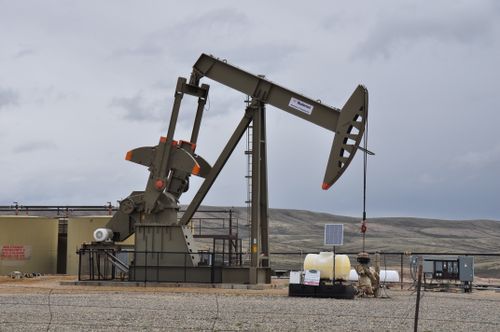
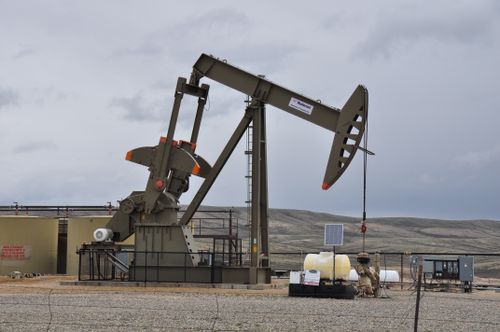
There is also the oil factor. Brent crude settled near $98 a barrel on Monday, and the combination of expensive energy and expensive borrowing is what pushed the Dow down more than 300 points in the same session, as TradingNews reported. Oil feeds inflation expectations, inflation expectations feed yields, and yields feed everything else.
What 5.6% does to real life
Bond yields are abstract until they are not. Here is what a 5.6% 30-year Treasury actually does.
For homebuyers, it is the number behind the number. Mortgage rates track the 10-year Treasury, which is pushing toward 5.3%, and 30-year fixed mortgage rates have been hovering near 7%. Every half-point on a mortgage rate adds hundreds of dollars to a monthly payment on a typical home. At these levels, the math of buying simply does not work for millions of families, and the housing market freezes in place: sellers will not sell because they cannot afford to give up their old low rates, and buyers cannot buy because the new rates are punishing.
For retirees and pension funds, the long bond is the bedrock asset. A 5.6% yield means newly bought bonds pay handsomely, which is good news for anyone buying today. But it means every bond bought in the last decade at 2% or 3% is worth far less than its face value, which is why pension funding math has been so volatile and why banks holding old bonds have been under pressure.
For Washington, it is a slow fiscal crisis. At $40 trillion in debt, every percentage point of higher interest rates adds roughly $400 billion a year in interest costs over time. The government is now borrowing at 5.6% for 30 years to refinance debt it once issued at half that. Interest on the debt is on its way to becoming the largest single item in the federal budget, bigger than defense, bigger than Medicare. That is the structural reason yields may stay high: the supply of bonds is not shrinking.
For stock investors, it is the discount rate problem. When a safe government bond pays 5.6%, every risky asset has to compete with it. Future corporate earnings are worth less in today’s dollars, growth stocks get re-rated downward, and the “there is no alternative” logic that powered the long bull market reverses. The Nasdaq fell 0.9% on Monday as yields spiked. That is the mechanism, not a coincidence.
The relief rally and what it means
It is worth noting that Wednesday morning brought a pause. Global equity markets mounted what one strategist called a sharp relief rally, with stock futures edging higher as yields steadied ahead of today’s PCE report, per MarketWatch. Asian markets were broadly higher overnight, with Japan’s Nikkei climbing 1.4%, while the 10-year eased slightly. But a pause is not a reversal. Yields steadied because traders are waiting for the inflation data, not because the pressures behind the selloff have resolved.
Where this goes from here
My take is that the bond market is telling a coherent story, and it is worth listening to even if it is uncomfortable. The story is that the neutral rate of interest, the rate at which the economy neither overheats nor stalls, is higher than it was in the 2010s. The Fed spent a decade with rates near zero, and an entire generation of investors, homebuyers, and corporate treasurers planned around money being nearly free. That world is gone. A 5.6% 30-year is the market’s way of saying the new normal for long-term borrowing is somewhere in the 5s, not the 3s.
That has a silver lining that deserves honesty. Savers are finally being paid. Retirees buying bonds today lock in the best risk-free income in a generation. And a bond market that disciplines government borrowing is performing its oldest function: pricing risk honestly.
But the transition is painful, and it is not over. Today’s PCE report, Friday’s jobs report, and the Fed’s October meeting will decide whether yields consolidate here or push toward 6%. For anyone making a big financial decision this fall, a home purchase, a refinancing, a business loan, the message of the bond market is simple. Plan for rates to stay high. Hope is not a strategy, but 5.6% is a fact. Build your plans around the fact.