Every global investor has the same quiet question about China, and nobody has a satisfying answer: is the world’s second-largest economy stabilizing, or slowly stalling? This week’s data points lean toward the uncomfortable answer.
Start with the number that stopped me cold. China’s loan growth hit a record low of 5.1 percent in July. When banks in the world’s most credit-driven economy are barely expanding their loan books, it tells you that neither businesses nor households want to borrow — or that banks do not want to lend to them. Credit is the oxygen of the Chinese growth model. At 5.1 percent, the patient is breathing, but shallowly.
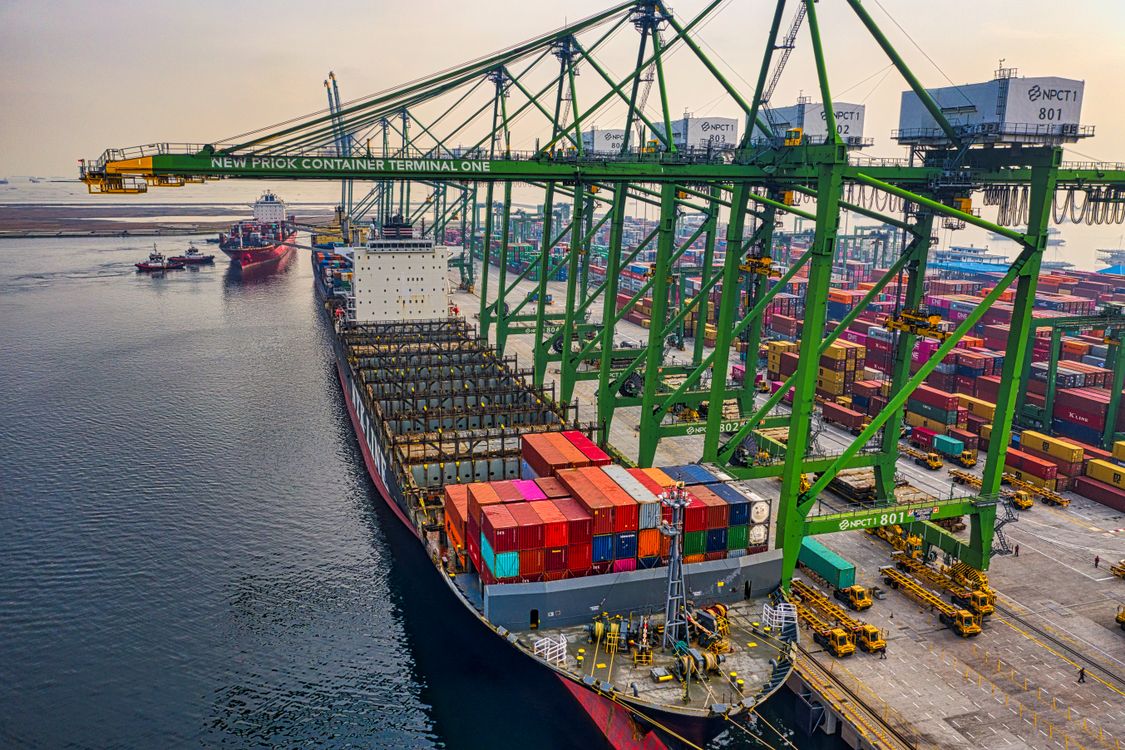
Bank of America’s analysts offered a phrase that captures the dilemma: China’s export strength is a “double-edged sword.” On one edge, booming exports support the headline growth numbers and keep factories humming. On the other, export dependence at this scale invites trade friction — tariffs, restrictions, the slow fragmentation of global commerce into blocs. Beijing has set its growth target at 4.5 percent, which BofA reads as a lower bound rather than an aspiration, and notably, July’s Politburo meeting produced no fresh stimulus. The message from the top: we will not panic-spend our way out of this.
The hesitation is visible in corporate boardrooms too. The $54 billion merger of Anglo American and Teck Resources — a mining mega-deal that would reshape the global metals industry — is still awaiting Chinese regulatory approval, according to Reuters Breakingviews. When Beijing sits on a deal of that size, it is a reminder that in China, the state remains the ultimate counterparty in every transaction. Approvals are policy instruments, and policy right now is cautious.
There is a weekend subplot worth watching: the Brics summit, which the FT’s briefing flagged for this weekend. The bloc’s expansion and its parallel financial architecture — alternative payment systems, development banks, de-dollarization chatter — is Beijing’s long game: if the old global order offers diminishing returns, build a new one. But summits do not generate loan growth. The gap between geopolitical ambition and domestic economic reality has rarely been wider.
I find myself thinking about this through the lens of an American small-business owner who sources components from Guangdong — a man who has built a twenty-year relationship with a factory there. He tells me his suppliers are anxious in a way he has never heard: orders are thinner, payment terms are stretching, the confidence that defined the last two decades has a wobble in it. He is not an economist. He is a guy who reads purchase orders like tea leaves. And the tea leaves say the Chinese consumer — the great hope of rebalancing — is saving, not spending.
That last point is the crux. China’s leadership wants an economy driven by household consumption rather than exports and infrastructure. But households facing a property downturn, youth unemployment anxiety, and uncertain prospects do the rational thing: they save. You cannot decree confidence. And without confident consumers, the 4.5 percent target rests on the very exports that are drawing global ire — the double-edged sword, cutting both ways.
But it’s not enough to just watch China’s numbers fade and feel relief or schadenfreude. It’s not enough to treat the world’s second economy as someone else’s problem. We must listen to what the credit data is really saying about demand, learn how deeply our own supply chains, portfolios, and prices are still entangled with China’s trajectory, and contribute clear-eyed realism to a debate that too often swings between panic and complacency — because a disorderly Chinese slowdown hurts everyone, and nobody’s 401(k) is an island.
Investors should also keep one eye on this weekend’s Brics summit, flagged in the FT’s briefing. The bloc’s talk of parallel financial architecture — alternative payment rails, development lending outside the dollar system — is Beijing’s attempt to change the subject from domestic weakness to geopolitical ambition. It is worth distinguishing theater from substance. Summits produce communiqués; loan growth produces growth. A parallel payments system does not help a Chinese household decide to buy an apartment, and it does not help a factory owner decide to expand. The smart money will watch what Beijing does about domestic demand — any genuine stimulus, any move to support household balance sheets — far more closely than anything announced on a summit stage. Geopolitics is the story China wants told. Credit is the story the data tells.
My take: the base case is now a long, grinding structural slowdown — not a crash, but a fade. Japan’s lost decades are the template, not 2008. For investors, that means treating China exposure as a value trap until proven otherwise: cheap multiples that keep getting cheaper as growth disappoints. For American businesses, it means the great supply-chain diversification — already underway — should accelerate; single-sourcing from a sputtering engine is a risk, not a strategy. And for the global economy, there is a strange silver lining: a China that exports deflation through cheap goods is, perversely, helping the rest of the world’s central banks fight inflation. The engine may be sputtering. But the world has learned, the hard way, how to keep moving anyway.