If you felt your gas station receipt looking at you funny this week, it wasn’t your imagination. The oil market has been living on a roller coaster — and Friday was the rare day it briefly sat down.
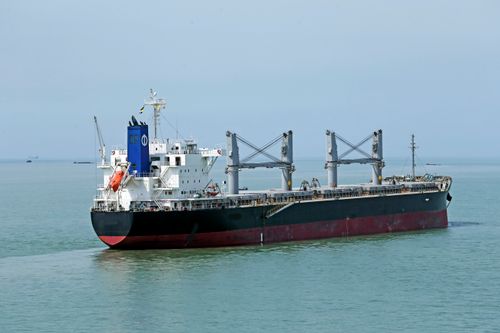
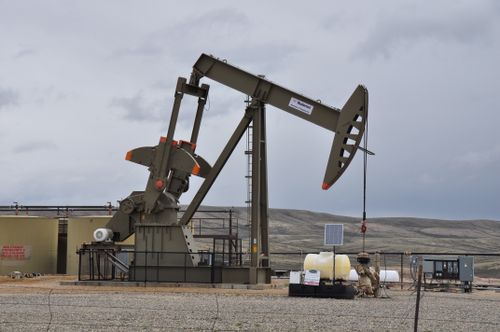
Here’s what happened, in plain terms. Late Thursday, news broke of damage to Saudi Arabia’s East-West pipeline and an oil tanker hit in the Strait of Hormuz — two of the most important arteries in the global energy body. Prices jumped. Then on Friday, traders learned the damage may not be as extensive as first feared, and Brent crude fell for a third straight session, settling just under $104 a barrel, down about 1%.
But don’t mistake the Friday dip for calm. Before prices turned, Brent had recovered some losses on a Bloomberg report that Saudi Arabia told at least two European customers they would not receive crude deliveries next month. In other words, even as the physical damage looked smaller, the political supply picture looked tighter.
Zoom out and the week tells a bigger story. On Wednesday, Brent crude futures slipped 2.7% to $105.83 a barrel in the hours after the Federal Reserve raised interest rates — because when money gets more expensive, everything priced in dollars tends to wobble. The same Fed decision pushed the 10-year Treasury yield back above 5% for the first time in 19 years.
Why should you care if you don’t trade futures? Because oil at $104 instead of $84 is a tax on nearly everything you buy and do. It flows into your gas tank, your grocery bill (food has to travel), and your heating plans as autumn arrives. The Federal Reserve itself cited energy-driven price pressure as part of the inflation picture that justified this week’s rate hike.
What to watch next: oil isn’t just trading on barrels anymore — it’s trading on diplomacy. President Trump just signed legislation giving him authority to impose tariffs of up to 100% on the biggest buyers of Russian oil — China and India — and U.S.-China trade talks open today ahead of an expected September 23–24 Trump–Xi summit. Global flash PMI data lands September 23 and will give the first hard read on whether the world economy is absorbing these shocks or buckling under them. Buckle up — this ride isn’t over.