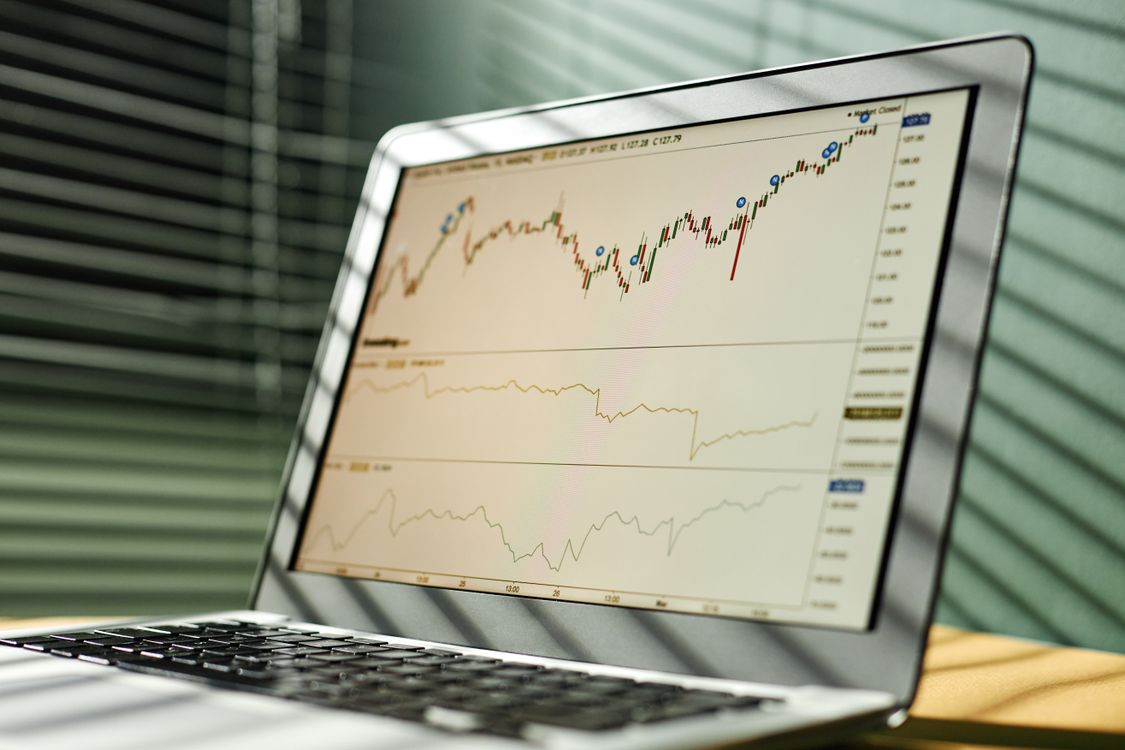
Here is a riddle for the first morning of the fourth quarter. The S&P 500 finished the third quarter up 2.03 percent. The Nasdaq gained 2.47 percent. Respectable, even calm. Now the second half of the riddle: an equal-weight version of the same S&P 500, where every company counts the same instead of the giants counting most, fell 1.55 percent for the quarter, and by one Wall Street measure fell 2.3 percent, snapping a five-quarter winning streak. The Russell 2000, home of smaller companies, dropped 7.5 percent.
Both statements are true, according to CNN’s and the Wall Street Journal’s quarter-end tallies. Your index fund went up. The average stock went down. The market of the third quarter was not one market at all. It was two: a handful of technology giants and energy winners flying, and nearly everything else sinking under the weight of oil prices and rising rates.
If you own a retirement account, this matters more than the headline number suggests. The 2 percent gain your statement shows is real money, but it is concentrated money, and concentration is a kind of fragility. This is the story of a quarter held up by six stocks, and what it asks of you as the year turns.
The engine room: two forces, one quarter
Strip the quarter to its bones and two forces did almost all the work.
The first was artificial intelligence spending, and its purest expression was Microsoft. The stock surged nearly 38 percent in the quarter, its best three months since 1998, on sustained optimism that its cloud and AI investments keep converting into revenue. Meta was close behind, up about 29 percent for its best quarter in two years. Apple added 15.2 percent, Nvidia 14.28 percent, Amazon 4.54 percent. These are the companies pouring concrete for the AI buildout, and the market keeps rewarding the pourers.
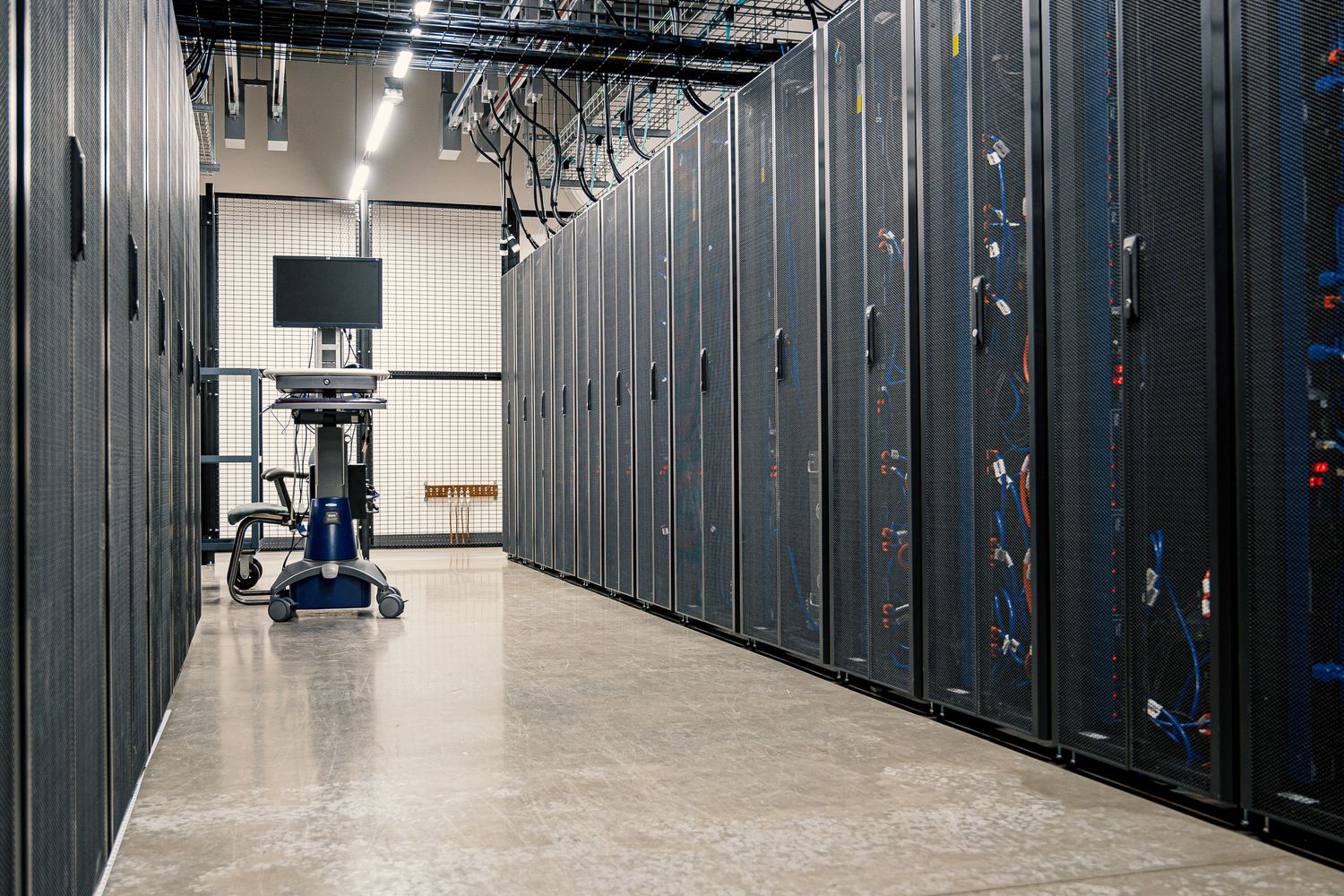
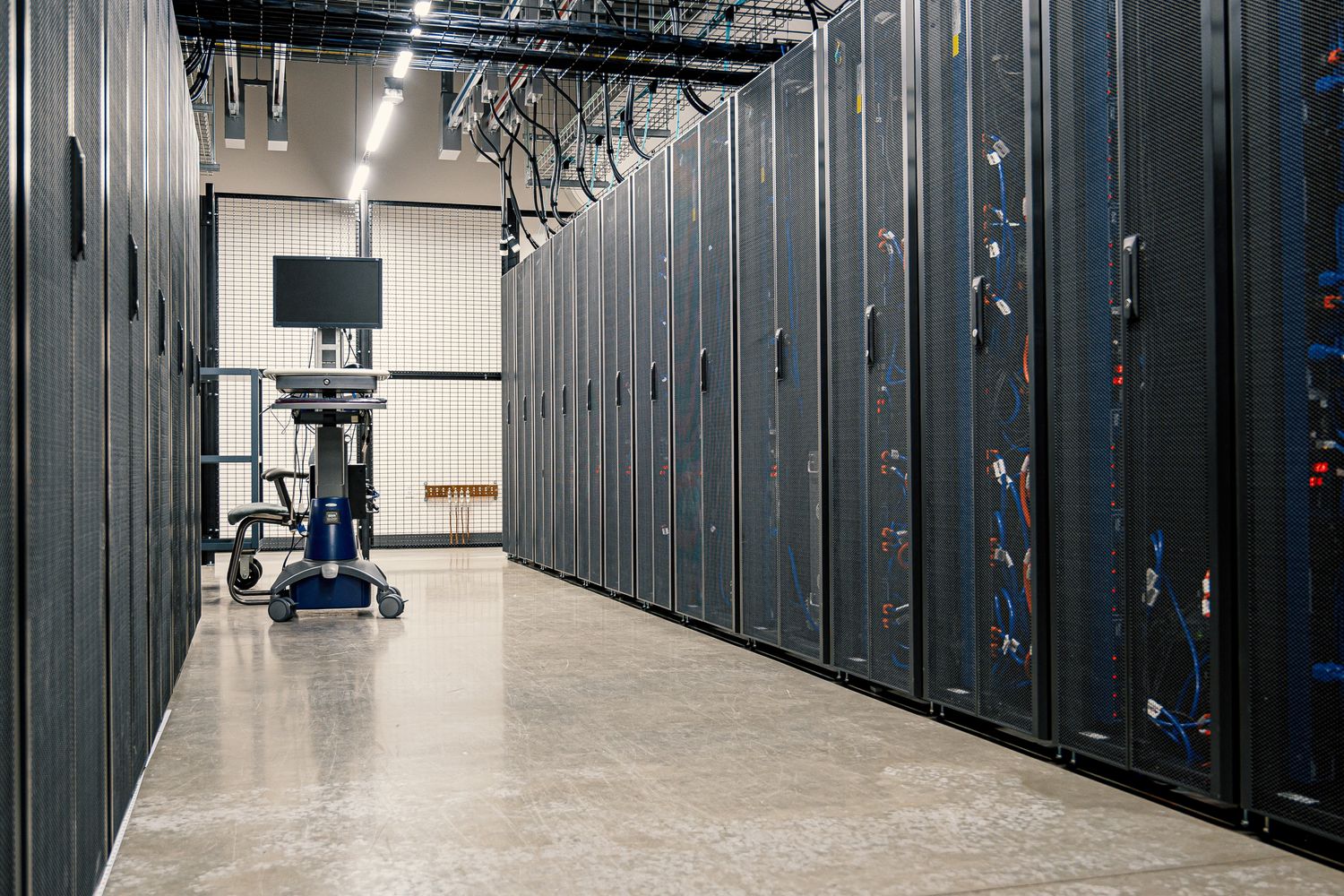
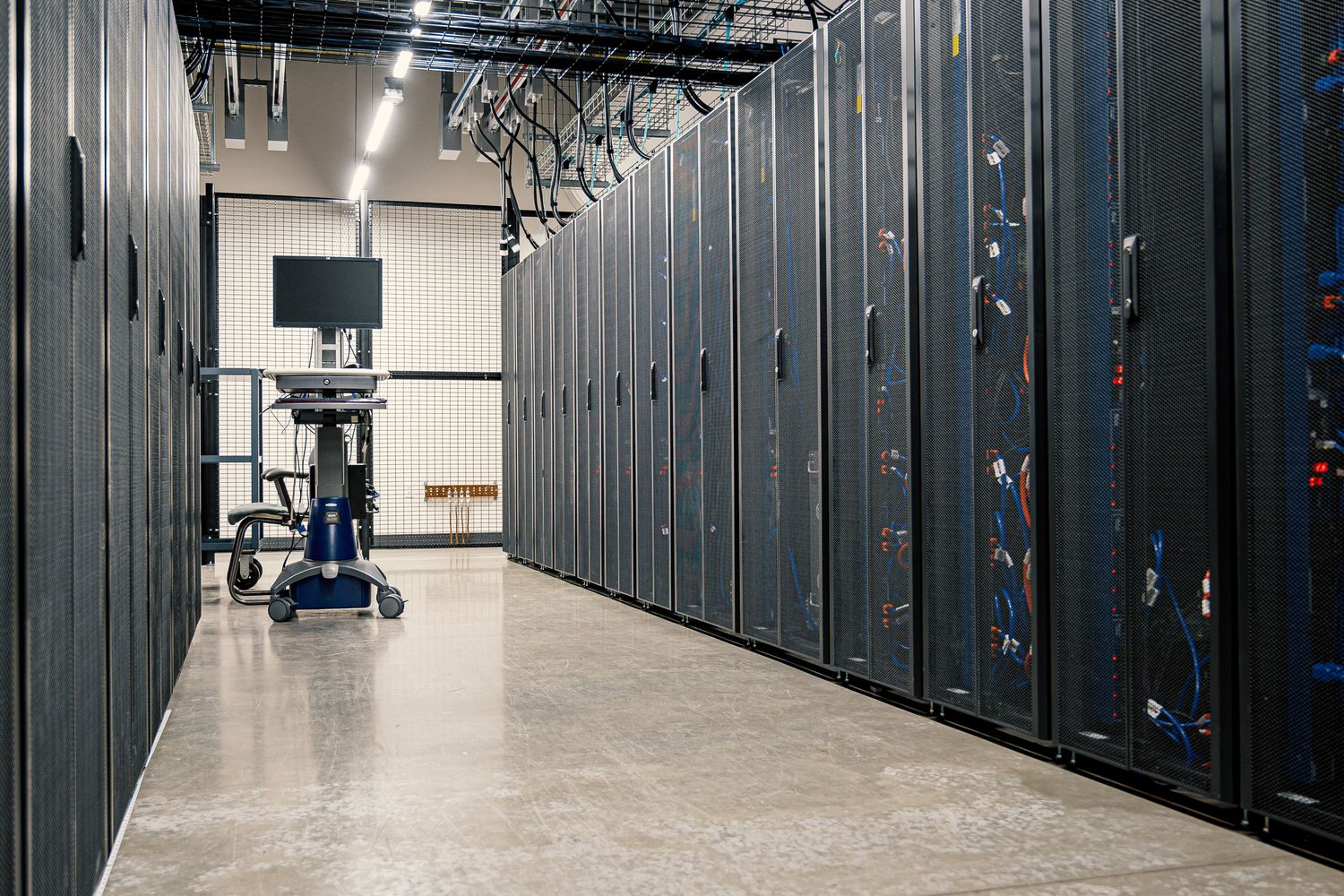
How big is that buildout? Investment in data centers and AI infrastructure is projected to total 10.3 trillion dollars from 2025 to 2032, roughly 3.6 percent of GDP a year, according to a Brookings Institution study cited by the Journal. One fund manager put the mood bluntly: “Twenty-five basis points here and there on rates are not going to stop the freight train that is AI.” You can disagree with the metaphor, but you cannot ignore the capital behind it.
The second force was the Iran war and the oil shock it produced. Brent crude rose 42 percent in the quarter to 103.53 a barrel, and energy became the quarter’s other great winner. Phillips 66 surged 51 percent in three months and is up 98 percent on the year. Chevron rose 23 percent, ConocoPhillips 20 percent, ExxonMobil 19 percent. Energy and technology ended the quarter as the S&P 500’s two top-performing sectors of 2026.
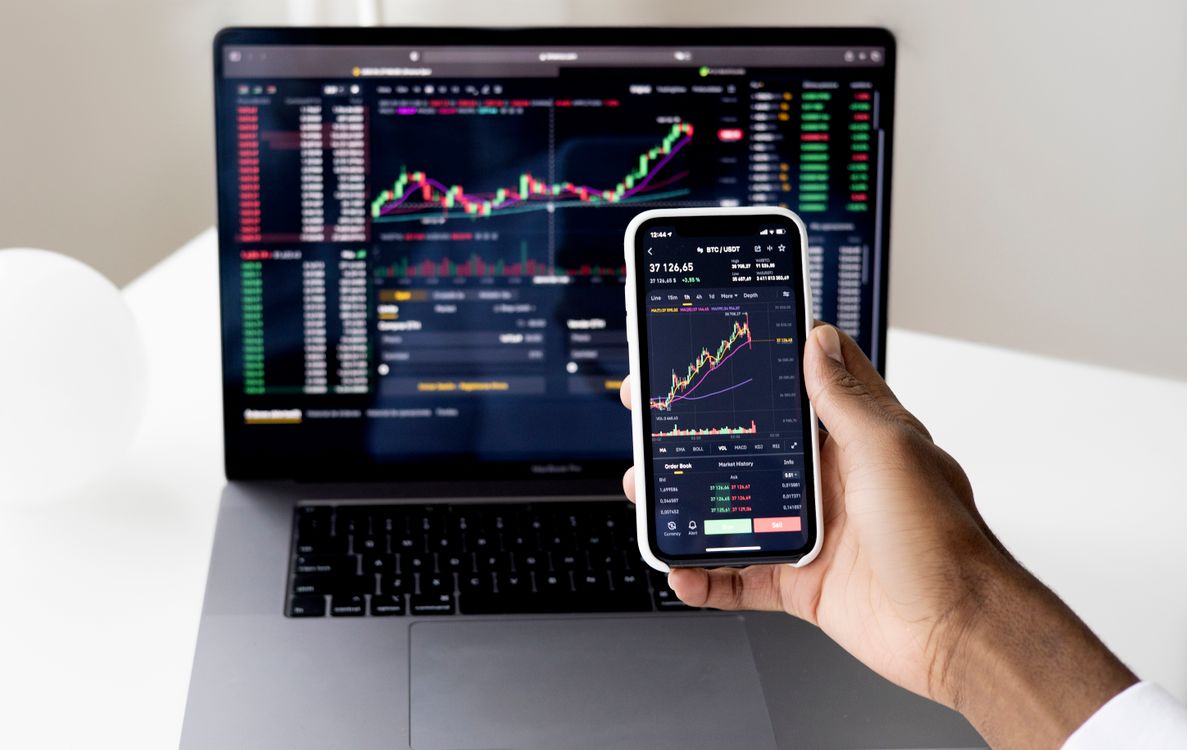
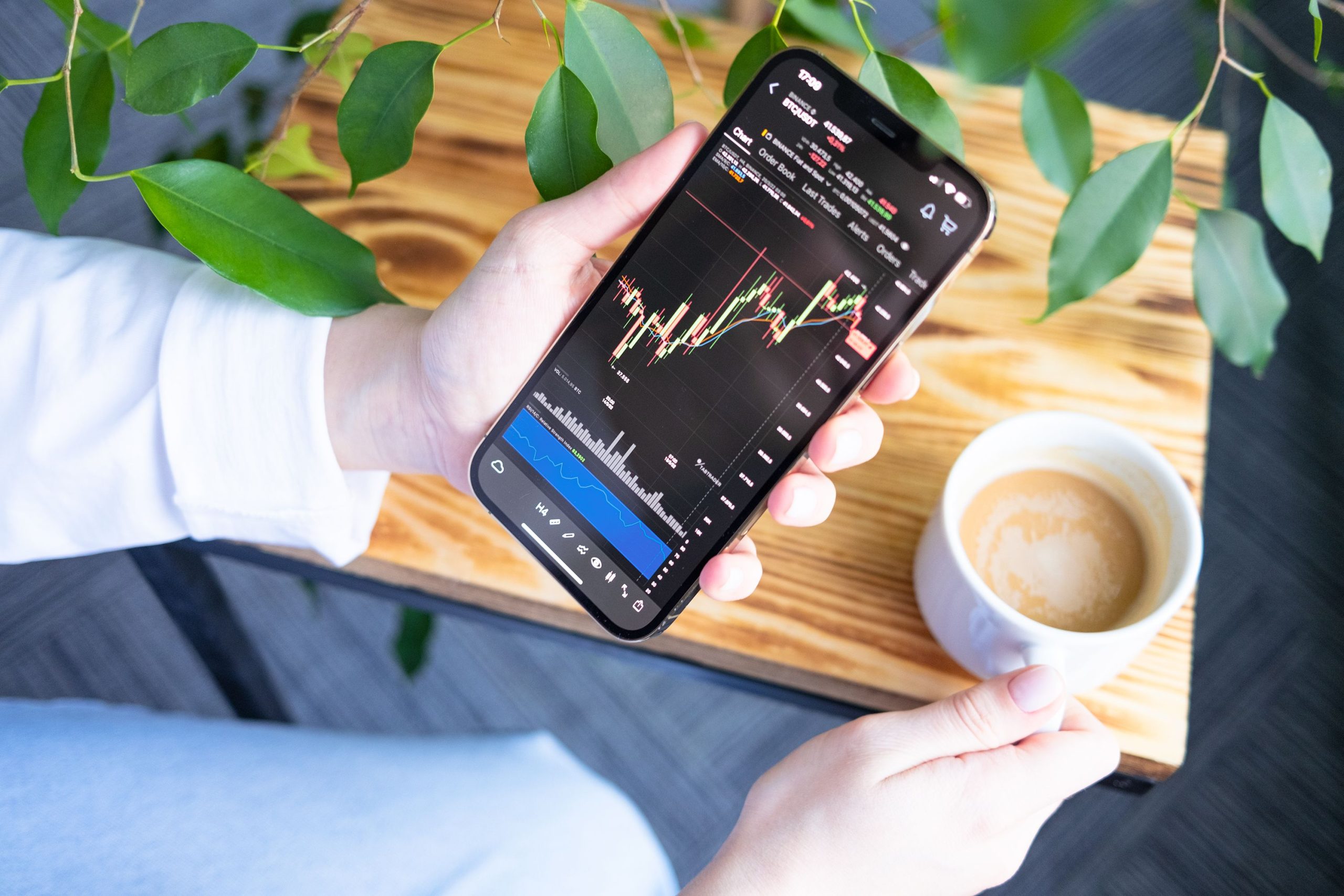
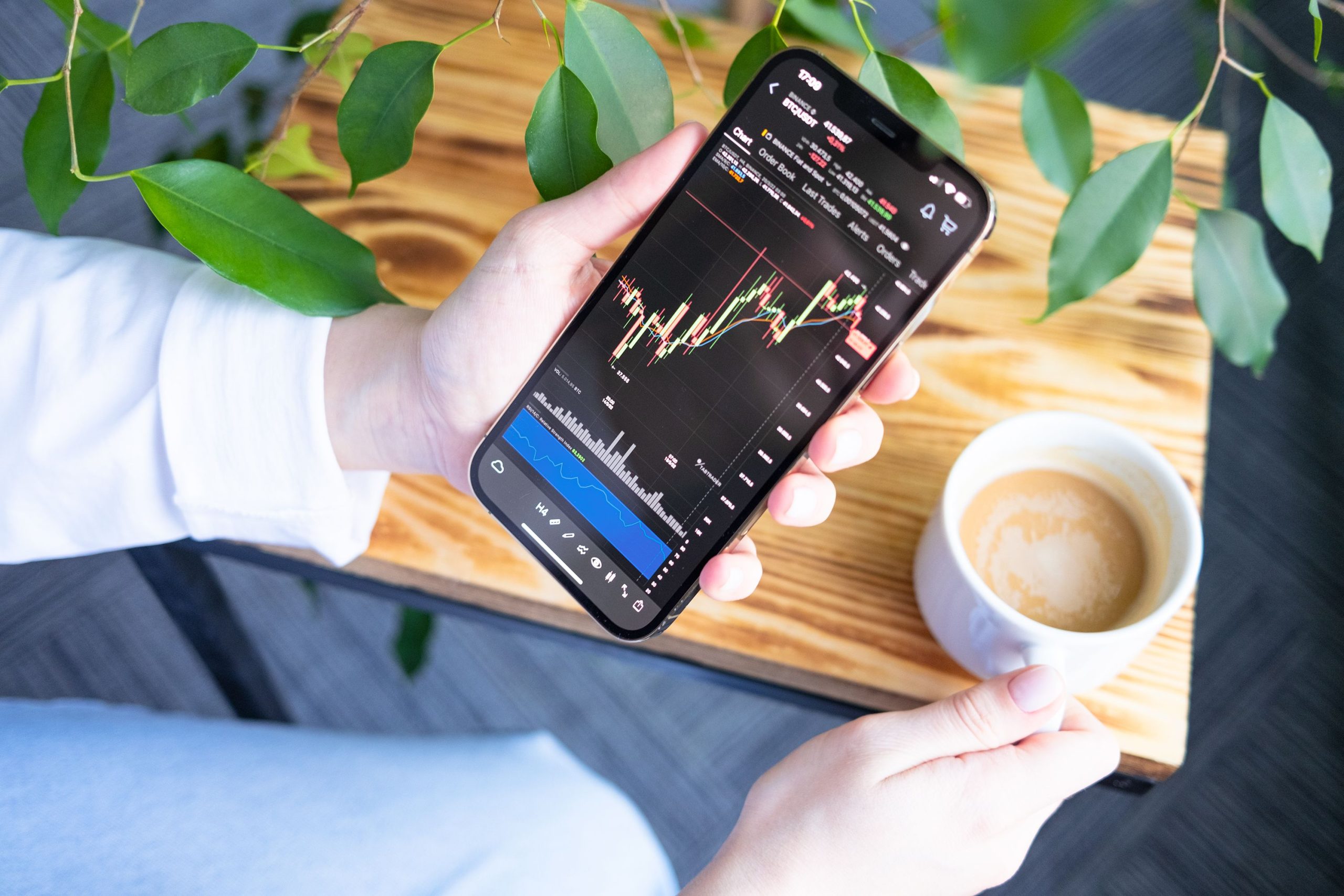
And then there was the surprise guest at the party: bitcoin, which rallied more than 40 percent in the quarter, rising as high as 86,500 in September, its highest since January. It did that despite headwinds for the broader crypto industry after the CLARITY Act failed to pass the Senate. Bitcoin remains well below its record of about 126,000 set nearly a year ago, but the quarter was a reminder that it still behaves like a high-octane risk asset when liquidity and nerves allow.
The other market: what got smashed
Now the other half of the riddle. September was a dismal month for the typical stock. Through the September 30 close, 60 percent of S&P 500 stocks were down at least 5 percent for the month, and 27 percent were down at least 10 percent, per Morningstar. The month’s worst included Fair Isaac, down 48.4 percent, Gen Digital, down 29 percent, Equifax, down 27.4 percent, Charter Communications, down 27.3 percent, Intuit, down 23.3 percent, and Blackstone, down 21.7 percent.
The common thread was rates. The 10-year Treasury yield posted its largest quarterly gain since 1994, rising nearly nine-tenths of a percentage point and touching a 24-year high on the quarter’s final day. Bonds, real-estate investment trusts, and consumer discretionary stocks “got smashed,” in the words of Infrastructure Capital Advisors chief executive Jay Hatfield. Cboe Global Markets noted in September that the correlation between oil prices and the 10-year yield is now higher than at any point since the First Gulf War in 1990. Oil pushes inflation, inflation pushes yields, yields punish everything priced on distant future cash flows. That is the chain that crushed software, credit bureaus, and cable companies while the AI giants sailed on.
The September 16 Federal Reserve rate hike, the first in more than three years, tightened the vise. After it, investors were pricing roughly a 60 percent chance of at least four more increases over the next twelve months, per CME data cited by the Journal, and Fed officials penciled in at least one more hike this year. On the quarter’s last day, a cooler-than-expected inflation print briefly lifted stocks, but rising long-term yields capped the rally: the S&P 500 closed at 7,651.94, down 0.25 percent, with technology the only one of eleven sectors to finish higher.
What this asks of a regular investor
I am not going to tell you to sell your index funds. The S&P 500 and the Nasdaq remain on track for a fourth straight year of double-digit gains, something not seen since the late 1990s, and the Dow is up 5.9 percent on the year. The trend is your friend until it is not, and timing exits has ruined more retirements than volatility ever did.
But the quarter’s narrowness asks three honest questions of anyone heading into Q4.
First, how concentrated are you without knowing it? If your 401(k) is mostly an S&P 500 fund, your returns increasingly ride on a dozen mega-cap names. That is not a flaw in the fund; it is the design. Just know that when the equal-weight index falls while yours rises, you are being carried, and carriers can stumble.
Second, are you being paid to take duration risk? Bonds just had their worst quarter since 1994 on a yield-move basis, yet the 10-year near 5 percent now pays more income than it has in a generation. For savers and near-retirees, that is not a tragedy. It is the first genuinely competitive yield on safe money in years. Laddered Treasuries and CDs deserve a fresh look at these levels.
Third, have you confused a story with a price? Intuit fell more than 23 percent in September and is down roughly 58 percent on the year, not because its business collapsed, but because the market decided AI might eventually do its job cheaper. Maybe it will. Maybe not. The lesson is that even excellent companies can lose half their value when the narrative turns. Diversification is not pessimism; it is humility about which stories are true.
The fourth quarter opens with the market limping and the giants sprinting. That combination has carried stocks a long way before. It has also ended badly before. The honest posture is the one the quarter itself demonstrated: own the engines, but do not mistake them for the whole machine.