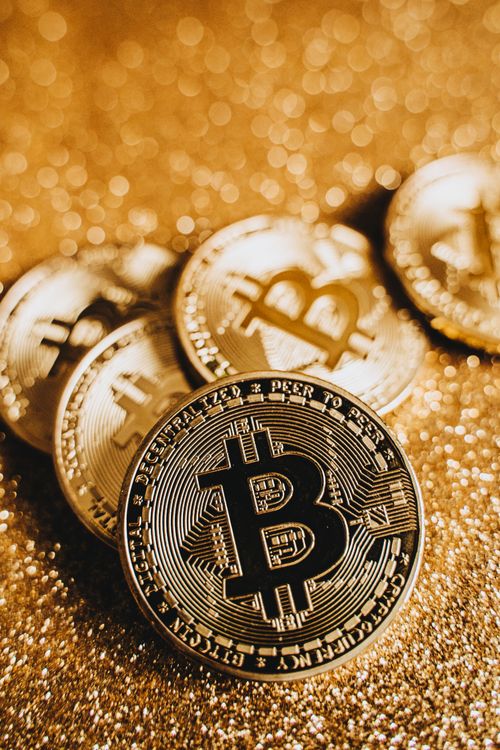
A year ago, Bitcoin traded above $128,000. Then it fell, and fell, and fell, until crypto felt like a story the world had finished telling. This week, the story came back. Bitcoin traded near $86,300 on Wednesday, consolidating after a rally that carried it back to prices not seen since January (Gadgets 360). Ethereum sat near $2,750, up nearly 15% on the week (Gadgets 360). After a brutal year, crypto is moving again. The question worth asking is not whether the rally is real, but what is driving it, and what it teaches the rest of us about how markets work now.
The numbers behind the move
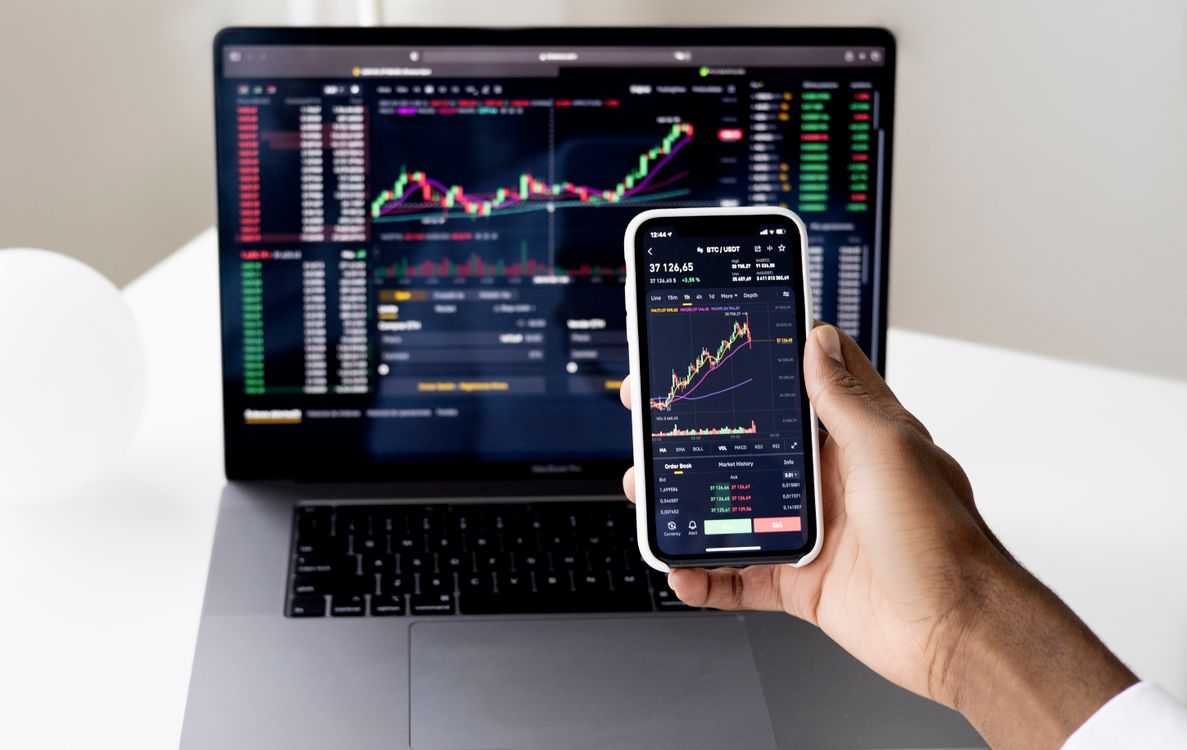
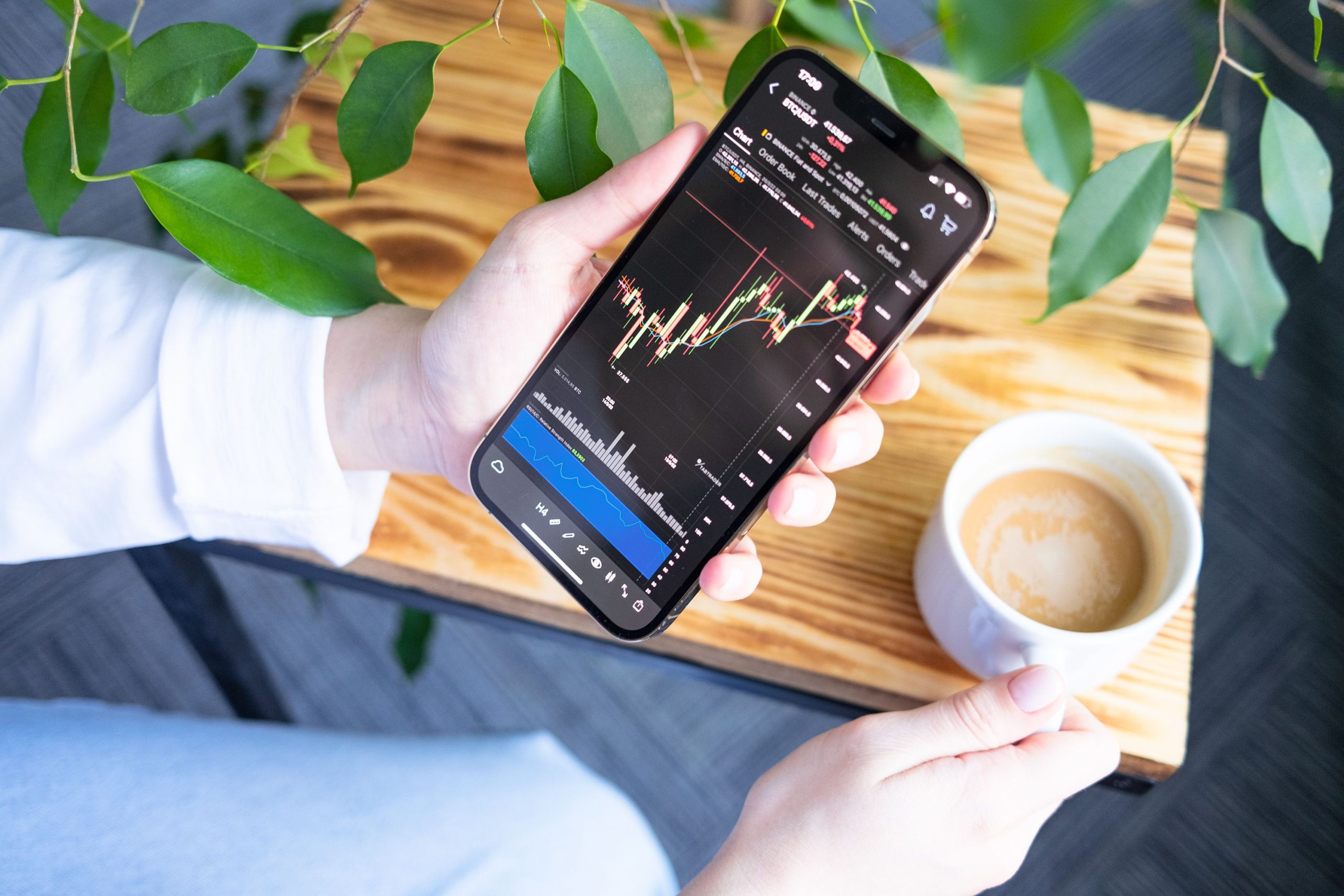
Start with the price action. Bitcoin opened Tuesday, September 22 at $86,597.82, up 6.7% from Monday’s open, and stood more than 10% higher than both a week and a month earlier (MSNBC TV News). Against the all-time high of $128,198.07 set on October 6, 2025, it remains down about 25% on the year (MSNBC TV News). This is a comeback, not a coronation.
The engine of the rally was not retail excitement. It was institutional money arriving through the front door. U.S. spot Bitcoin ETFs attracted nearly $1 billion in a single day on September 21, led by BlackRock and Fidelity, and pulled in nearly $1.96 billion over the four trading sessions through September 22 (Gadgets 360). Prateek Gupta of Mudrex noted that Bitcoin’s move above its 365-day moving average came with “unusually little profit-taking for a move this size,” though the negative Coinbase Premium Index suggests the rally has leaned more on futures and ETF flows than on organic spot buying (Gadgets 360).
Then came the accelerant: short sellers. As prices rose, traders betting against Bitcoin were forced to buy it back, feeding the fire. Around $648 million in short positions were liquidated as the move gathered pace (Gadgets 360), and across one 24-hour stretch, 115,490 traders were liquidated for $769.8 million, with short positions accounting for 85% of the losses (MSNBC TV News). That is the anatomy of a modern squeeze: real buying starts it, forced buying finishes it.
The backdrop: why now
Rallies need a reason to start, and this one has a calendar. Thursday brings the Trump-Xi summit in Washington, and prediction markets are pricing a 92% chance of a U.S.-China tariff agreement by year-end (Gadgets 360). Crypto, for all its talk of independence, still trades like a risk asset, and risk assets love the smell of a trade deal. The on-chain data agrees with the optimism: CryptoQuant’s Bull Score has sat in bullish territory since mid-August and now reads 80, while the Fear and Greed Index held at 71, firmly in “greed” territory (TradingKey).
The smaller coins followed the leader, as they always do. XRP extended its rally for a sixth straight day, tagging highs above $1.60, while Solana traded near $118, Binance Coin around $791, and Dogecoin near $0.10 (TradingKey; Gadgets 360).
What this teaches us
Lesson one: crypto has grown up into an institutional market, and that changes everything. The old crypto rallied on tweets and forum posts. This one rallied because pension-style money flowed through regulated ETFs at a pace of nearly $2 billion in four days. That is steadier fuel, but it also means crypto now answers to the same macro forces as stocks: rate expectations, trade headlines, summit calendars. Independence was the pitch. Correlation is the reality.
Lesson two: leverage is a loaded spring in both directions. The $769.8 million in liquidations was not a sideshow, it was a central character. When too many traders bet the same way with borrowed money, the market has a way of humbling them all at once. Short squeezes feel wonderful on the way up and terrifying on the way down, because the same forced buying that lifts prices can reverse into forced selling. If you are ever tempted to use leverage in crypto, remember the 115,490 traders who learned this lesson the expensive way this week.
Lesson three: the professionals are cautious even in celebration. Vikram Subburaj, CEO of Giottus, put it plainly: investors should “avoid chasing the market after a rapid rise,” and those seeking exposure should “stagger purchases and keep position sizes modest” (Gadgets 360). Balaji Srihari of CoinSwitch warned that the next test is whether demand persists after the initial momentum fades, and that if flows lose momentum, “some consolidation around current levels would be a more likely feature of the market” (Gadgets 360). Analysts are watching $83,000 to $85,000 as support and $87,000 to $89,000 as the next upside test (Gadgets 360).
There is something quietly hopeful in this story, and it is not about getting rich. It is about resilience. A market that was written off as finished absorbed a 30% drawdown, rebuilt its plumbing through regulated products, and found its way back to January’s levels on the strength of genuine demand. Whether you own any crypto or not, that arc is worth noticing. Markets, like people, get second acts. The wise move is to watch the second act with clear eyes: enjoy the comeback, respect the leverage, and never confuse a good week with a guarantee. (My take: this rally’s real significance is structural, not numerical. Crypto is no longer the casino in the corner of finance. It is a room in the house now, with all the sunlight and all the storms that come with it.)