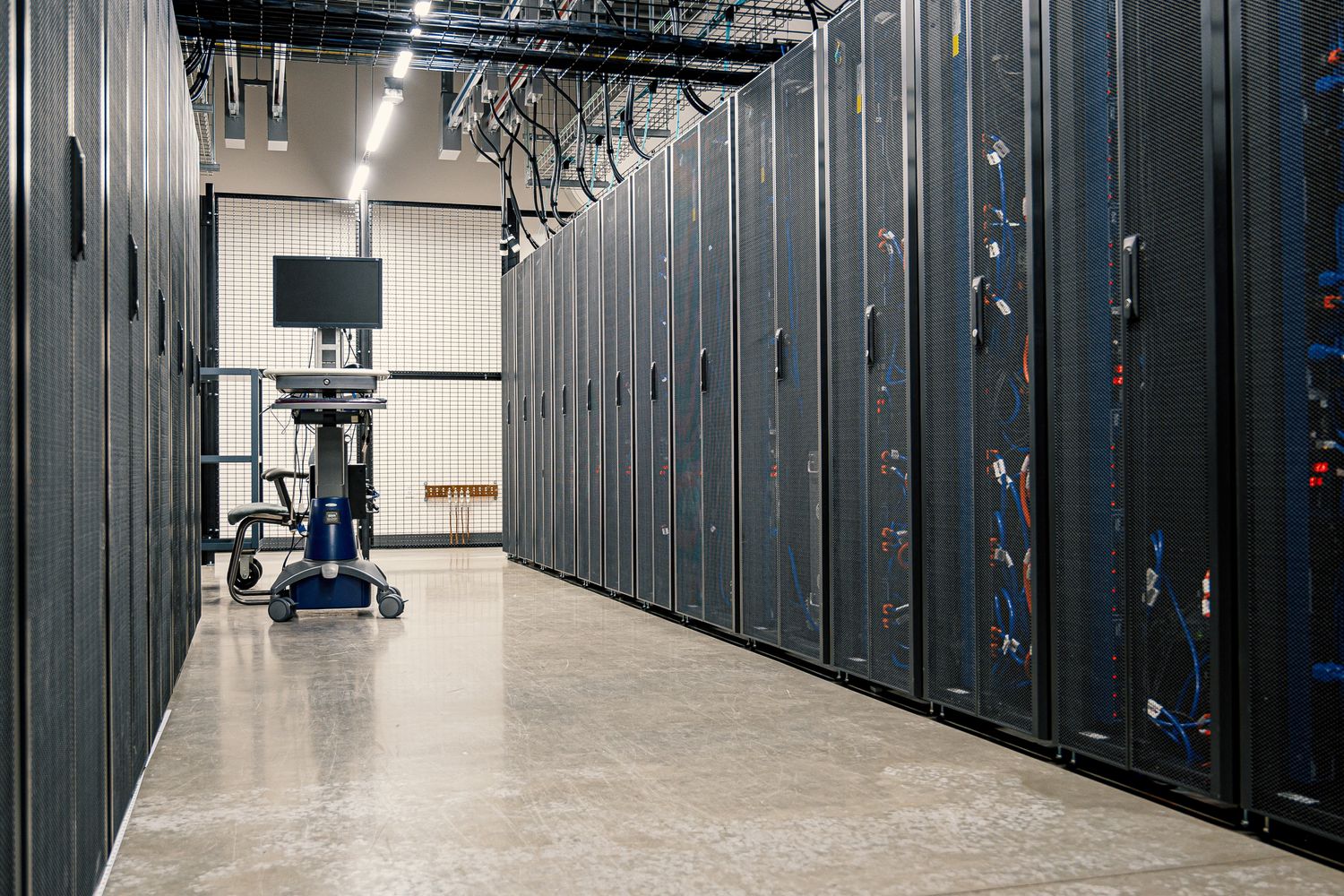
Alibaba unveiled what it calls China’s most powerful AI chip on Tuesday and paired the reveal with the boldest infrastructure pledge any Chinese company has ever made: 20 gigawatts of data center capacity by 2032, backed by more than $53 billion in AI spending over three years. The announcement, delivered at the company’s annual Apsara Conference in Hangzhou, sent Alibaba shares up about 3% in Hong Kong trading.
The new processor, the Zhenwu V900, comes from Alibaba’s in-house T-Head chip division. According to Bloomberg, it delivers three times the performance of its predecessor, the Zhenwu M890, which launched only this May, and can be linked in clusters of up to 500,000 units to train frontier AI models. Mass production is scheduled for the first quarter of 2027, so this is an architecture reveal with a production date attached, not silicon shipping today.
The scale of the bet
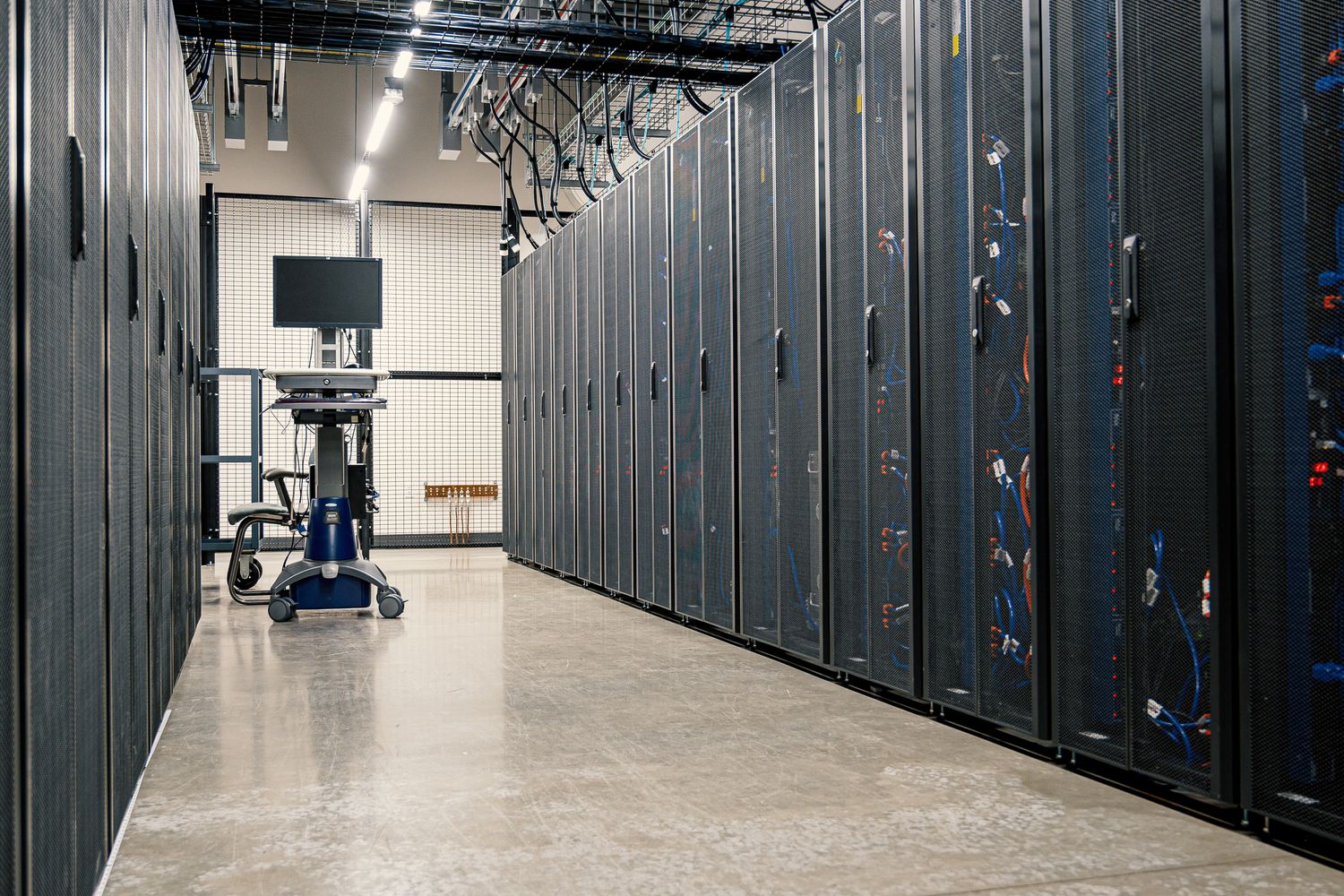
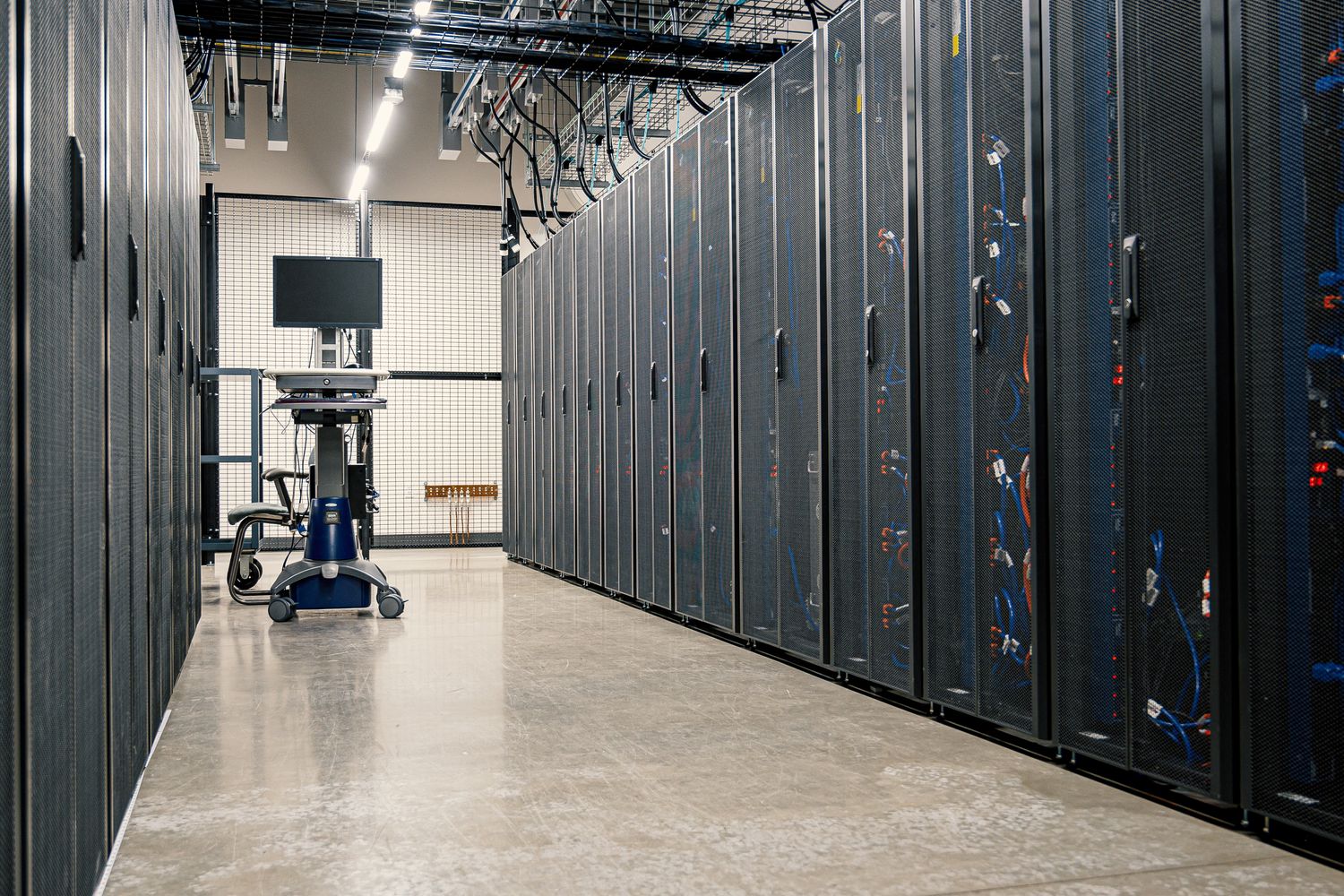
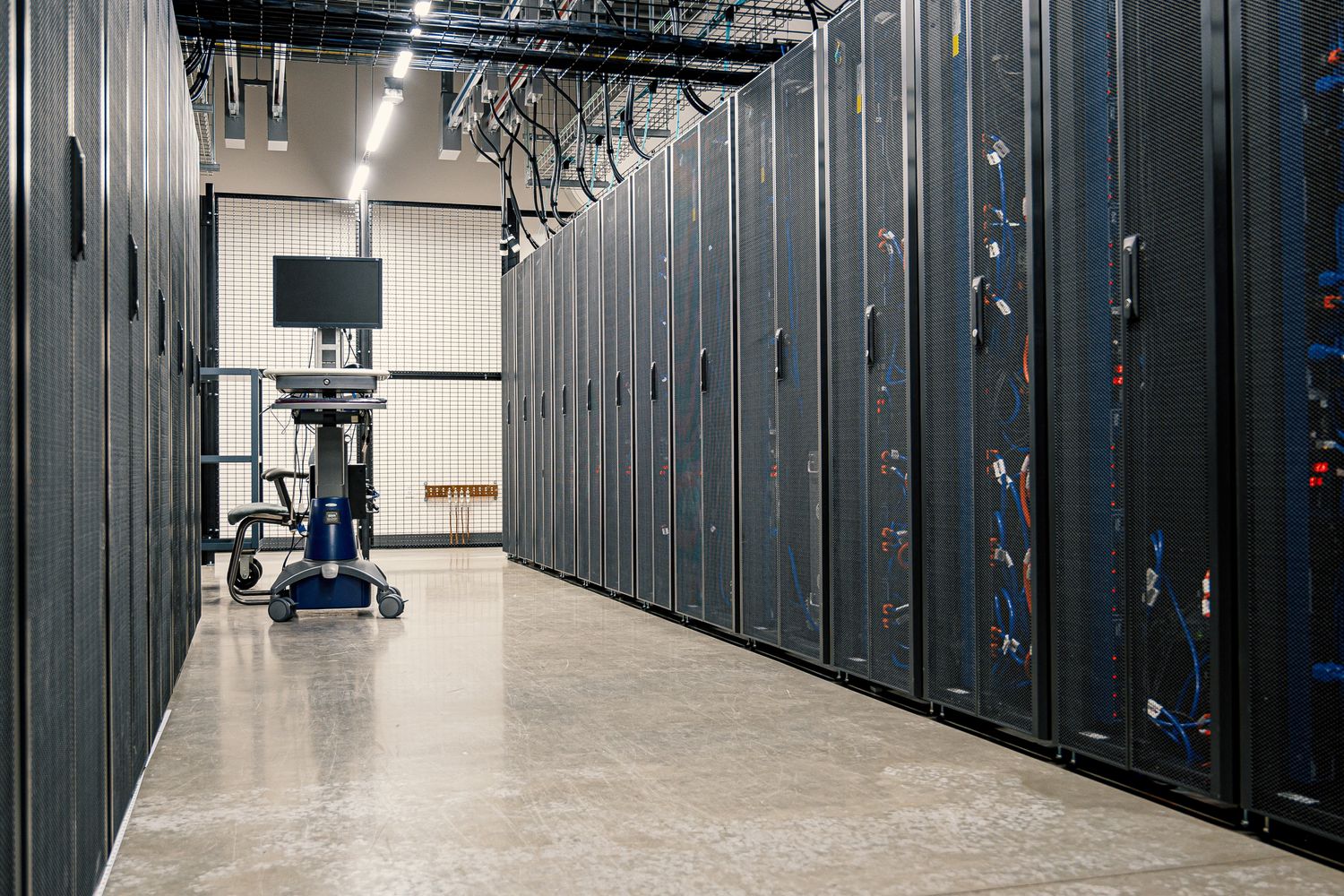
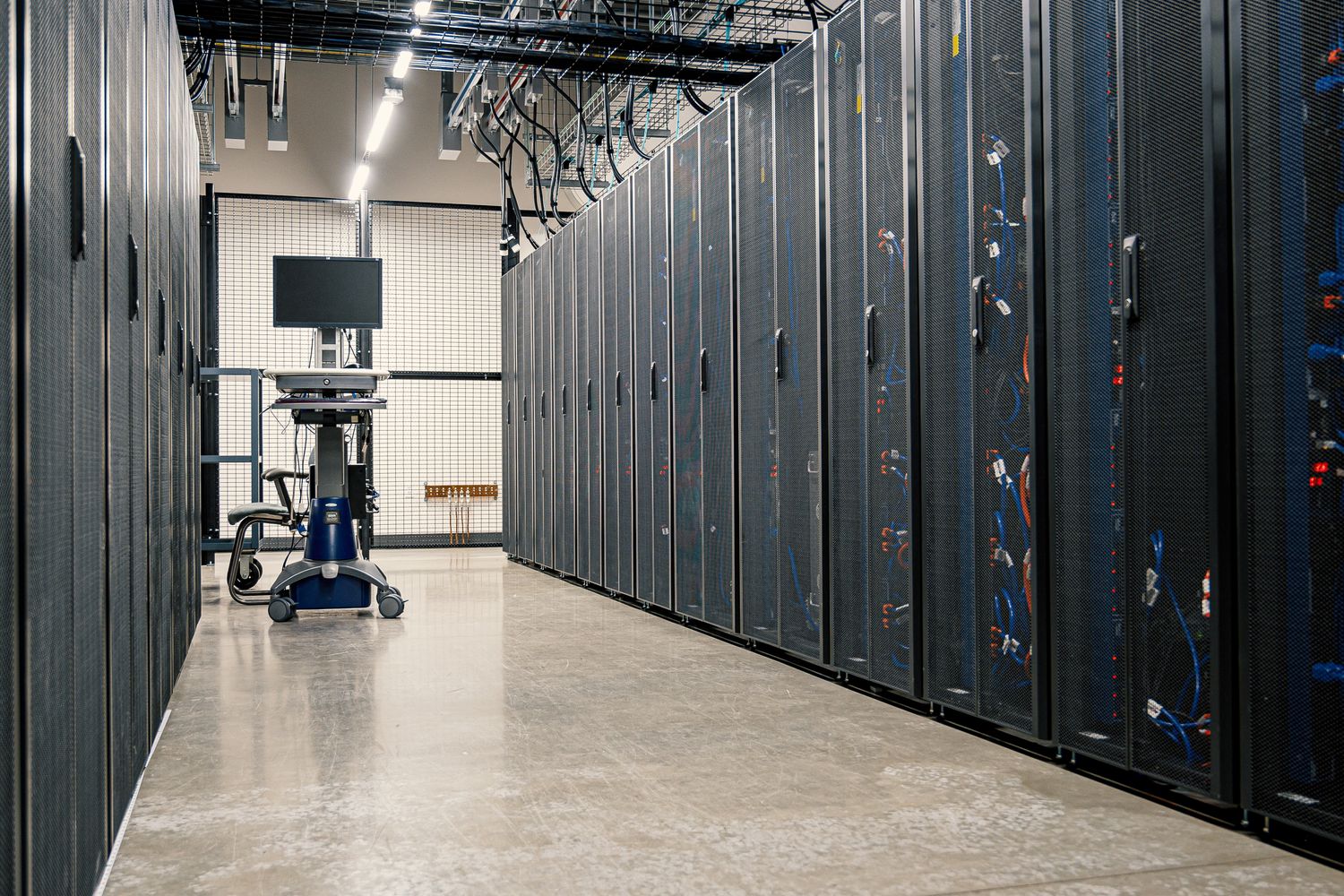
CEO Eddie Wu told the Hangzhou audience that Alibaba Cloud would reach 20 gigawatts of worldwide data center capacity by 2032, driven by what he described as exponentially rising demand for AI. The company has committed more than $53 billion (about 380 billion yuan) over three years to cloud and AI infrastructure, a figure reported by Bloomberg. To put that in context, Alibaba spent nearly $10 billion on capital expenditures in the June quarter alone, a 75% increase from a year earlier, and free cash flow swung to an outflow of about $6.6 billion, mostly from cloud-infrastructure spending, as ZeroHedge detailed.
That spending is already eating into profits. Headline net income fell 75% year over year in the June quarter to about $1.5 billion, though Alibaba said the drop was compounded by smaller gains from investment disposals and equity mark-to-market changes; on a non-GAAP basis the decline was 38%. The cloud business, meanwhile, is growing fast. Alibaba’s Cloud and Compute Services generated $7.14 billion in June-quarter revenue, up 45% year over year, and AI-related product revenue alone reached $1.824 billion for the quarter, its twelfth consecutive quarter of triple-digit growth, according to the same reporting. On an annualized basis, Alibaba says AI-related product revenue has reached about $7.3 billion and should approach $10 billion in the September quarter.
The revenue target behind all this spending is striking. Eddie Wu announced in March that Alibaba expects to surpass $100 billion in annual combined cloud and AI external revenue within five years, effectively quintupling the business. Citigroup analysts have estimated that infrastructure on the scale Alibaba envisions could eventually support roughly $160 billion in external cloud revenue. Alibaba’s management told investors on the August earnings call that at current gross margins it expects to recoup AI-related capex in roughly three years.
Full stack, Chinese characteristics
What separates Alibaba’s push from a pure data center building spree is the silicon. The company is designing most of the logic chips in its own AI clusters, from the Zhenwu accelerators to server CPUs and networking chips, a full-stack strategy that means its $53 billion is not being spent renting someone else’s hardware. The existing Zhenwu lineup has shipped more than 560,000 chips and now serves more than 650 external customers across automobiles, finance, energy, and manufacturing, Bloomberg reported. On Tuesday, Wu also said the company plans to train models with 5 to 10 trillion parameters, far larger than what is common today, for longer and more complex tasks.
Tencent joined the chorus on the same day, launching a new image-generation model across its platforms. Its shares rose about 7% in Hong Kong, according to Finimize’s September 23 briefing.
The Washington shadow
All of this is unfolding under the watch of Washington. U.S. Trade Representative Jamieson Greer said easing semiconductor export controls will not be on the table at this week’s Trump-Xi meeting in Washington, according to The Daily Upside’s September 23 edition, meaning Nvidia’s most advanced parts stay restricted for Chinese buyers. That restriction is precisely why Alibaba’s chip effort matters commercially: with the best American silicon unavailable and Huawei holding its Ascend supply largely for the domestic market, Chinese buyers are buying what they can get, and Alibaba is both a supplier and its own biggest customer.
The revenue gap nobody can ignore
Here is the sobering context for Alibaba’s ambitions. New estimates from the Rhodium Group found that all of China’s leading AI models combined generate only about 10% of the annual recurring revenue reported by OpenAI and Anthropic. OpenAI’s ARR stands at $40 billion and Anthropic’s at $65 billion, while Alibaba itself was estimated at just $2.4 billion in AI model revenue. DeepSeek, the celebrated open-weight lab, sits at roughly $500 million in ARR, MiniMax at $800 million, and Moonshot at $1 billion, with valuations as high as 163 times revenue.
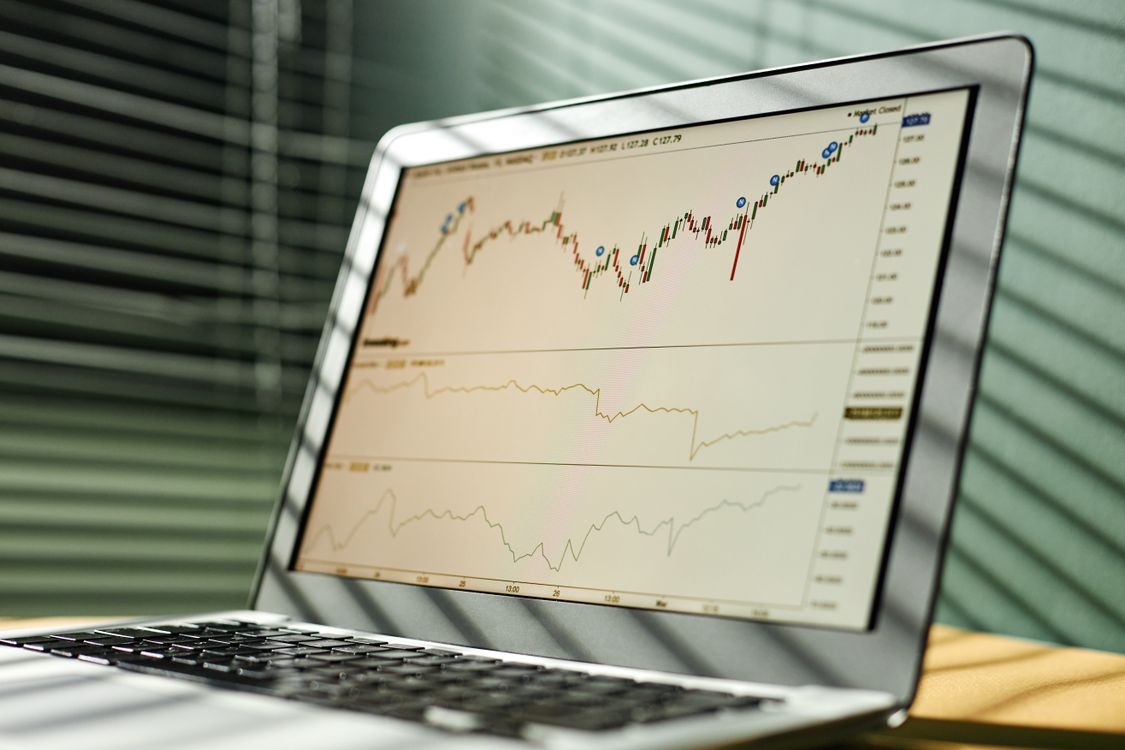
Adoption is not the problem; monetization is. Alibaba’s answer is to own the entire stack, from chips to cloud to models, and turn compute into recurring revenue the way Amazon turned servers into AWS. The $53 billion bet says the company believes the economics work. Markets have not yet decided: the stock fell after the August share placement that raised about $10.2 billion to fund the AI push, then rose 3% on the Apsara announcements. That is the whole story in miniature. Alibaba is asking investors to fund a buildout whose payoff arrives years from now, and it is asking them to trust a revenue target that requires nearly doubling cloud AI sales every two years.
My take: this is the most consequential infrastructure wager in Chinese tech history, and it is happening precisely because the export controls made it necessary. If Alibaba can deliver compute at domestic cost while Washington keeps the best American chips off the table, the 20-gigawatt target stops looking like a slogan and starts looking like a moat. If the chips underperform or demand stalls, it is a $53 billion hole. The Qwen 4 training run, now underway, will be the first real evidence either way.
Published September 24, 2026. Sources: Bloomberg via BusinessMirror, CoinCentral, ZeroHedge, Hardware Busters, Finimize, The Daily Upside.