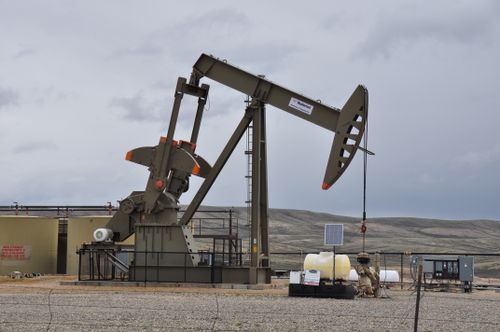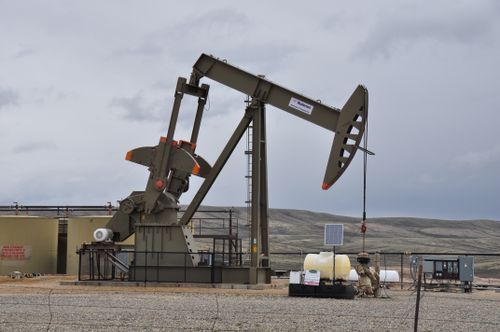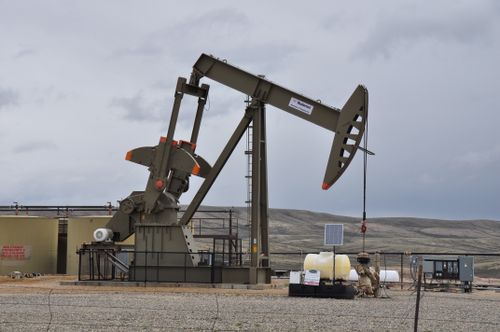
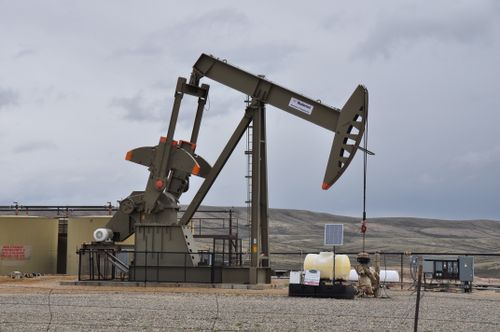
The price of oil fell on Wednesday, and the reason was a rumor. Brent crude futures dropped 0.75% to $98.51 a barrel in early Asian trading, while U.S. benchmark WTI slid 1.0% to $89.59, its fifth straight losing session. The trigger was a report from Japan’s Kyodo news agency that Iran had proposed reopening the Strait of Hormuz if the United States lifts its blockade, though Iran’s Fars News later cited sources denying the report. (Dow Jones)
Read that sequence again, because it captures the entire energy market in 2026: prices move on whispers, whispers get denied, and the underlying reality, a war that has choked one of the world’s most important waterways, does not change at all. Brent ended last week at $102.57 after touching $103.24. A dip to $98.51 is relief, not resolution.
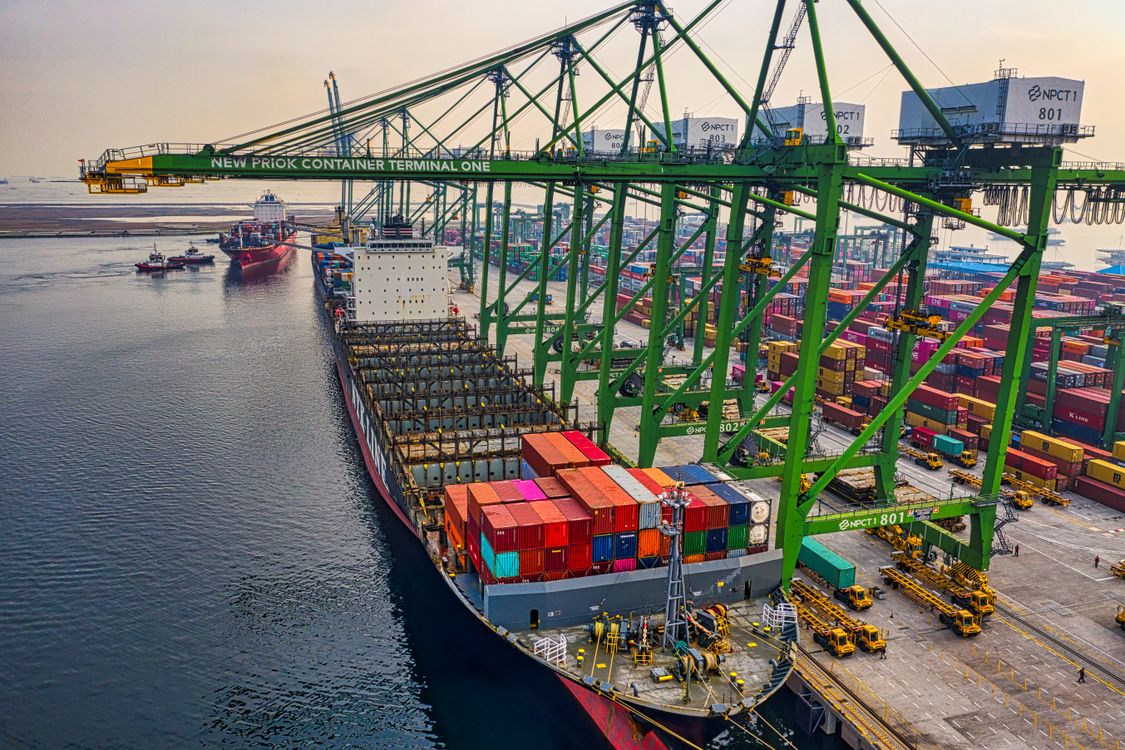
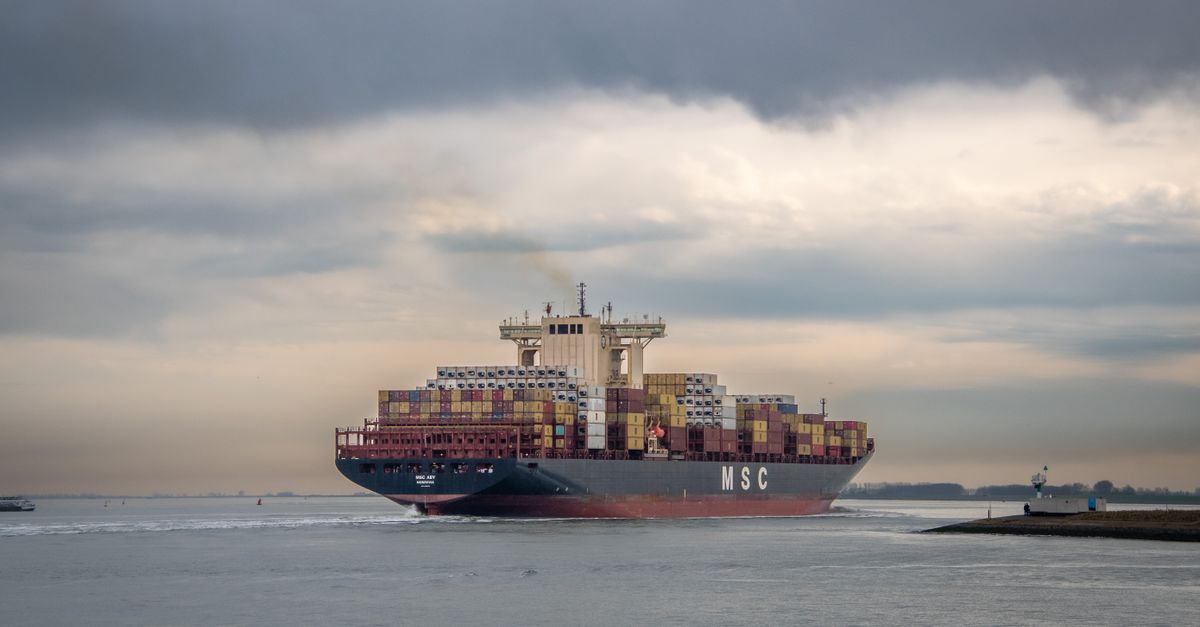
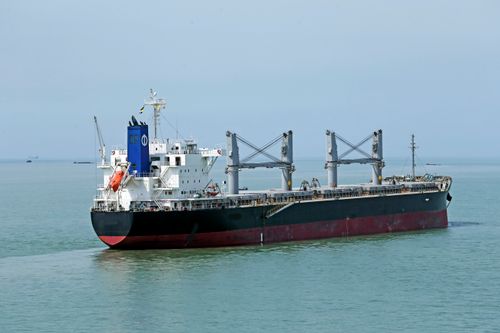
The Strait of Hormuz is the narrow passage through which roughly a fifth of the world’s oil has historically flowed, and its effective closure has been the single biggest fact in global energy markets this year. When a waterway like that closes, the effects ripple outward in ways that are easy to miss until they show up in your life. One of those ripples surfaced in the FT’s Wednesday briefing: the cost of hiring an oil supertanker on Middle East-to-Asia routes has passed $1.2 million a day for the first time. (FT News Briefing) Think about what that means. Every barrel of oil that does move now carries a shipping cost that would have been unthinkable two years ago, and those costs do not evaporate. They get baked into refinery margins, wholesale prices, and eventually the number on the gas station sign.
There are small signs of adaptation. Saudi Aramco has been running tests on its East-West pipeline, which was shut after attacks earlier in September, and Saudi crude exports from the Red Sea port of Yanbu are expected to restart soon. (Dow Jones) Pipelines are the quiet workhorses of energy security: unglamorous, mostly invisible, and suddenly the most valuable infrastructure on earth when the sea lanes close. Every barrel that can move by pipe is a barrel that does not need a $1.2-million-a-day ship.
But the bigger energy story this week is not about crude at all. It is about diesel, and it is political.
President Trump said he would back a ban on U.S. diesel exports, and the market reaction was immediate: European gasoil futures jumped more than 5%, while New York diesel futures dipped slightly. (Wall Street Journal) To understand why this matters, you have to understand what diesel is. It is not just truck fuel. It is the fuel of the entire physical economy: freight, farming, construction, heating in parts of the world. When diesel markets tighten, the cost of moving everything goes up, and “everything” includes the food on your table.
A U.S. export ban would be a genuine shock to global diesel flows. Europe, which imports significant volumes of American diesel, would feel it first and hardest, hence the 5% spike in gasoil futures. American drivers might see some relief at the pump, hence the dip in New York futures, but the history of export restrictions is that they rearrange pain more often than they eliminate it. Refineries optimize for the markets they can serve. Traders reroute. And the farmers and truckers and construction crews whose livelihoods run on diesel end up paying in ways that are hard to trace back to a single policy announcement.
Here is a number that puts the energy trade in perspective: oil and gas refining and marketing is the best-performing S&P 500 subindustry of 2026, up 145.4% through Friday’s close, according to FactSet data cited by Axios. (Axios) When the companies that turn crude into fuel are the stock market’s biggest winners, it tells you who is capturing the value in an energy crisis. It is not the driver. It is not the shipper. It is the refiner standing between scarce crude and desperate buyers, collecting a margin on every gallon. That 145.4% is the market’s way of saying the energy shock has been very, very good for a very specific set of companies.
Zoom out and the energy picture connects directly to everything else in this morning’s news. The OECD’s new outlook names the Middle East energy shock as the weight dragging on 2027 growth and the force pushing G20 inflation to 4.1% this year and 3.6% next. Fitch Ratings expects the oil market to return to a substantial surplus in 2027 and raised its 2027 price forecast to $70 a barrel from $65, with an upside scenario of $85 and a downside of $55. (Dow Jones) In other words, the professional forecasters expect this to end, eventually, with prices far below today’s $98 Brent. But “eventually” is doing a lot of work in that sentence, and 2027 is a long way from a household trying to budget for winter heating.
Then there is the diplomacy calendar, which is where hope lives. President Trump hosts Chinese President Xi Jinping in Washington on Thursday, September 24, with Iran, AI, tariffs, and Taiwan on the agenda. Treasury Secretary Scott Bessent said the two countries have committed to constant communication on AI. (Wall Street Journal) Any genuine progress on Iran, even a framework for reopening Hormuz, would move oil prices faster than any pipeline test or inventory report. Markets are already twitchy on the mere rumor of it. The flip side is that diplomacy can fail, and the market’s sensitivity to headlines cuts both ways.
So what does all of this mean for a reader who does not trade oil futures?
First, budget for energy as a volatile line item, not a fixed one. Gasoline near $4.40 a gallon nationally, diesel markets in political play, heating season approaching: this is not the year to assume the utility bill will look like last year’s. Build a cushion into the monthly budget for energy, and treat any month it comes in low as a windfall to save, not to spend.
Second, understand that you are paying the energy tax twice: once at the pump and once at the grocery store. Diesel is the fuel of freight and farming. When diesel markets convulse, food prices follow with a lag. The inflation showing up in the CPI is not an abstraction. It is the tanker rate, the refinery margin, and the diesel ban debate, laundered through a supply chain into the price of bread.
Third, if you invest, look at where the value is actually accruing. That 145.4% gain in refining stocks is not a recommendation, but it is information: in a supply shock, the bottleneck captures the profit. The same logic applies across the economy. When you cannot change the price of an input, you can sometimes change your exposure to who profits from it.
And finally, keep one eye on Thursday. A Trump-Xi summit that produces even a hint of progress on Iran could send oil down sharply and give every household in America a small, immediate raise in the form of cheaper fuel. A summit that produces nothing leaves the $1.2-million-a-day tankers and the $98 oil exactly where they are. In 2026, geopolitics is not background noise for the economy. It is the economy, or at least the part of it that decides what everything costs.