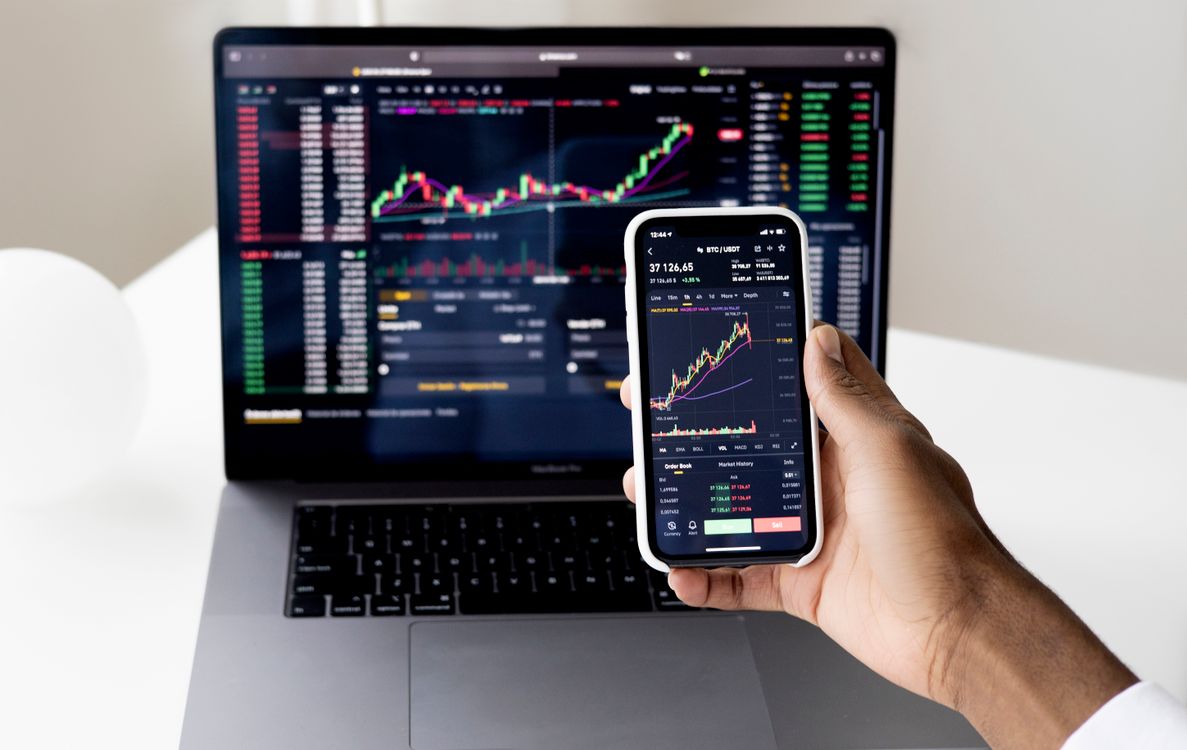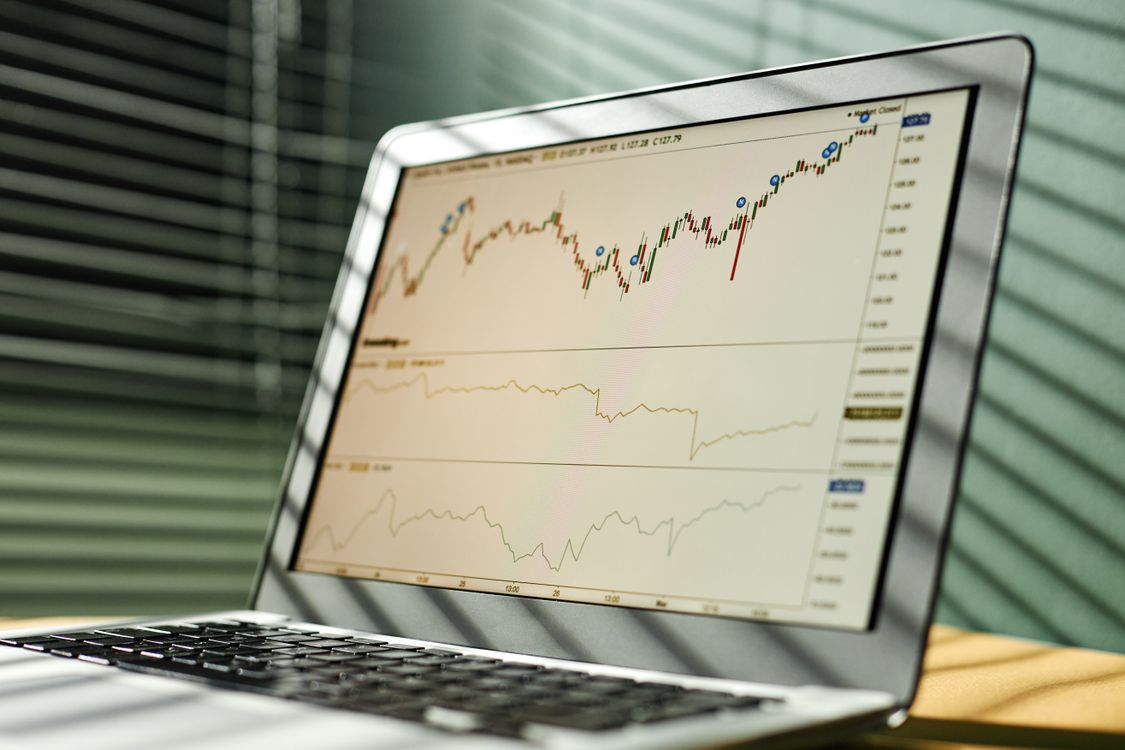
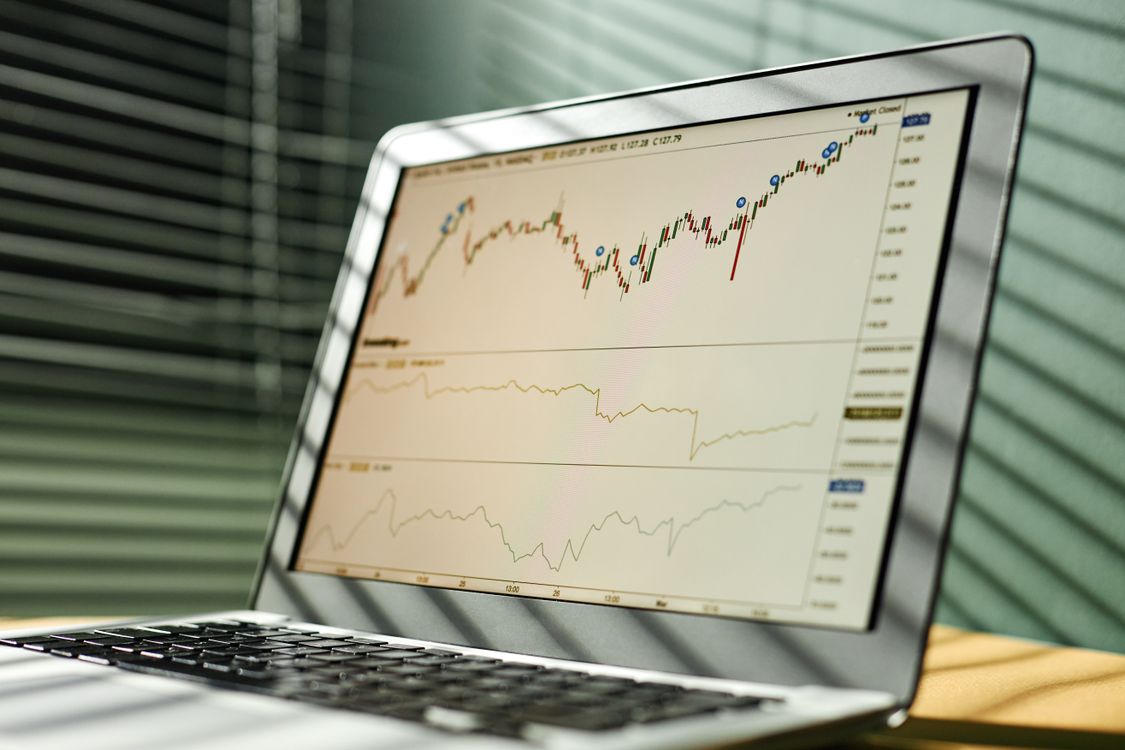
Friday afternoon had a feeling traders had been waiting for. The S&P 500 climbed 0.51 percent to 7,743.41, the Dow surged 0.93 percent to 51,828.62, and the Nasdaq added 0.48 percent to finish at 27,068.72, according to Investopedia’s market wrap. Those single-day gains sealed a week in which the S&P 500 rose 1.2 percent, the Nasdaq 2.1 percent, and the Dow 0.3 percent, snapping a three-week losing streak. Barron’s called it the strongest weekly performance for all three indexes since August.
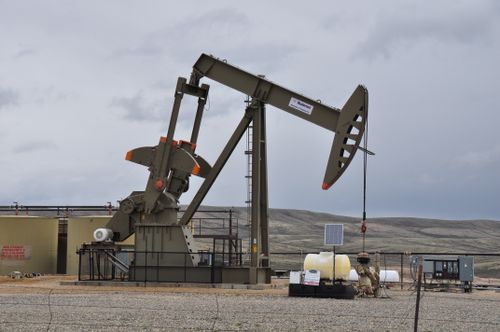
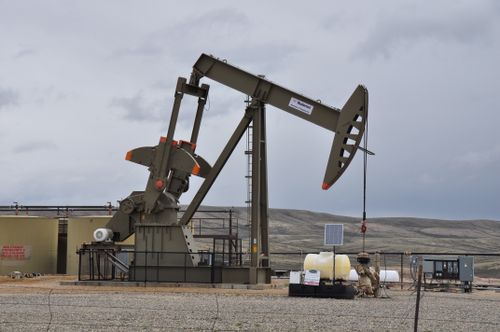
The rally had a clear spark. Reuters reported that U.S. and Iranian officials discussed a phased deal in New York to reopen the Strait of Hormuz, the narrow waterway that carries a large share of the world’s oil. Crude fell on the news: West Texas Intermediate dropped 2.2 percent to about $92.50 a barrel, and Brent slid 2 percent to $104.45, per Investopedia. Cheaper oil eased the inflation fears that had hung over the whole week, and stocks ran with it.
Oil whipsawed all week: it slid early on improving Gulf flows, spiked more than 3 percent intraday on Thursday after a Houthi missile attempt against Saudi Arabia (Brent pushed above $108), then unwound on Friday’s deal news.
Tech led the Friday charge. Microsoft jumped about 4 percent. Meta, which had surged 4.5 percent on Thursday after unveiling new AI products at its Connect event, gave back 3.5 percent on Friday. Akamai rose 3 percent after news that Anthropic signed an $11.6 billion, seven-year cloud computing deal, with an option to expand it by another $9 billion, Investopedia reported. The agreement sent Akamai up 20 percent in premarket trading, a reminder that the AI infrastructure trade still has real money behind it.
Bonds told a tougher story. The 10-year Treasury yield touched 5.225 percent on Thursday, its highest since 2007, before settling around 5.16 to 5.18 percent on Friday, per Investopedia. The 30-year yield hit 5.502 percent on Thursday, its highest since 2004, according to mettisglobal. Strong business-survey data and a soft $70 billion five-year note auction pushed yields higher midweek, Catenaa reported. For context, the average yield across major government bonds now sits just shy of 4 percent, the highest since 2007.
Gold could not catch a break. It closed Friday at $4,326.80, up 0.67 percent on the day, but lost about 1.5 percent on the week after touching roughly $4,400 on September 18. Yields above 5 percent and a two-month-high dollar kept a lid on bullion, according to TradingNews. The fear gauge behaved itself: the VIX fell 5.24 percent to 14.85, while the small-cap Russell 2000 edged up 0.07 percent to 2,837.55, per VistaP Global.
Overseas, Europe joined the rally. The STOXX 600 rose 0.7 percent Friday to 640.66, its first weekly gain after three straight losses, with Germany’s DAX up 0.6 percent, Reuters reported. German consumer sentiment weakened more than expected heading into October, a reminder that the continent’s recovery is still fragile. Asia was mixed but strong where it counted: South Korea’s KOSPI jumped 5.44 percent on AI and semiconductor strength, with Korean chip shipments up 259.4 percent year over year in early September; Japan’s Nikkei rose 3.82 percent to close at 65,749.60; Shanghai added 0.33 percent in a holiday-shortened week; Hong Kong’s Hang Seng slipped 0.97 percent, per SKN Finance.
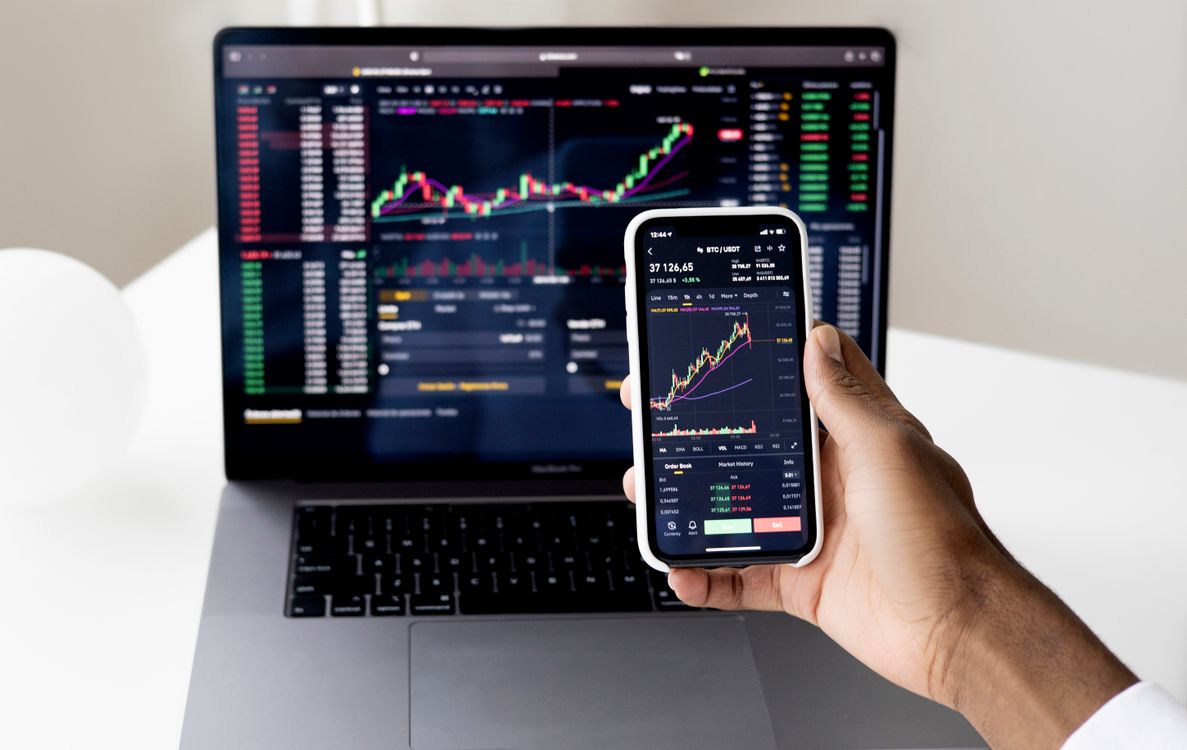
Crypto had its own green week. Ethereum traded around $2,717 on Friday, up about 2.4 percent on the day and roughly 10 percent on the week, as U.S. spot Ethereum ETFs drew inflows in all four sessions from September 21 to 24, totaling more than $600 million, according to SoSoValue data cited by FXStreet. The SEC’s proposed new crypto capital framework, unveiled September 23, gave the sector a regulatory tailwind, FX Leaders reported.
So what did the week actually teach? That the market’s mood now turns on two things: the price of oil and the price of money. When oil fell, stocks rose. When yields spiked, everything wobbled. The two forces pulled in opposite directions all week, and on Friday, oil won.
Next week brings the tiebreaker: Wednesday’s inflation report and Friday’s jobs data will decide whether this rally was the start of something or just a breather.