
Every decade or so, the business world gets a new engine — the steam engine, the assembly line, the internet. Right now, that engine is artificial intelligence, and this week one of tech’s oldest players proved it can still learn new tricks. Oracle — the database giant your dad’s company probably ran on — just posted a quarter that made Wall Street sit up and take notice.
I’ll be honest: Oracle was never the cool kid. In the nineties and two-thousands, while flashier tech companies grabbed magazine covers, Oracle was the reliable engine room — unglamorous, essential, humming along in the background of corporate America. Larry Ellison’s company sold databases the way my uncle sold insurance: steadily, relentlessly, without much concern for being loved. So there’s something genuinely heartwarming about watching this old workhorse catch the AI wave and ride it like it was born for it.
The numbers: a genuine blowout
The fiscal first-quarter numbers were strong across the board. Adjusted earnings per share came in at $1.92, comfortably ahead of the $1.75 analysts expected. Revenue hit $19.45 billion — up 30% from a year ago — beating the $19.13 billion consensus. But the number that really stood out was cloud revenue: $11.6 billion, up a staggering 62% year over year. Sixty-two percent. For a company Oracle’s size, that’s not growth — that’s a transformation.
The market responded the way markets do when they’re delighted: Oracle shares surged roughly 6 to 7 percent in premarket trading. And the excitement spilled over — Nvidia, the chipmaker at the very heart of the AI boom, rose about 1% in sympathy, as if the whole AI supply chain was lifting together.
Then came the guidance, which is where companies tell you what they’re planning next. Oracle said fiscal 2027 revenue will be at least $90 billion, ahead of the $89.66 billion consensus. Adjusted earnings per share guidance of $8.10 also topped the $8.07 analysts expected. Beating the quarter is nice. Beating the quarter and raising the bar for next year is how you win the room.
Why this quarter matters beyond Oracle
It’s not enough to just cheer a good earnings report and move on. Oracle’s quarter is a signal flare for the biggest investment story of our time: the AI buildout. For months, skeptics have been asking the uncomfortable question — is all this spending on AI infrastructure actually turning into revenue, or is it a bubble built on promises? Oracle just gave one of the clearest answers yet: the revenue is real, it’s growing at 62% in the cloud, and it’s accelerating.
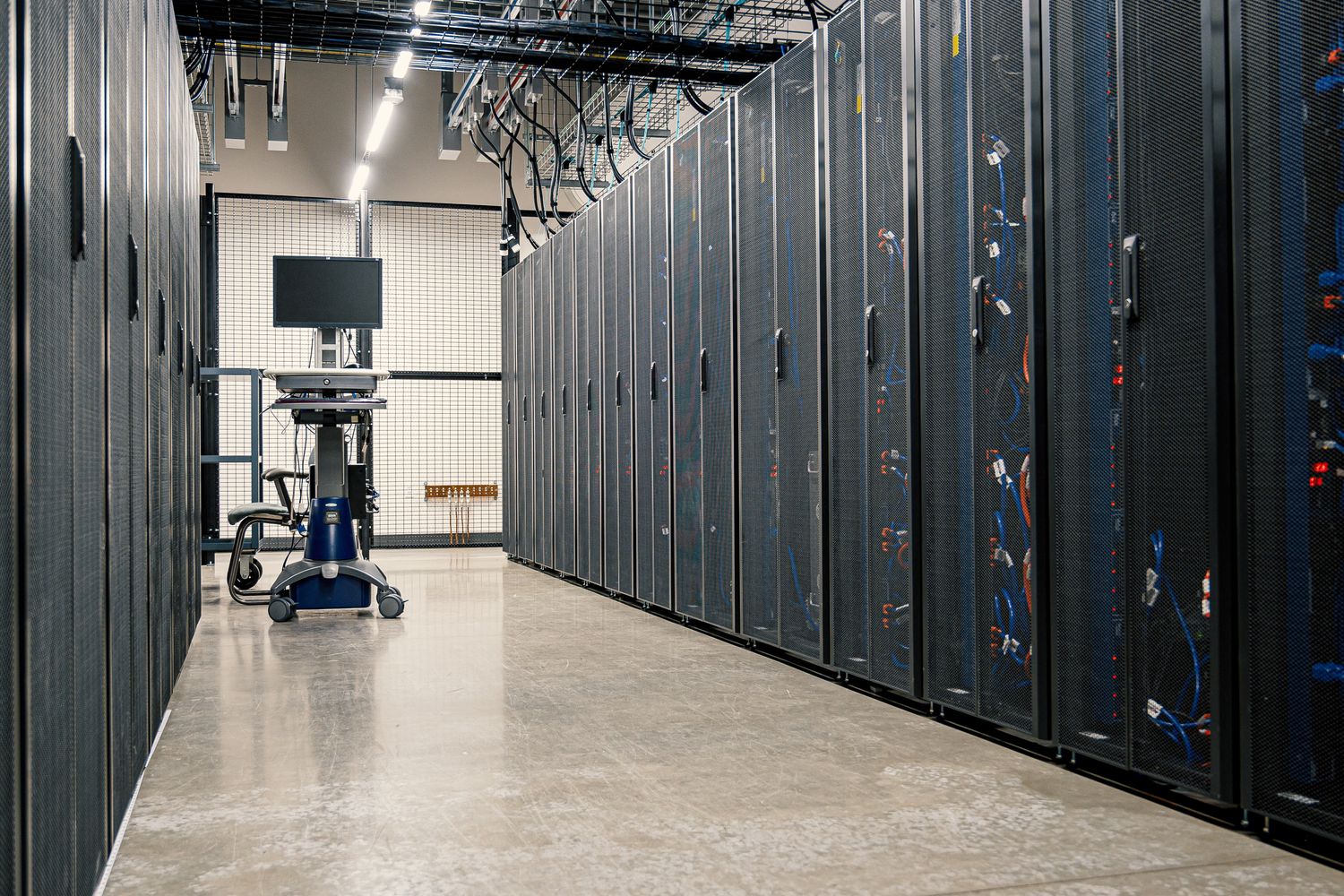
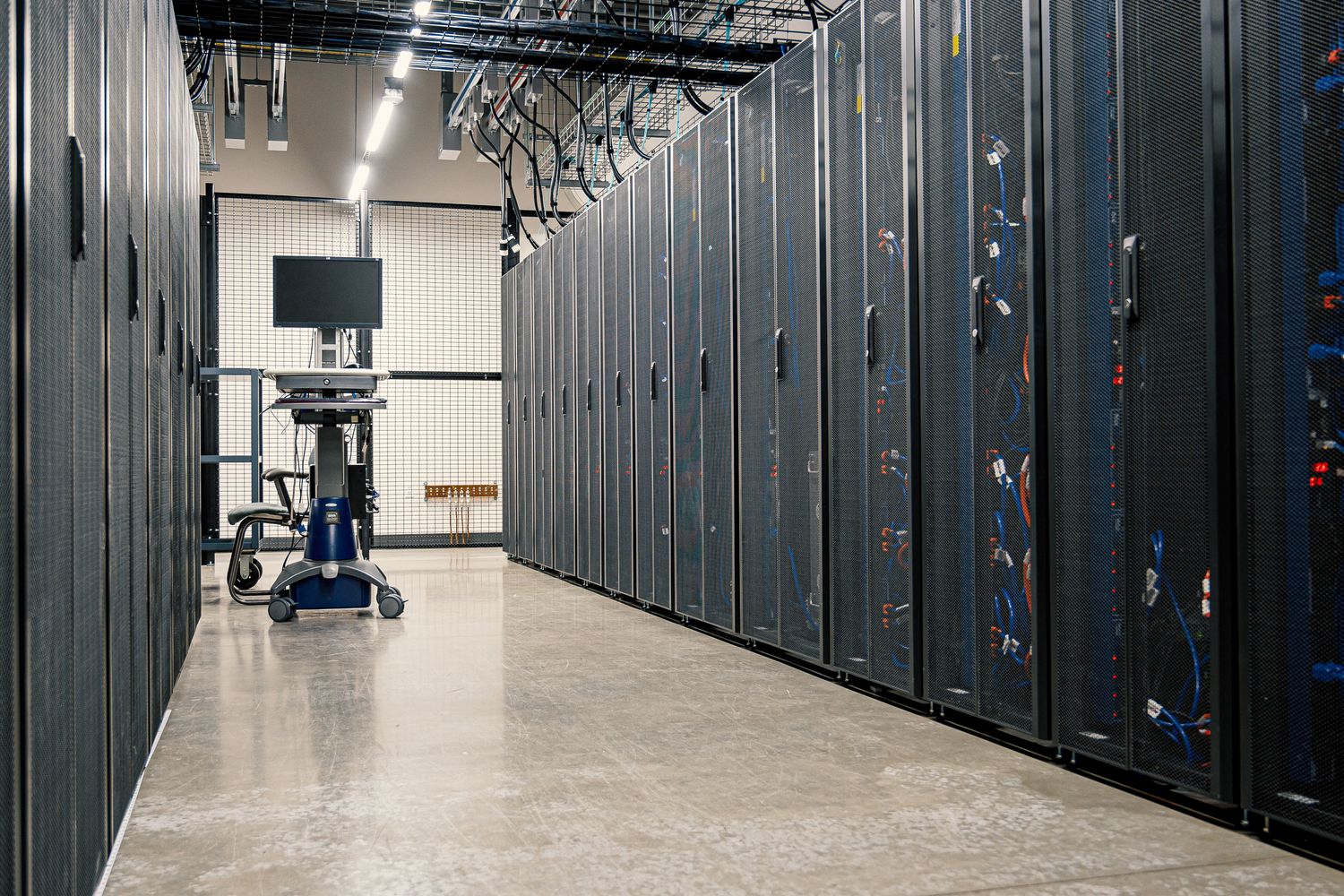
Think about what that means. Every company racing to build AI products needs three things: chips (that’s Nvidia), cloud computing power to run the models, and data infrastructure to feed them. Oracle is selling the picks and shovels of the AI gold rush — and business is booming. When the company that sells the shovels reports 62% cloud growth, it tells you the gold rush is still very much on.
This matters for all of us, not just shareholders. The AI buildout is creating jobs — data center construction workers, engineers, electricians, the whole supply chain. It’s driving investment into communities that host these massive facilities. And it’s funding the research that will eventually show up in the tools we all use: better medical diagnostics, smarter logistics, the quiet improvements that make life a little easier in ways we barely notice.
The old dog, the new tricks, and the lesson for the rest of us
There’s a deeper story here that I find genuinely moving. Oracle is nearly fifty years old — ancient by tech standards. It survived the dot-com bust, the cloud revolution that was supposed to kill it, and a decade of being called a dinosaur. And now it’s posting 62% cloud growth and guiding above consensus into a $90 billion year. The dinosaur learned to fly.
It’s not enough to just admire the comeback from a distance. There’s a lesson in it for every person and every community that feels left behind by the speed of change. The lesson is that reinvention is always possible — that being unglamorous and steady for decades can be the foundation for a spectacular second act. Oracle didn’t try to become a different company; it became a better version of itself, aimed at the future.
I think about the small business owners in my neighborhood — the print shop that learned web design, the bakery that started shipping nationwide, the tailor who started altering clothes for film productions. None of them chased trends. They listened to where the world was going and brought their craft along. That’s exactly what Oracle did with the cloud and AI. The tools are new, but the craftsman’s hands are the same.
A note of honest caution
Now, because I owe you honesty along with the hope: the AI trade has gotten expensive, and expectations are sky-high. When a stock jumps 6 to 7 percent on good news, some of that is genuine enthusiasm and some of it is momentum — the market’s version of a crowd getting carried away. Valuations across the AI complex assume years of spectacular growth ahead. Oracle delivered this quarter. The question, as always, is whether anyone can keep delivering at this pace without stumbling.
That’s not a reason for despair — it’s a reason for clear eyes. The difference between a lasting technological revolution and a bubble is whether the revenues eventually justify the excitement. Oracle’s $11.6 billion in cloud revenue, growing at 62%, is the kind of evidence the revolution needs. But one quarter is one chapter, not the whole story. We’ll need many more quarters like this one before the skeptics are fully converted.
Why it belongs to all of us
Here’s where I want to land, because this is what I always come back to. The AI story is usually told as a tale of billionaires and server farms — distant, abstract, belonging to someone else. But technology revolutions have always belonged, in the end, to communities. The internet belonged to kids in dorm rooms, not just telecom giants. And AI — for all its trillion-dollar price tags — will belong to the teachers who use it to reach struggling students, the small clinics that use it to catch diseases earlier, the young founders who use it to prototype ideas they could never have afforded to build before.
Oracle’s quarter is a reminder that the future is being built right now, by companies old and new, and that the buildout is creating real revenue, real jobs, and real possibility. It’s not enough to just watch the AI story unfold on a stock ticker. We have to ask how our communities get a share in the story — how the benefits reach beyond the shareholders to the neighborhoods, the schools, the clinics, the kids with big ideas and old laptops.
The old workhorse is running like a thoroughbred. The cloud business is accelerating. And somewhere out there, the next chapter is being written — maybe by you.
Take care of each other out there.