
The biggest corporate story of the week did not involve a household name. It involved a 27-year-old internet infrastructure company, a frontier AI lab, and a bet that the next phase of the artificial intelligence boom will run not on Nvidia’s famous graphics chips, but on the humble CPU.
Akamai Technologies announced late Thursday that Anthropic will pay it $11.6 billion over seven years for cloud infrastructure, the largest deal in Akamai’s history and more than six times the size of a $1.8 billion arrangement between the two companies that Bloomberg reported in May, according to TechCrunch. Akamai shares surged roughly 20% in after-hours trading Thursday, then rose another 5% to 8% on Friday to around $119, leaving the stock up nearly 40% from the start of the year. TechCrunch Investopedia
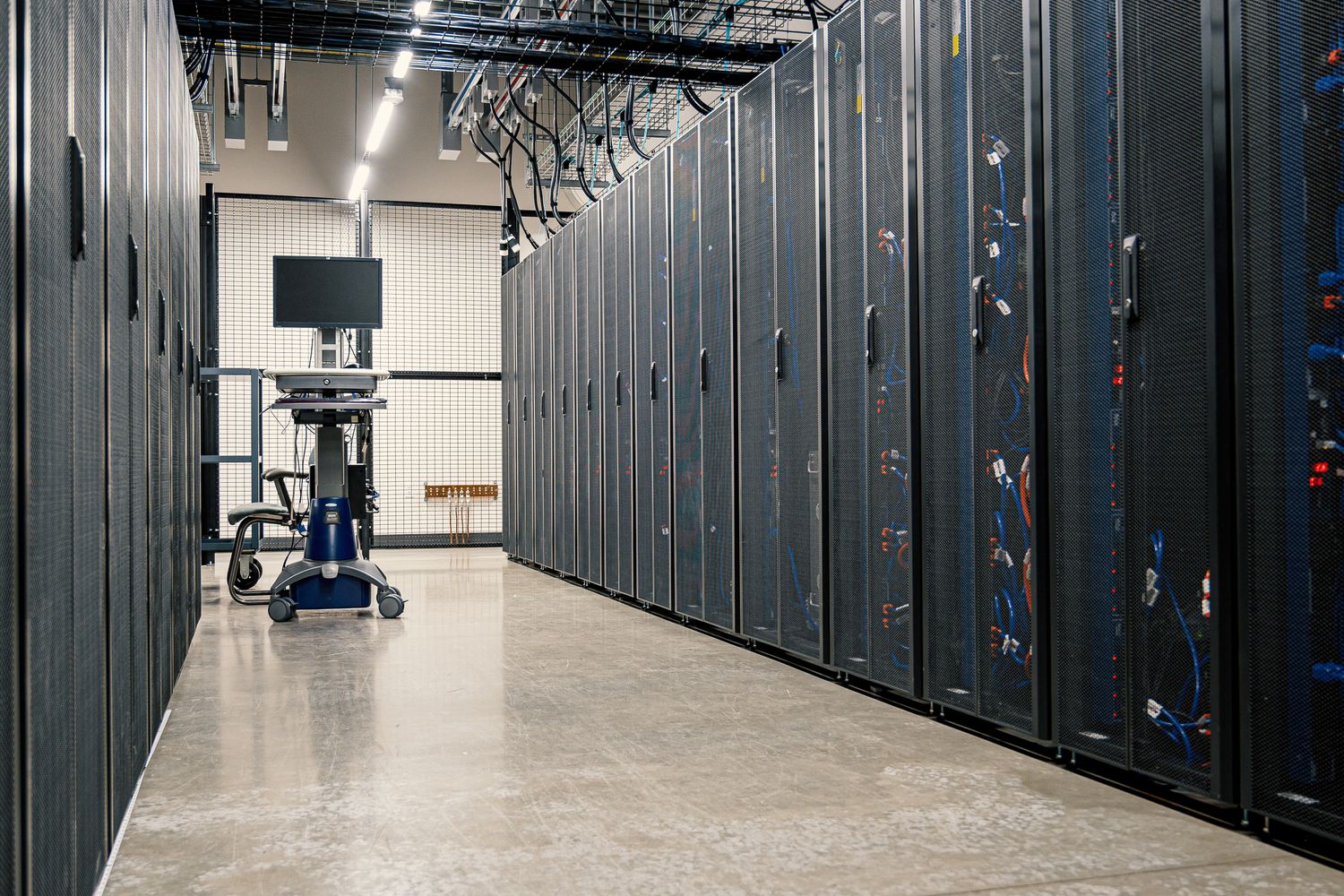
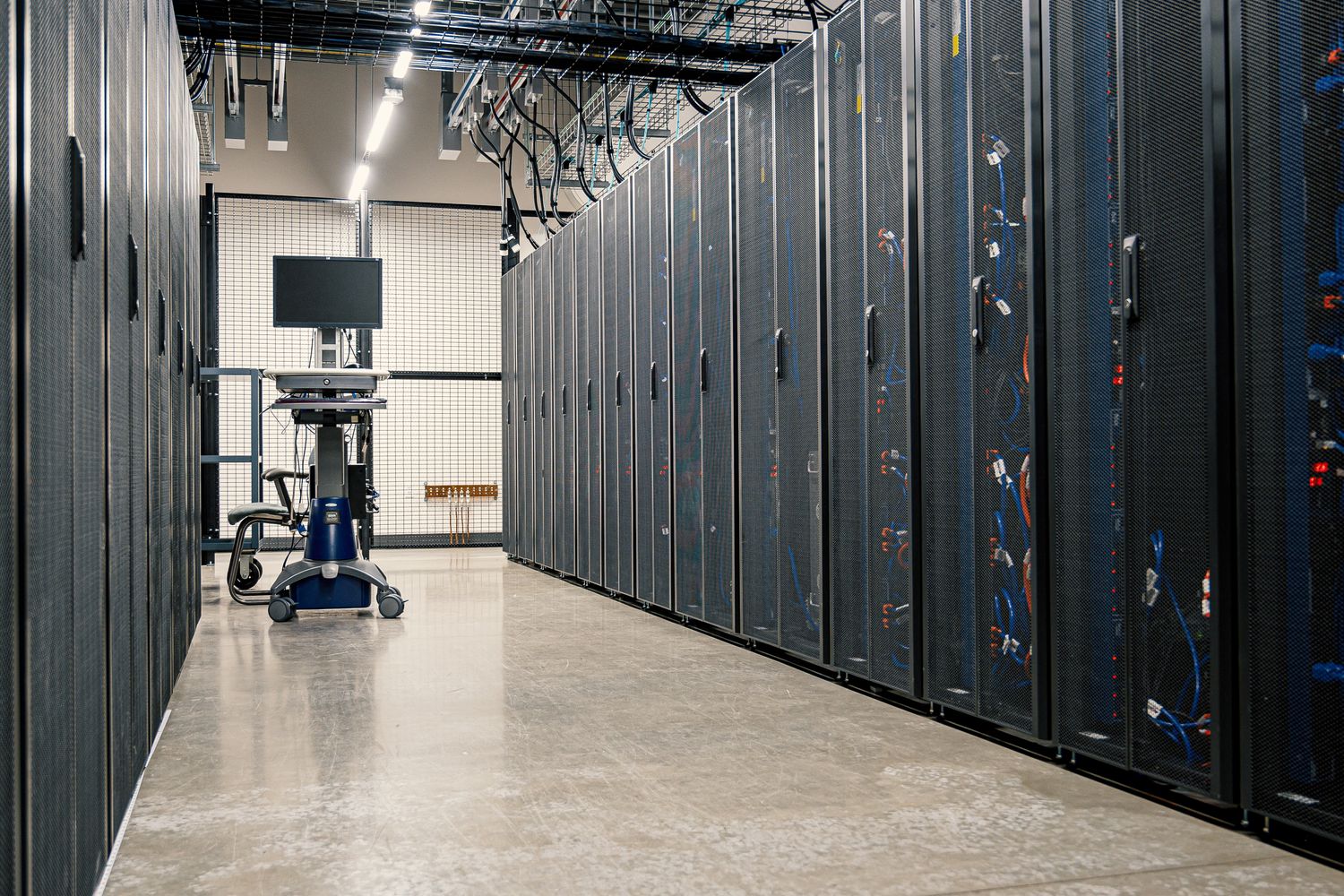
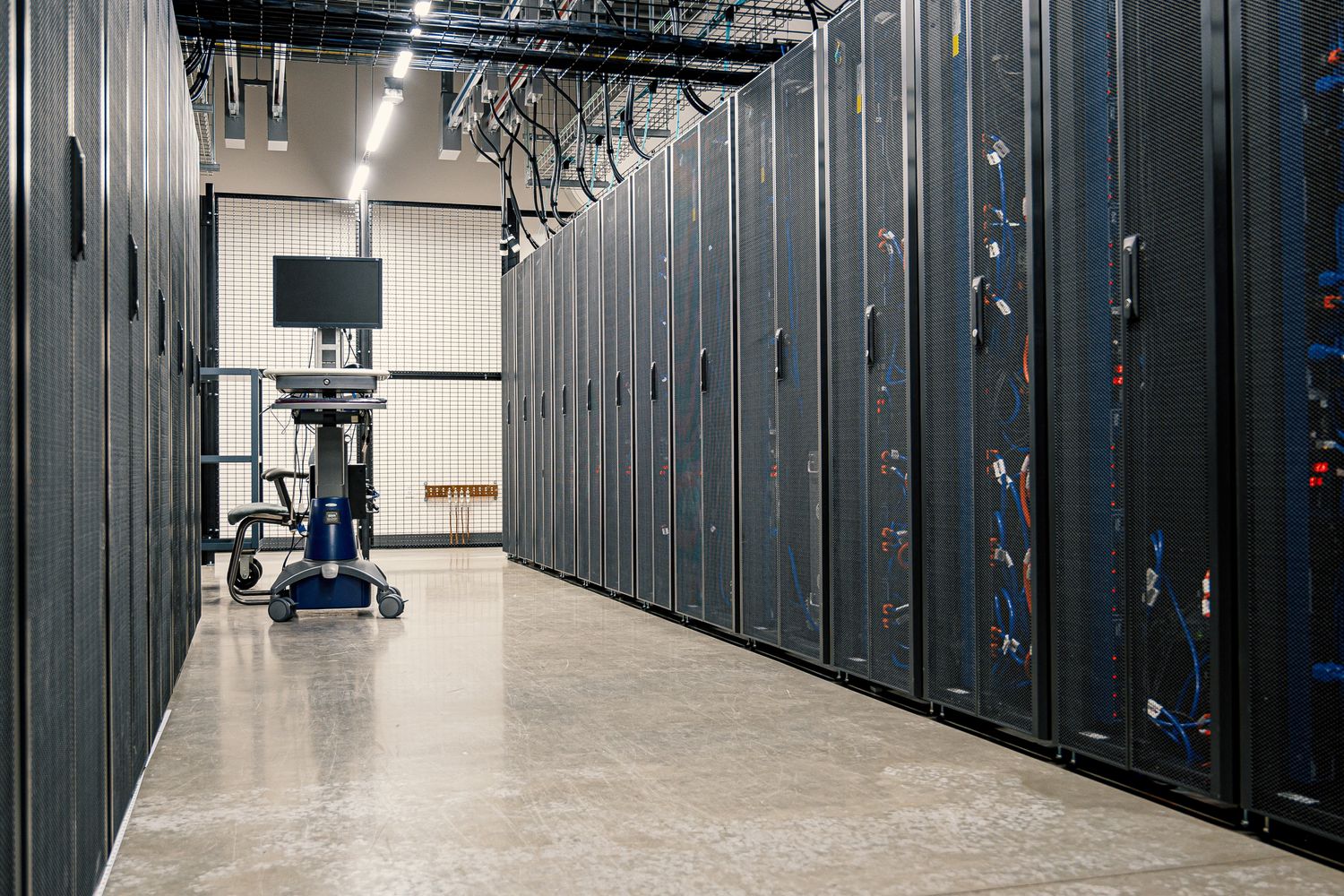
Start with what the deal actually is, because the details matter more than the headline number. Anthropic, the maker of the Claude family of AI models, will use Akamai’s distributed cloud platform to support what Akamai calls its “accelerating CPU workload demands.” CPUs are the general-purpose chips that handle work like running code and browsing the web. Demand for them has grown as AI agents take on more tasks, TechCrunch reported. Anthropic is expected to use the capacity largely for AI inferencing, the work of running trained models to handle business workloads, rather than training new models, according to analysts cited by Investor’s Business Daily. IBD
That distinction is the whole story. Training a frontier AI model requires Nvidia’s accelerators. Running millions of AI agents answering questions, writing code, and browsing the web for businesses is a different job, and the industry is discovering it may be a CPU job. “We believe CPUs are more power-efficient and cost less to acquire and deploy than GPUs, which should drive higher margins,” Raymond James analyst Frank Louthan wrote in a report cited by IBD. It is unclear whether Akamai will deploy AMD or Intel processors, or both. But the signal to the market is unmistakable: the AI buildout is broadening beyond the Nvidia supply chain. IBD
Now the fine print, because $11.6 billion deserves scrutiny. The commitment is not ironclad. According to Akamai’s securities filing, it depends on Akamai meeting certain delivery and service-availability requirements, and either company can end the agreement under certain conditions, TechCrunch reported. Akamai will see no revenue from the deal this year. Executives said on an investor call Thursday that they expect $150 million to $300 million in 2027, starting in the second half, with revenue reaching an annual pace of about $1.7 billion by the end of 2028. TechCrunch
Building the capacity will cost real money first. Akamai expects about $5.5 billion in capital expenditures tied to the commitment, including roughly $1.6 billion to $1.7 billion in 2026 to buy components such as memory in advance. On Friday, Akamai also announced a master agreement with Lenovo Global Technologies for hardware, software, and related services, and a build request with contract manufacturer Jabil, the supply-chain scaffolding for the buildout. “Anthropic is advancing the AI revolution and we are thrilled they chose Akamai’s capabilities for building and operating AI infrastructure at scale,” said Tom Leighton, Akamai’s co-founder and CEO. Barron’s
Then there is the warrant, the deal’s most unusual feature. Akamai issued Anthropic a warrant for nonvoting preferred stock convertible into 7.7 million common shares, about 5% of Akamai’s outstanding stock, at $111.33 a share, a package worth roughly $857 million at recent prices. About 2% is expected to vest once Anthropic makes its first payment. The rest unlocks as Anthropic spends more: each additional $3 billion committed unlocks roughly another 1%, which means the deal could grow by as much as $9 billion to about $20 billion in total. Investopedia
Wall Street’s reaction split along a familiar line: excitement about the growth, caution about the concentration. Oppenheimer’s Param Singh, who rates the stock Outperform with a $180 price target, wrote that the agreement “shows that Akamai’s distributed cloud can win frontier AI workloads” and predicted more deals as capacity ramps. Evercore called it a “landmark” deal supporting multiyear revenue reacceleration, with an Outperform rating and $175 target. Guggenheim noted the annual recurring revenue is more than five times Akamai’s 2025 cloud infrastructure revenue of $314 million and 40% of its total $4.2 billion in revenue; it kept a Buy rating and raised its target to $225 from $190. FBN Securities analyst Shebly Seyrafi said the deal “further validates Akamai as a large-scale AI infrastructure provider.” Barron’s
The caution came from JPMorgan, which raised its price target to $167 from $158 but kept a neutral rating, writing that analysts are still looking for “more diversified customer drivers.” The reason: Anthropic now accounts for roughly 93% of the $14.4 billion in new deals Akamai has signed this year. One customer, one thesis. Investopedia
My take, labeled as such: both sides of the analyst split have a point. This is a genuine validation that distributed CPU cloud capacity is becoming strategic AI infrastructure, and it puts Akamai on the map alongside the Nvidia-backed “neoclouds” like CoreWeave and Nebius as a credible competitor for large AI commitments. But a $5.5 billion capital build funded against a single customer’s conditional commitment is a concentrated bet, and the warrant means Anthropic gets equity upside while Akamai takes the construction risk. For the rest of us, the signal is simpler: the AI boom’s second act may be about running the models cheaply, not just training them expensively. The companies that figure out the cheap part could be the next winners.