A decade ago, Advanced Micro Devices was fighting for its corporate life. On Monday, September 21, it briefly became worth more than $1 trillion. Let that sit with you for a moment. A company that was once the scrappy underdog of the chip world, the one you bought because you could not afford the expensive brand, just joined the most exclusive club in global finance.
AMD shares surged about 9.6% on Monday to close at a record $615.52, pushing its market value just over $1 trillion for the first time, according to Reuters. It is only the fourth U.S. chipmaker to reach the milestone, joining Nvidia, Broadcom, and Micron. Data firm CompaniesMarketCap ranked AMD the world’s 16th most valuable company at that reading, and the move capped a five-session advance of roughly 24%, with the stock up about 187% for the year, per TradeSmith figures cited by KuCoin’s market desk.
Now, here is the part that should make you lean in. There was no new product launch on Monday. No blowout earnings report. No major contract announcement. The market simply decided, in a single session, that the future demand for AMD’s chips is worth $90 billion more than it was on Friday.
Why? The honest answer is a story, and stories move markets faster than spreadsheets.
The story goes like this: Meta’s new AI assistant, Muse, launched on September 8 and quickly became the most-downloaded free iPhone app in the U.S. AI agents like Muse are more CPU-intensive than earlier generative AI tools, because they have to reason, plan, and act across many steps rather than just predict the next word. That thesis, that agentic AI means more demand for processors from companies like AMD, Intel, and Arm, was enough to send the whole sector soaring, as Barron’s noted. Intel jumped roughly 13% on Monday with no company news at all. Arm climbed by double digits. The Philadelphia Semiconductor Index rose about 3%, and the iShares Semiconductor ETF gained more than 4%.
Context makes this even more remarkable. Just one week earlier, the same sector was in a global tech selloff after OpenAI’s Sam Altman and Anthropic’s Dario Amodei called for slowing the development of increasingly powerful AI systems amid concerns about the technology’s risks. Fear one week, euphoria the next, on the same set of companies, with the same factories, the same order books, the same engineers. That whiplash is worth understanding, because it is the market’s personality now: it prices narratives at lightning speed and revises them just as fast.
The numbers underneath the narrative are genuinely enormous. Nvidia, the world’s most valuable publicly traded company, is now worth more than $5 trillion. Nvidia reported a record $96 billion quarter in August. Micron crossed $1,000 a share a week before AMD’s milestone. These are not three separate stories. As one market observer put it, they are three different ways of measuring the same thing: the demand curve for AI compute is not fading.
But here is where I want to slow down and talk to you directly, because this matters for your money whether or not you own a single chip stock.
First, concentration. When a handful of companies swell to these valuations, they drag the entire market with them. The S&P 500 and Nasdaq increasingly rise or fall on the fortunes of a small cluster of names. If your retirement account is in an index fund (and for most of us, that is exactly where it should be), you already own this story, for better and for worse. Monday’s session helped push the Nasdaq to a new record of 27,122, per Morning Brew’s market data. You participated in AMD’s trillion-dollar day without ever placing a trade.
Second, the difference between a milestone and a value. A $1 trillion market cap is a round number that photographs well in headlines. It does not tell you whether the stock is cheap or expensive. AMD now trades near or above the average analyst price target, which means the professionals who study this company full-time think the easy money may already be made. A move built on a narrative, as one analyst cautioned, can reverse quickly. That is not a prediction. It is a reminder that prices and worth are two different things, and they only occasionally agree.
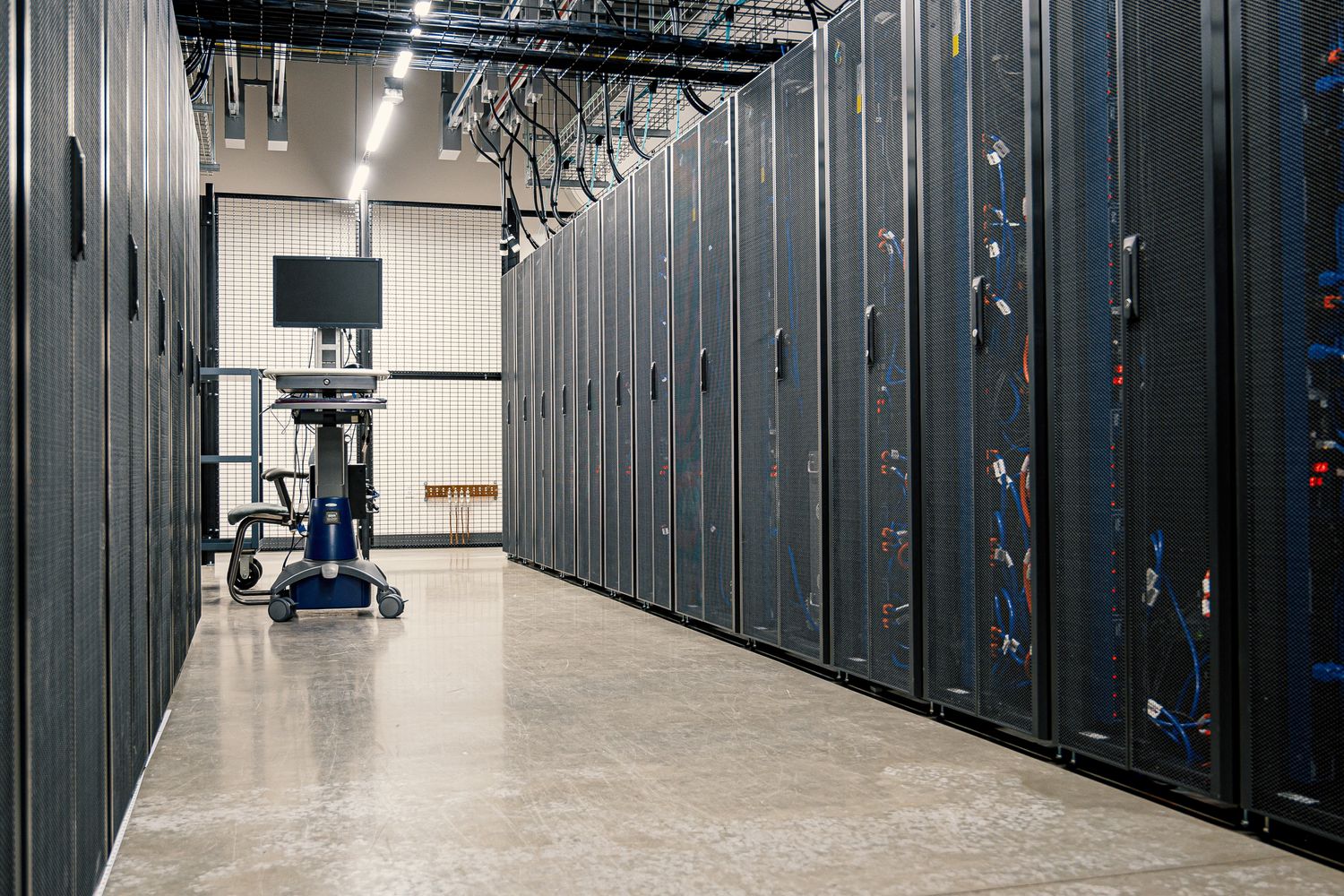
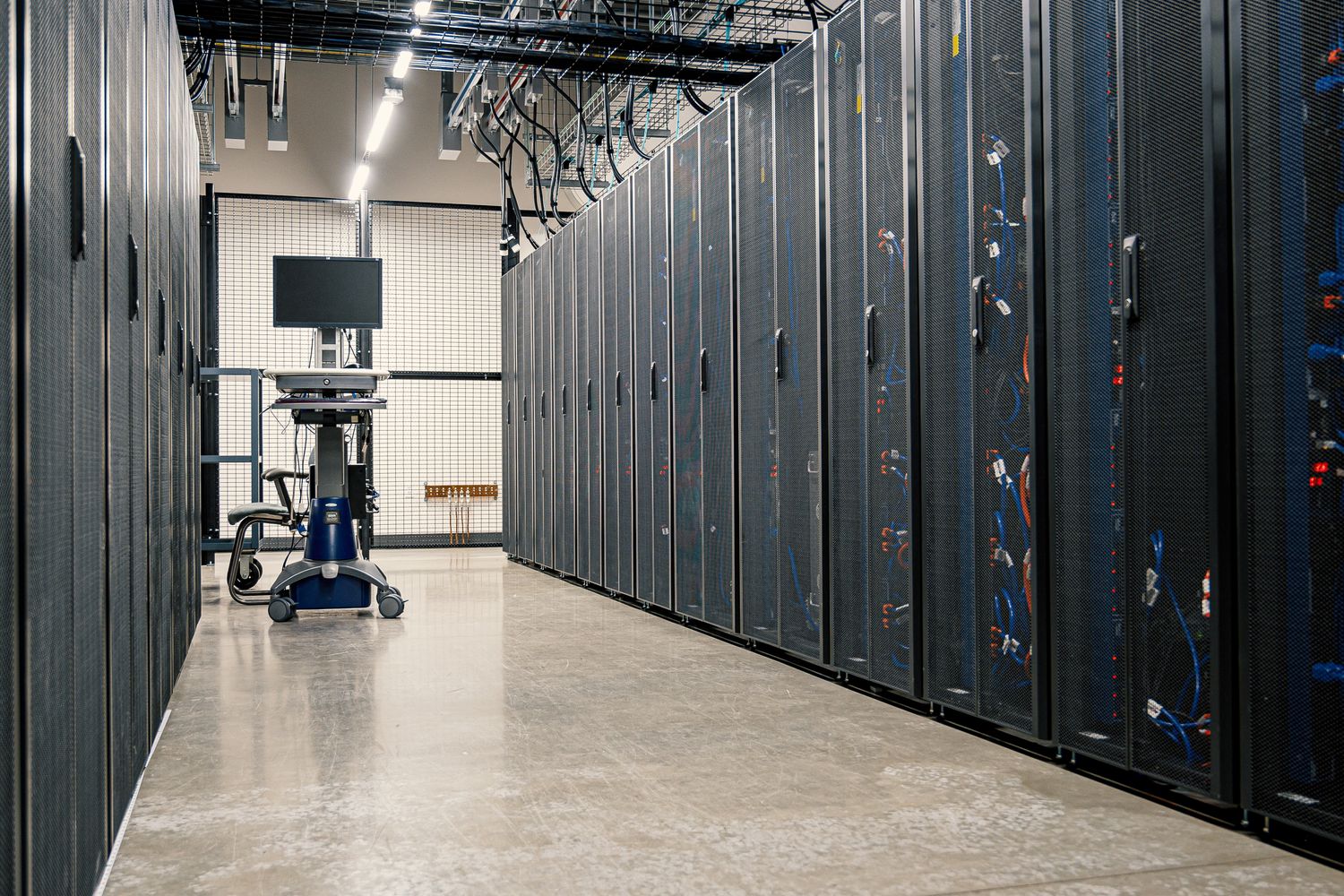
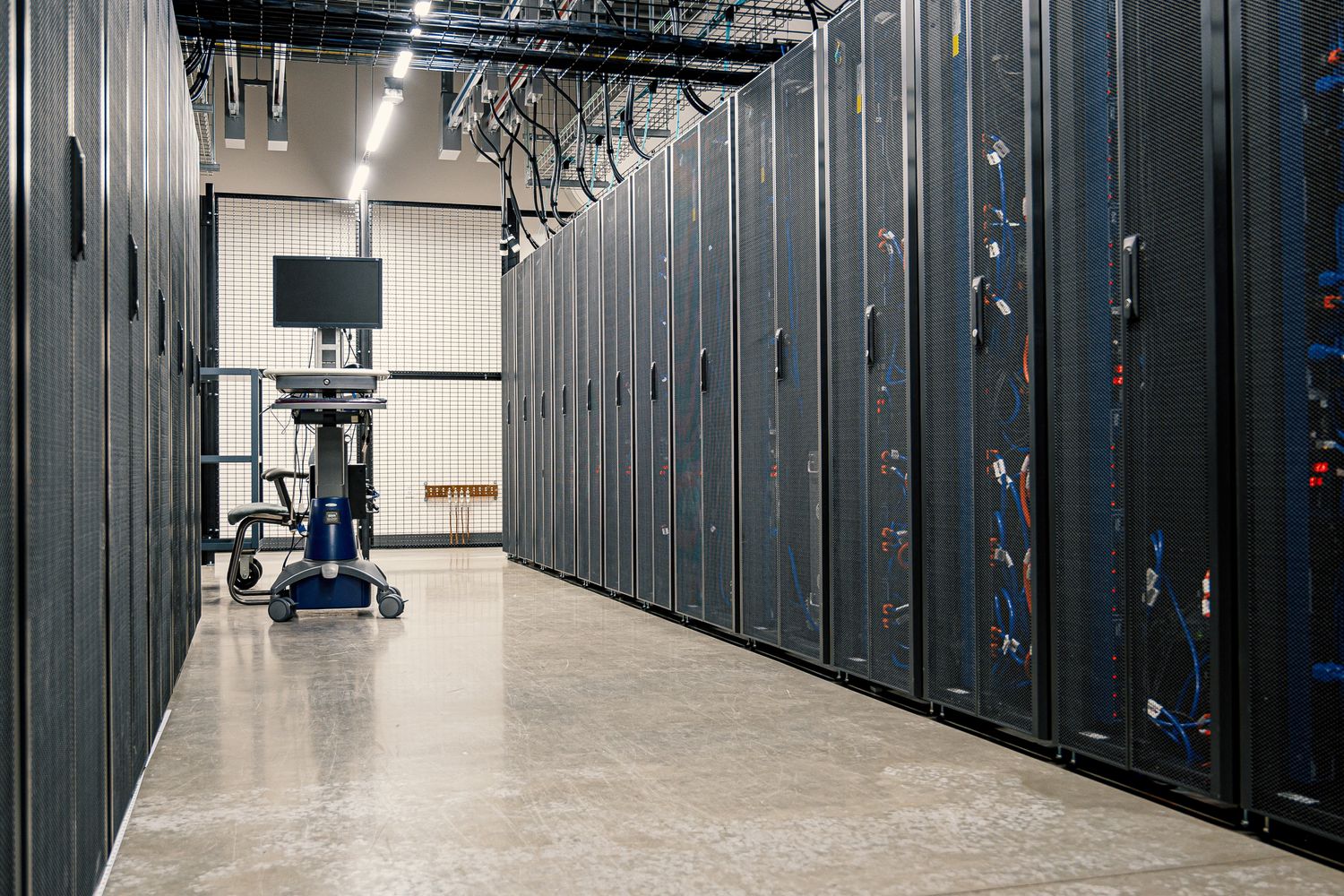
Third, the real economy underneath. Chips are not magic. They are manufactured things, made in extraordinarily expensive factories, sold to companies building data centers, phones, and cars. The AI buildout is a multi-year capital cycle: real concrete, real electricity, real workers. When Crusoe raises $3.9 billion for AI data centers and TSMC breaks ground on an advanced packaging park, that is the physical economy responding to digital demand. The question for AMD’s valuation is whether it can convert AI system wins into durable revenue, not just investor enthusiasm.
So what should a regular saver do with all this? My take, and I label it clearly as my take: do nothing dramatic. If you are diversified, you are already along for the ride. If you are tempted to chase a stock up 187% in a year because it crossed a round number, ask yourself what you know that the market, which just repriced it by $90 billion in a day, does not. The most powerful financial move most of us can make is boring: keep contributing, stay diversified, and let compounding do the work that headlines cannot.
AMD’s journey from near-collapse to $1 trillion is genuinely inspiring. It is a story about second chances, about engineering, about a company that refused to die. Celebrate it. Just do not confuse a great company’s milestone with a great price to buy it. The club has a velvet rope, but the market lets anyone in, and it charges no cover on the way out either.
One final thought for the long haul. The chip cycle has humbled smarter people than you and me, many times over. Booms built on real demand still overshoot, and the stocks that look invincible at the top are often the ones that teach the hardest lessons on the way down. None of that diminishes what AMD accomplished on Monday. It simply means the wisest way to honor a milestone like this is to admire it from the sturdy ground of a diversified plan, not from the thin air of a concentrated bet.