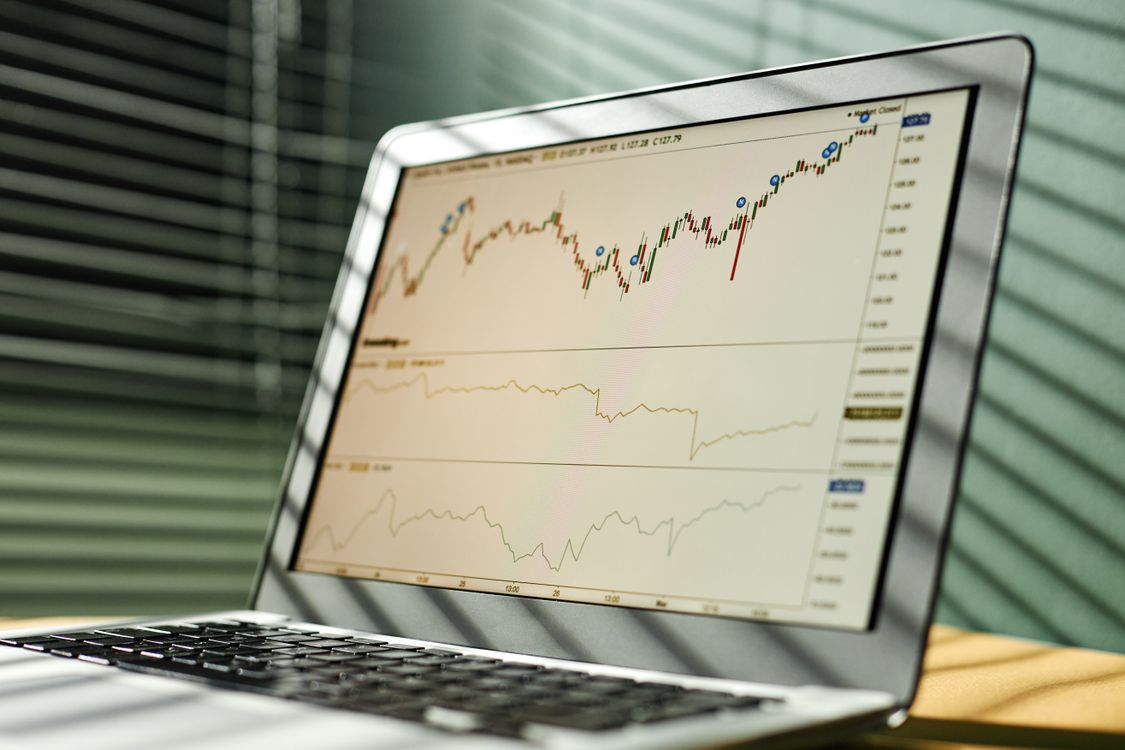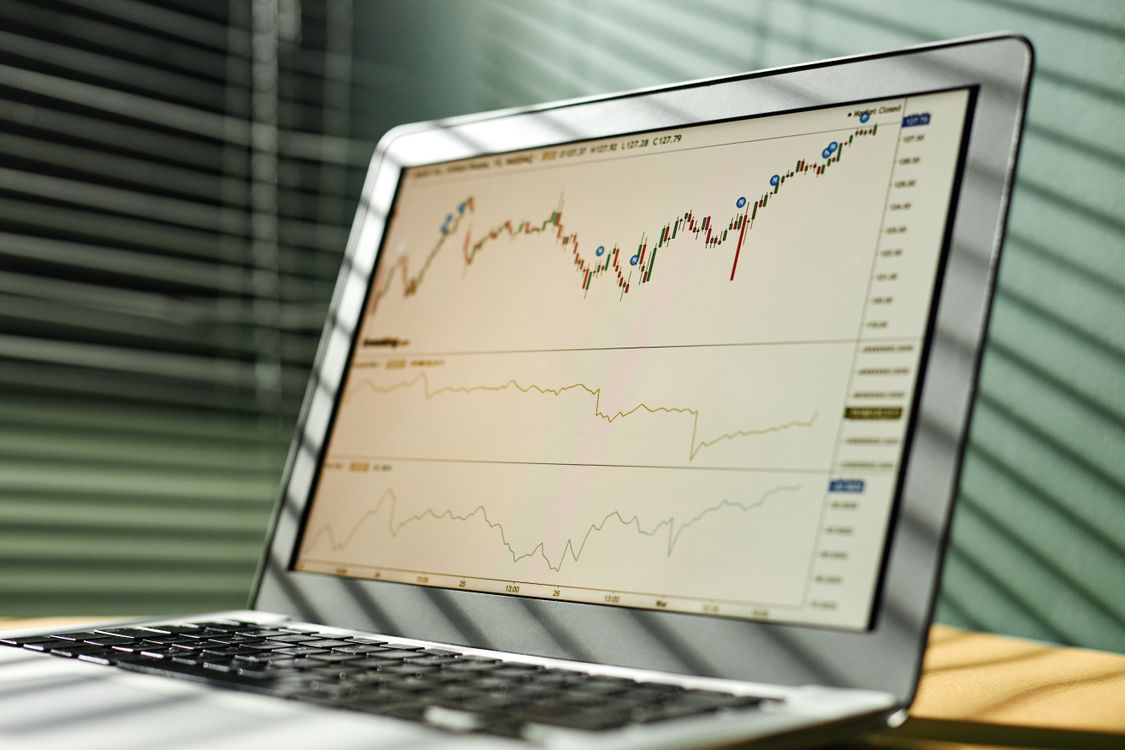

Tuesday’s market gave us one of the purest pictures of how the AI trade actually works. Memory stocks and other AI-related companies rebounded sharply after falling the day before. The Roundhill Memory ETF (DRAM) closed up near 3%, and the broader iShares Semiconductor ETF (SOXX) gained about 1%, after declining more than 3.5% and 2% on Monday, Investopedia reported. If you have never heard of a memory ETF, you are in good company. Most people have never thought about memory chips at all. But they are quietly deciding what your retirement account does.
Let us start at the kitchen table. Every computer has a brain and a notepad. The brain is the processor, the chip that does the calculating. The notepad is memory, the chips that hold information the brain needs right now. For decades, memory was the boring part of computing, a commodity sold by the gigabyte. Then AI arrived, and the notepad became the bottleneck.
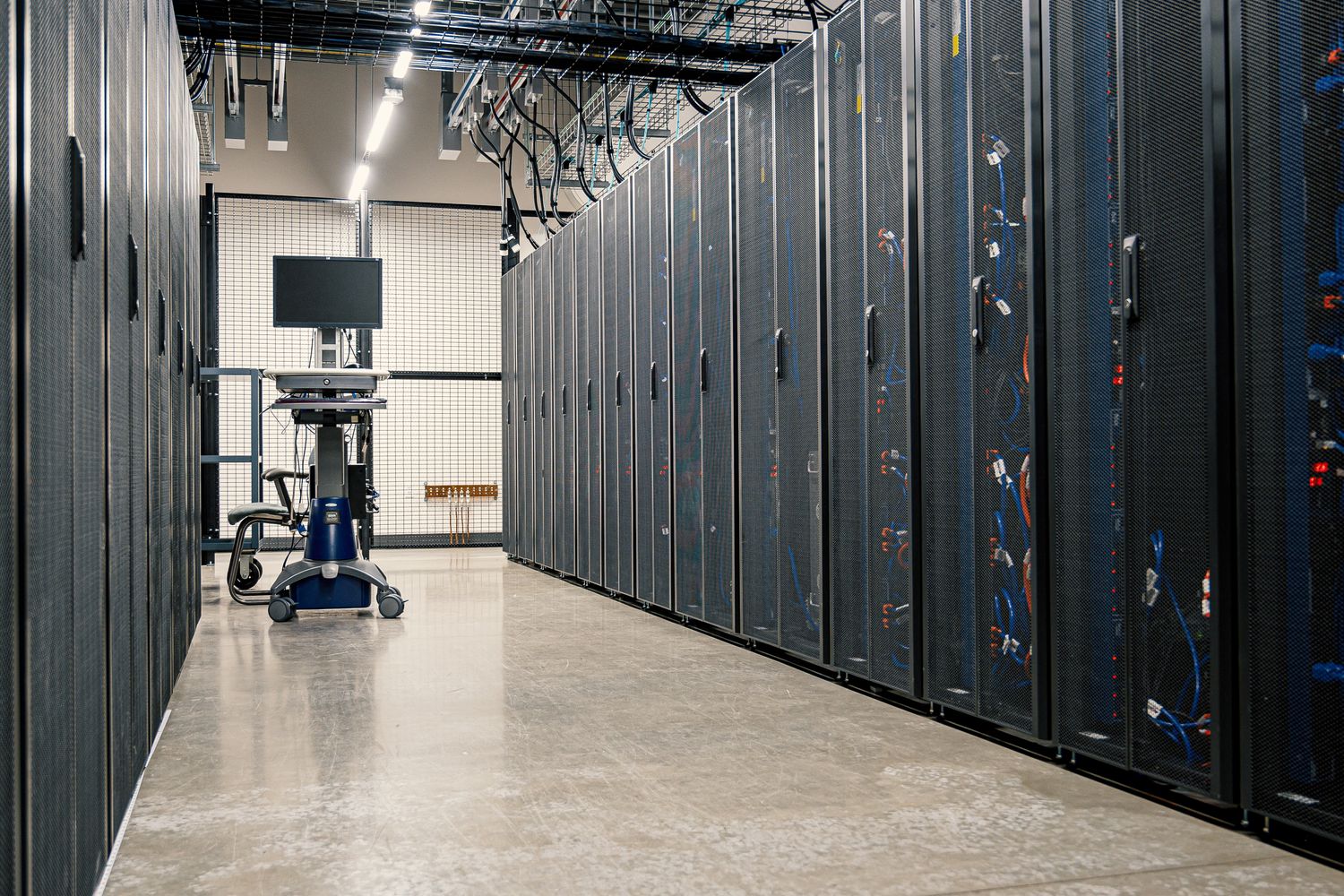
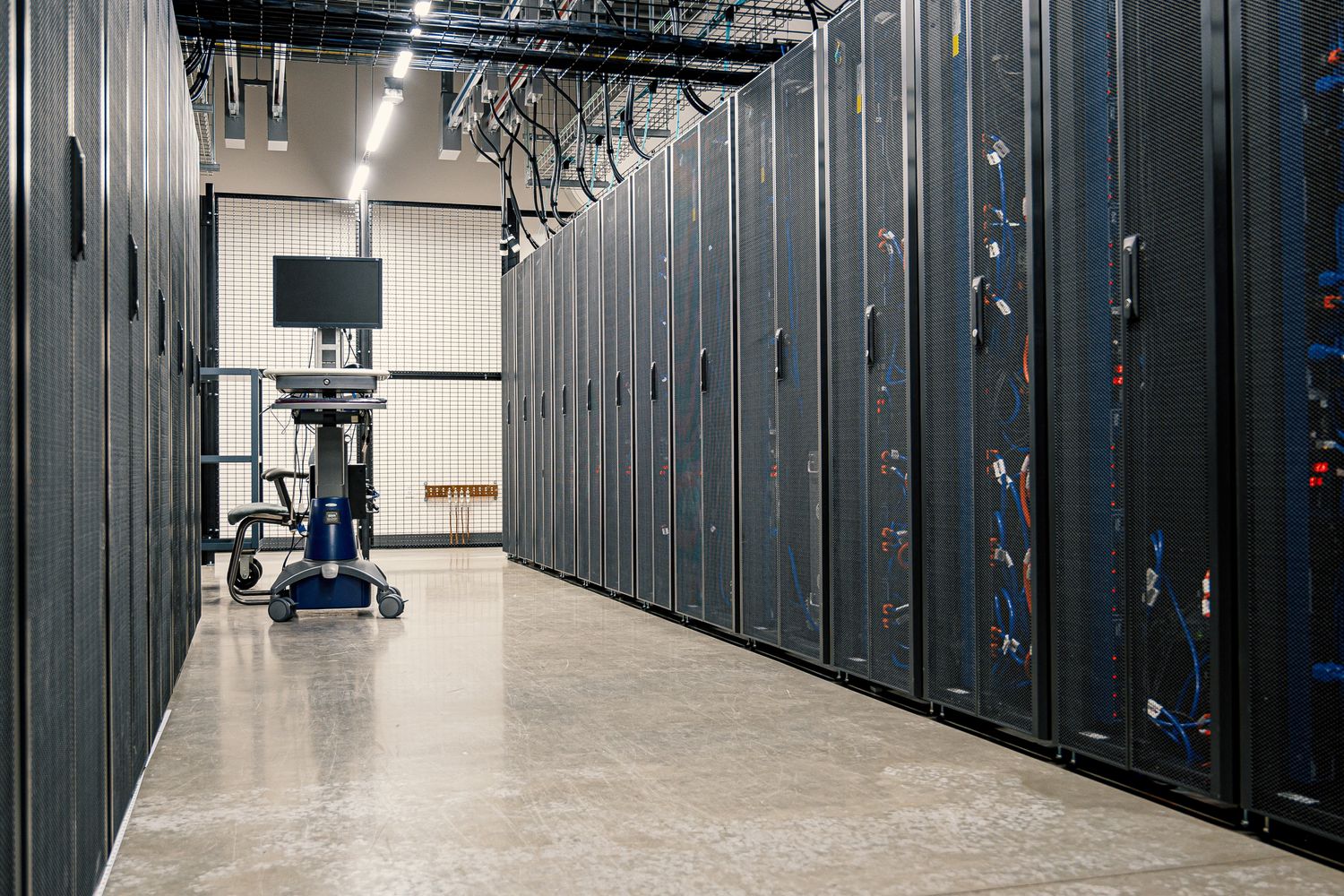
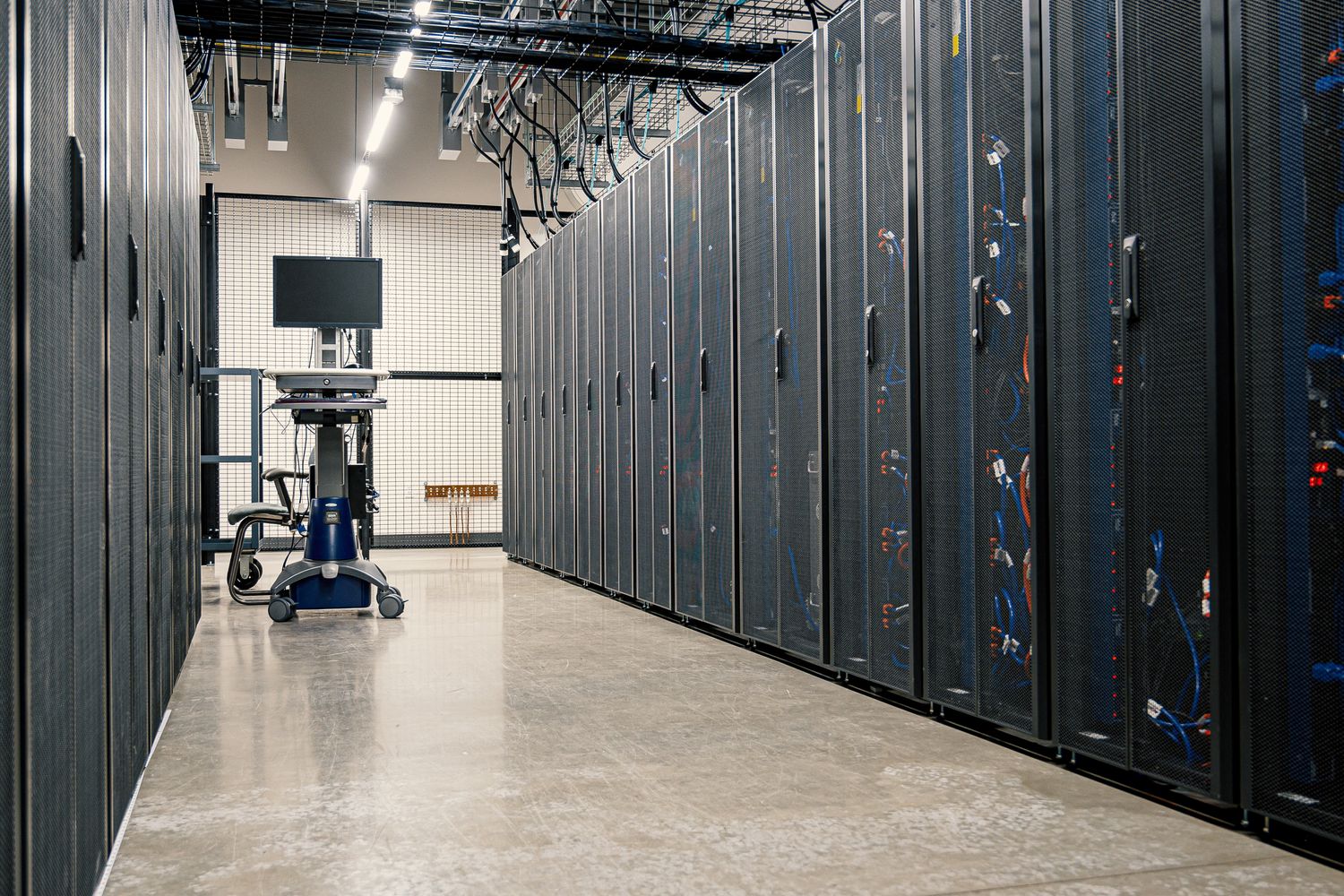
Training a modern AI model means shuttling astronomical amounts of data back and forth between the brain and the notepad, millions of times per second. The faster and bigger the notepad, the faster the training. That is why a handful of memory companies, Micron Technology foremost among them, went from obscure suppliers to the most important stocks nobody could pronounce. High-bandwidth memory, called HBM, is now one of the hottest products on earth because every data center building AI infrastructure needs it by the truckload.
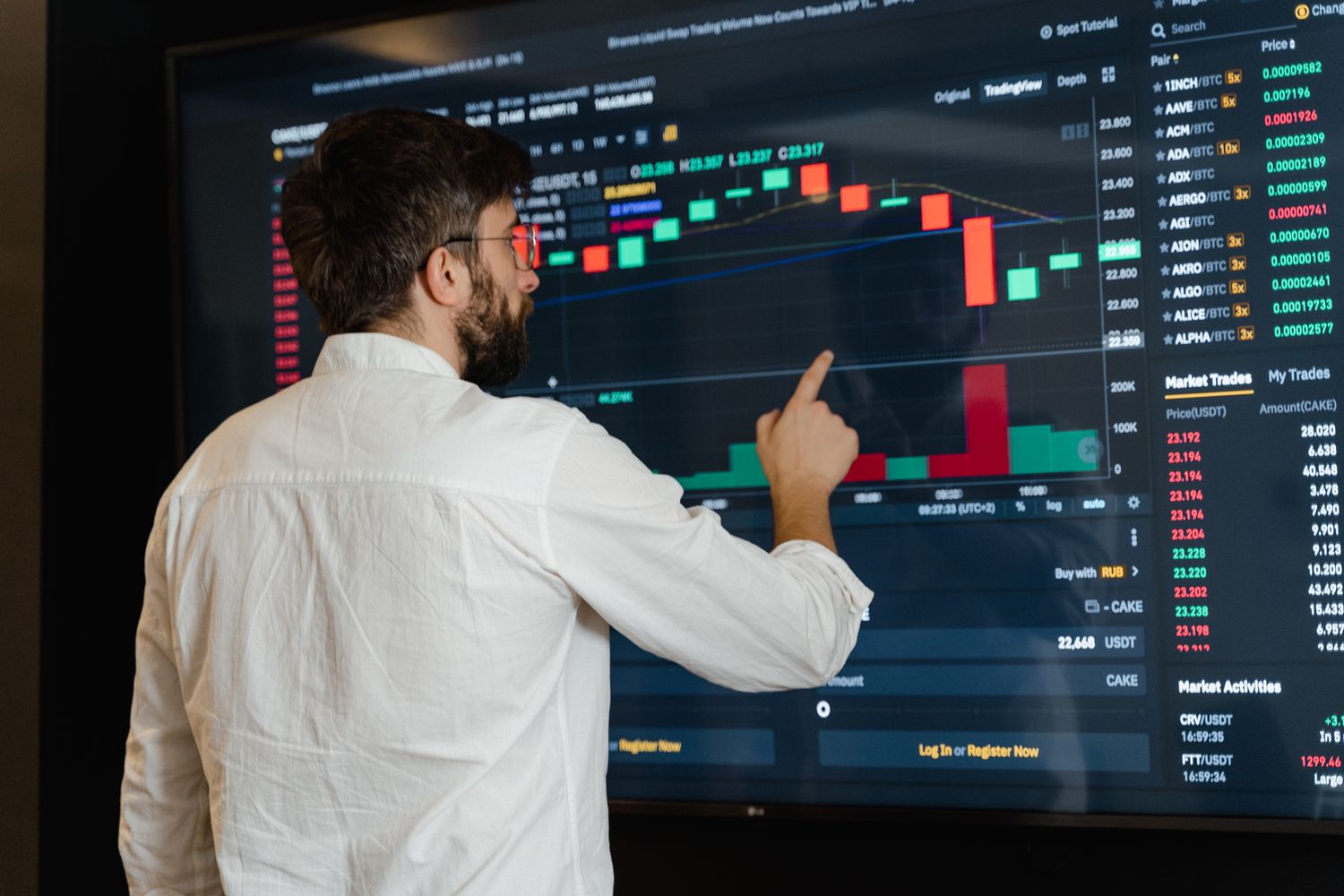
That is also why memory stocks have become the market’s fear gauge for AI spending. Monday’s selloff was driven by fresh worries about whether the trillions pouring into AI infrastructure will ever pay off, and memory stocks took the hit first. They are cyclical by nature: when demand runs hot, prices soar and profits explode; when buyers pause, prices collapse and the stocks get cut in half. Memory investors live with whiplash. Tuesday’s 3% rebound was the other side of that same whiplash, a relief rally before the week’s real test.
The real test lands tomorrow. After the close on Wednesday, Micron Technology reports its fourth-quarter results, and the whole semiconductor sector will be watching, Best Future Trading Platform reported. Micron is not one of the famous AI names, but it has become the market’s temperature gauge for AI investment through the memory chips it supplies to data centers. What the market wants to hear about is demand for HBM memory, pricing trends across DRAM and NAND, whether the company can deliver enough capacity, and what it guides for next quarter. Strong numbers could lift the entire chip sector. Soft guidance could trigger a broader repricing of the AI trade.
There is a bigger reason this matters beyond the stock tickers. Fed Governor Michael Barr said Tuesday that the AI investment boom and high energy prices have “knocked” the central bank “off course,” and that further policy adjustments are likely, Reuters reported. Think about that. The Fed is saying the AI buildout is so enormous that it is measurably pushing up prices across the economy. The chips in Tuesday’s rebound are the same chips the Fed is worried about. When a data center orders a billion dollars of memory, that demand ripples into construction, power grids, wages for engineers, and the cost of capital for everyone else. Your mortgage rate and Micron’s earnings call are connected by the same copper wire.
This is also why the memory trade is so hard to time, and why most of us should not try. The cycle turns on things no retail investor can see: how much memory is sitting in warehouses in Taiwan, what prices big buyers negotiated last quarter, whether a new factory comes online six months early. Monday’s drop and Tuesday’s bounce were both moves on the same uncertainty. The professionals who trade DRAM futures for a living get surprised too. For the rest of us, the lesson is simpler and kinder: the AI story is real, the volatility is the price of admission, and owning a piece of it through a broad fund beats trying to guess which chipmaker reports best on which Wednesday.
So what should you watch for tomorrow? Not the stock price. Watch the words. If Micron talks about demand still outrunning supply and prices holding firm, the AI investment boom has legs. If it talks about customers working through inventories or pricing softening, the boom is catching its breath, and the market will hear it. Either way, listen past the headlines. The memory chip cycle has been running for forty years. It always turns, and the people who panic at the turns are the ones who give their returns to the people who wait.
One more thing worth remembering on a day like this. When the market fell on Monday, the fear was that AI spending was a bubble. When memory stocks bounced on Tuesday, the hope was that it is not. Both moves happened on the same information. The truth is somewhere between, and it arrives one earnings report at a time. Micron’s is next. The 401(k) will feel it either way, and now you know why.