On September 24, the AI boom signed a lease instead of buying a building. Anthropic, one of the leading artificial intelligence labs, committed $11.6 billion to Akamai Technologies over seven years for CPU cloud capacity, a deal that is the largest contract in Akamai’s history. When the news broke, Akamai shares surged 22% in extended trading, and they rose another 3% on Friday, September 25 (LaPost).
It was the kind of announcement that makes a regular investor’s eyes glaze over for about three seconds before the real question lands: what does this have to do with me? Let me walk you through it, because buried inside this deal is a story about where the AI boom is heading next, and how the smartest players are protecting themselves while the money pours in.
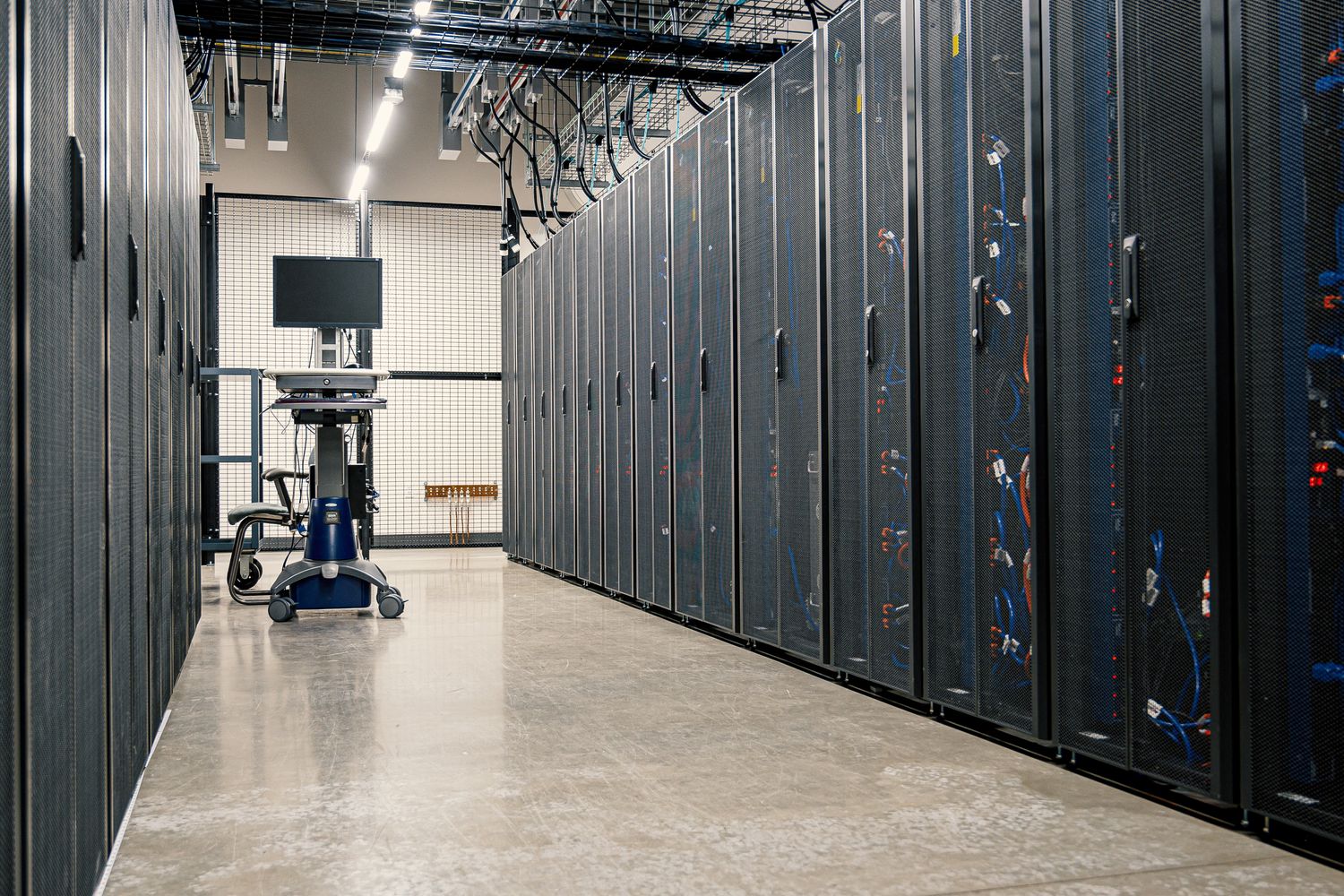
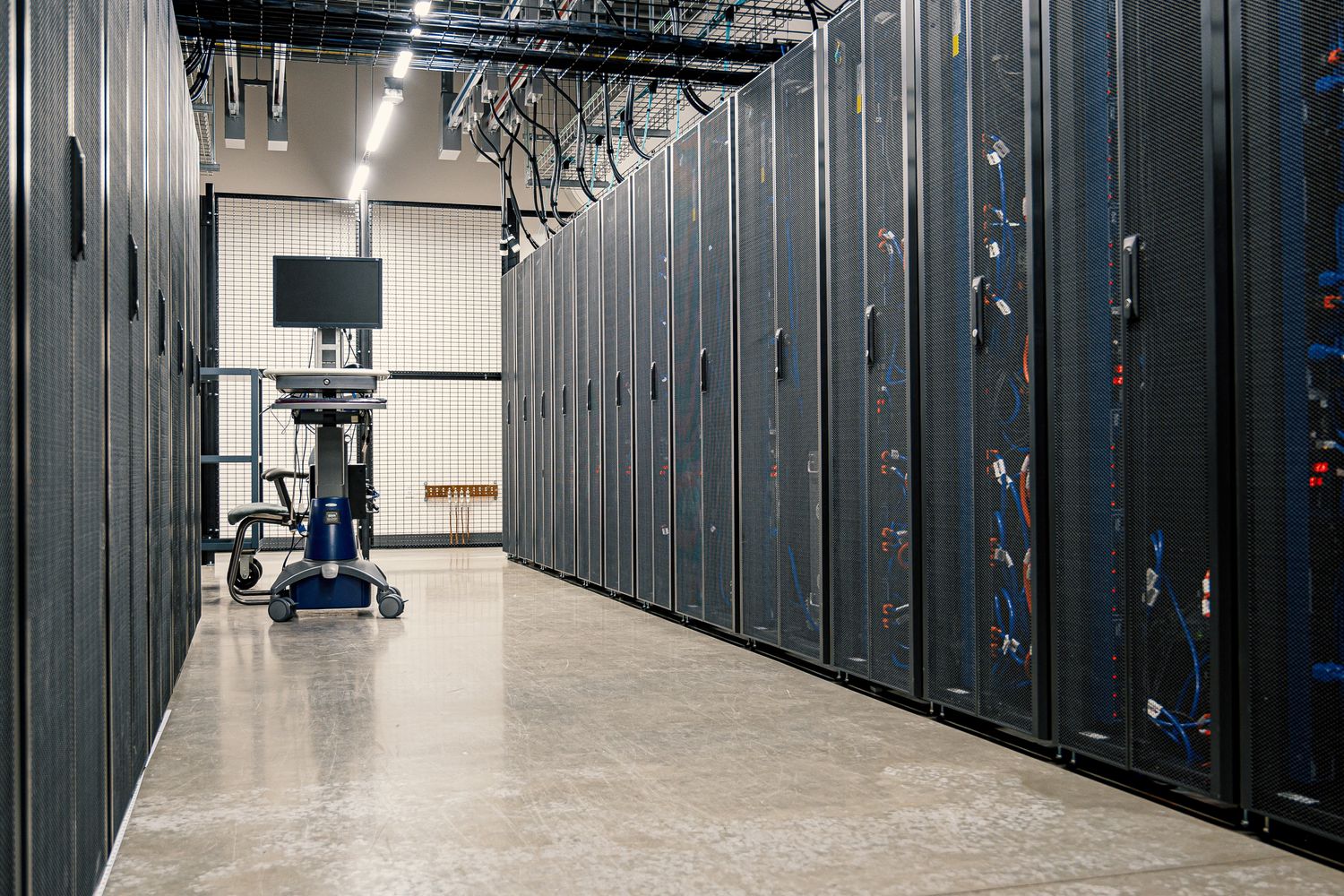
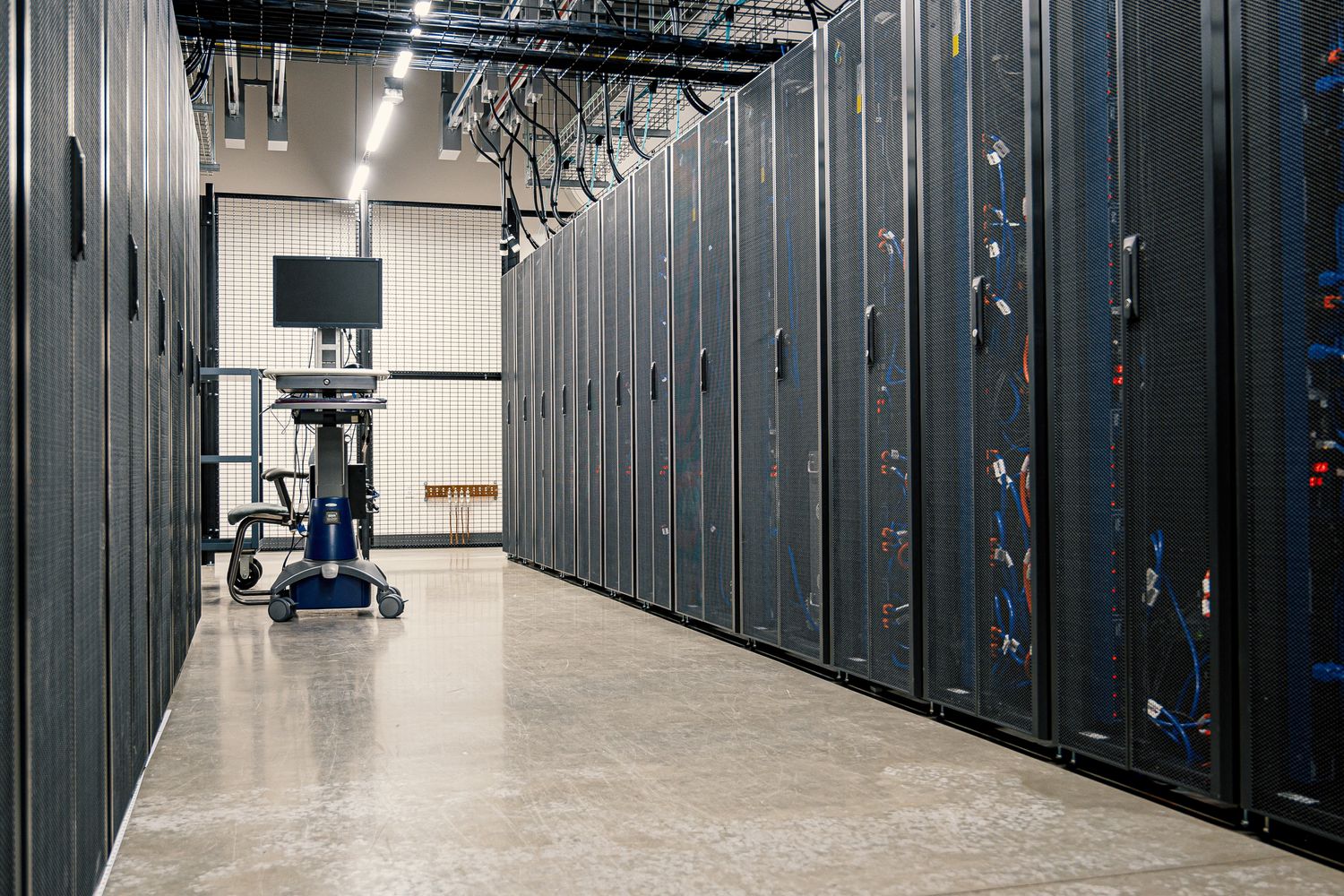
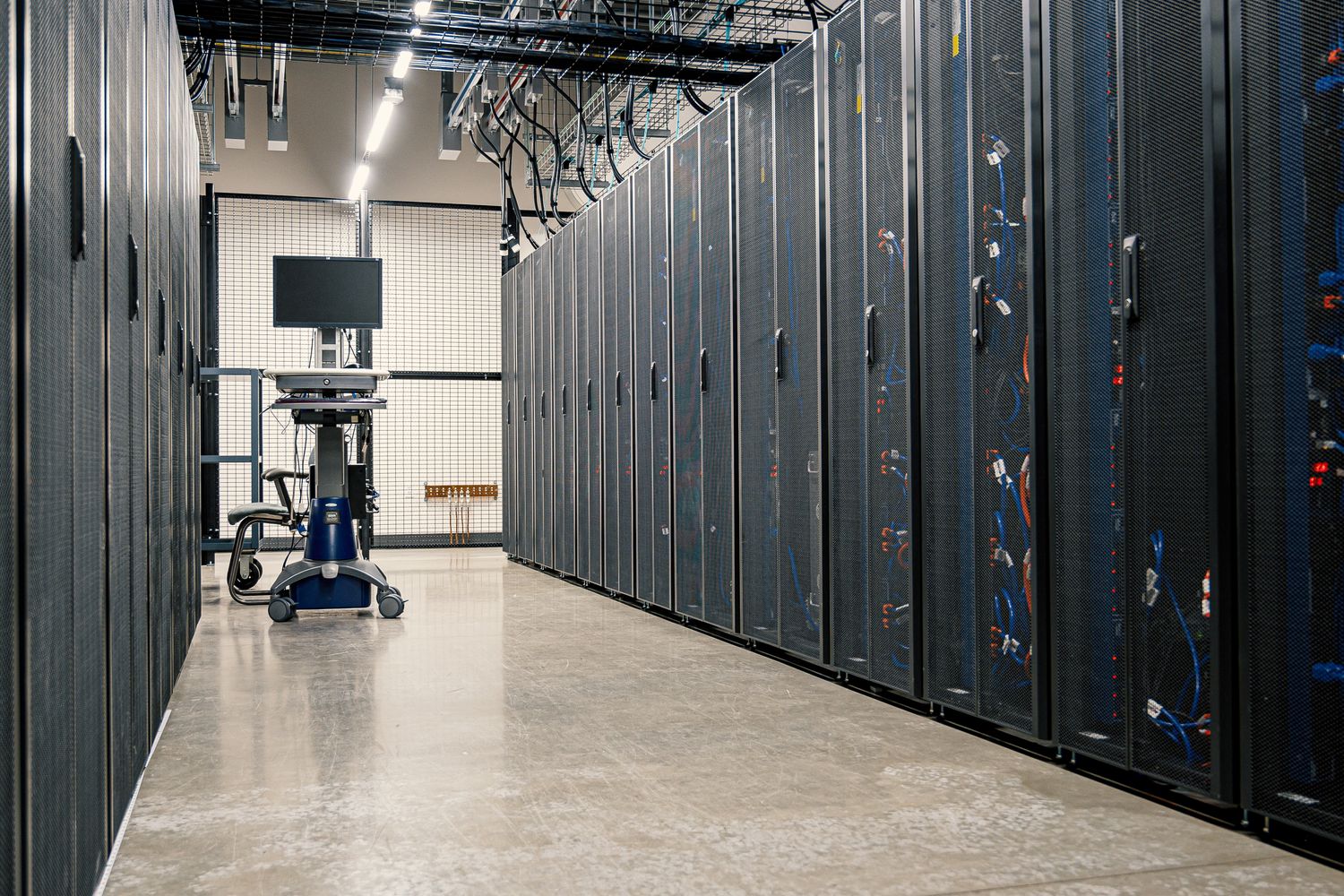
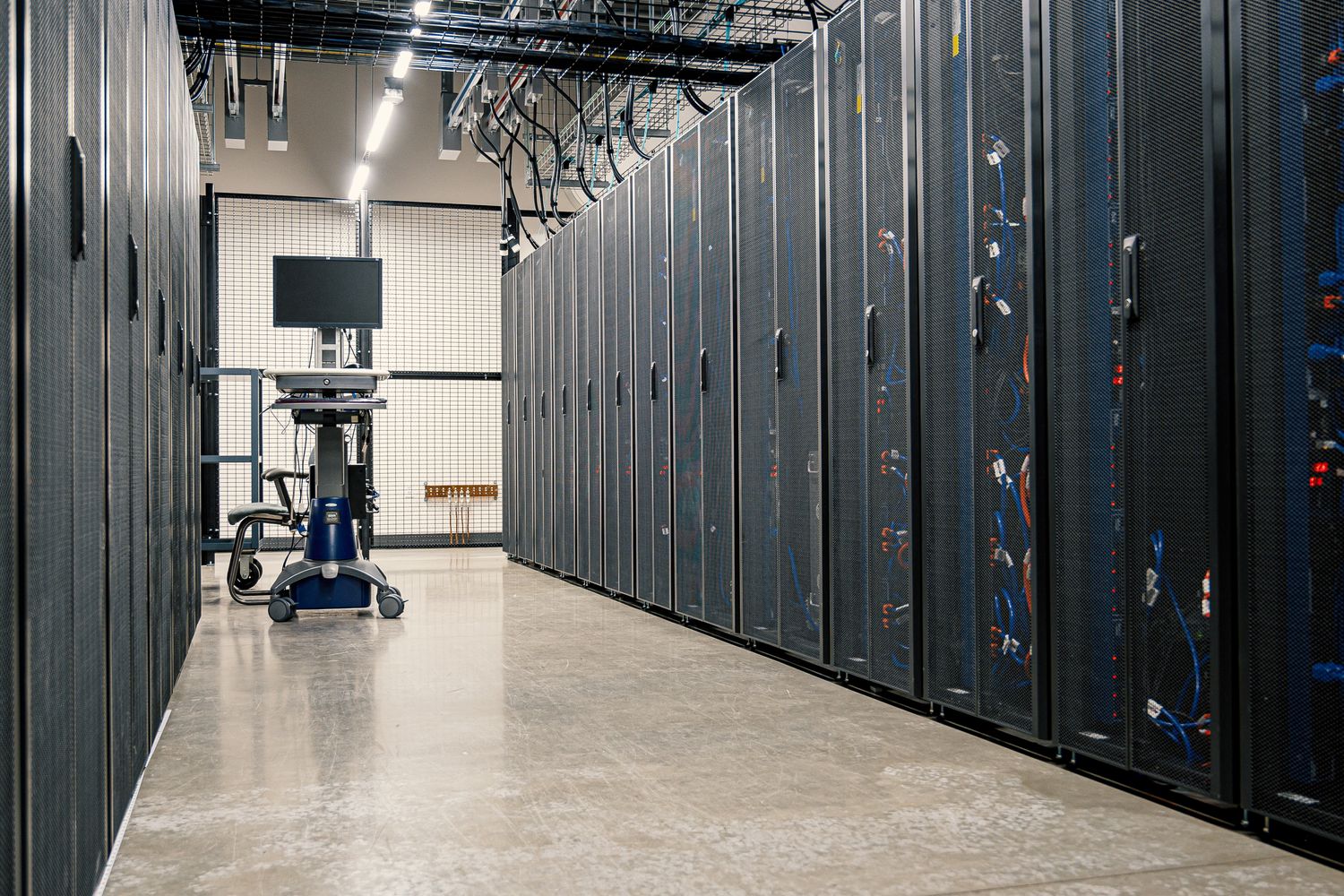
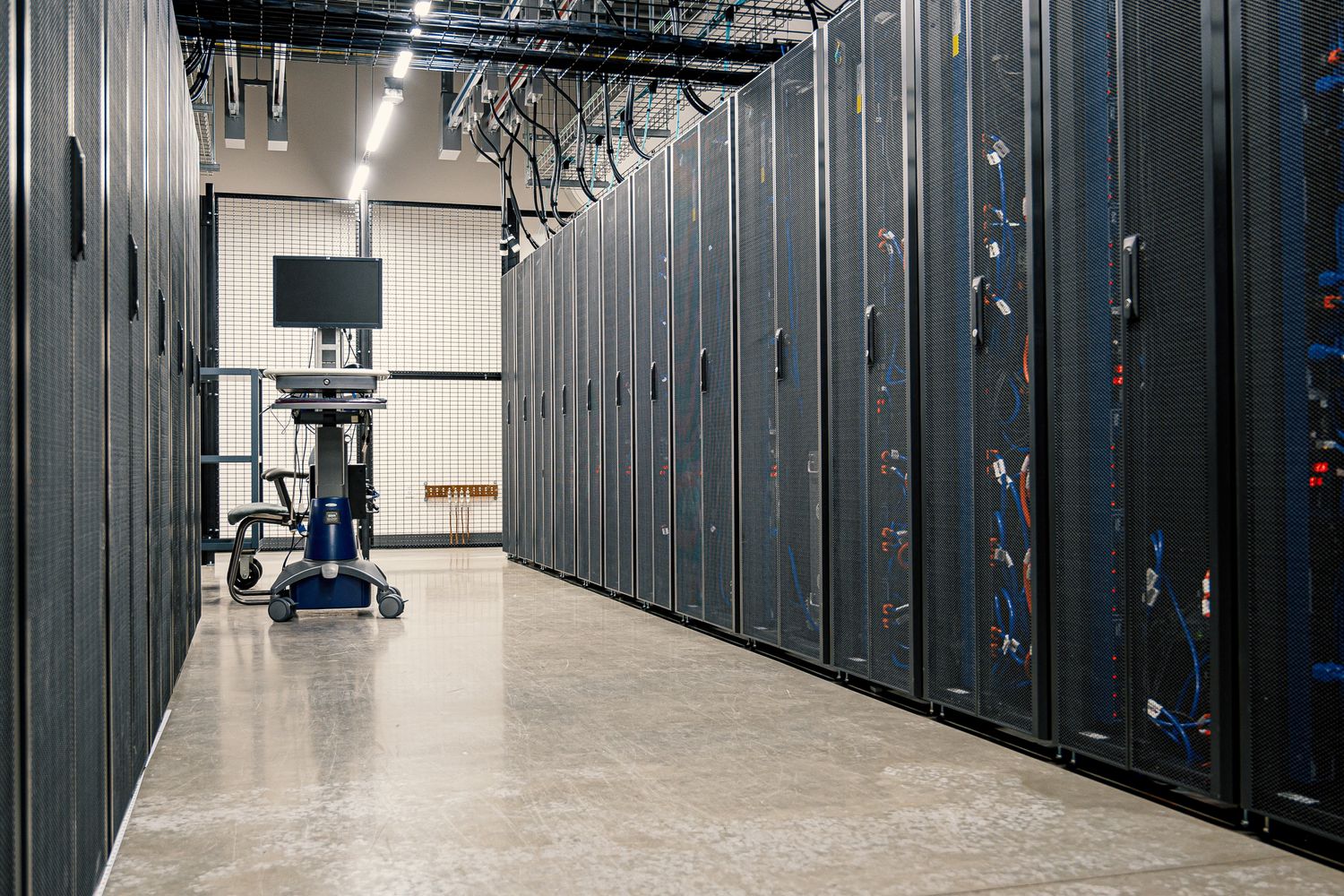
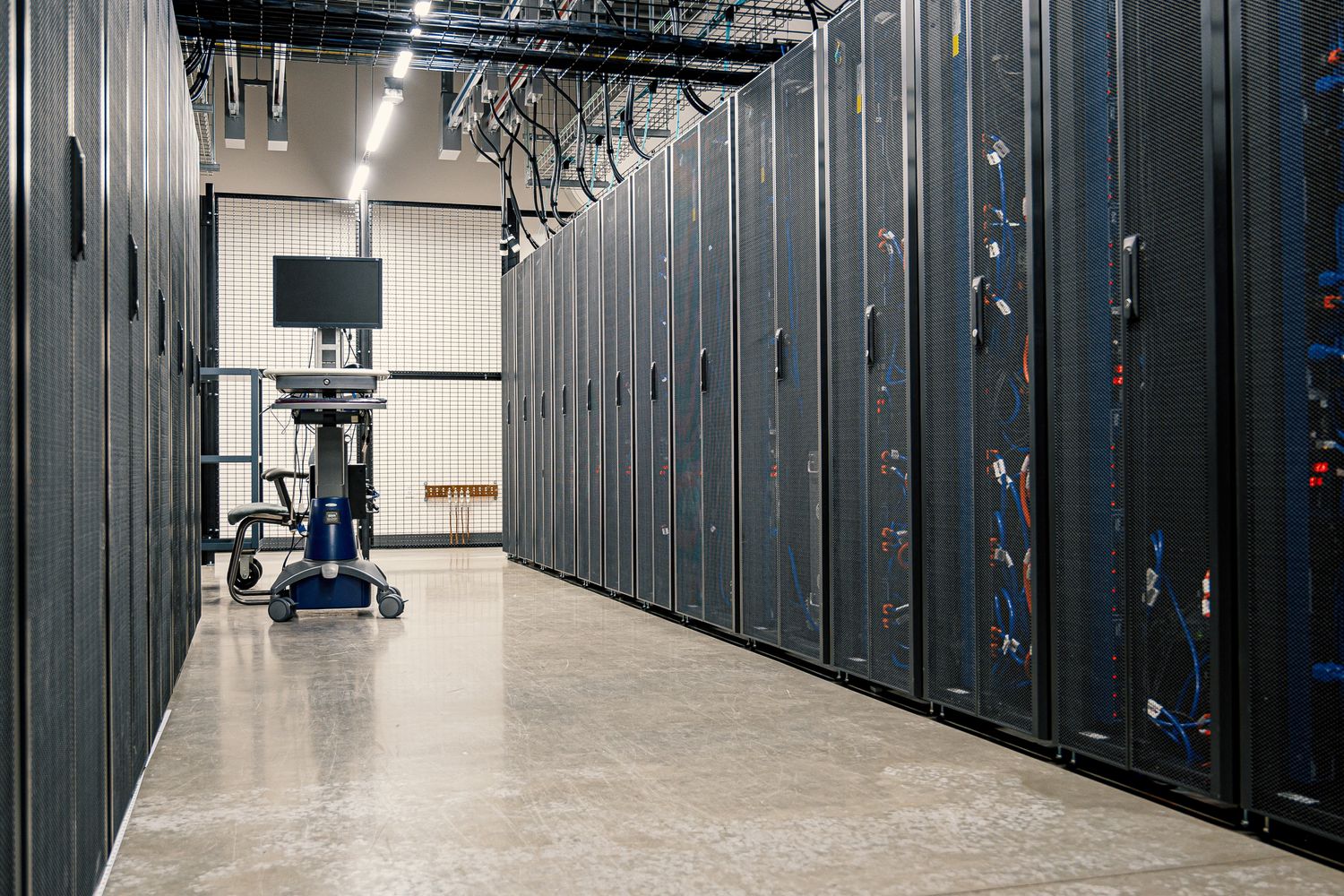
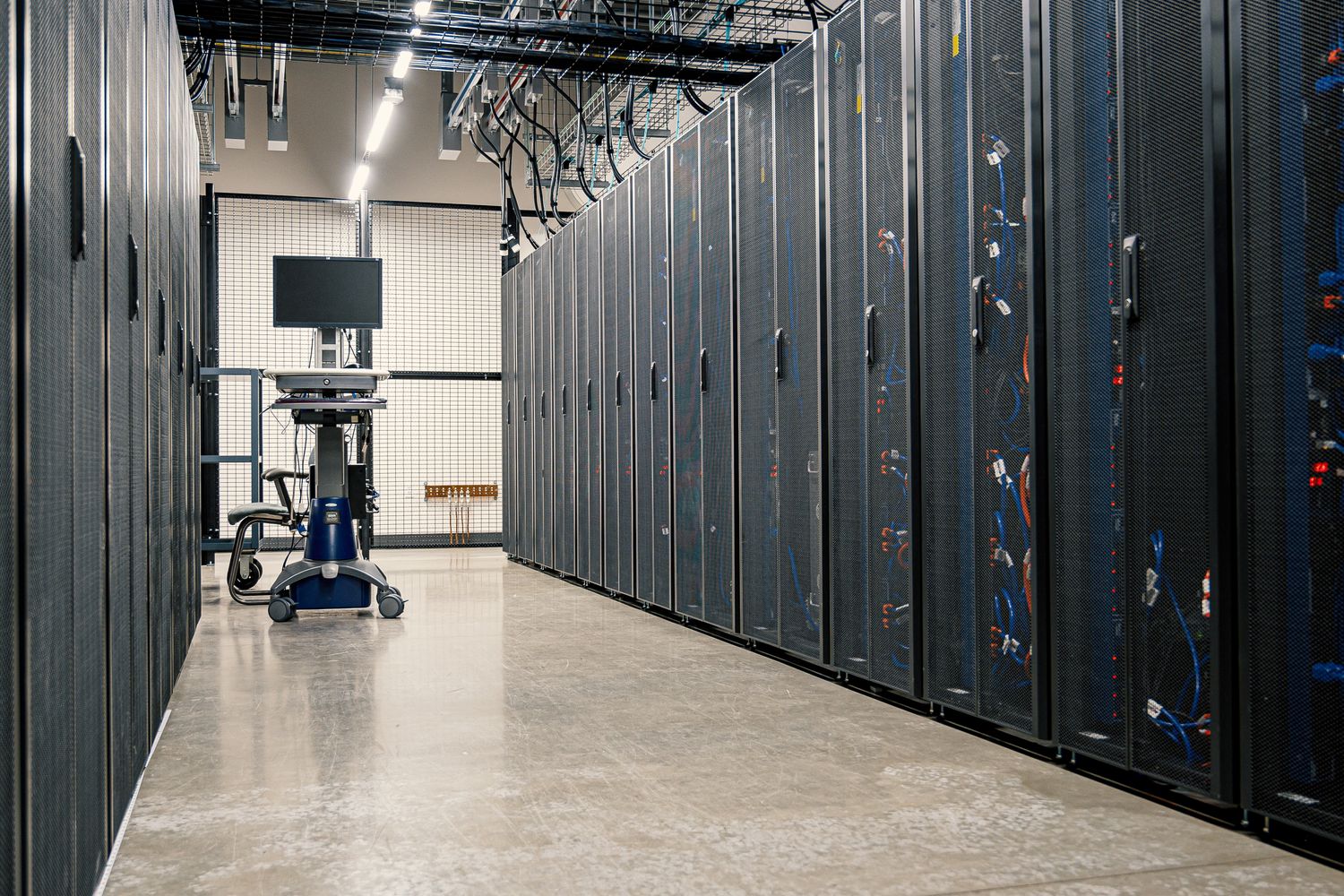
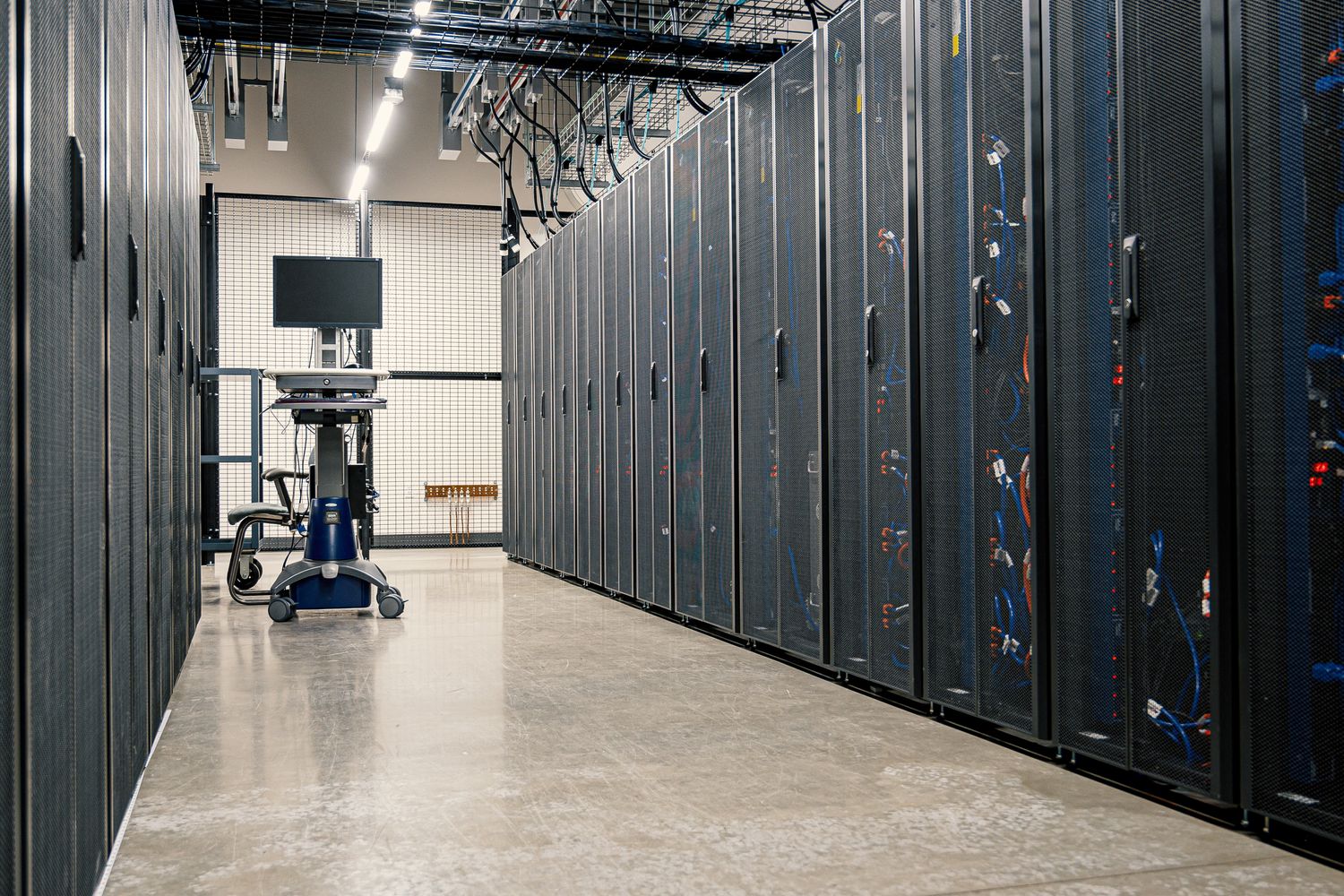
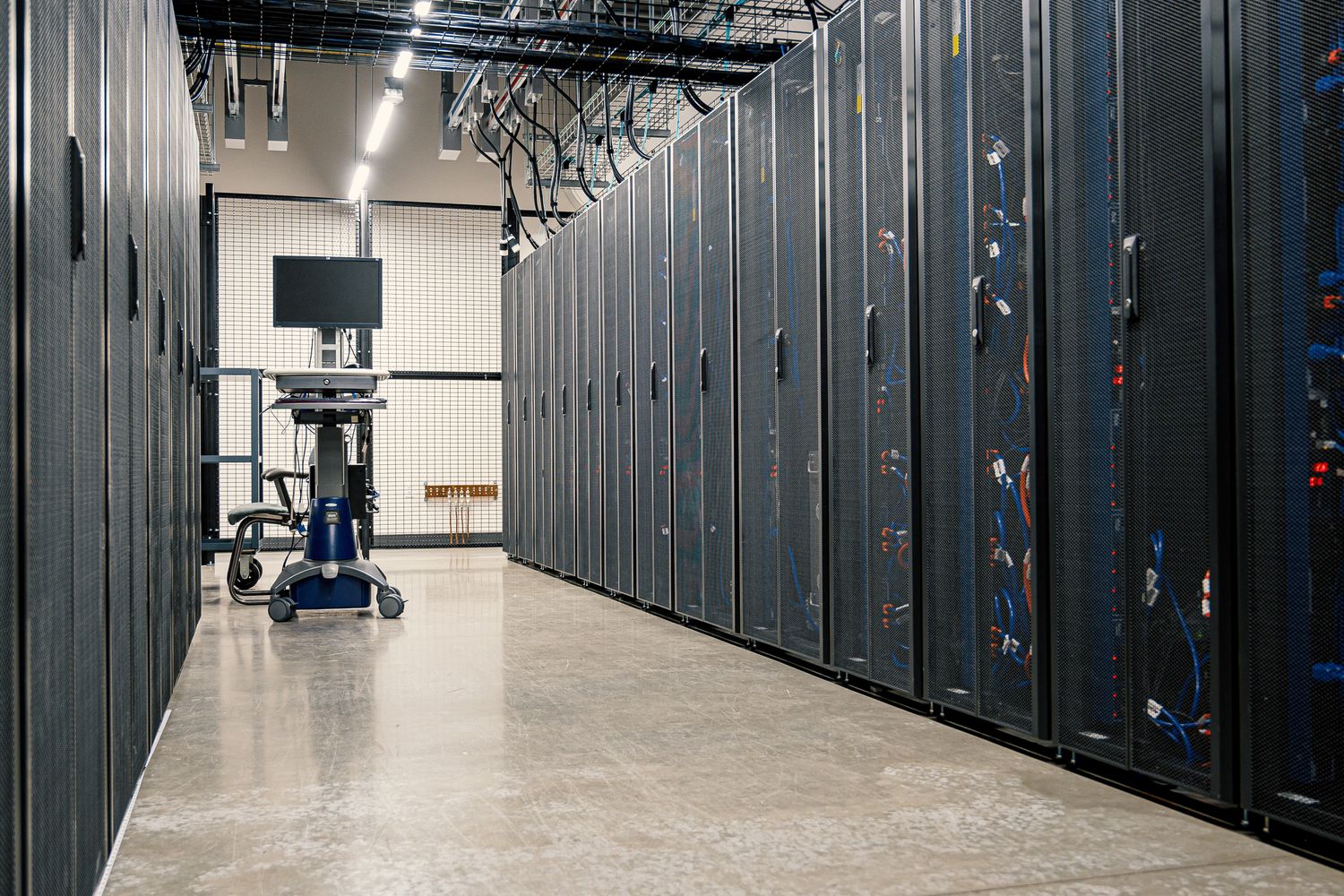
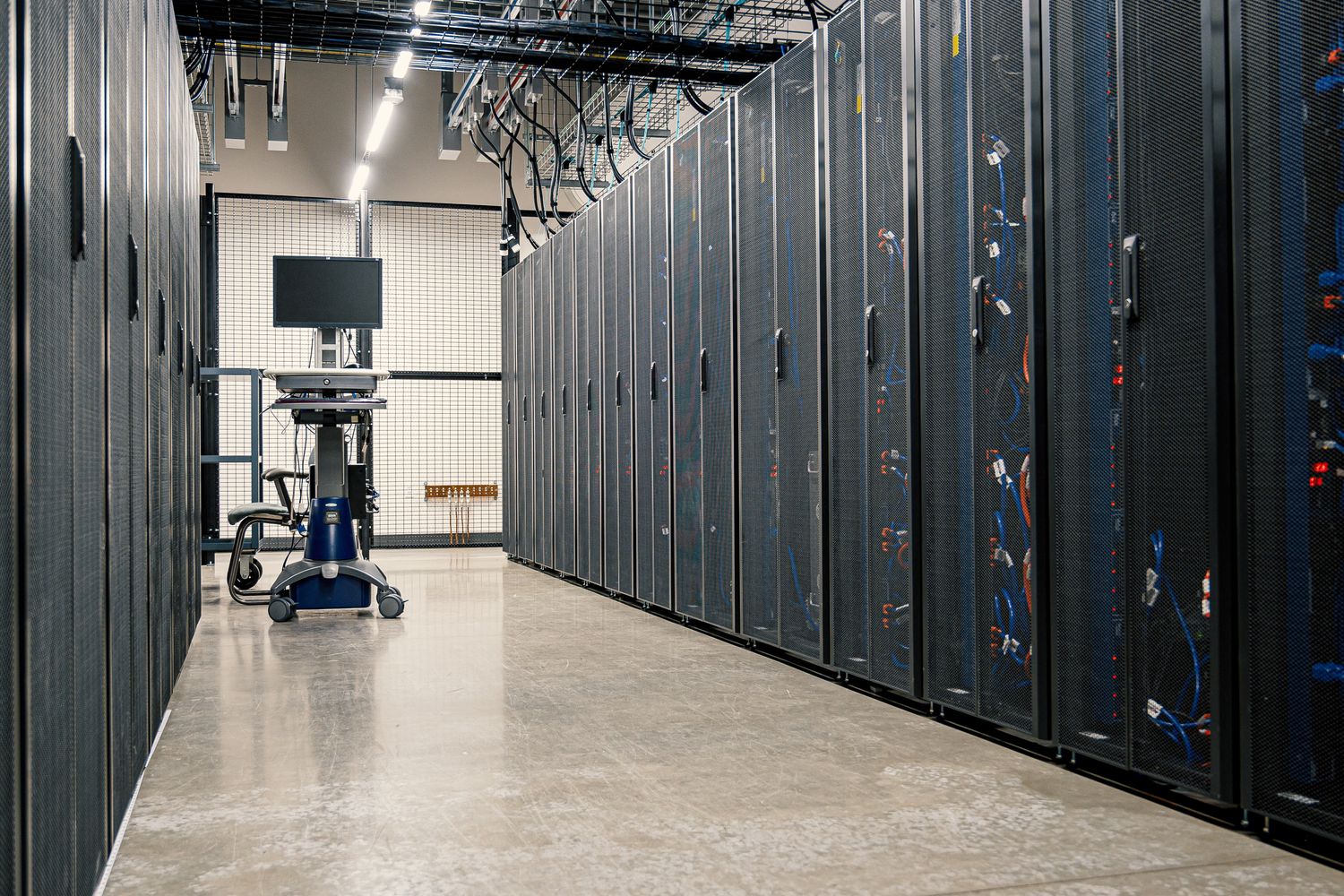
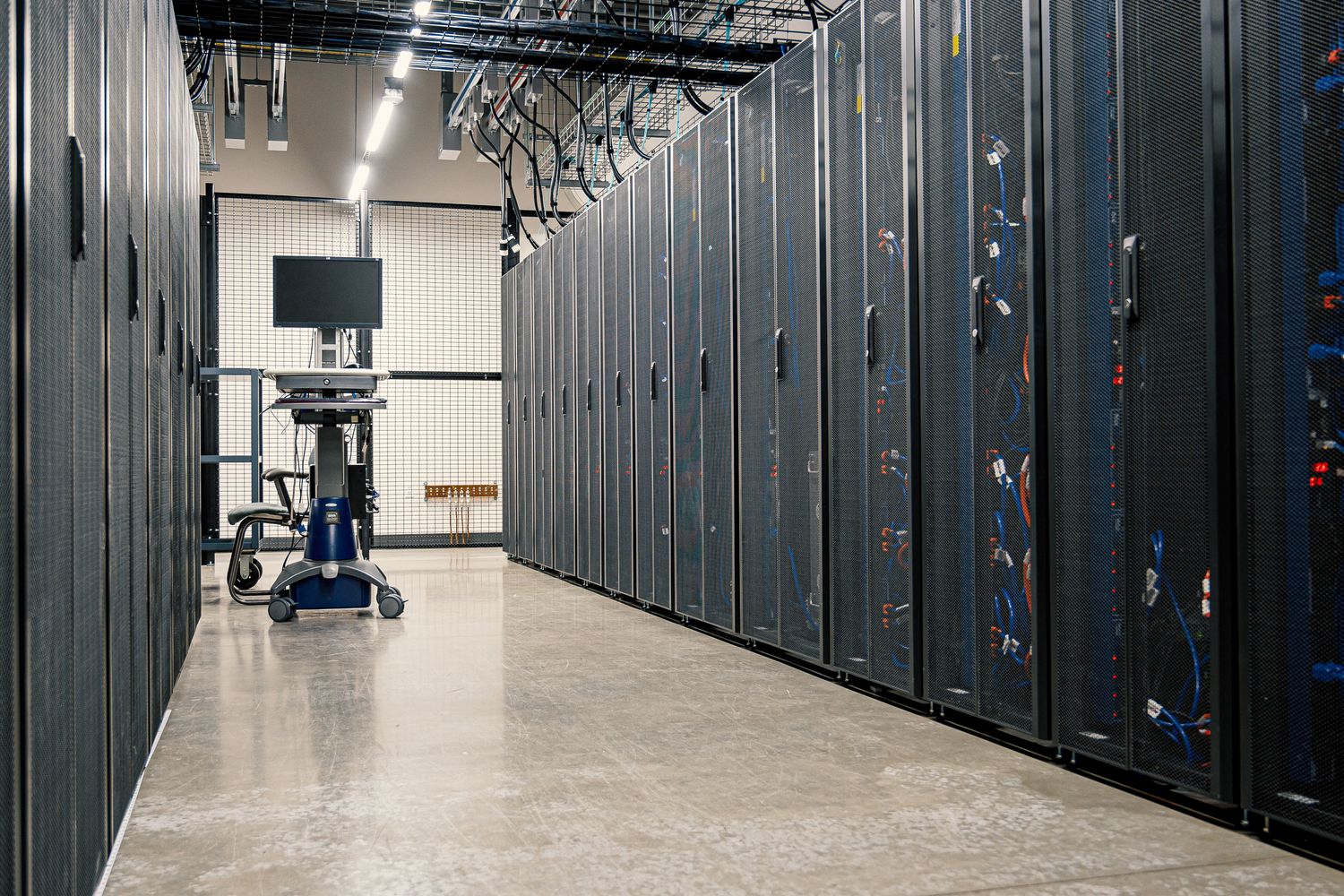
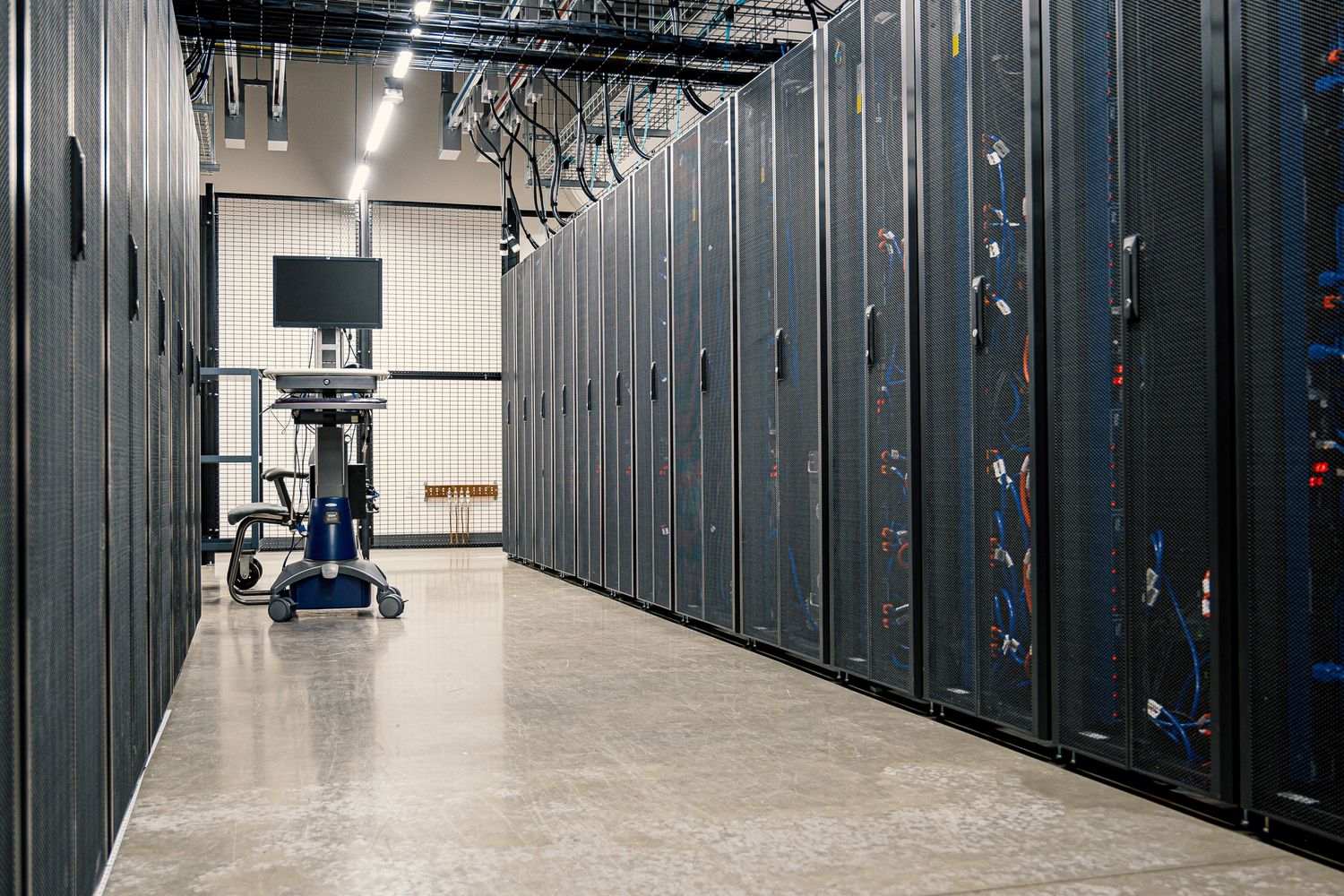
For years, the AI conversation has been about chips, the specialized processors made by companies like Nvidia. That era is not over, but this deal marks a turn toward something less glamorous and just as important: the pipes and power. Anthropic did not buy graphics processors this time. It rented massive amounts of everyday CPU cloud capacity from Akamai, a company you may remember as the internet’s longtime content-delivery backbone, the quiet infrastructure that made websites load fast for decades. What Anthropic is really buying is room to grow, the digital floor space where its AI models and the agents they power will actually live and run.
Now look at how carefully this handshake was structured, because the fine print is where the wisdom lives. The $11.6 billion commitment is conditional on delivery and service availability, and Anthropic can exit the deal after a material outage. In plain language: Akamai has to deliver working capacity, or Anthropic walks. Nobody is handing over billions on a promise and a smile.
Then there is the warrant. Anthropic received the right to buy up to 5% of Akamai, roughly 7.7 million shares, at $111.33 per share. About 2% of that stake is tied directly to the $11.6 billion commitment, and up to 3% more unlocks if the deal expands by as much as $9 billion, taking the total potential value to about $20 billion. A warrant is essentially a call option, a bet that the partner’s stock will rise. If Akamai executes well on this massive buildout and its shares climb, Anthropic shares in the upside. If the stock goes nowhere, Anthropic is not obligated to buy. For an everyday investor, think of it like a landlord letting a great tenant reserve the right to buy into the building later, at a price fixed today. It aligns everyone’s interests.
Akamai is putting its own money where its mouth is, too. The company estimates roughly $5.5 billion in capital spending to support the deal, and it has authorized Jabil to purchase about $1.7 billion of memory components ahead of need. That last detail matters. Buying memory before you need it is a bet that demand will keep running hot and that prices will not come down anytime soon. Akamai also told investors its 2026 revenue guidance remains unchanged, which is a quiet way of saying the heavy lifting in this contract sits further out, in the later years of the seven-year term.
Step back and you can see the pattern. This is the AI boom’s infrastructure phase, and it is showing up everywhere at once. Just this past week, Meta rose roughly 13% on enthusiasm for its new “Muse” AI agent, pushing toward a $2 trillion market capitalization, and on September 23 the company unveiled “Muse Charm,” a pocket-sized AI gadget with a roughly 2-inch screen, built-in 5G, a fingerprint sensor, a camera, and a microphone array, though notably no phone-call capability. Meta says it aims to ship the device in time for the December holidays, and it has not announced a price (MacRumors).
Notice the thread connecting these stories. The gadgets and the agents get the headlines, but underneath them, companies are quietly signing decade-long commitments for the capacity to run everything. Anthropic needs somewhere to host the intelligence. Akamai has the real estate. The future of AI is being built in contracts and capital budgets, not just in research labs.
There is one more detail worth sitting with, because it reveals how the adults in the room are thinking about risk. Anthropic can walk away after a material outage, and Akamai’s estimated $5.5 billion in capital spending is, in a very real sense, a bet placed with someone else’s conviction. If AI demand keeps climbing the way it has, Akamai’s pre-bought memory and expanded capacity become a gold mine, and Anthropic’s warrant at $111.33 a share becomes a bargain. If demand cools, Akamai is left holding expensive infrastructure while Anthropic simply moves on, having paid only for capacity that was actually delivered. That asymmetry is the quiet genius of the structure, and it is also the warning. The company taking the bigger risk is not the AI lab. It is the landlord. For an everyday investor, that means asking, before you buy into the infrastructure story, who pays if the music slows. The answer, in this deal, is spelled out in the contract.
What should a regular investor take from all this? A few things, and here is my take, labeled as mine. First, the AI trade is widening. The money is moving from the companies that make the brains (chips) to the companies that provide the bodies (cloud capacity, memory, power, real estate). That means there may be opportunity in the unglamorous names, the infrastructure providers whose biggest contract ever just landed on their desk.
Second, watch the structure of these deals, not just the headline number. A $11.6 billion commitment that is conditional on delivery is a very different bet than $11.6 billion paid upfront. Warrants that let a customer share in the upside show both sides believe in the future, and pre-buying $1.7 billion in memory shows one side believes demand will outrun supply. These are the moves of people who have seen booms before and remember how the last ones ended.
Third, and most important for anyone managing their own money: the companies winning the AI race are the ones locking in capacity years in advance. That is a sign of confidence, yes, but it is also a sign of how expensive this race is becoming. When the biggest players in the world are signing conditional billion-dollar leases just to have room to think, it is worth asking what happens to the smaller players who cannot afford the rent.
The chips started the AI boom. The pipes will decide who finishes it. Anthropic and Akamai just drew the map.