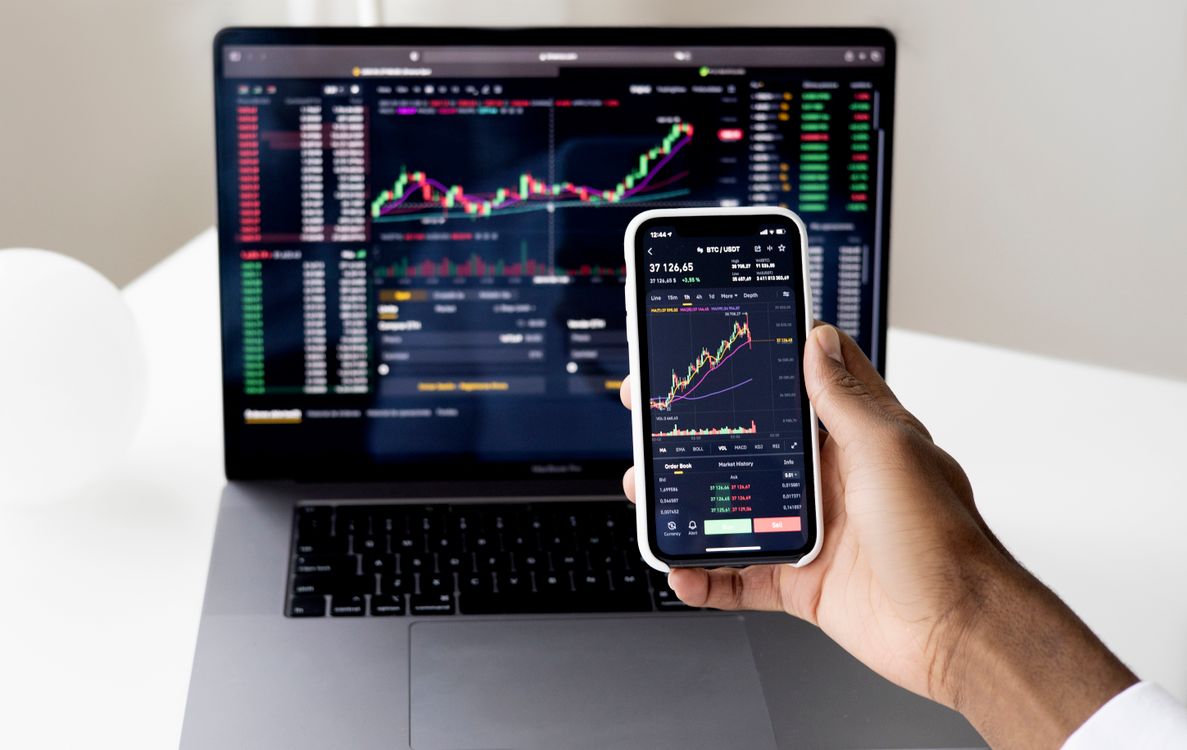
On a lunch break in Ohio this week, a machinist at a precision-castings plant scrolled through his phone and learned that his employer — or one very much like it — had just been bought for nearly $12 billion. He didn’t know what “26 times projected earnings” meant. But he knew what it meant when the break room went quiet and everybody started doing the same math in their heads: what happens to us now?
That is the human side of the story that dominated finance this week. While the rest of us argued about interest rates, the dealmakers had one of their busiest stretches in years — buying, merging, and listing at a pace that says the people with the biggest checkbooks are done waiting.
It’s not enough to just read the deal announcements and move on, friends. Every merger is a bet about the future, and this week’s bets tell us exactly what the smart money thinks is coming.
The biggest industrial deal came from GE Aerospace, which agreed to pay nearly $12 billion for Consolidated Precision Products — CPP — a supplier of the castings that go into jet engines. It’s GE Aerospace’s largest deal since the old General Electric broke itself apart. The numbers are striking: CPP is expected to bring in about $2 billion in revenue in fiscal 2027, roughly 60 percent from commercial aerospace and 20 percent from defense. GE is paying around 26 times CPP’s projected 2027 earnings. That’s not a bargain price; that’s a “we cannot afford to lose this” price.
And GE really can’t afford to lose it. The company’s order backlog has ballooned to $210 billion. Commercial engine orders are up about 50 percent through the first half of the year. But the strain shows: spare-parts delinquencies and delays jumped 20 percent quarter over quarter, according to CFO Rahul Ghai. CEO Larry Culp called the purchase an investment in “mission-critical casting capacity” — the company needs the parts to meet demand that’s hitting from commercial aviation, the aftermarket, and defense all at once. The deal is expected to close in the second half of next year. My take: when a company pays 26 times earnings for a supplier, it’s telling you the bottleneck is real and the demand is not a blip. For the machinist on his lunch break, that’s the best news in the announcement — you don’t pay $12 billion for capacity you plan to idle.
The mining world had its own earthquake. Anglo American and Teck Resources announced a proposed tie-up that the Wall Street Journal called the mining sector’s biggest deal in a decade — a straightforward bet on future copper demand. That bet looks well-timed: copper hit an all-time high this week on tariff worries and supply issues. Copper goes into machinery, electronics, and cars, so every manufacturer watching this deal is doing quiet math about their own input costs. When miners merge at the top of the commodity cycle, they’re telling you they believe the electrification of everything — data centers, EVs, grid upgrades — has years left to run.
Then there’s the $1.9 billion handshake in the car business. Copart agreed to acquire ACV Auctions, the digital dealer auction platform, for $10.50 a share in cash — and ACV’s stock jumped 44 percent on the news. A 44 percent premium is the market’s way of saying the buyer sees something the rest of us missed, or wants it badly enough not to care. Either way, consolidation in auto remarketing is accelerating, and the dealers who use these platforms will be watching closely to see what changes.
But the deal that set the most tongues wagging was Nvidia’s agreement to pay about $12.93 billion for Hugging Face, the open-source AI platform. Here’s the number that matters: Hugging Face has roughly $150 million in annualized revenue. Nvidia is paying about 86 times that. Eighty-six. You don’t pay 86 times revenue for cash flow; you pay it for position — for owning the town square where the world’s AI developers gather. Fortune’s CFO Daily framed it as a strategic bet on the center of open-source AI, not on current revenue. My take, clearly labeled: this is empire-building, not accounting. It only makes sense if you believe open-source AI becomes the default infrastructure of the next decade. Nvidia clearly does.
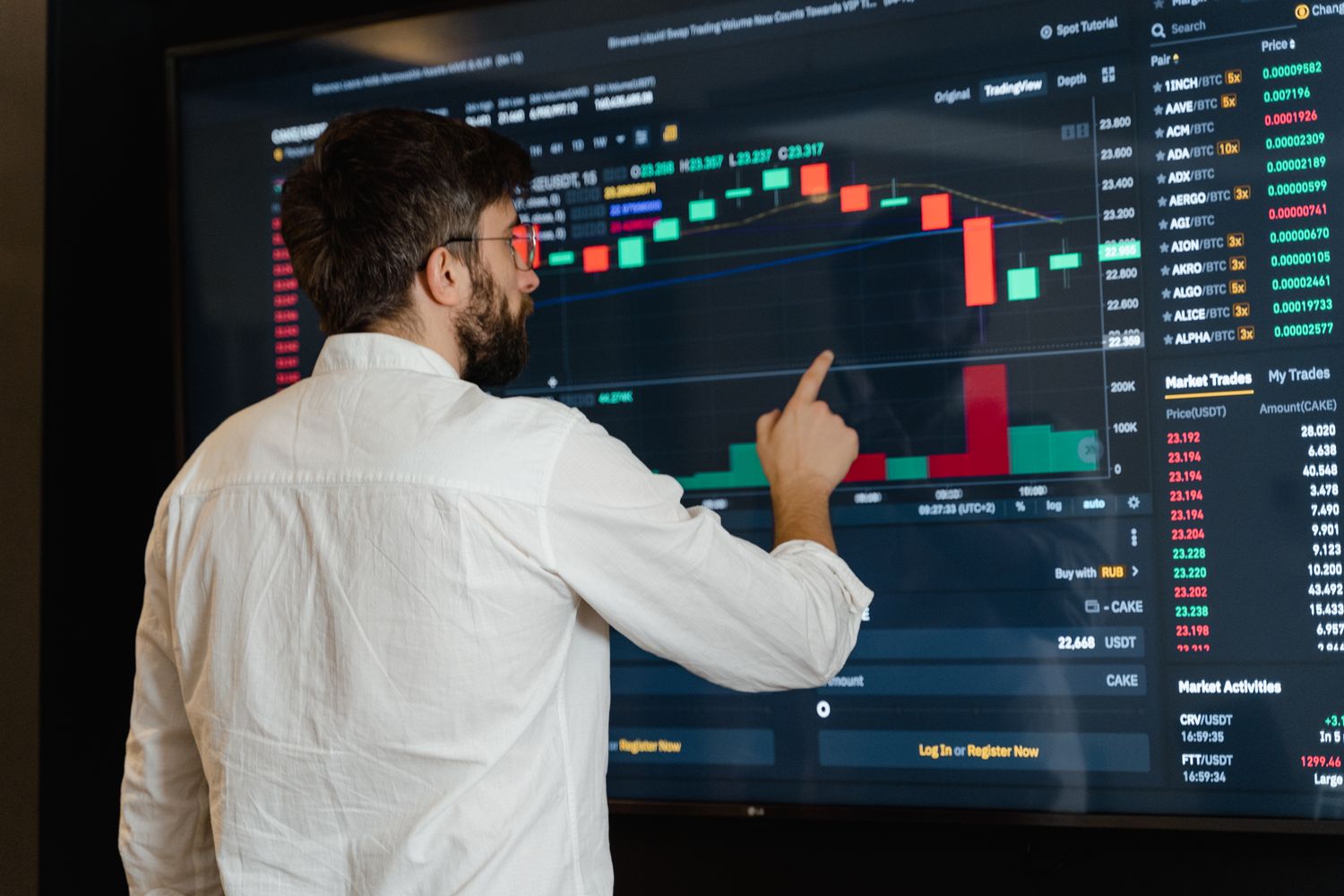
Now cross the Pacific, where the IPO market is putting on a show unlike anything in the West. China’s securities regulator has told bankers to keep IPO pricing cheap, bar what it calls “low-quality” companies, and limit listings to “national champions.” The result is engineered euphoria: the median first-day gain for new Chinese listings this year is 173 percent. Chipmaker CXMT and robotics company Unitree both surged more than 400 percent on debut. More than 100 companies have listed, raising over $28 billion — about 50 percent more than all of last year.
But — and this is the part the headlines skip — Unitree has since lost almost half its value from its first-day peak. It listed with a 629 percent first-day pop and still trades at 118 times annual sales. Fewer than 10 percent of its robots go to industrial use, and its own founder says mass adoption could be ten years away. A 173 percent median pop sounds like free money; a 50 percent round-trip sounds like a warning. My take: when the regulator engineers the pop, the pop is the product. Retail investors chasing these debuts should know the game is designed at the pricing desk, not in the market.
The American IPO market is learning its own lessons about the pop. After Figma, Circle, and Bullish all suffered huge price jumps on their first trading days — great for headlines, messy for the companies — firms debuting this week opted for bigger allotments to retail investors, according to the Wall Street Journal’s Corrie Driebusch. And there’s a new name on the underwriting roster: Robinhood just landed its first-ever underwriting gig, joining the team selling shares in smart-ring maker Oura’s IPO at a reported valuation above $11 billion. Robinhood is the last of 18 underwriters, below Goldman Sachs, Morgan Stanley, and JPMorgan — but it’s there. Here’s the context that matters: institutions scoop up roughly 90 percent of IPO shares, leaving retail with the leftovers. Robinhood itself reserved up to 35 percent of its own 2021 IPO for retail investors. If the company that brought stock trading to a generation starts bringing IPOs to them too, the velvet rope around new listings gets a little shorter. That’s worth cheering — carefully.
Even the deals that aren’t deals tell a story. SpaceX signed an AI hosting agreement worth about $1.11 billion per month, starting December 1, disclosed by CFO Bret Johnsen at the Goldman Sachs Communacopia conference. It boosts confidence in a $100 billion annual recurring revenue run rate by year-end. That’s the fourth major compute deal in four months, following Anthropic at roughly $1.25 billion a month, Google at $920 million, and Reflection AI at $150 million. These aren’t mergers, but they’re commitments on a merger-like scale — companies locking up the digital real estate of the AI era.
And in the shadows, DeepSeek’s valuation has climbed above $70 billion, with a whole secondary market springing up around the fundraising frenzy. When private shares trade like public ones before the company ever lists, the IPO is becoming a formality — the deal already happened.
So what should the rest of us take from the season of the handshake? Three things. First, the industrial economy is straining at capacity — GE’s $12 billion says the physical world can’t keep up with demand. Second, AI is being priced as infrastructure, not as software — 86 times revenue only makes sense if you’re buying the roads, not the cars. Third, the IPO pop is being managed everywhere now, from Beijing’s pricing desk to Wall Street’s retail allotments — which means the everyday investor’s best defense is the oldest one: know what you own, and know why.
The machinist in Ohio will find out what the $12 billion means for his plant soon enough. For the rest of us, the meaning is already clear: the people with the longest time horizons are placing enormous bets, right now, in public. We should pay attention — not to copy them, but to understand the future they’re buying.
Here’s to reading the fine print, friends. The handshakes tell you what the headlines won’t.