The most important sentence of the morning did not come from Wall Street. It came from a senior Iranian official, who told Reuters that Tehran could reopen the Strait of Hormuz within seven days if the United States eases pressure, Reuters reported on Tuesday.
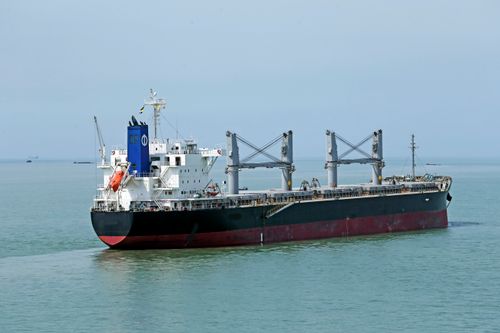
If you have been watching your gas station receipts or your grocery bills this year, this story is about you. The strait is the narrow waterway through which a huge share of the world’s oil flows, and the six-month-old conflict between the United States and Iran has kept it under threat, pushing energy prices and shipping costs to levels that ripple into everything from motor oil to airline tickets. Kyodo News reported that Iran’s offer specifically hinges on Washington easing its pressure campaign.
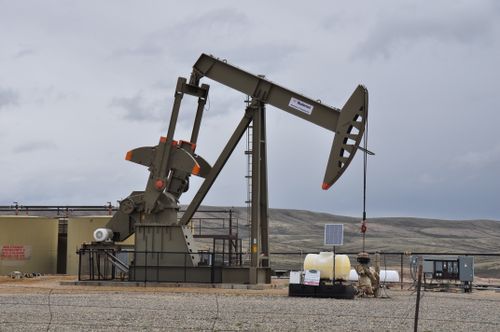
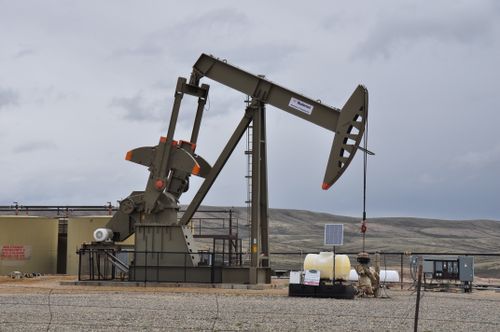
Oil markets heard the news and kept sliding. Brent crude was near $100 a barrel, and at one point slipped below the $100 level for the first time in two weeks, down 2.5% at $97.88, Sharecast reported. WTI crude fell nearly 3% to about $93 a barrel, extending its losing streak to a fifth straight day, per Investopedia. Signs that tankers are once again transiting the strait and renewed diplomatic efforts have been encouraging oil traders, who are positioning for the possibility that the worst of the supply shock may be behind us.
The backdrop is a busy diplomatic week. U.S.-Iran talks are expected on the sidelines of this week’s United Nations General Assembly meeting in New York, according to Reuters, and President Donald Trump is scheduled to meet several world leaders later today. Analysts at UBS said an extension of the trade truce with Beijing or even just clearer communication could “help reduce near-term political uncertainty,” noting that “a summit that reinforces predictability in the bilateral relationship could support business confidence and reduce the risk of abrupt escalation.”
The geopolitics are already bleeding into everyday prices. The American Automobile Association’s data showed U.S. diesel prices hitting an all-time high of $6.51 a gallon, and retailers have begun limiting purchases of motor oil amid supply chain disruptions caused by the Iran conflict, Investopedia noted. When diesel costs that much, everything that moves by truck gets more expensive, and that is nearly everything.
Why this matters: oil prices and the 10-year Treasury yield have been the two forces driving market sentiment for weeks, and both are hovering near what Reuters called “warning levels.” Federal Reserve policymakers consider AI demand and the oil shock as key inflation drivers, Reuters reported, and traders now see a 57.6% chance the central bank will raise interest rates by at least 25 basis points in October, following this month’s hike, according to the CME Group’s FedWatch Tool. A durable reopening of the strait would take pressure off inflation at exactly the moment the Fed is deciding whether the economy needs another dose of medicine.
That said, hope is not a pipeline. Reuters cautioned that investors are weighing the official’s comments carefully, and the war is deeply unpopular in the U.S., with the president’s approval rating at a record low as inflation hits household budgets, per Devdiscourse. Seven days is a promise, not a delivery.
What to watch next: today’s meetings between Trump and world leaders at the UN, any confirmation of a direct Trump-Pezeshkian encounter, and whether tanker traffic through the strait visibly increases. If oil keeps falling toward the low $90s, expect bond yields to keep easing and rate-hike bets to cool. If talks fizzle, the $100 line on Brent could snap back in a hurry, and your next fill-up will know it.