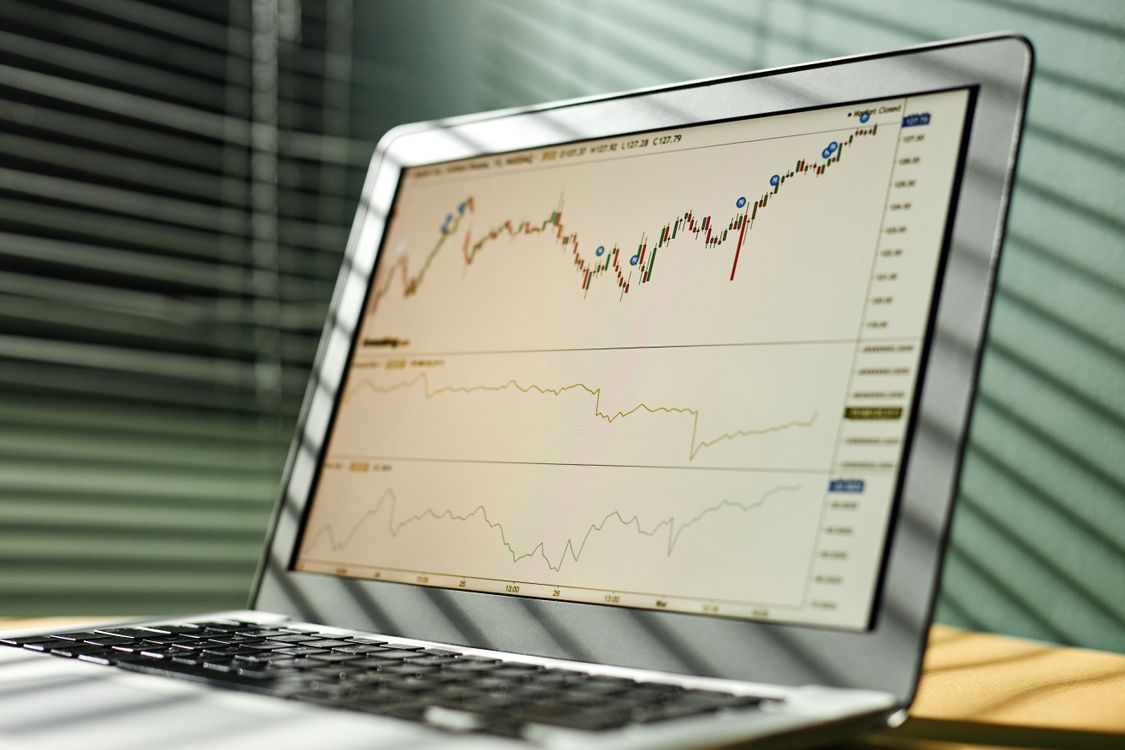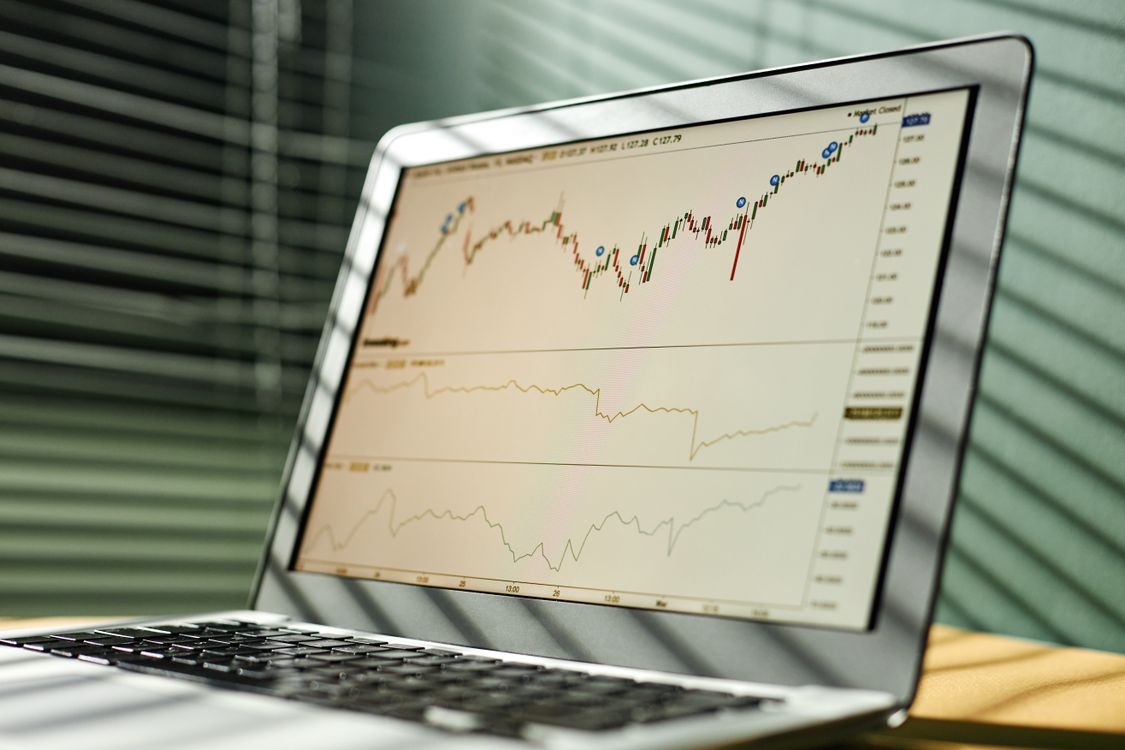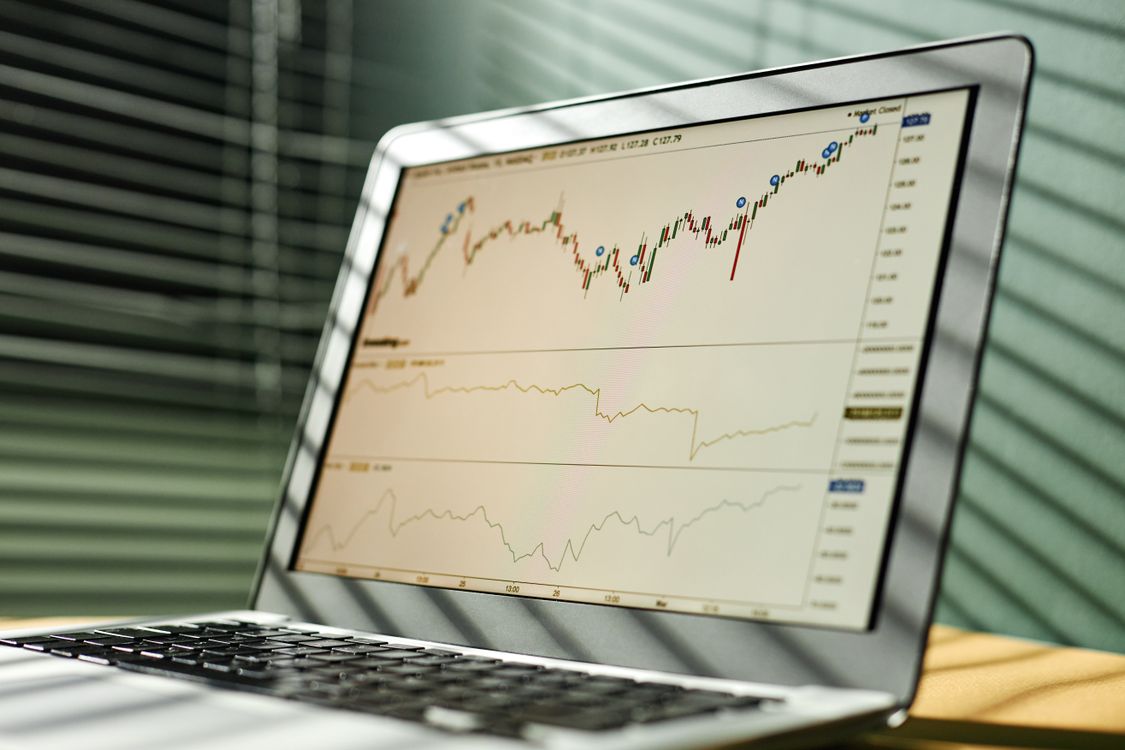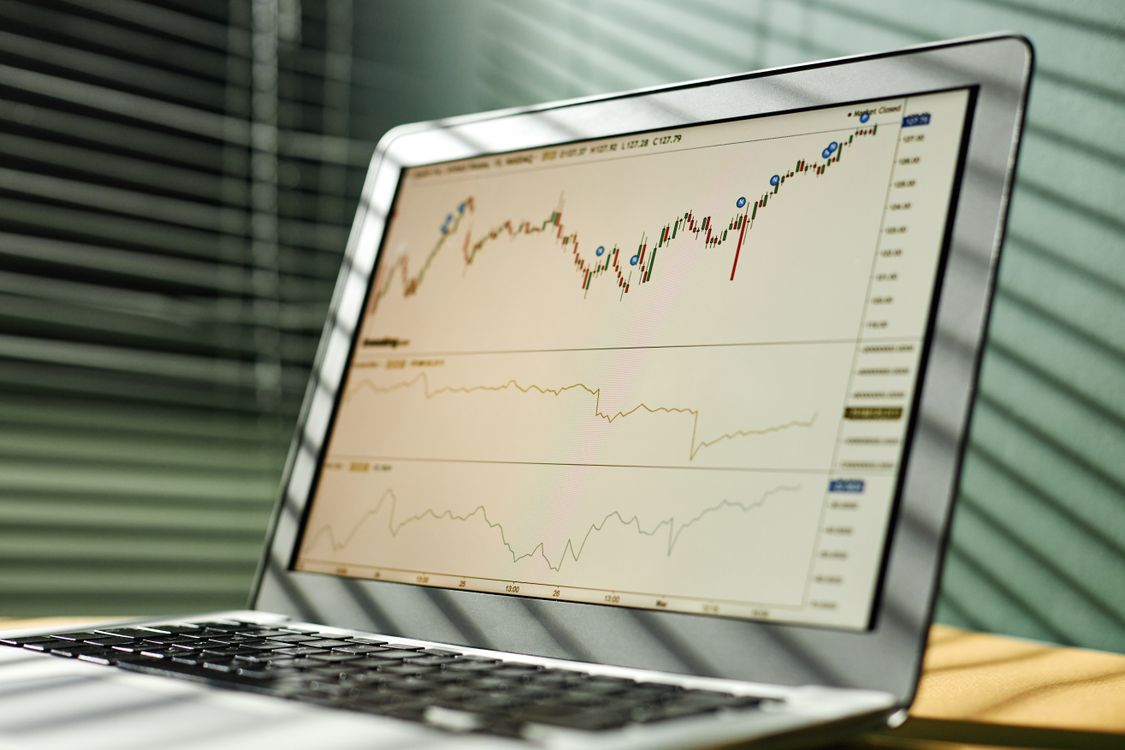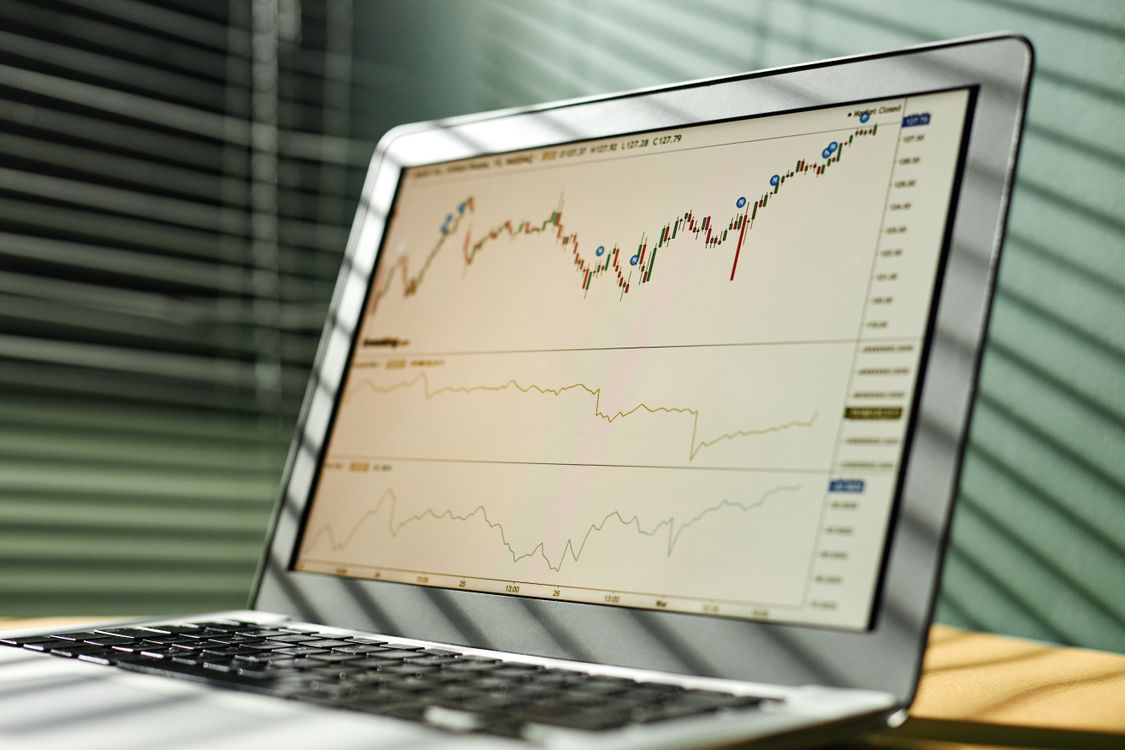

U.S. stocks gave up their morning gains and slid lower at midday on Tuesday, dragged down by a fresh surge in long-term Treasury yields. The 30-year yield touched 5.612% during the session, its highest intraday level since June 11, 2002, reviving the pressure on equities that has defined September’s second act.
The Dow Jones Industrial Average fell more than 300 points, or 0.6%, to 51,162, its low of the session. The S&P 500 was down 0.3%, while the Nasdaq Composite lost 0.2%, according to MarketWatch’s live coverage.
Why it matters: higher long-term yields raise borrowing costs across the economy and make future earnings look less valuable today, which is why growth stocks and rate-sensitive sectors sag whenever the long bond climbs. The 30-year Treasury crossing 5.6% extends a climb that has already pushed 30-year mortgage rates to roughly 7%, about a percentage point above pre-conflict levels.
There was some good news underneath the red tape. Early Tuesday, both the Case-Shiller and FHFA home price indexes came in stronger than expected. The Case-Shiller index rose 0.3% on the month and 2.5% year over year, while the FHFA index climbed 0.3% in July with an annual gain of 2.6%, topping Econoday consensus estimates, Investor’s Business Daily reported.
Earnings movers gave the day its color. CarMax shares surged roughly 7% after the used-car retailer reported adjusted earnings of $1.16 per share, far above Wall Street’s estimate of 73 cents, with revenue up 20% to $7.9 billion and unit sales up 15% to 387,735, Zacks reported. The company also said it plans to resume share buybacks in the third quarter. Carnival also beat expectations, reporting $1.43 in EPS against a $1.35 consensus with $8.44 billion in revenue, lifting its shares, per MarketBeat.
Crypto, meanwhile, is quietly repairing itself. Bitcoin rebounded 1% to just above $84,200, finding buyers near $82,500, while Ether led the majors with a 2% gain to nearly $2,720, and U.S. spot bitcoin ETFs drew in about $31 million on Monday, CoinDesk reported.
What to watch next: the afternoon is packed with Fedspeak, with Fed officials Christopher Waller, Michelle Bowman, and New York Fed President John Williams all scheduled to speak. Any change in tone about the sharp rise in bond yields could move markets into the close. Oil and the 30-year yield remain the two gauges to watch, because as long as energy prices stay elevated, the bond market keeps demanding its premium.