My grandmother used to say that when the whole village starts digging in the same river, you should check who is selling the shovels. I thought about her this week while reading about the money flooding into artificial intelligence, because the river is roaring and the shovels are going for billions.
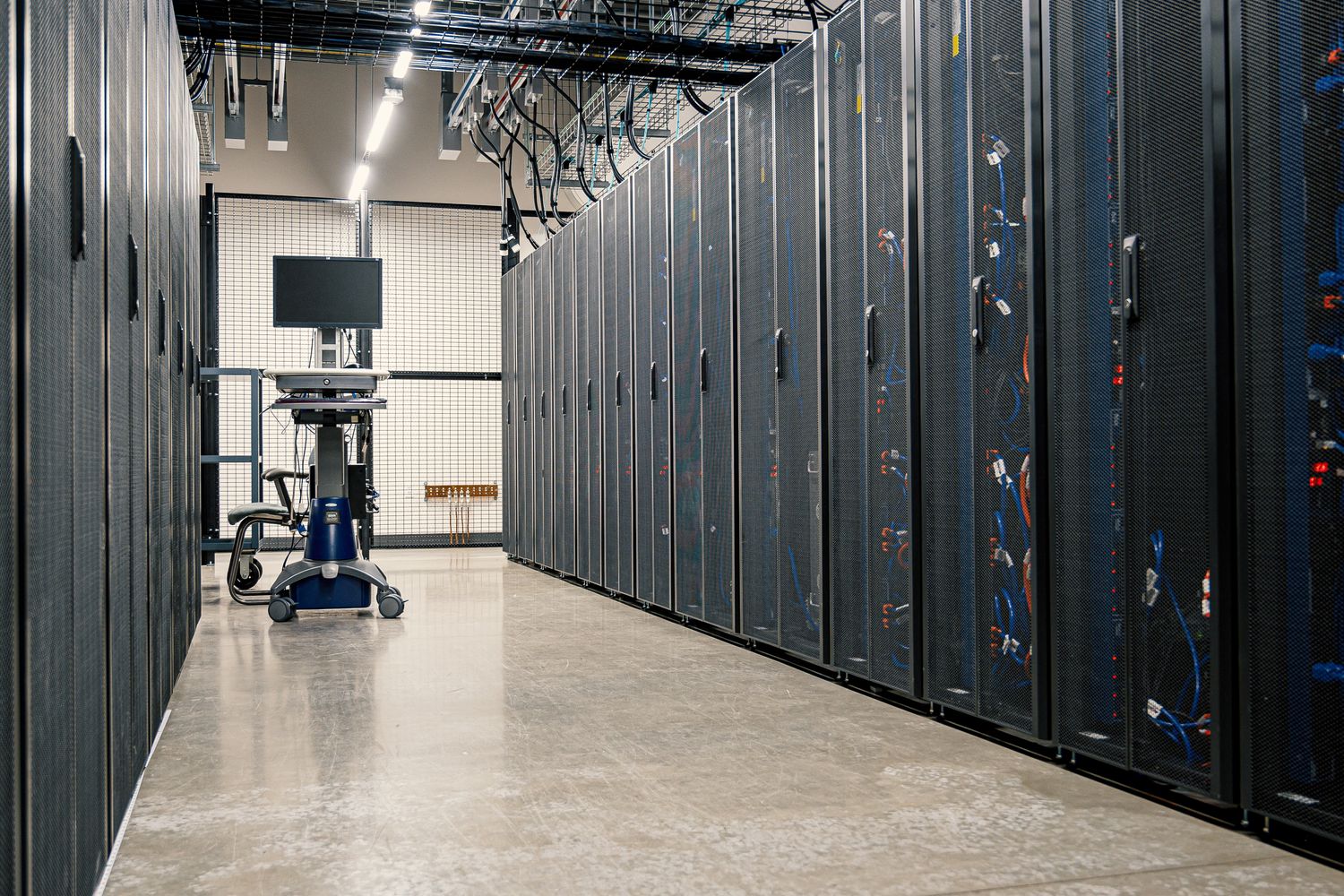
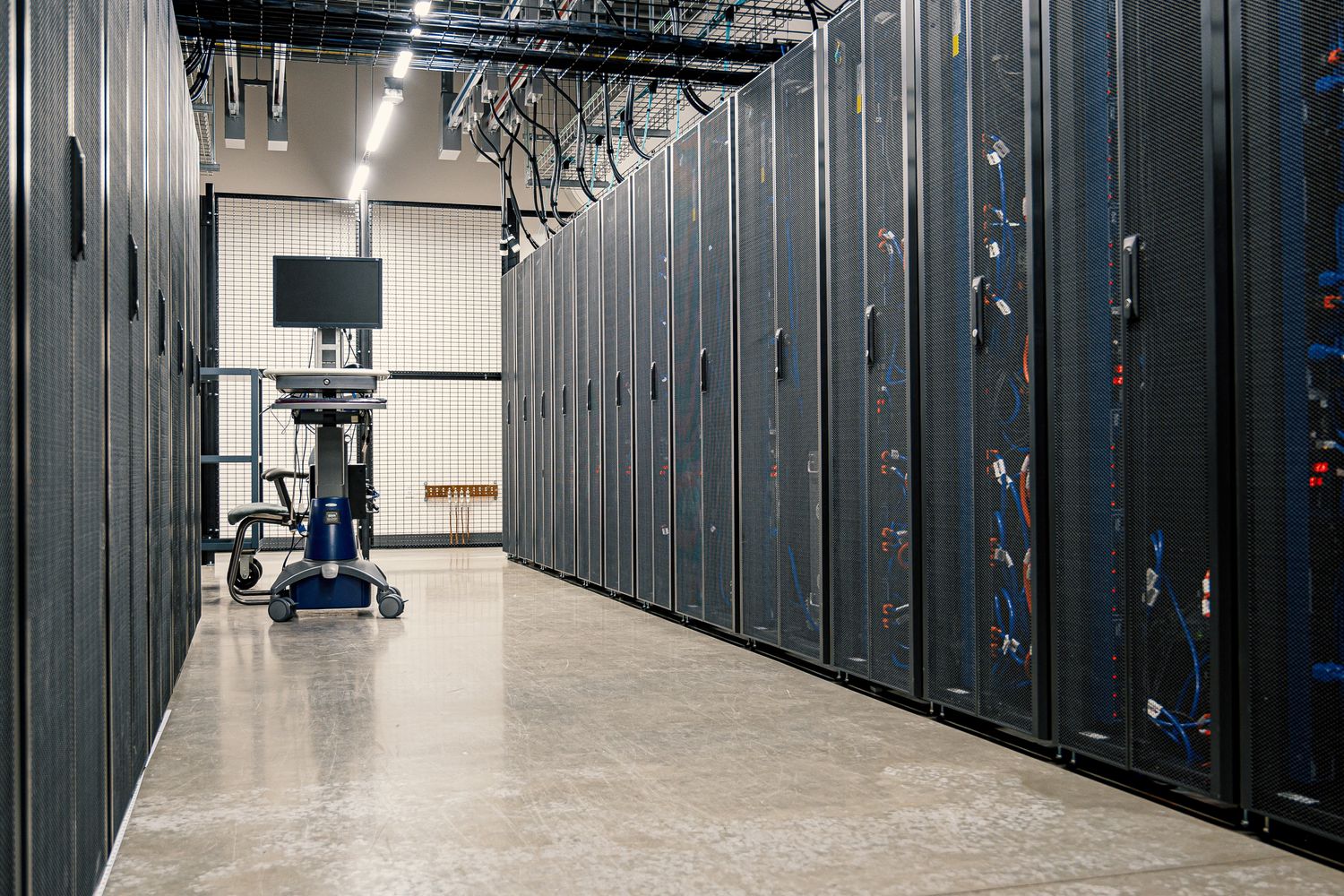
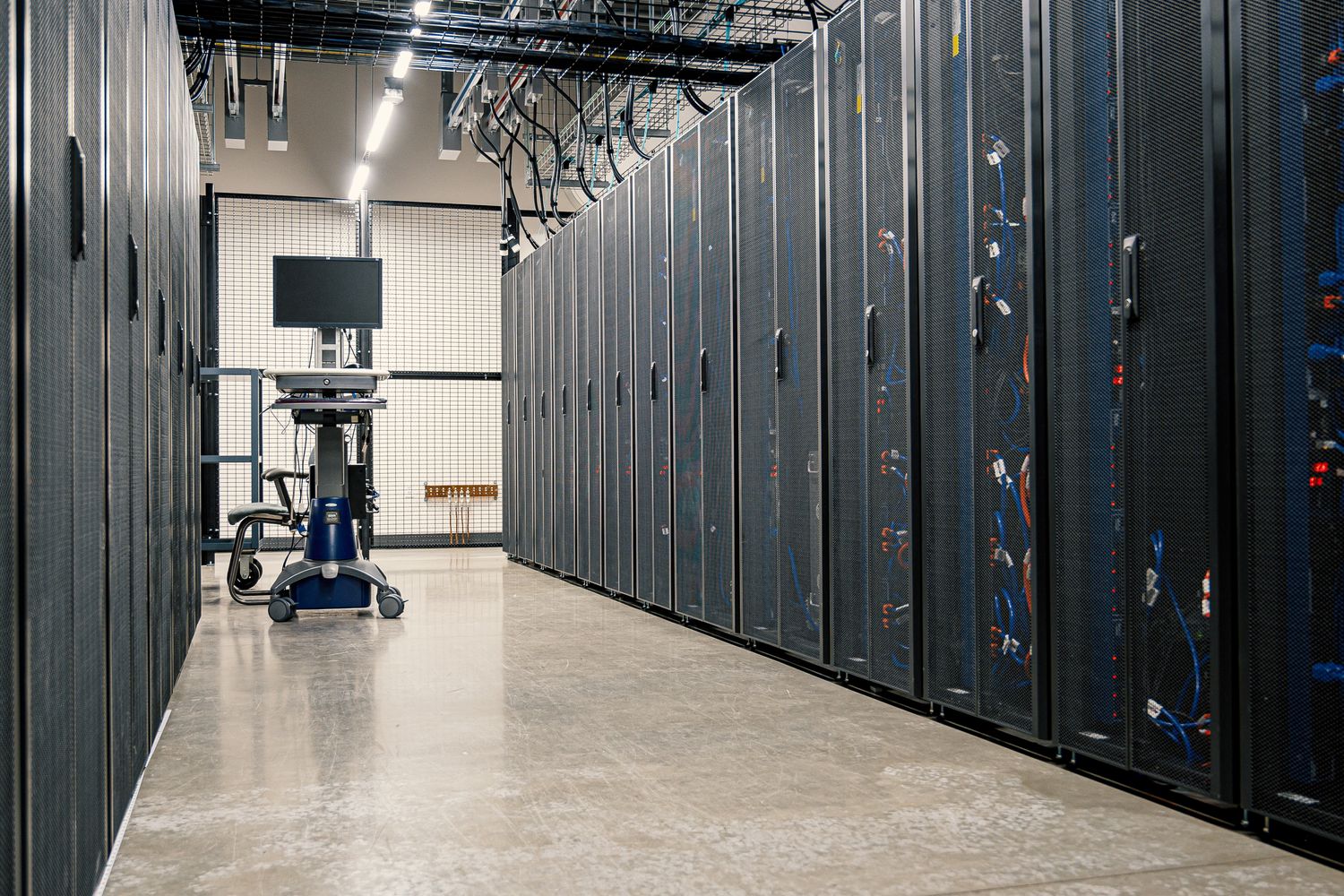
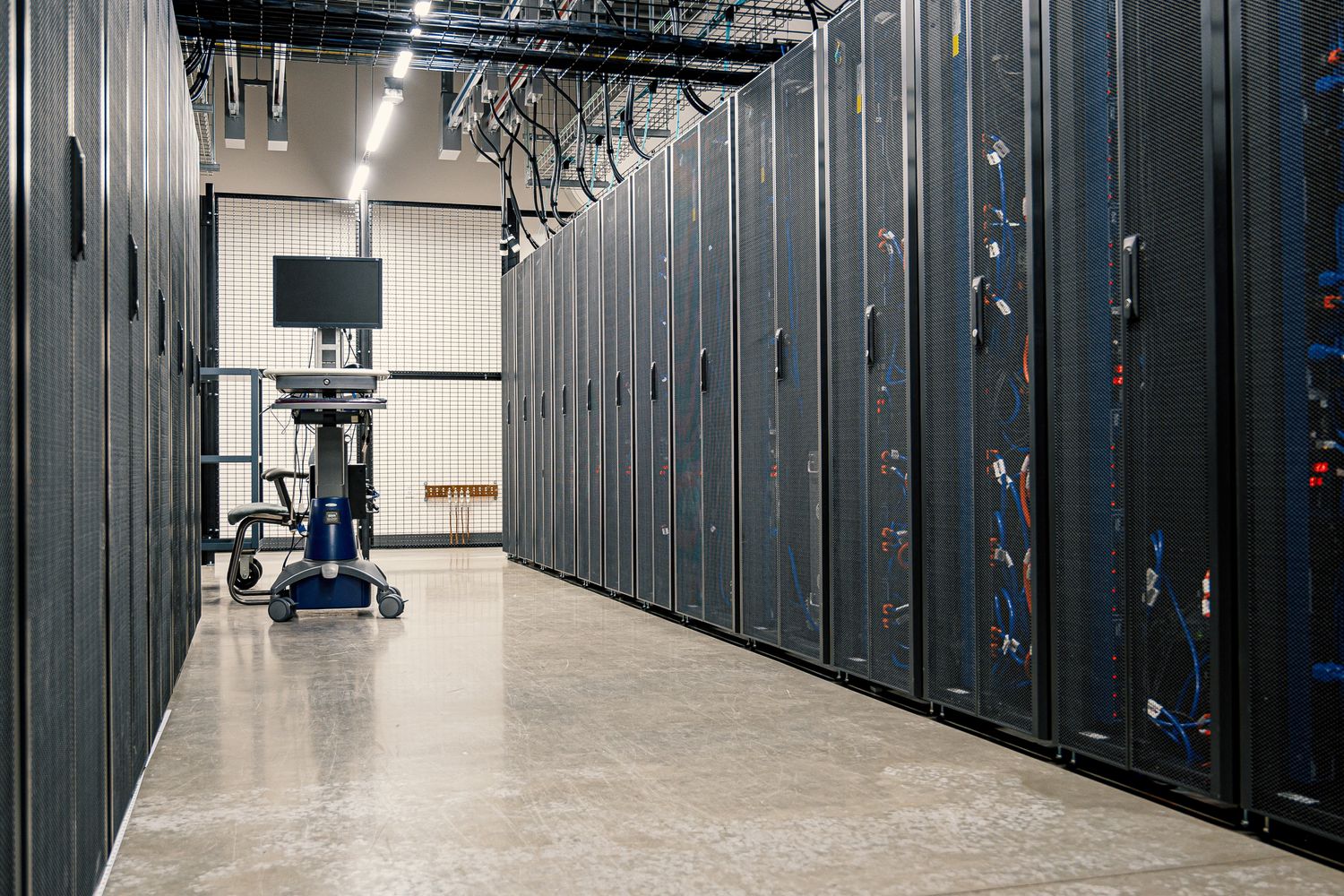
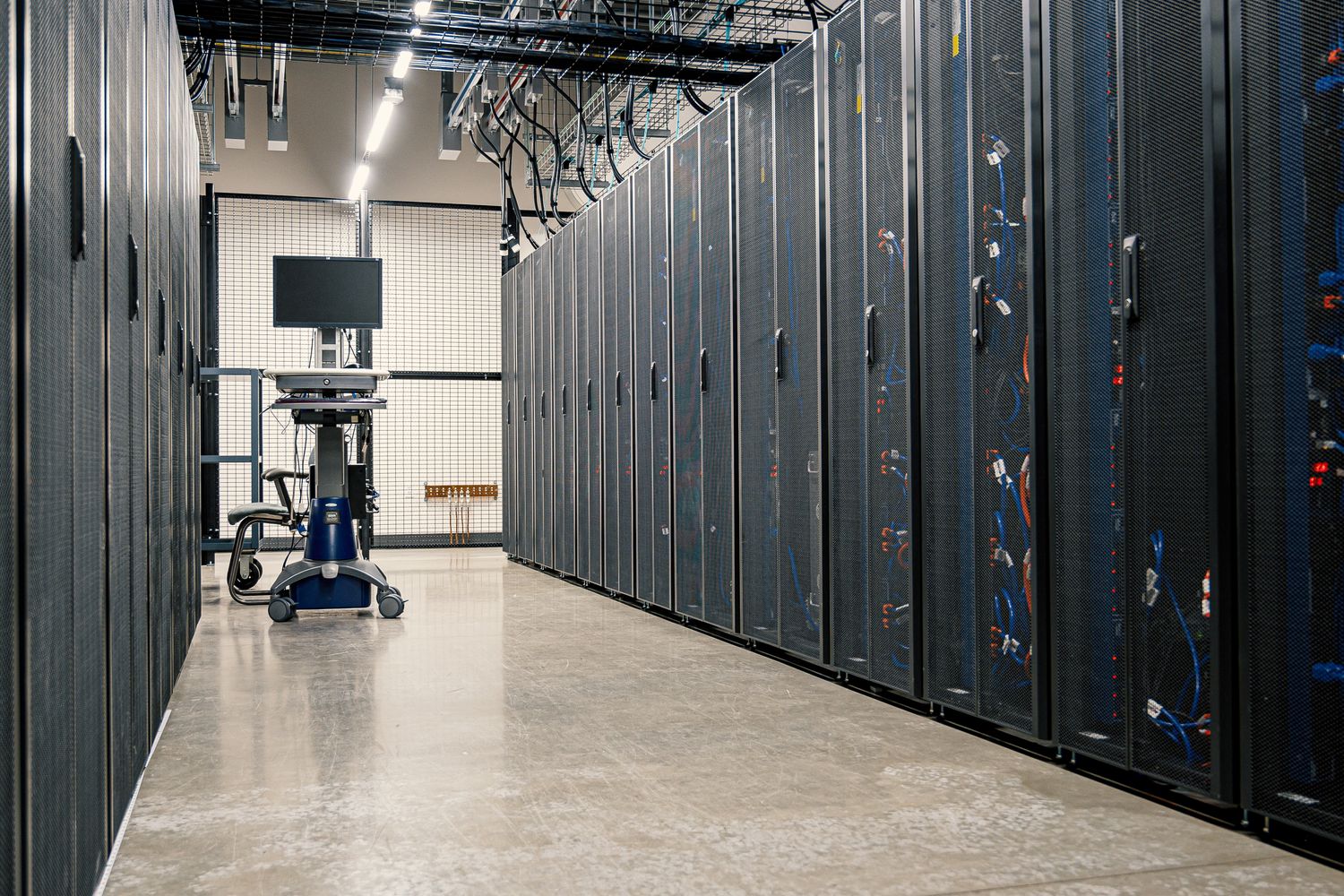
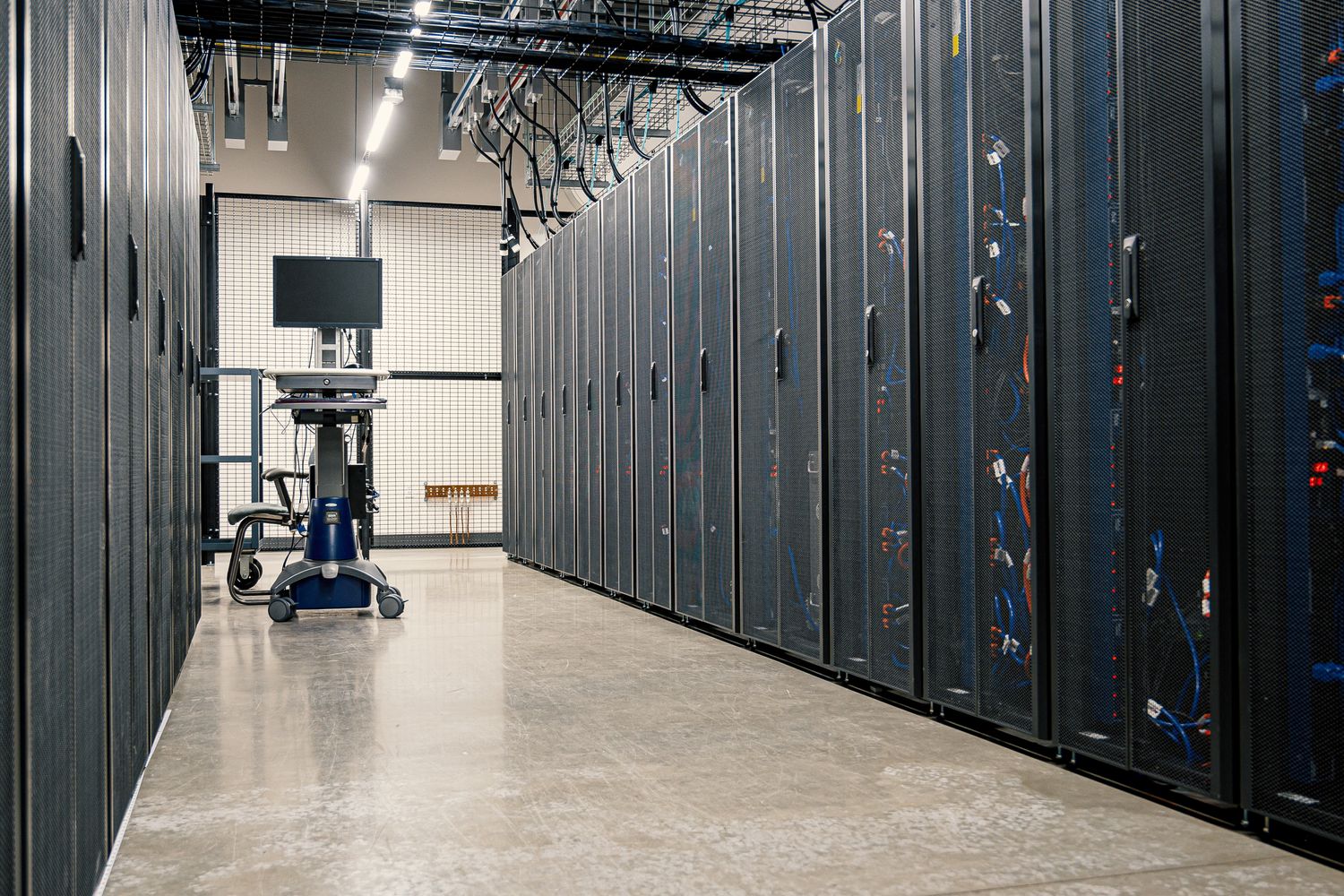
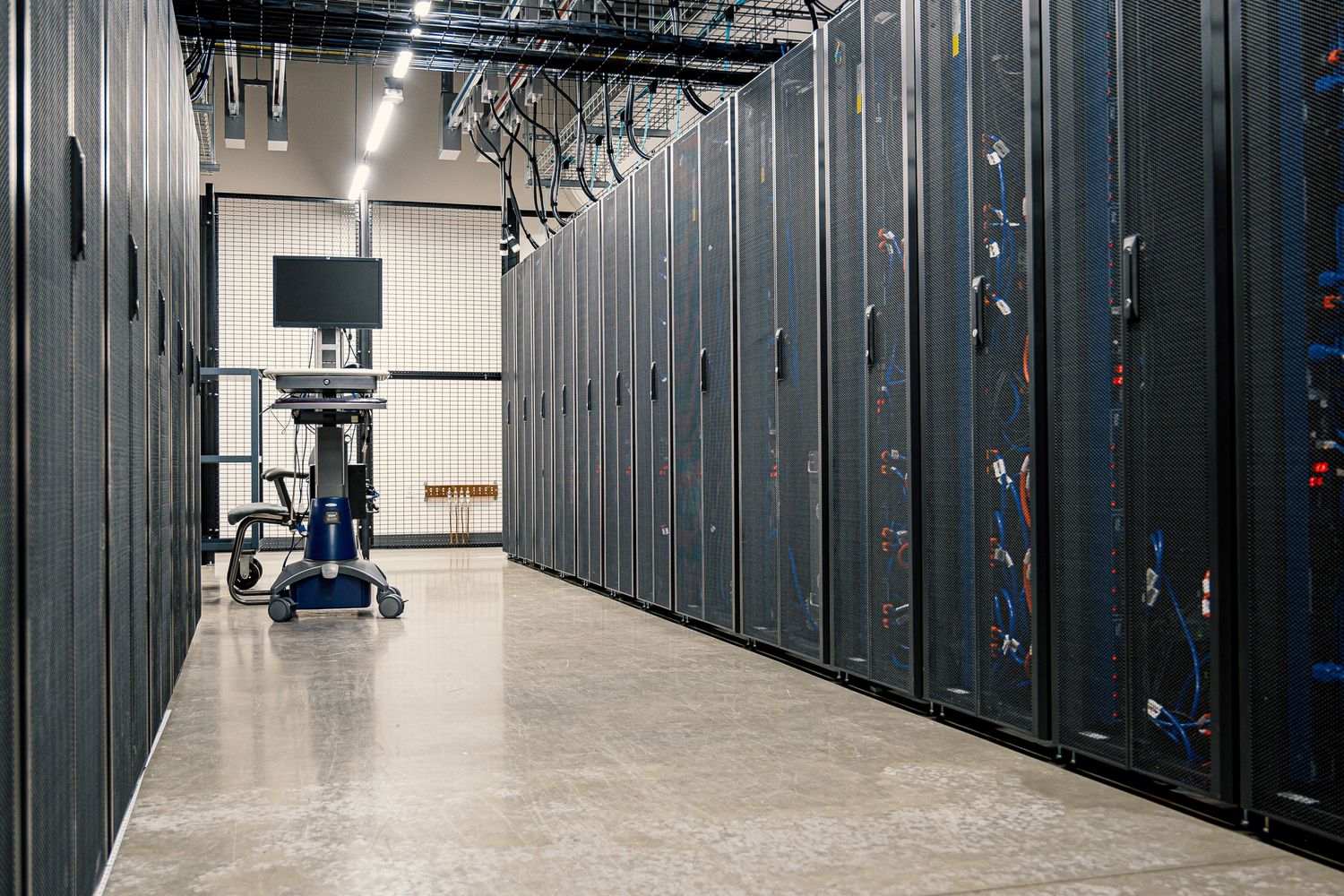
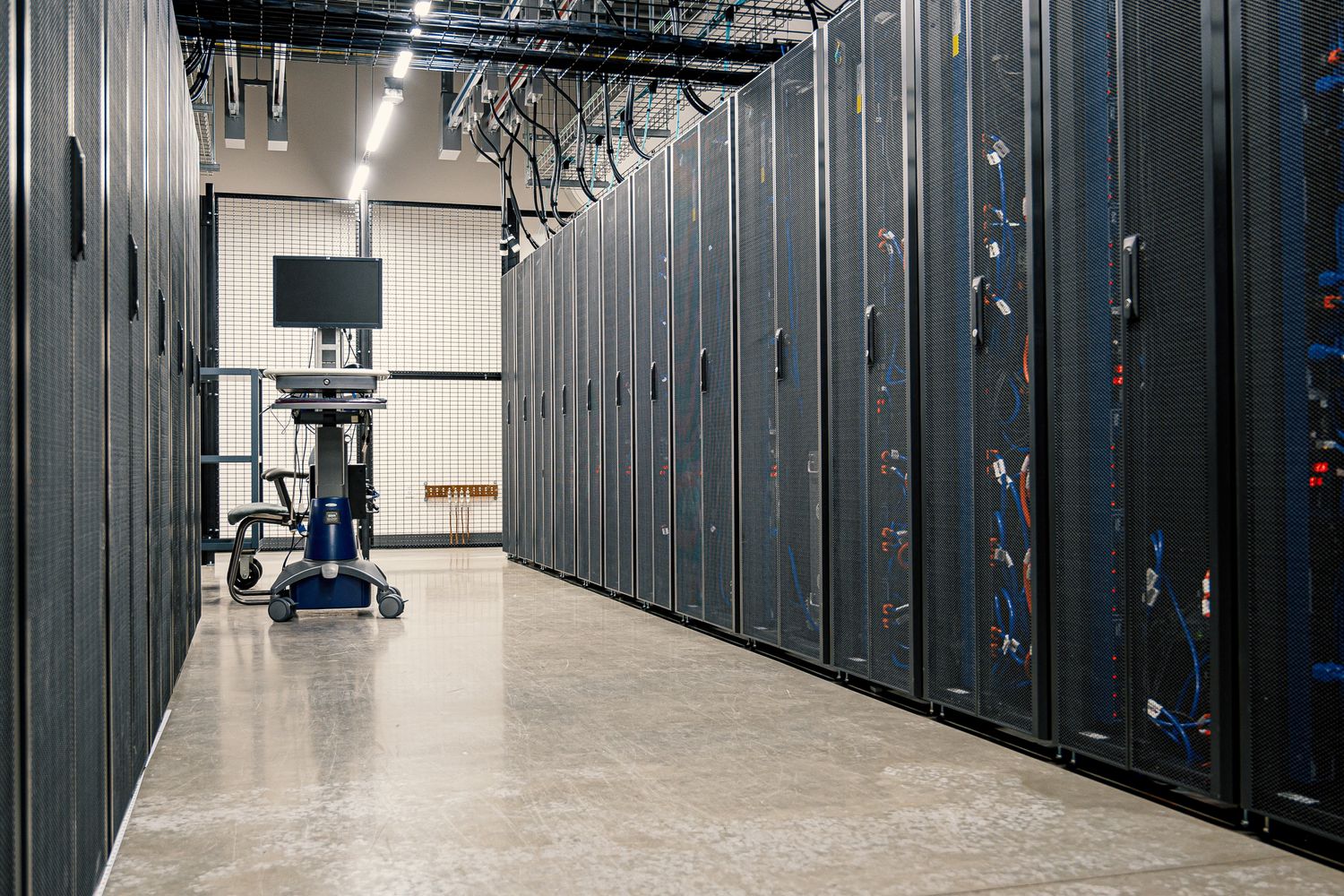
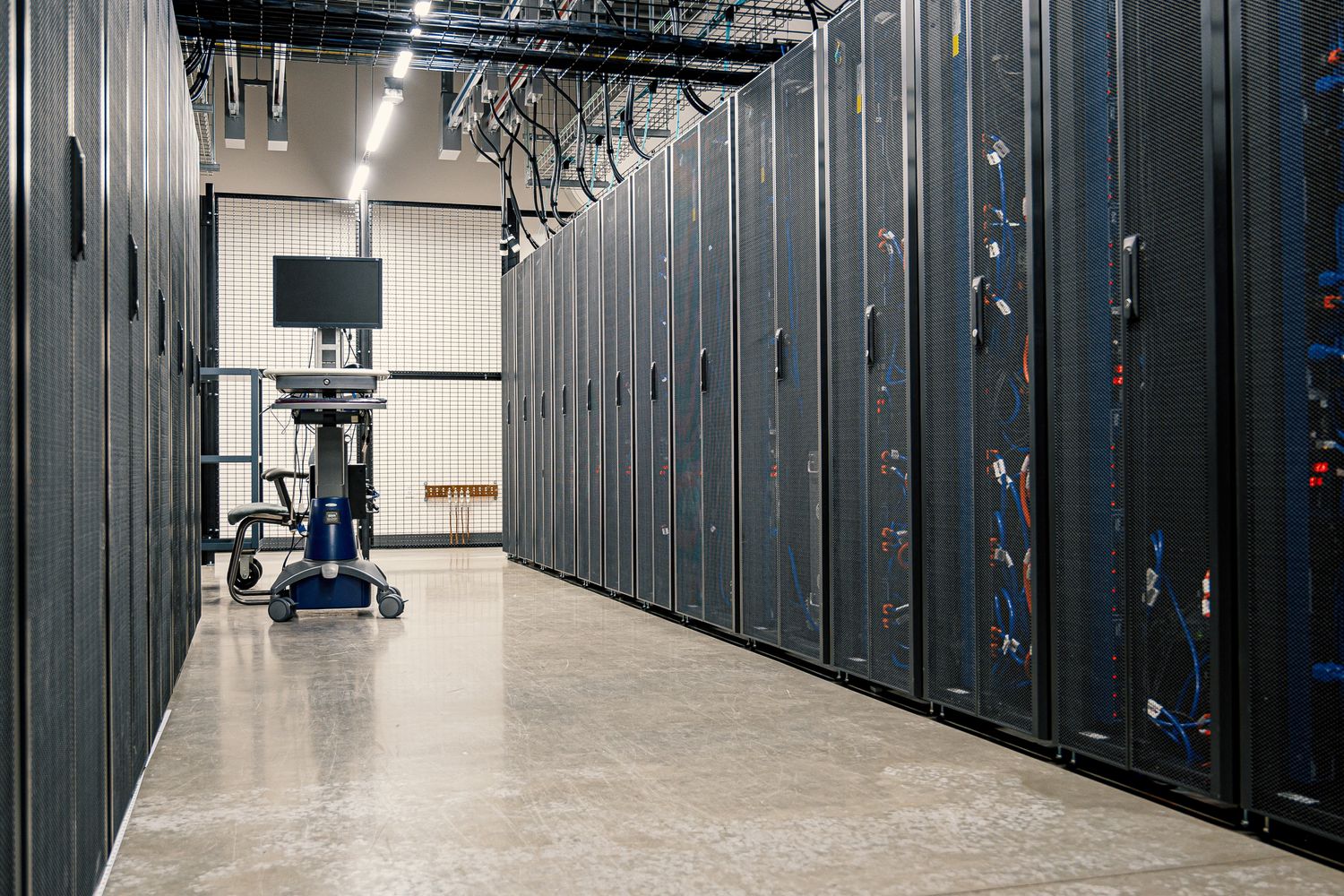
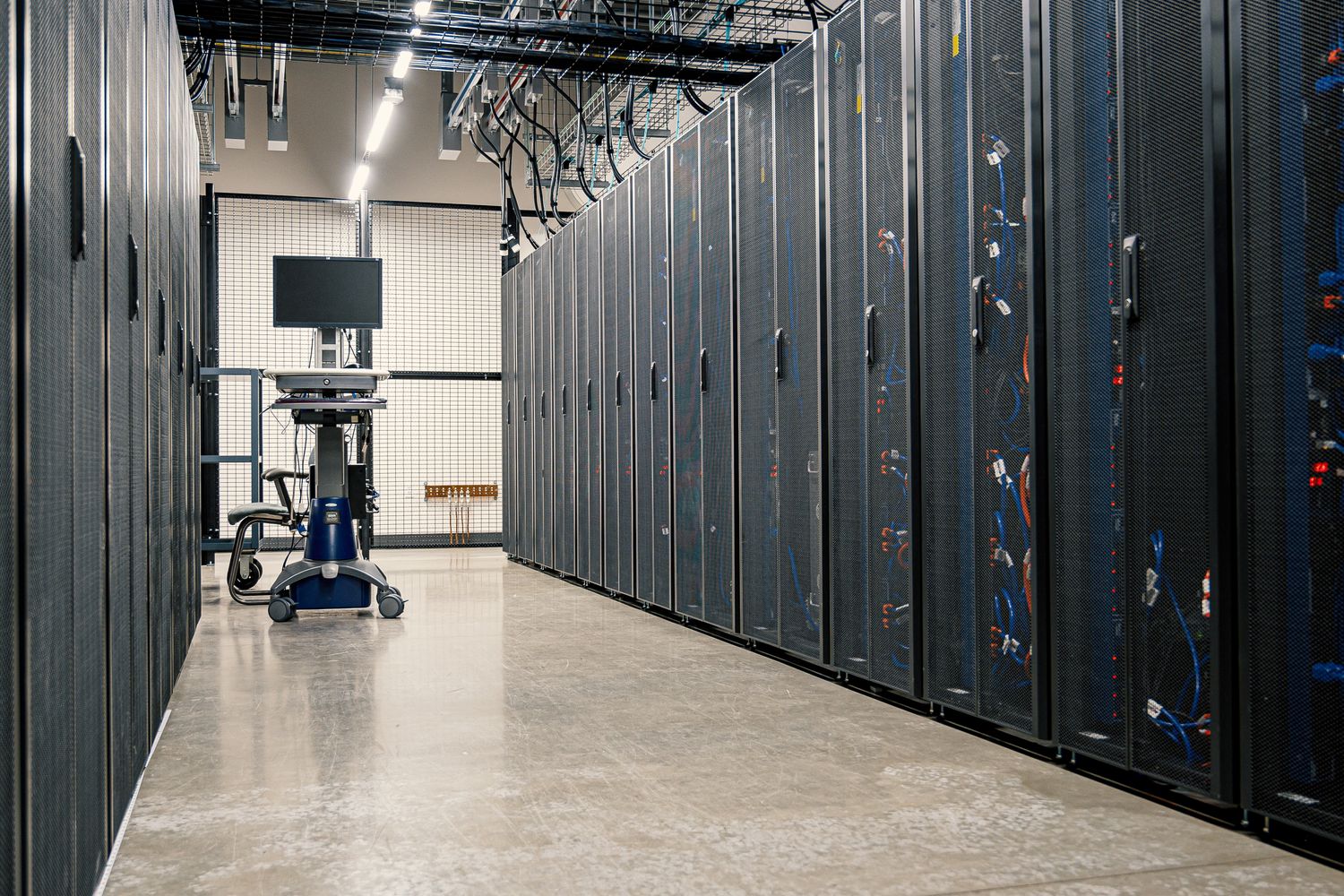
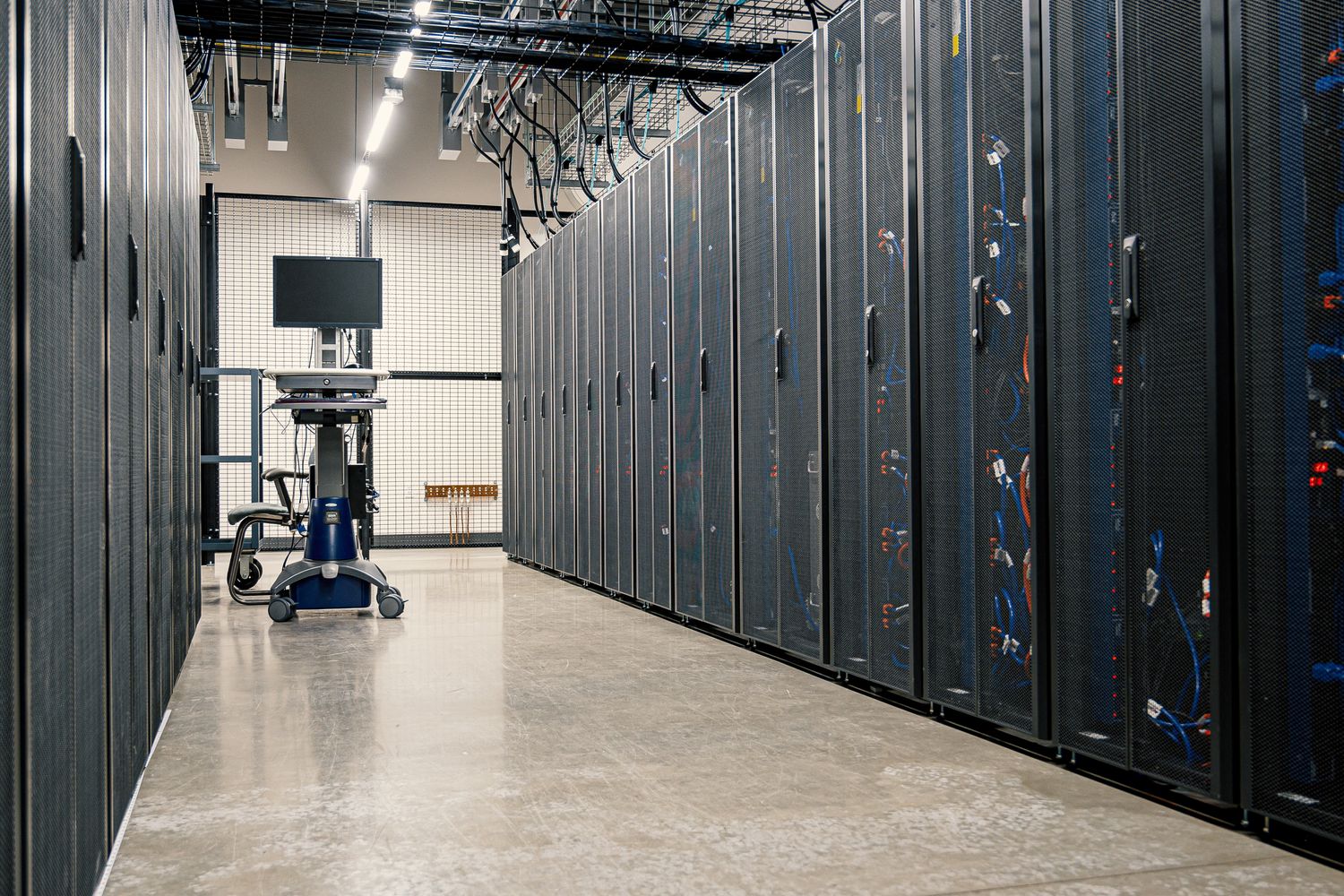
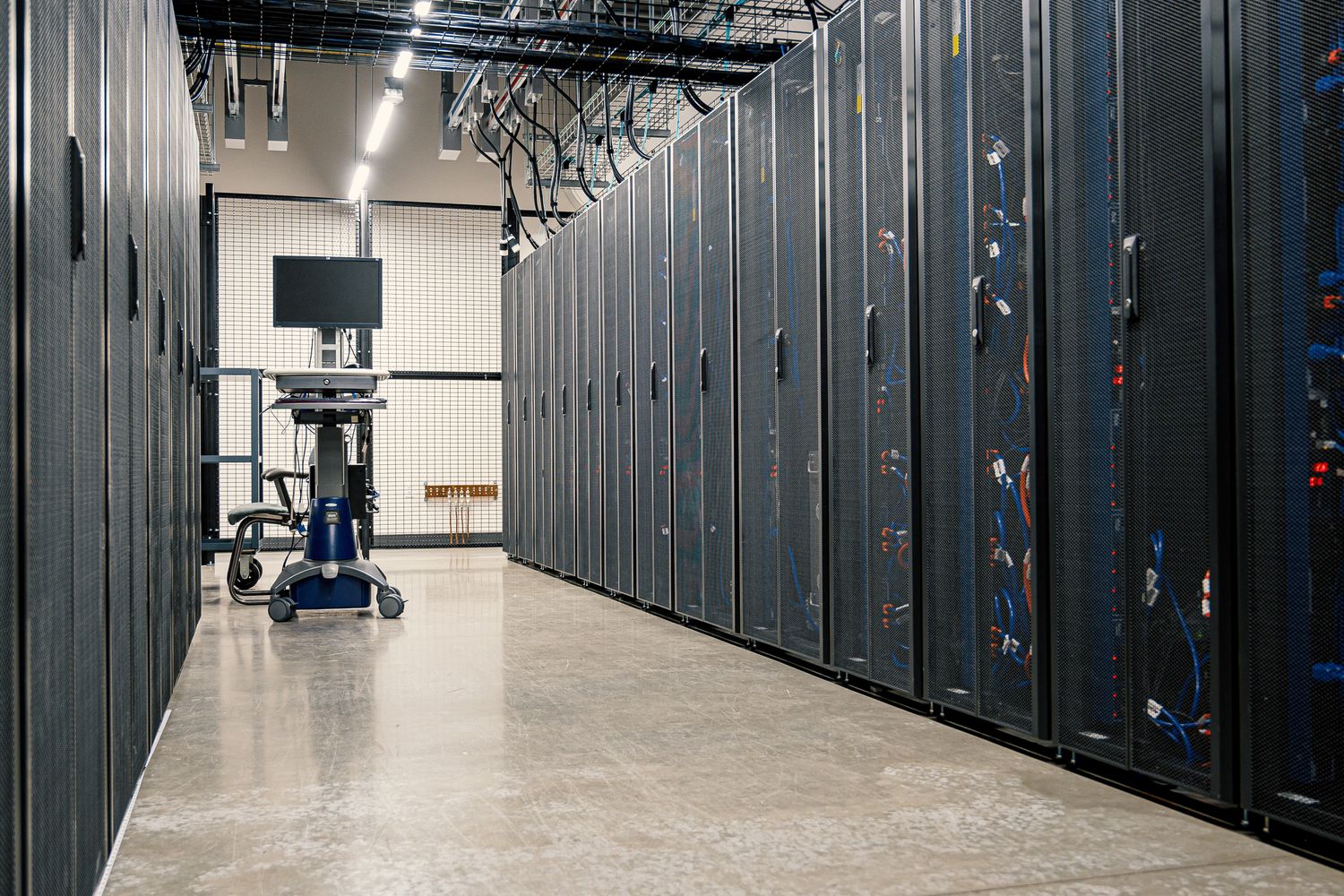
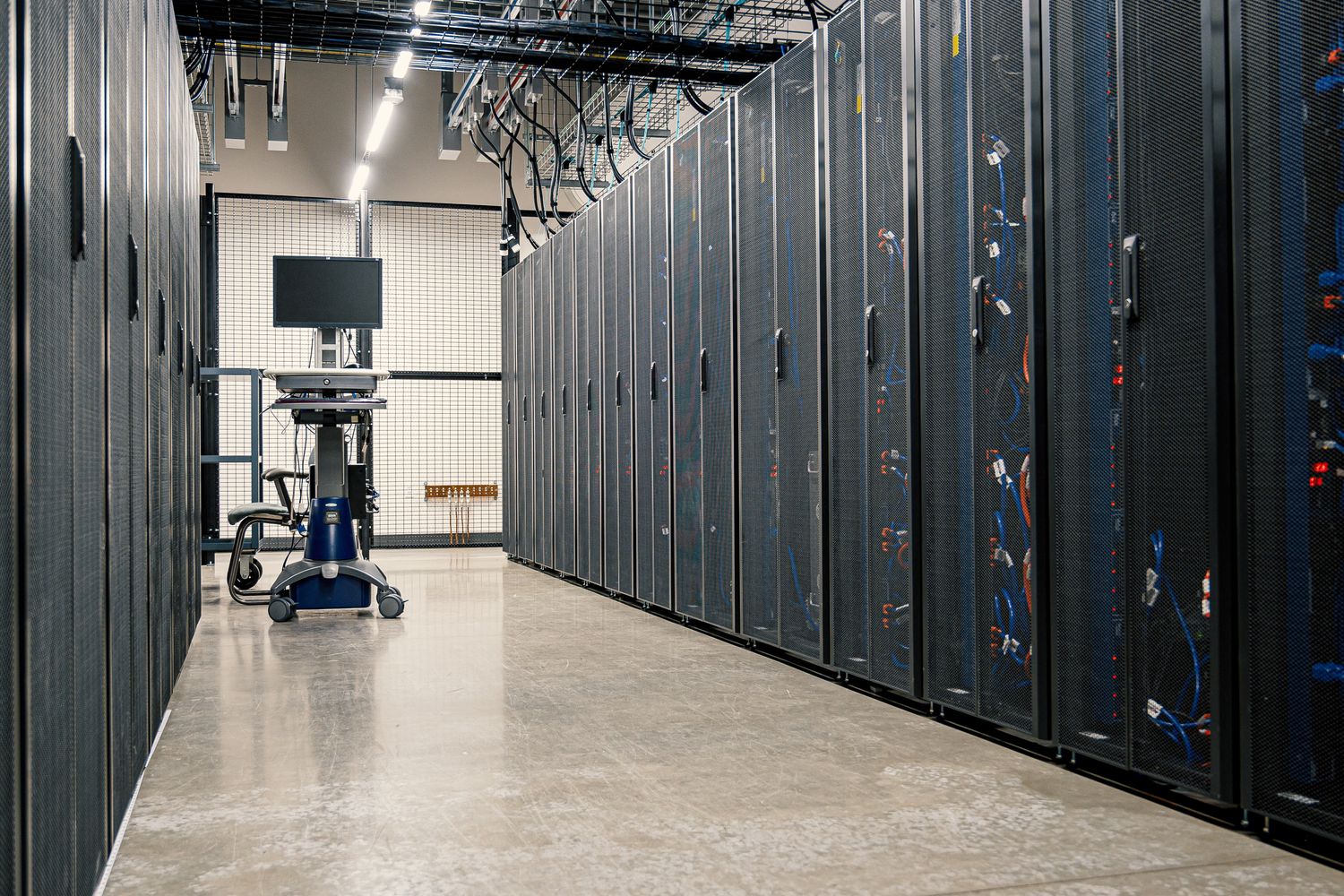
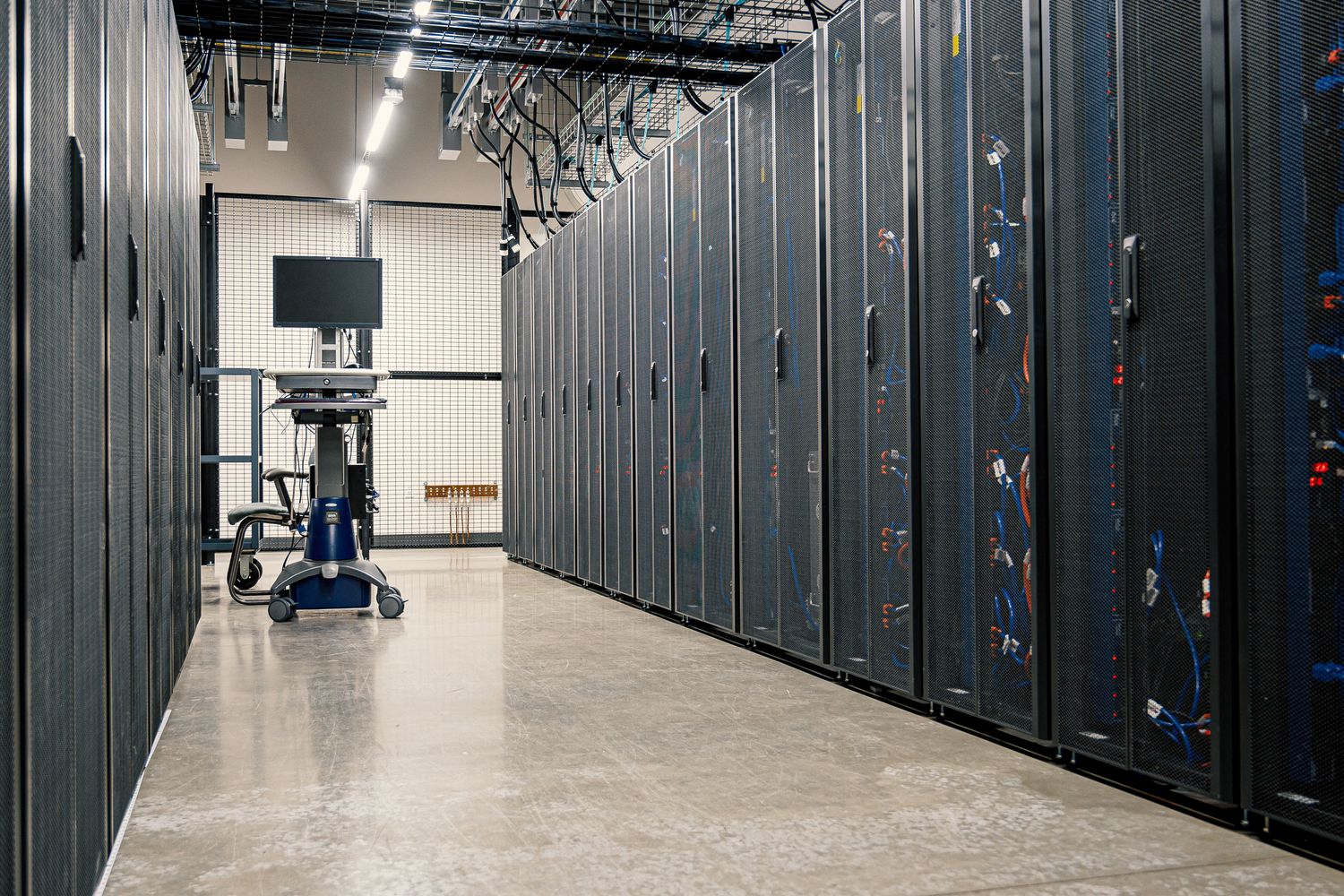
Here is what happened in just a few days. SpaceX signed a deal to host AI data centers for one billion dollars a month. Let that settle in your chest for a second: a billion dollars, every month, just to house the machines that house the thinking. And Nvidia, the company whose chips power nearly all of this dreaming, is reportedly acquiring Hugging Face — the home of open-source AI models — for $12.93 billion. The deal is trending across the financial press, and it tells you exactly where the smart money thinks the future lives.
Then there is the strangest signal of all, the one that made me sit up straight in my chair. Companies are raising money through a record surge of zero-coupon convertible bonds. In plain language: businesses are borrowing billions of dollars without having to make regular interest payments at all. In a higher-rate environment, that is highly unusual. It is the financial equivalent of a restaurant owner telling you the meal is free, the drinks are free, and you can pay whenever you feel like it — because the restaurant next door just got a line around the block and everyone wants in.
The AI hype is flooding capital markets like rain on a dry hillside. Money that used to ask hard questions is now just asking for a seat at the table.
I will be honest with you: part of me feels the electricity. I remember when the internet arrived and people said it was a toy, and then it quietly rewired everything. I remember watching a neighbor’s kid teach himself to code on a borrowed laptop and land a job that changed his family’s whole story. There is a real thing underneath the noise here. Data centers are the railroads of this century. The chips are the locomotives. When money flows into building real infrastructure, real people get real jobs, and real communities can grow around them. That part deserves our hope.
But it is not enough to just feel the excitement. We must also heed the warning being sounded alongside it, because it is being sounded loudly this week.
An Anthropic researcher resigned and told CNBC there is over a 10% chance AI could “kill us all by the end of the decade.” Those are his words, not mine, and they land like a stone in a quiet pond. This is not some outsider shouting from the margins. This is a person who worked inside one of the leading AI labs, who looked at the machinery up close, and decided he could not keep building it in good conscience. He walked away from prestige and a paycheck to say: slow down, look at what we are doing.
So here we are, holding two truths in the same week. Billions pouring in on one side. A one-in-ten chance of catastrophe named on the other. The frenzy and the fear, side by side, like two alarms going off at once — one for opportunity, one for danger.
What does this mean for us — the people who are not signing billion-dollar deals, who are just trying to save a little, invest a little, and build a decent life? I think it means we need to bring our whole hearts and our clearest eyes to this moment. It is not enough to just watch the market from the sidelines and hope the wave carries us. We must listen, learn, and contribute — ask where the money is going, who it serves, and what guardrails are being built while the gold rush is on.
Think about it like a community garden. If everyone rushes to plant the flashiest new seed because a company promised a miracle harvest, and nobody checks the soil or the water, the whole village can go hungry when the season turns. The seed companies get paid either way. It is the rest of us who eat — or do not.
There is also a practical question worth sitting with: what does this frenzy mean for your own money? When capital is this eager — when companies can borrow billions without paying interest along the way — it usually means lenders are betting the future will be so bright that today’s terms hardly matter. Sometimes they’re right. But history has a long list of moments when easy money made smart people careless: the telecom buildout, the housing boom, the SPAC craze. Each one had real technology or real demand underneath. Each one still burned the people who arrived last and paid the highest prices. The lesson isn’t to hide from every boom. It’s to know which seat you’re sitting in — builder, lender, or latecomer — and to size your bets accordingly.
I am not telling you to fear technology. I am telling you to stay human inside it. Talk to your kids about what these machines can and cannot do. Ask your pension fund, your advisor, your community leaders what exposure you have to this boom and whether anyone is asking the hard questions. Support the researchers and policymakers who are trying to build safety into the system before the system outgrows the building.
Because here is the deeper truth my grandmother’s proverb was pointing at: when the whole village digs in the same river, the village has to decide together what it is digging for. Are we building tools that lift everyone — the teacher, the nurse, the small-business owner — or are we building a casino where a few win big and the rest watch? The answer is not decided by the money. It is decided by us, in how we show up, what we demand, and what we refuse to accept.
This week the river is loud. The canary is warning. Let us have the wisdom to hear both at once, and the courage to act like neighbors, not spectators.
Take care of each other out there.