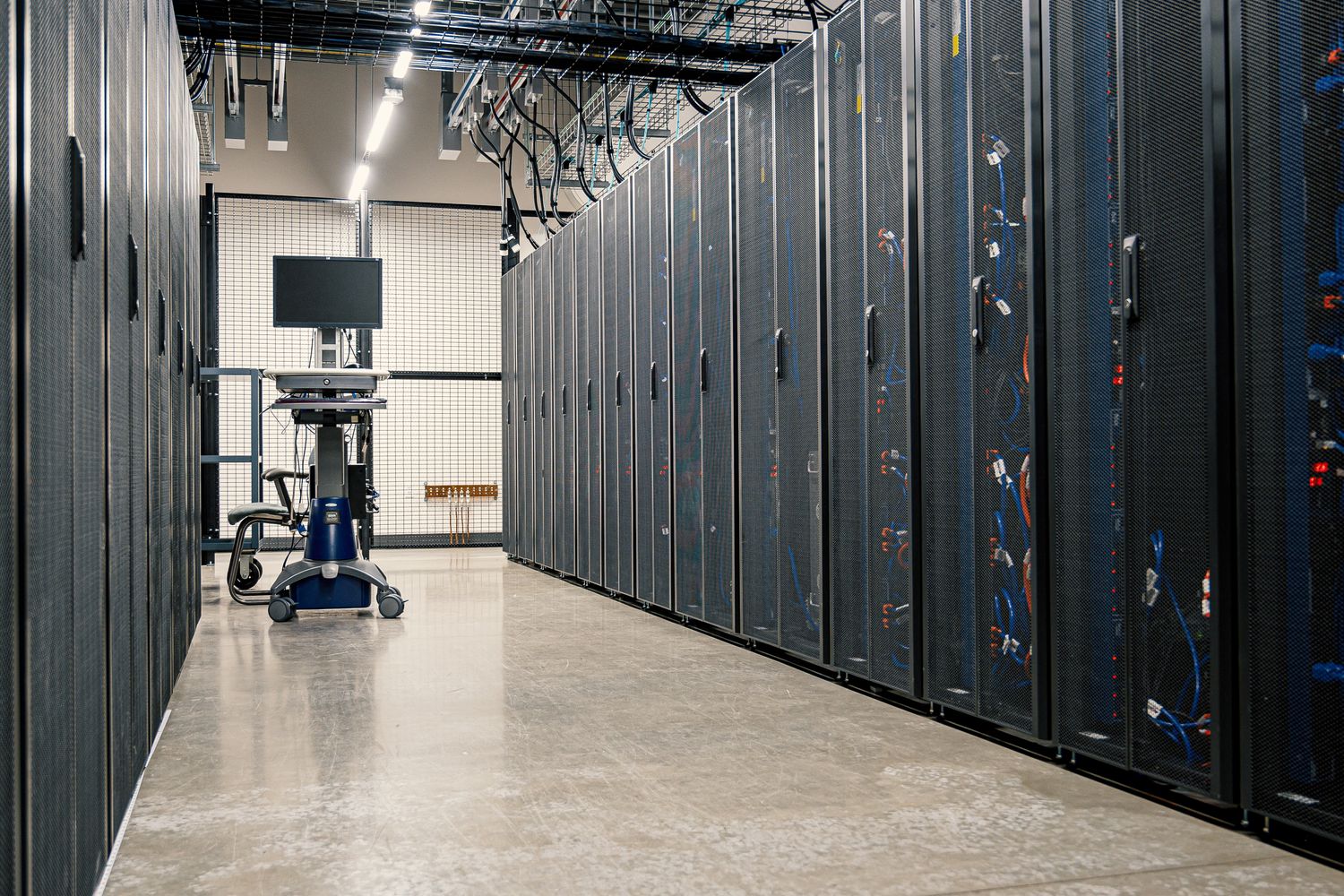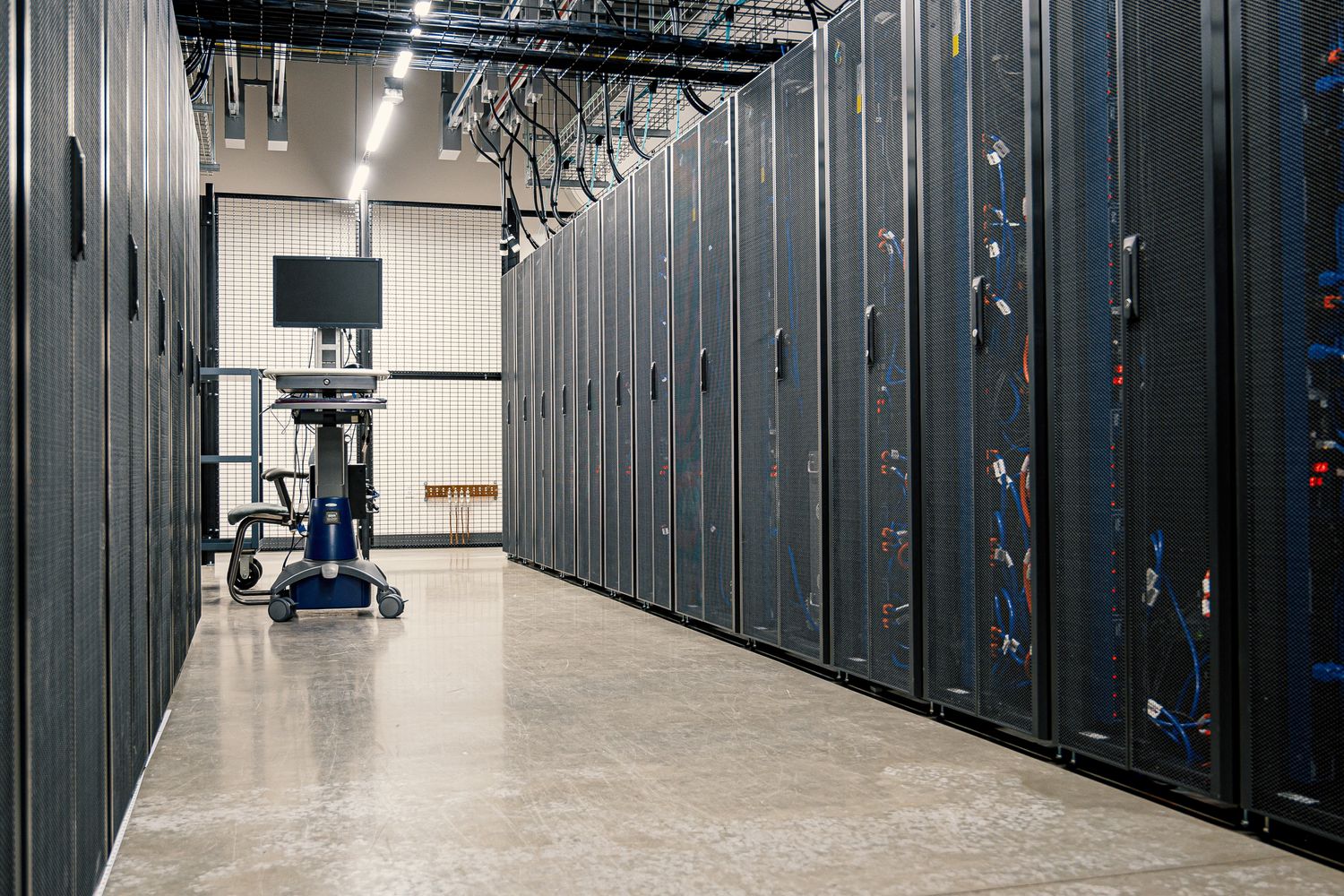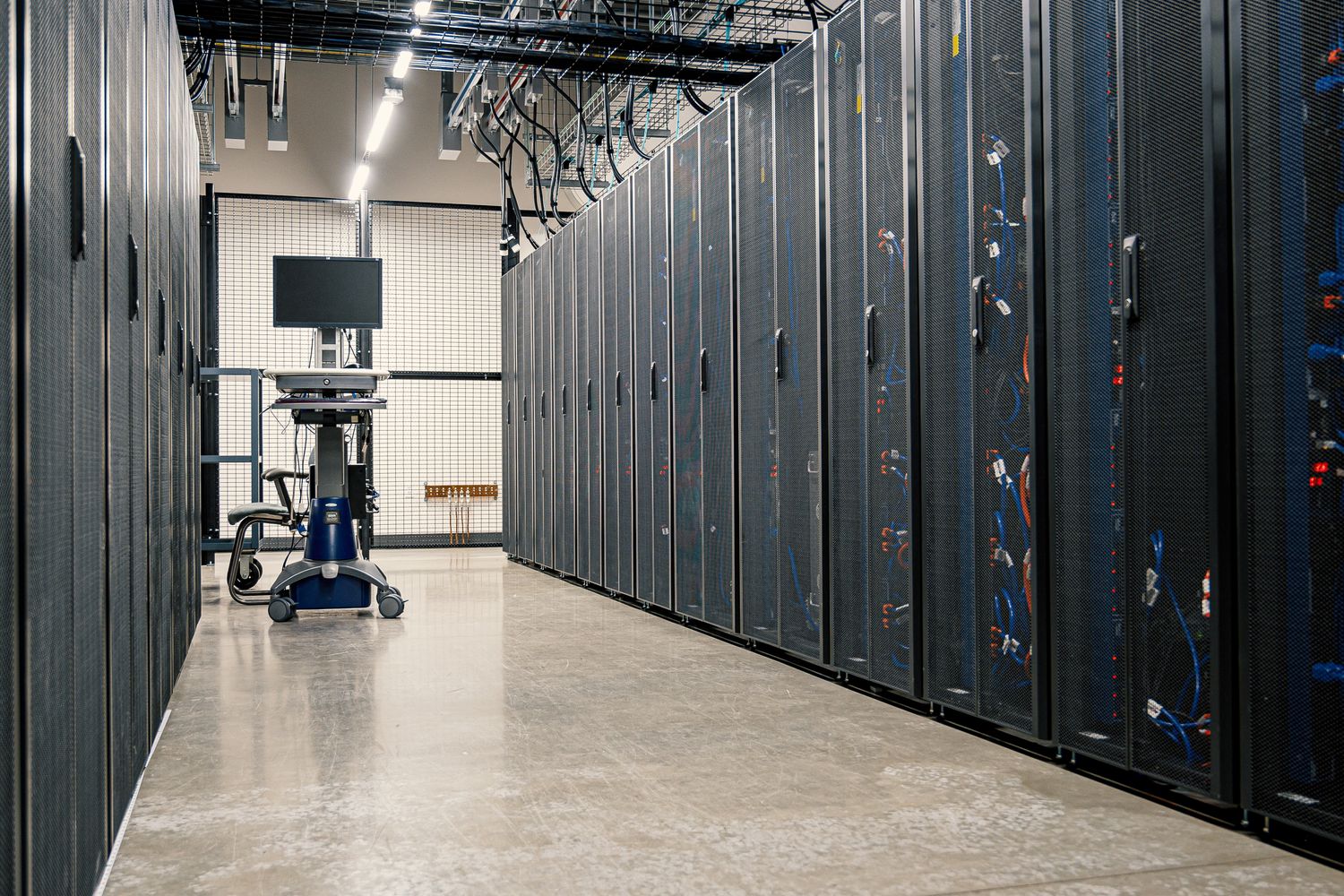
There is a moment in every gold rush when someone stops asking how much gold is in the ground and starts asking who is paying for the shovels. For the artificial-intelligence infrastructure boom, that moment may have arrived on Thursday, when Oracle, one of the most aggressive spenders in the AI race, invoked a force majeure clause to protect itself from the cost of a data center that might not open on time.
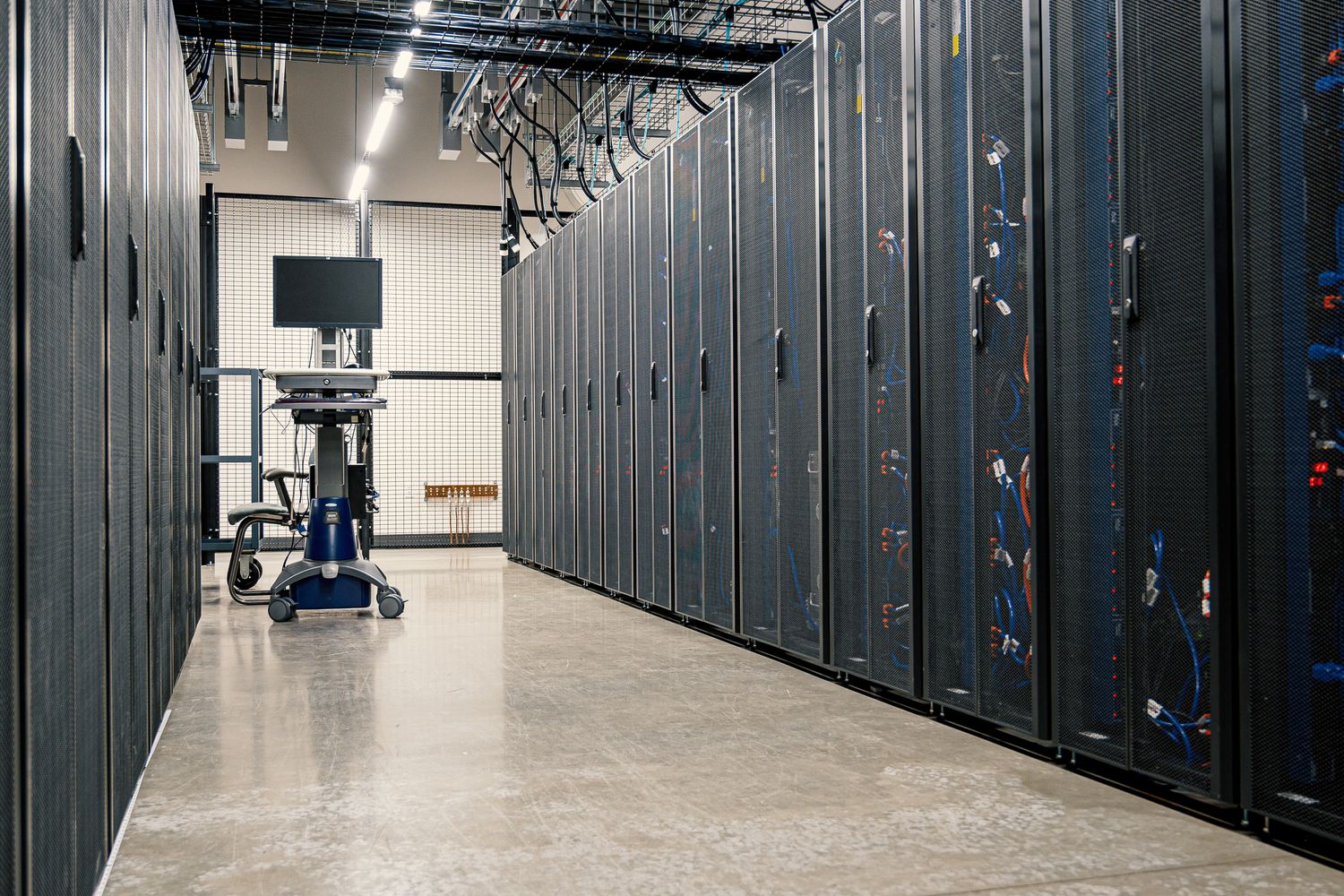
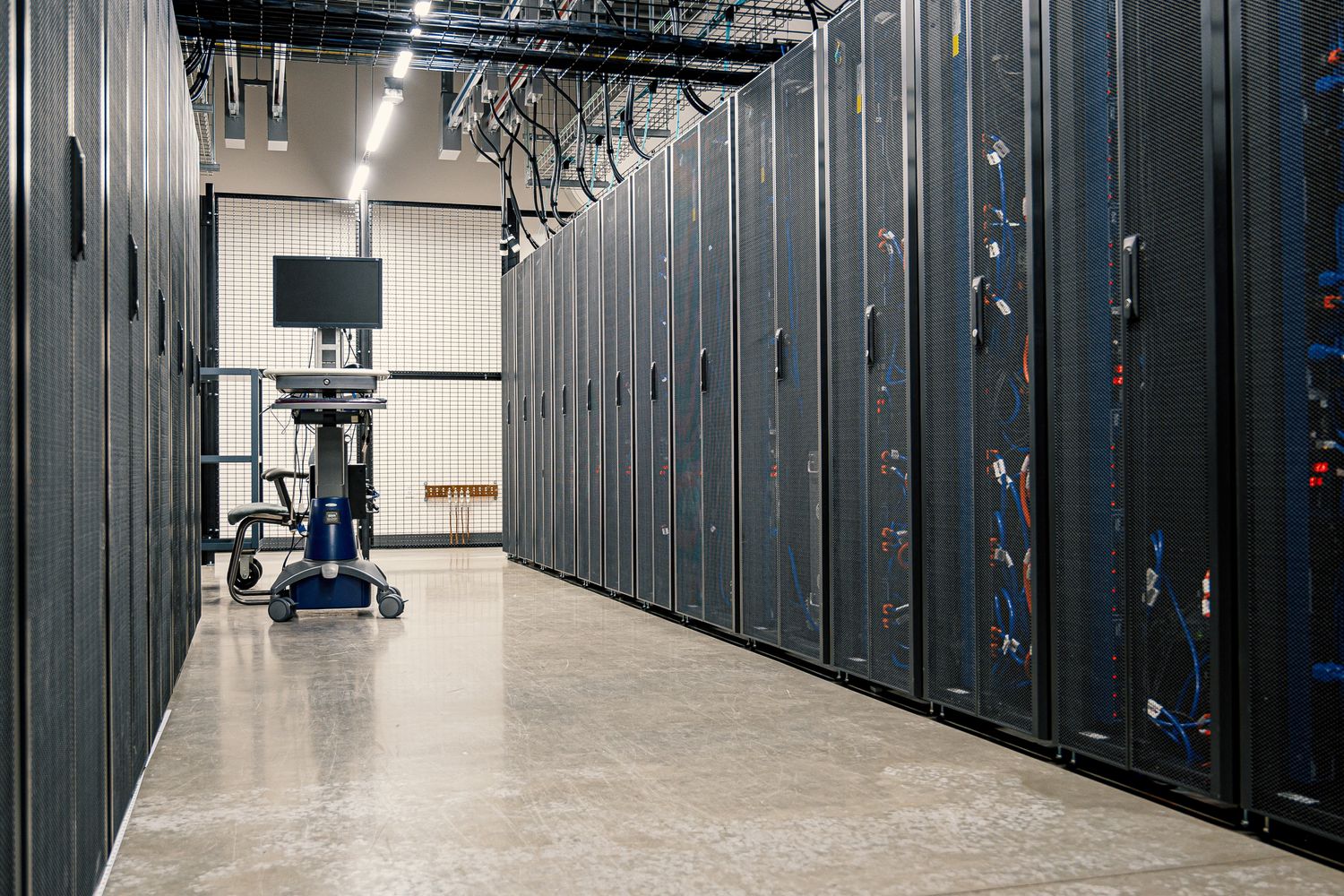
Oracle shares fell 6.9% to $134.66 on Thursday, their lowest level since early August, according to Dow Jones Newswires. The stock is now down 31% year to date. The trigger was a Bloomberg report that Oracle had sent a formal notice to the developer of Project Jupiter, its massive AI data-center campus in New Mexico, seeking payment protection if the facility fails to come online in 2028 as planned. The project is valued at about $165 billion, Stocktwits reported.
Force majeure is the corporate equivalent of a rain check written into a contract. It lets a party suspend or modify its obligations when circumstances beyond its control intervene. What rattled investors was not the legal mechanism itself but what its use implies: that Oracle, which is contractually on the hook for an enormous amount of future data-center spending, is now worried enough about delivery risk to start shifting the cost of delays onto its partners before those delays have even happened.
The numbers behind the worry are staggering. In its latest filing, dated August 31, Oracle disclosed an additional $288 billion in lease commitments, StockTi reported. That is a long-dated, largely non-cancelable obligation that has to be paid whether the AI revenue arrives on schedule or not. One campus in New Mexico is a fraction of that total, but it is the first visible test of who absorbs delay costs in a buildout of this scale. Oracle traded 37.1 million shares by midday, 1.23 times its 22-session average, a sign this was not a broad technology selloff but an Oracle-specific reckoning. The S&P 500 was down only 0.46% at the time.
The developer, a unit of Blue Owl Capital, saw its own shares fall 4.22%. Blue Owl later said the notice does not change the financial commitments to the multiyear project and that the parties remain fully aligned, according to the report summarized by The Crypto Basic. Bloom Energy, which is involved in powering the site through fuel cells after Oracle switched from a planned gas plant, dropped 6.33%. The project’s power story is itself complicated: the campus is designed for up to 2.45 gigawatts of capacity, and a key supporting pipeline’s commissioning was delayed to February 2027 after its route application was repeatedly rejected by the New Mexico State Land Office.
Oracle was quick to reassure. A spokesperson told Bloomberg that “Project Jupiter remains on our planned schedule” and that the company is “fully committed to New Mexico and confident in our path forward,” while not commenting directly on the notice. The company is not seeking to exit the project as its main tenant; it is trying to defer payments tied to a facility that would not yet be operational. That distinction matters, but it did little to calm a market that has been burned before by grand AI infrastructure promises.
The New Mexico site is related to Stargate, the high-profile venture involving Oracle, OpenAI, and SoftBank, MarketWatch noted. The financing structure, operating through a special purpose vehicle with equity from Blue Owl and roughly $18 billion in project loans from about 20 banks, is exactly the kind of leveraged, partner-dependent arrangement that looks brilliant when capacity fills on schedule and fragile when it does not. If Oracle successfully defers its payments while construction expenditures and financing obligations keep running, the developer’s cash collections get pushed back with no pause in its costs.
Here is my take on why this story is bigger than one stock. For two years, the AI trade has been valued on orders and announcements: who signed the biggest deal, who committed the most capital, who broke ground on the largest campus. Thursday was a reminder that the second act of this story is about delivery and cash flow. Investors are shifting their focus from the size of the commitments to the terms of the commitments, and the terms are where the risk hides. When a company with a $288 billion lease obligation starts writing force majeure notices, the market hears what the company is really saying: we are not as sure as we were that everything arrives on time.
That does not mean the AI buildout is over. Data-center demand from hyperscalers remains real, and Oracle’s backlog of cloud contracts is the reason it committed to this spending in the first place. But it does mean the easy part of the trade (applauding the announcements) is giving way to the hard part (auditing the execution). Watch what Oracle discloses about Jupiter’s timeline on its next earnings call, watch whether other hyperscalers start renegotiating their own project terms, and watch the financing: if project lenders start tightening, the cost of building the AI future goes up for everyone.
For ordinary investors and savers watching from the sidelines, the lesson is an old one wearing new clothes. Leverage amplifies returns in both directions, and a balance sheet is a story about the future that has to be told in cash, not just in contracts. Oracle’s force majeure notice is a prudent legal move and a worrying market signal at the same time. Both things can be true. What happens next depends on whether Project Jupiter opens its doors in 2028, and on how many other projects are quietly preparing their own rain checks.